


Team building today is no longer limited to physical games or group entertainment activities. Businesses are increasingly seeking meaningful experiences that strengthen connections among employees, develop collaboration skills, and deepen their understanding of shared values. In this context, incorporating local cultural elements offers a distinctive approach to team building, connecting programs with the unique characteristics of each destination and creating value that extends beyond the games themselves.
Vietnam’s lowland regions, from the Mekong River Delta and the Red River Delta to the narrow coastal plains of Central Vietnam stretching from Thanh Hoa to Binh Thuan (now part of the expanded coastal region of Lam Dong Province), offer rich resources ranging from riverine landscapes and agricultural ecosystems to traditional craft villages, culinary heritage, folk arts, and community lifestyles. Each region has its own distinctive stories that can be transformed into immersive experiential challenges tailored to corporate objectives.
Rather than relying on games that could be organized at any destination, programs can bring participants closer to local life through activities such as discovering regional specialties, exploring traditional crafts, solving resource management challenges, or creating products that reflect the identity of the region. The key is that cultural elements should serve more than a decorative purpose. When translated into practical tasks, each experience can become an opportunity to develop communication skills, creative thinking, resource management, and teamwork.

1. Natural Landscapes and Local Livelihoods – Building Connections Through Hands-On Experiences
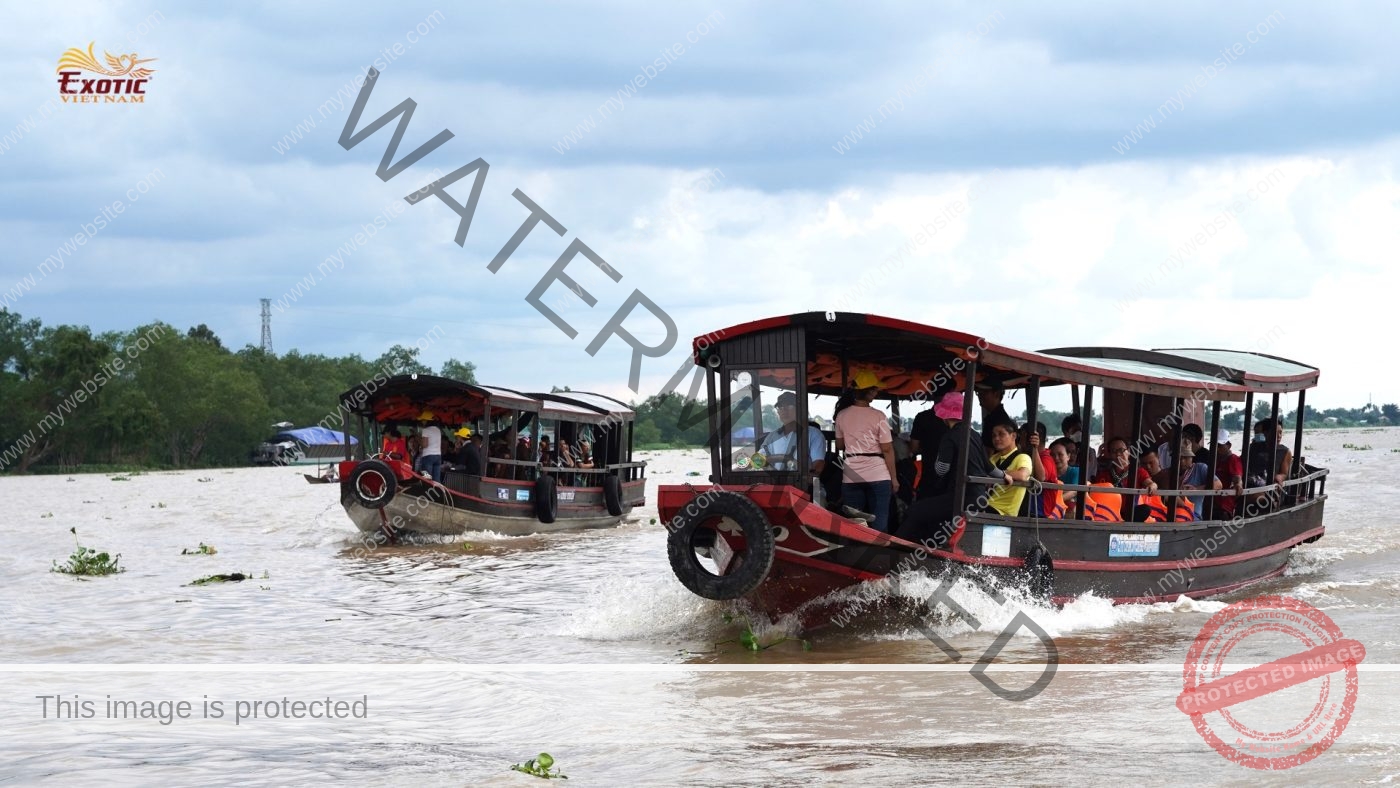
The natural landscapes of Vietnam’s plains are closely linked to local production activities and community livelihoods. These may include rice fields, fruit orchards, canals, aquaculture areas, or riverside settlements. Each setting reflects how local people utilize natural resources, adapt to environmental conditions, and organize their livelihoods.
These landscapes provide inspiration for team building programs designed around Amazing Race formats, exploration journeys, or multi-stop challenges that require teams to complete specific tasks. Teams can follow maps to discover local agricultural products, identify crops, transport items through designated checkpoints, or decipher clues about community livelihoods.
In orchard areas, participants can take on tasks such as sorting agricultural products, developing simulated harvesting plans, or designing transportation chains to prevent produce from being damaged. In riverine settings, challenges can focus on navigation, role allocation, and coordinating the transportation of goods across varied terrain.
Activities should be designed to suit actual local conditions while avoiding disruption to production activities and the natural environment. When local residents are involved, the program also provides opportunities for participants to learn about traditional production methods and the values shaped by the relationship between people and their living environment.
Team-Building Benefits: These experiences encourage team members to observe their surroundings, exchange information, allocate tasks, and work together to achieve shared goals. Participants also learn to adapt to changing conditions and recognize the role each individual plays within an interconnected system.
2. Traditional Craft Villages – Building Connections Through Skills and Creativity
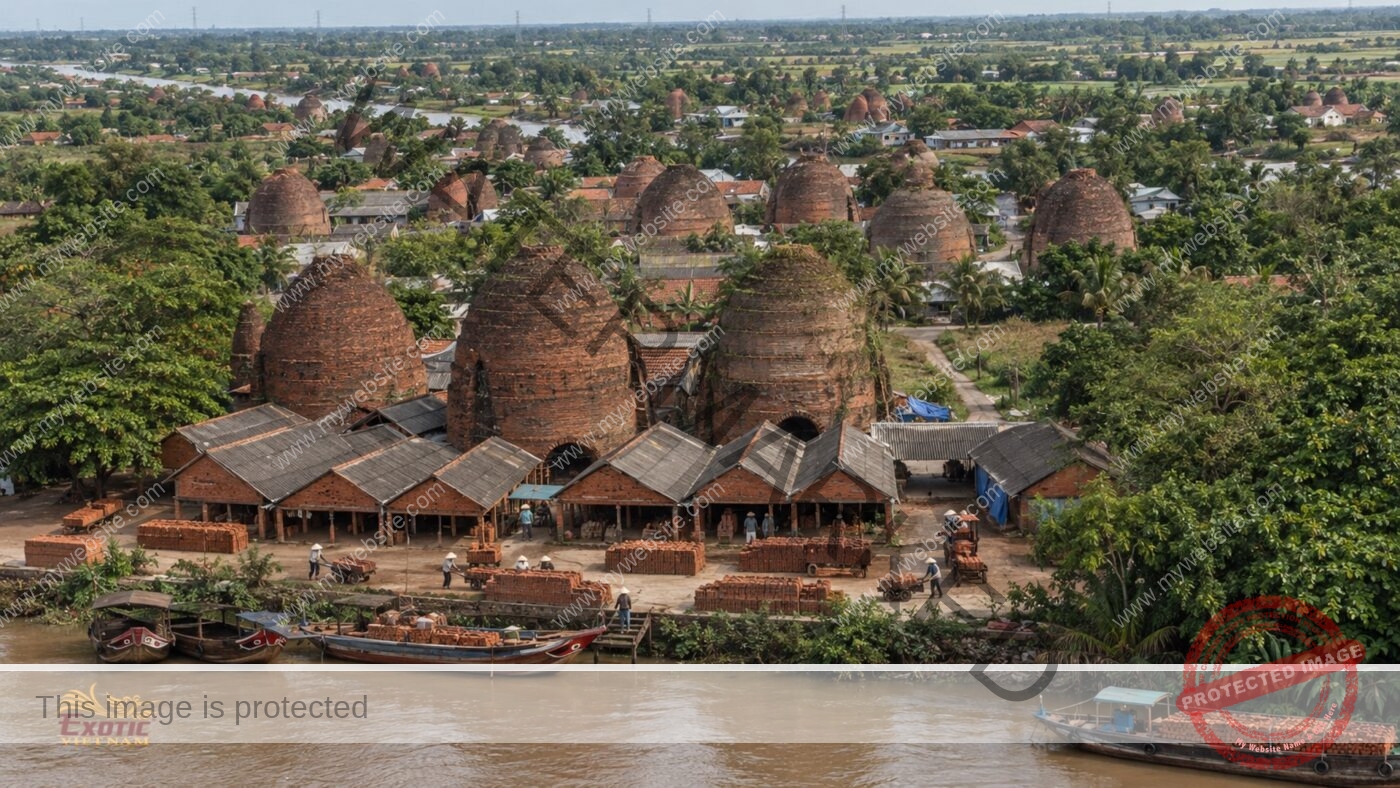
Traditional craft villages preserve production techniques, professional expertise, and cultural values passed down through generations within local communities. Activities such as pottery making, weaving, textile production, agricultural processing, and handcrafted goods can all serve as inspiration for team building program design.
Rather than simply touring the village and listening to presentations, participants can experience selected stages of the production process firsthand under the guidance of local artisans. Teams work together to create products, meet specific requirements related to shape, functionality, or completion time, and then present their ideas and the stories behind their creations.
For example, a Traditional Craft Product Challenge can require teams to use supplied materials to create a product that meets specific criteria. In weaving activities, team members must coordinate their efforts to complete a sturdy structure. With pottery or clay, the challenge may focus on shaping a symbol that represents the team or reflects the company’s values.
Another approach is to combine design thinking with brand storytelling. Teams are tasked with creating products that convey messages of collaboration, innovation, or sustainable development, while also presenting their choices of materials and division of responsibilities.
Team-Building Benefits: The process of creating a product together allows team members to leverage their individual strengths, share ideas, and coordinate different approaches. Participants also learn that the quality of a collective outcome depends on patience, skill, precision, and the ability to support one another.
To ensure authenticity, programs should be developed in collaboration with local artisans or craft producers. Material selection should be appropriate, waste should be minimized, and the value of traditional craftsmanship should be respected. Cultural activities should not be reduced to superficial performances or merely symbolic experiences.
3. Culinary Heritage – Building Connections Through Local Ingredients and Food Culture
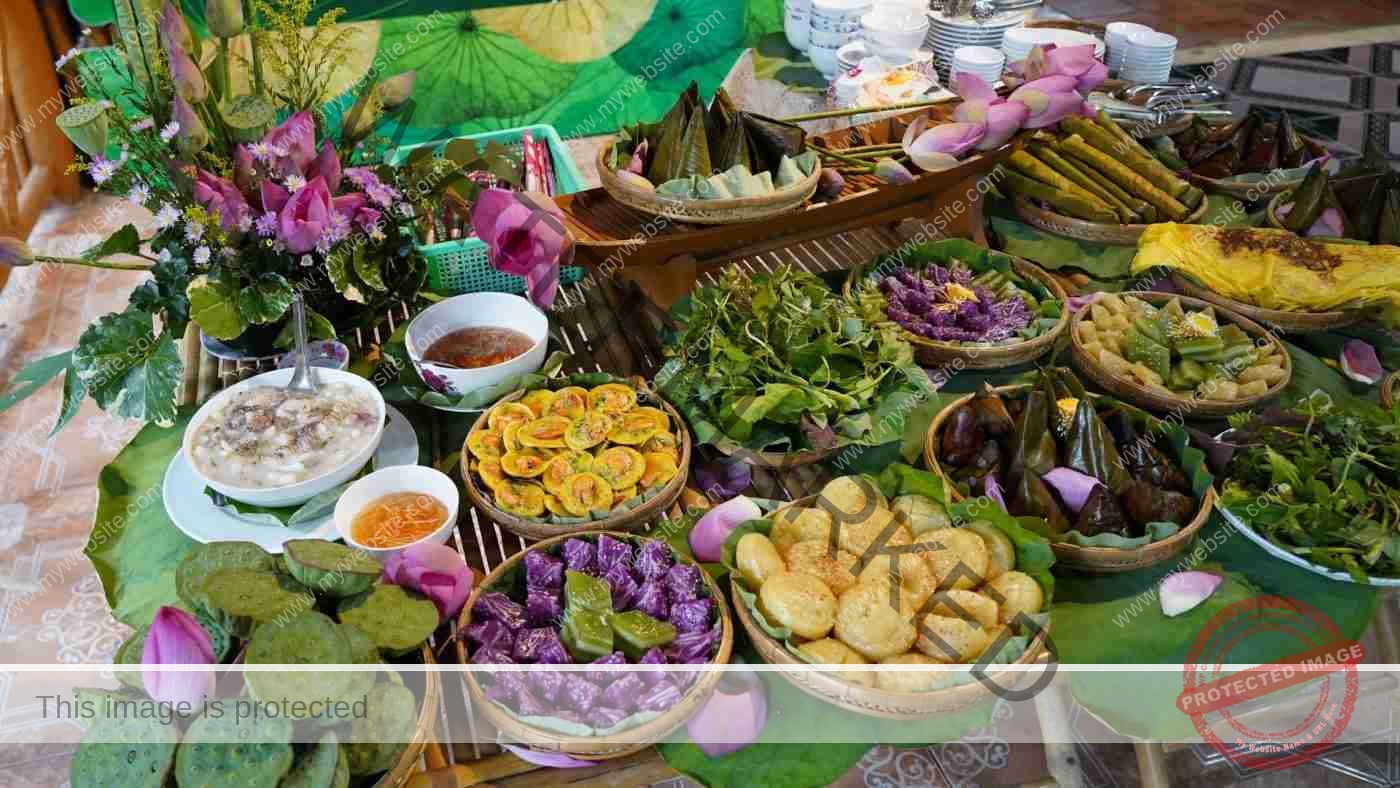
The cuisine of Vietnam’s plains is closely connected to the abundant ingredients sourced from rice fields, orchards, rivers, canals, and coastal waters. Regional differences are reflected in ingredient selection, cooking techniques, food preservation methods, and dining traditions.
For example, bánh xèo, a crispy Vietnamese savory pancake popular in Southern Vietnam, combines rice flour, shrimp, pork, bean sprouts, and fresh herbs. The dish reflects the abundance of local ingredients and the distinctive culinary culture of Vietnam’s riverine regions.
Inspired by these characteristics, team building programs can incorporate activities such as sourcing ingredients at local markets, identifying seasonal agricultural products, allocating a budget for a food basket, preparing dishes as a team, or assembling a meal that reflects the culinary identity of a particular region.
A MasterChef Challenge can be organized as a team cooking competition. All teams receive the same brief, budget, and time limit to select ingredients, develop recipes, prepare dishes, and present their creations. Bánh xèo can serve as the signature dish, allowing participants to experience each step, from mixing the batter and preparing the filling to cooking the pancakes and pairing them with fresh herbs and dipping sauce.
Another variation is a food storytelling challenge. Each team selects a dish, researches its origins, and presents its connections to the local environment, occupations, and community traditions. Judges can evaluate the dishes based on flavor, presentation, creativity, teamwork, and the cultural story conveyed.
Team-Building Benefits: Culinary activities encourage team members to make decisions together, manage resources, divide responsibilities, and collaborate under time pressure. Sharing a meal also creates opportunities for communication, exchange, and emotional connection.
Programs should prioritize seasonal local ingredients, minimize food waste, comply with food hygiene and safety standards, and accommodate participants’ allergies and dietary requirements.

4. Folk Arts – Building Connections Through Rhythm and Emotion
Vietnam’s plains are home to a rich variety of traditional performing arts, including Southern đờn ca tài tử music, regional folk songs, chèo traditional opera in Northern Vietnam, and tuồng classical theatre and hát bả trạo ritual singing and performance in some coastal areas of Central Vietnam. Each art form has its own distinctive musical styles, lyrics, performance movements, and cultural context.
In team building programs, participants can listen to local artists perform, write song lyrics, learn a section of a folk song, coordinate movements to a rhythm, or create performances that combine traditional artistic elements with corporate messages.
Vietnamese water puppetry can be incorporated through challenges that involve designing and operating puppets, coordinating movements according to a script, or staging a short scene inspired by traditional Vietnamese village life. Teams can also use simple musical instruments to create a shared rhythm, with each member contributing a different part while maintaining harmony with the group.
Team-Building Benefits: Artistic activities develop active listening, a sense of shared rhythm, and respect for individual differences. Not every participant needs to have a talent for performing; everyone can contribute to the collective outcome through a role suited to their abilities.
Involving local artists, cultural guides, or local performance groups helps ensure cultural accuracy while giving participants a deeper understanding of the significance and context of each traditional art form.
5. Rural Markets and Trade – Challenges in Negotiation and Resource Management
Rural markets vividly reflect the exchange of goods, consumer habits, and relationships among local communities. They also provide suitable inspiration for designing market simulation games.
Teams can be given a budget and a list of objectives that require them to purchase ingredients, exchange items, negotiate with vendors, or find products that meet specific criteria.
In the Smart Market Challenge, teams plan their purchases within a limited budget and select products that meet requirements for quantity, quality, and local origin. In the Decoding Local Products Challenge, participants search for agricultural produce, regional specialties, or handicrafts by solving clues about their origins, uses, and cultural significance.
The Entrepreneurship with Local Products Challenge requires each team to select a local product, develop a business idea, name the product, create a promotional message, and present the concept to a panel of judges. Meanwhile, the Creative Local Gift Basket Challenge focuses on buying, selling, or exchanging local products to create a themed gift basket within a specified budget and for a designated recipient.
Teams can also take part in a Responsible Business Challenge, considering pricing, quality, packaging, product origins, and the benefits generated for local producers.
Team-Building Benefits: These activities develop communication, negotiation, decision-making, and the ability to balance competing interests. Participants learn that the best outcome does not necessarily come from acquiring the most resources, but also depends on building cooperative relationships and creating value for all parties.
To ensure benefits for the local community, programs should prioritize stalls operated by local residents, establish transparent exchange mechanisms, and avoid disrupting normal market activities.

6. Architecture, Living Spaces, and Indigenous Knowledge – Challenges in Creative Problem-Solving
Beyond landscapes and livelihoods, Vietnam’s plains feature distinctive architectural styles and ways of organizing living spaces. These may include riverside houses, rural bridges, communal waterside landings, home gardens, traditional garden houses, handcrafted structures, and designs adapted to seasonal flooding and local climatic conditions.
These elements can inspire design and problem-solving challenges. In the Team Bridge-Building Challenge, teams use bamboo, wood, or recycled materials to construct a miniature bridge capable of supporting a specified load. In the Adaptive House Challenge, participants design a housing model suited to conditions such as flooding, extreme heat, or heavy rainfall, drawing on principles of local architecture.
The Riverine Transportation Challenge requires teams to build a vehicle or transfer system to move items across a simulated landscape without dropping, wetting, or damaging the cargo. In the Building a Rural Village Challenge, teams assemble a model incorporating houses, bridges, waterside landings, paths, and gardens, ensuring logical connections between residential areas, communal spaces, and production activities.
Challenges can impose constraints on materials, time, load capacity, and cost. Teams must agree on an approach, assign responsibilities, test their structures, and refine their designs to meet the requirements. Organizers can introduce hypothetical scenarios, such as rising water levels, disrupted transport routes, or limited material supplies, to make the activities more realistic.
Team-Building Benefits: These challenges strengthen creative thinking, problem-solving, task allocation, and resource coordination. Designing, testing, and refining models also helps team members develop adaptability, improve solutions, and collaborate effectively as real-world conditions change.

7. Environmental Conservation and Community Responsibility – Creating Value Beyond the Games
Locally inspired team building should aim to deliver more than recreational experiences. Programs can incorporate tasks such as waste sorting, reducing single-use materials, cleaning designated areas, learning about local ecosystems, or supporting community initiatives agreed upon with local stakeholders.
In agricultural areas, participants can work together to develop solutions for reducing water and material waste. In coastal or mangrove areas, teams can tackle habitat protection challenges through simulations, explore the role of ecosystems, or participate in environmental restoration activities under the guidance and with the permission of the relevant management authorities.
Team-Building Benefits: These activities foster a sense of responsibility, cooperation toward shared goals, and awareness of the relationship between businesses and local communities. They also provide a practical way to integrate sustainable development values into the experience through concrete actions rather than limiting them to promotional messages.

8. Exotic Vietnam – Your DMC for Locally Inspired Team Building Programs
With extensive experience in organizing team building, MICE, and cultural experience programs across Vietnam, Exotic Vietnam is a Destination Management Company (DMC) specializing in corporate experiences inspired by the distinctive characteristics of each destination. Our programs combine team development objectives with authentic, hands-on local experiences.
Each of Vietnam’s plains offers unique opportunities for program design. The Red River Delta provides rich inspiration from traditional village culture, handicrafts, and folk arts. The Mekong Delta stands out for its network of rivers and canals, fruit orchards, rural markets, traditional occupations, and culinary heritage. The coastal plains of Central Vietnam offer inspiration from maritime livelihoods, coastal landscapes, craft villages, and traditional performances rooted in community life.
Based on destination assessments and consultations with clients, Exotic Vietnam develops customized programs tailored to each company’s group size, budget, workforce characteristics, and specific objectives. From journeys exploring traditional craft villages to collaborative races across ecological sites, from local cooking challenges to activities in which teams create products together, every experience is designed to engage participants while naturally conveying meaningful corporate messages.
Programs can also integrate CSR (Corporate Social Responsibility), combining team bonding objectives with meaningful contributions to local communities. Activities may include tree planting, restoring green spaces, collecting litter, supporting the preservation of traditional crafts, promoting local products, or collaborating with communities on beneficial initiatives.
Depending on corporate objectives, Exotic Vietnam can incorporate Eco Team Building through nature-based experiences; Green Team Building by minimizing waste and encouraging responsible resource use; Sustainable Team Building through an approach that balances the interests of businesses, communities, and the environment; or CSR Team Building through tangible contributions to society. These elements can be integrated into a single program, with clearly defined objectives and expected outcomes established during the design stage.
Team building in Vietnam’s plains is therefore about more than moving games outside a hotel or resort. It is a way to connect people with landscapes, teams with local knowledge, and corporate activities with destination communities.
When thoughtfully designed, each challenge can become a lesson in collaboration, each experience an opportunity to discover local culture, and each program a means of creating value beyond the hours spent having fun.
Exotic Vietnam – Your DMC for Designing Local Experiences, Connecting Teams, and Creating Sustainable Value.
