


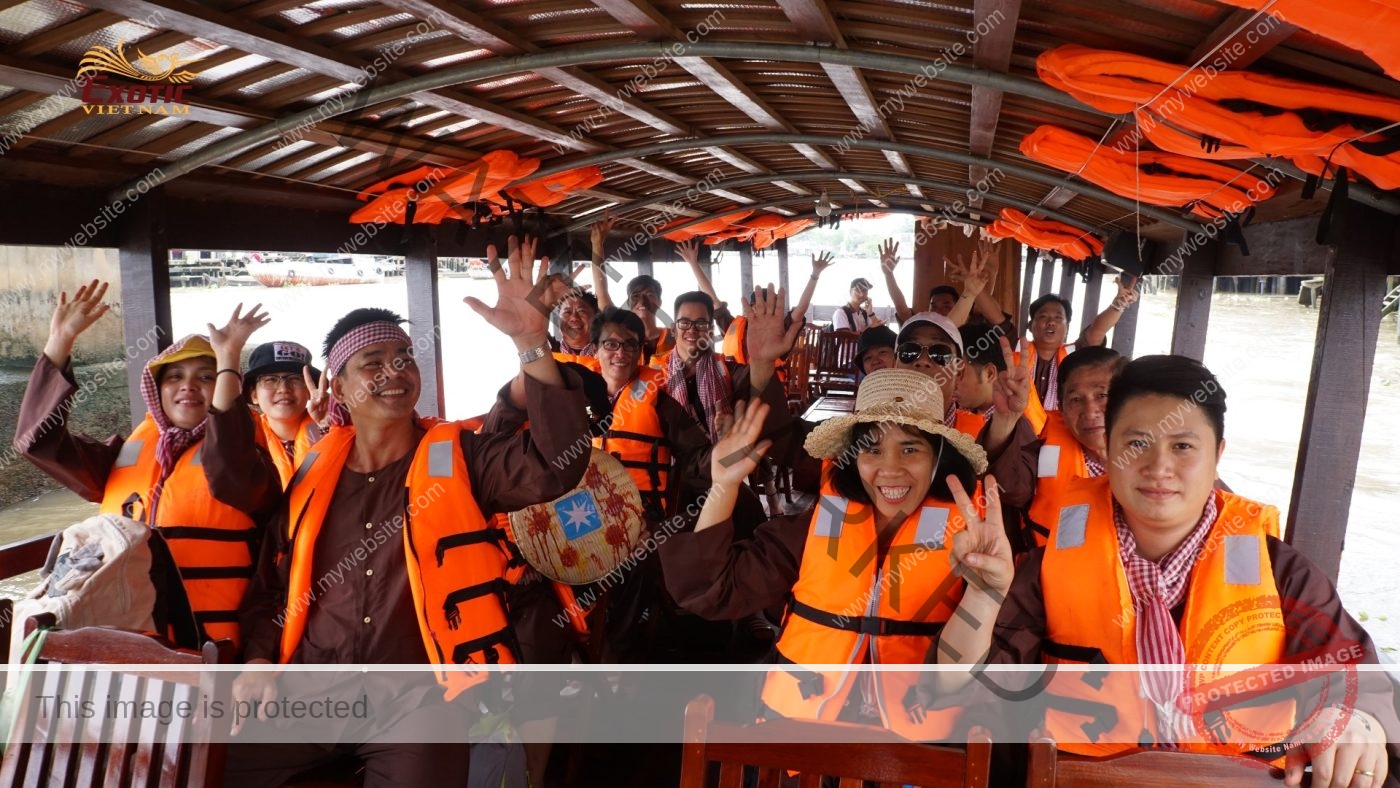
Tired of inflatable games, familiar grass fields, and resort beaches, businesses are increasingly seeking team building experiences that are fresh, authentic, and meaningful. Rather than simply creating an atmosphere of excitement, the emerging trend is to immerse participants in local life, allowing them to explore natural landscapes, experience traditional livelihoods, and discover the cultural heritage of local communities.
Team building across Vietnam’s plains offers a distinctive approach by transforming local landscapes, livelihoods, and cultural heritage into engaging team challenges that strengthen collaboration and create value for local communities. From village paths, rivers and canals, and fruit orchards to traditional craft villages, rural markets, and folk arts, these local assets provide rich inspiration for unique team building experiences that connect corporate objectives with cultural discovery and sustainable tourism development.

Vietnam’s Plains – Cultural Landscapes and Inspiration for Team Building
1. Natural Features and Livelihoods
Covering approximately one-quarter of Vietnam’s territory, the country’s plains include two major delta regions – the Red River Delta and the Mekong Delta – as well as the coastal plains of Central Vietnam. Each region has its own natural characteristics, livelihoods, and cultural identity, shaped over generations by the ways local communities have adapted to, utilized, and lived in harmony with their natural environment.
The distinctive features of these plains extend beyond rice fields, fruit orchards, and winding village paths. They also encompass rivers, canals, estuaries, wetlands, mangrove forests, and coastal sandy stretches. Each landscape has shaped its own way of life, from farming and livestock raising to aquaculture, fishing, traditional crafts, food processing, and trading at rural markets.
2. Indigenous Knowledge and the Cultural Heritage of Production
Over generations, communities across Vietnam’s plains have accumulated a rich body of local knowledge, including understanding tidal patterns, selecting planting seasons, improving soil, managing irrigation, catching aquatic resources, preserving agricultural produce, and crafting products from natural materials. This knowledge serves practical production needs while reflecting the community’s ability to observe, collaborate, and adapt to environmental changes.
Thanks to favorable natural conditions and long-standing production experience, the plains play a vital role in Vietnam’s agricultural and fisheries sectors. Vietnam holds a significant position in global markets for rice, coffee, fruit, and various seafood products. Beyond their economic value, these products are closely connected to stories of growing regions, production methods, traditional crafts, and local culinary culture.
3. OCOP Products – Connecting Local Production with Tourism Experiences
The One Commune One Product (OCOP) program helps promote the distinctive strengths of each locality through marketable products rooted in local knowledge, regional raw materials, and community production capabilities. It also creates opportunities to connect OCOP products with tourism and experiential activities, allowing visitors to discover product stories, learn about production methods, and explore cultural values preserved across generations, rather than simply sightseeing or shopping.
For example, by mid-2026, Ho Chi Minh City had more than 1,000 OCOP products rated three to five stars. This demonstrates the considerable potential for connecting distinctive local products with experiential activities that help visitors engage more deeply with local communities.
4. From Local Heritage to Team Building Concepts
Against this backdrop, team building across Vietnam’s plains can move beyond conventional physical games. Local landscapes, livelihoods, cuisine, traditional crafts, and cultural heritage can all inspire engaging challenges that convey messages about teamwork, collaboration, and adaptability.
The key difference lies in the approach: rather than simply organizing games in a particular location, the games are designed around the unique assets and values of that locality. In this way, team building programs not only create meaningful bonding experiences for businesses but also offer opportunities to discover local culture and community life.
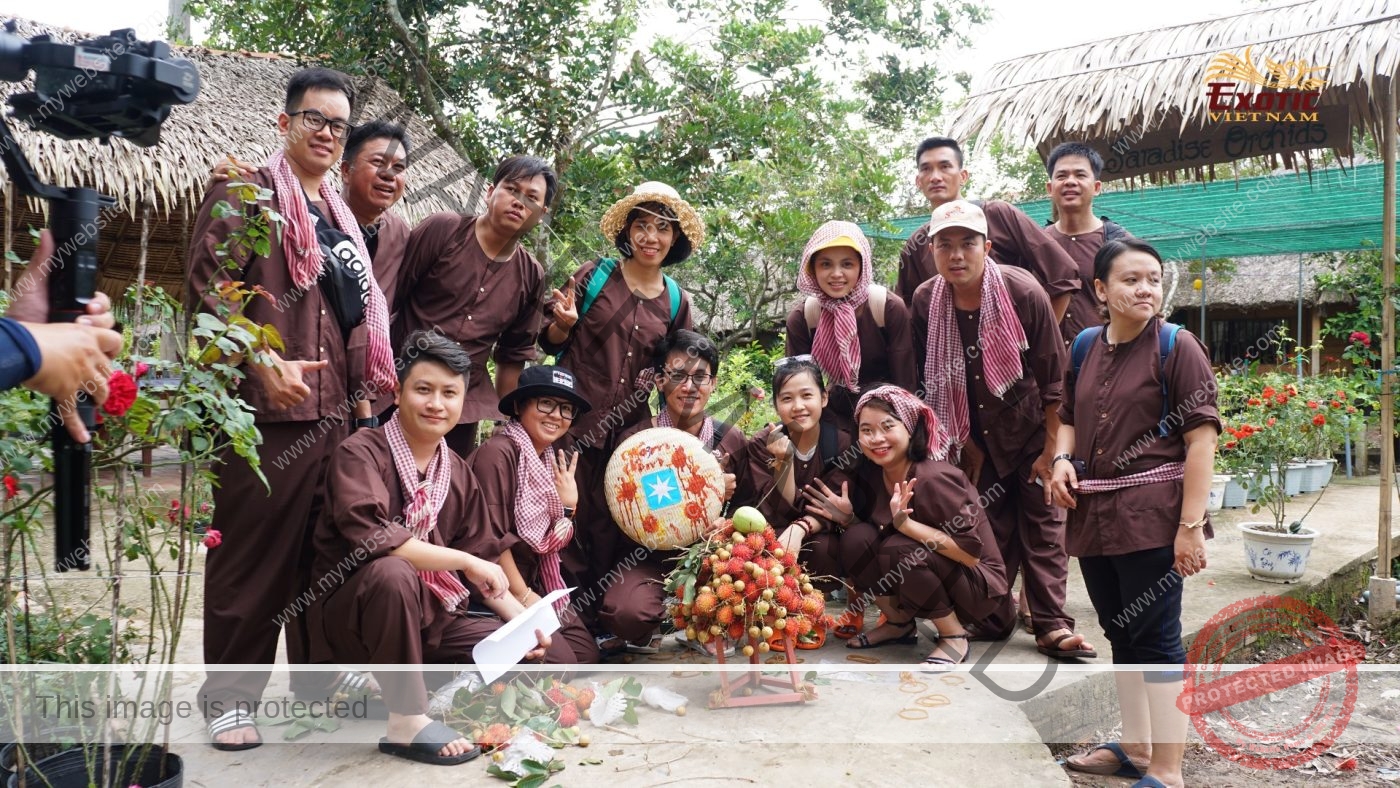
From Local Heritage to a Meaningful Team Building Program
To create a team building program across Vietnam’s plains that is engaging, deeply rooted in local identity, and aligned with corporate objectives, the design process should follow six fundamental principles.
1. Localize Both the Content and the Game Mechanics
Each challenge should be inspired by the destination’s authentic characteristics, such as its natural landscapes, production activities, traditional crafts, cuisine, or community culture. The key is not simply to use traditional props or stage games in a local setting, but to transform these distinctive elements into specific tasks, rules, and ways of working together. This is what distinguishes a game merely held at a destination from one designed around the destination’s own cultural and local values.
2. Align Challenges with Team Development Objectives
Each game should have a clearly defined competency or behavior to develop, such as communication, task allocation, leadership, problem-solving, cross-departmental collaboration, or adaptability to change. Local elements bring freshness and authenticity to the experience, while corporate objectives guide the design of challenges and the evaluation of outcomes. As a result, activities become more than entertainment; they also give participants opportunities to identify lessons they can apply in the workplace.
3. Ensure Authenticity and Community Participation
Local residents, artisans, and production facilities should be consulted or directly involved in developing content, guiding experiences, and providing services. Their participation helps ensure that challenges accurately reflect local occupations and cultural traditions, while creating opportunities for communities to showcase their heritage, generate additional income, and benefit from tourism activities. Local experiences therefore become more than a creative resource for businesses; they also create opportunities for meaningful, two-way connections between participants and host communities.
4. Prioritize Safety and Responsible Use of Local Resources
The scale of the program, participants’ physical capabilities, and the nature of each challenge must be appropriate for the destination’s terrain, weather, and actual conditions. Activities should be preceded by site inspections and risk assessments, with contingency plans in place, particularly when taking place on rivers and canals, in rice fields, along the coast, or in ecologically sensitive areas. At the same time, the use of local landscapes and cultural assets must avoid damaging ecosystems, crops, cultural structures, or local livelihoods. These measures are essential to developing team building programs that support responsible tourism.
5. Build a Cohesive Story Throughout the Program
Rather than assembling a series of disconnected games, the program should be linked by a meaningful theme or journey, with each challenge representing a step toward a shared goal. For example, the theme “From Earth to Brick – From Individuals to One Team” could guide participants through discovering natural materials, experiencing traditional production, and working together to create a shared structure in the final stage. A unifying storyline connects individual activities into a coherent experience while highlighting the relationship between local values and the messages the company wants to communicate.
6. Evaluate Outcomes from Team Performance to Value Created
Program success should not be measured solely by completion time, points scored, or the level of excitement generated. Evaluation criteria should also reflect teamwork, product quality, resource efficiency, problem-solving capabilities, and the lessons teams take away from the experience. For programs involving local communities, the actual benefits to residents and the destination should also be considered, such as opportunities to promote local products, use local services, or support appropriate conservation activities.
Clearly defining intended outcomes and the limits of a program’s impact helps ensure that its results are meaningful and prevents messages about cultural heritage and sustainable development from becoming merely symbolic claims.
By following these six principles, team building across Vietnam’s plains can move beyond conventional group entertainment to become a purposeful experiential journey. Local heritage provides the distinctive character, corporate objectives shape the content, and community participation combined with responsibility toward the destination helps create lasting value for the program.

Exotic Vietnam – Your DMC for Locally Inspired Team Building Experiences
1. Local DMC Expertise and Destination Knowledge
As a Destination Management Company (DMC) based in Vietnam, Exotic Vietnam combines destination expertise, local knowledge, and hands-on operational experience to design and deliver team building, MICE, and cultural experience programs.
Our understanding of Vietnam’s diverse landscapes, traditional livelihoods, craft villages, and community cultures enables us to transform local resources into meaningful corporate experiences. By connecting team development objectives with authentic destination discovery, we create programs that are engaging, relevant, and rooted in the character of each location.
Beyond organizing activities at a destination, we draw on our knowledge of local conditions, relationships with regional suppliers and service providers, and on-the-ground coordination experience to develop programs that reflect the destination’s distinctive identity.
2. Turning Local Heritage into Team Building Experiences
Each destination across Vietnam’s plains offers unique opportunities for locally inspired team building.
- Red River Delta: Village culture, traditional crafts, and folk arts.
- Mekong Delta: Rivers and canals, fruit orchards, rural markets, traditional livelihoods, and culinary heritage.
- Coastal Plains of Central Vietnam: Maritime livelihoods, coastal landscapes, craft villages, and performing arts rooted in community life.
Exotic Vietnam’s local destination knowledge helps identify suitable locations, authentic activities, and practical ways to transform these regional characteristics into engaging team challenges.
From journeys exploring traditional craft villages and team races through ecological sites to local cooking challenges and collaborative product creation, each activity can be designed to develop teamwork, leadership, communication, problem-solving, and collaboration.
3. Customized Programs for Corporate Objectives
Every company has its own goals, workforce characteristics, budget, and expectations. Based on destination assessments and consultations with clients, Exotic Vietnam develops programs tailored to these specific requirements.
Our design approach connects three key elements:
- Local identity: Using the destination’s natural, cultural, and community assets as the foundation for activities.
- Team development: Aligning challenges with the company’s desired competencies, behaviors, and organizational objectives.
- Practical delivery: Coordinating venues, local suppliers, logistics, and on-site operations to ensure a smooth participant experience.
Our aim is not simply to introduce local elements as decoration, but to integrate them into the program concept, game mechanics, logistics, and intended outcomes.
4. Eco, Green, Sustainable, and CSR Team Building
Exotic Vietnam can incorporate environmental responsibility and community engagement into team building programs, depending on each company’s priorities.
- Eco Team Building focuses on nature-based experiences that encourage participants to connect with local landscapes and ecosystems.
- Green Team Building emphasizes environmentally responsible practices, such as reducing waste, minimizing single-use materials, and using resources responsibly.
- Sustainable Team Building takes a broader approach, considering the balance between corporate objectives, community benefits, cultural preservation, and environmental responsibility.
- CSR Team Building (Corporate Social Responsibility) combines team bonding with meaningful contributions to local communities, such as tree planting, environmental clean-ups, preserving traditional crafts and cultural heritage, promoting local products, and supporting community development initiatives.
Drawing on local knowledge and coordination with community stakeholders, Exotic Vietnam can help businesses select appropriate activities that respond to destination conditions and community needs. When thoughtfully designed, these initiatives enable employees to work toward a shared purpose while creating meaningful benefits beyond the company itself. These approaches can be integrated into a single program, with clear objectives, practical arrangements, and intended outcomes established from the design stage.
5. Destination Management from Planning to On-Site Delivery
As a local DMC, Exotic Vietnam brings together destination knowledge, program design, supplier coordination, and on-site operational management to deliver a seamless experience.
Our role includes identifying suitable destinations, working with local service providers, coordinating activities, and ensuring that program content is appropriate for the location and participants. This combination of local insight and operational experience helps businesses enjoy distinctive team building experiences while discovering the cultural and natural assets that make each destination unique.
6. Creating Lasting Value Beyond Team Building
Team building across Vietnam’s plains is about more than moving games beyond hotels and resorts. It is about connecting people with the landscape, teams with local knowledge, and corporate activities with destination communities.
When designed with local insight and a sense of responsibility, each challenge can become a lesson in collaboration, each experience an opportunity to discover local culture, and each program a source of value that extends beyond the hours spent having fun.
