


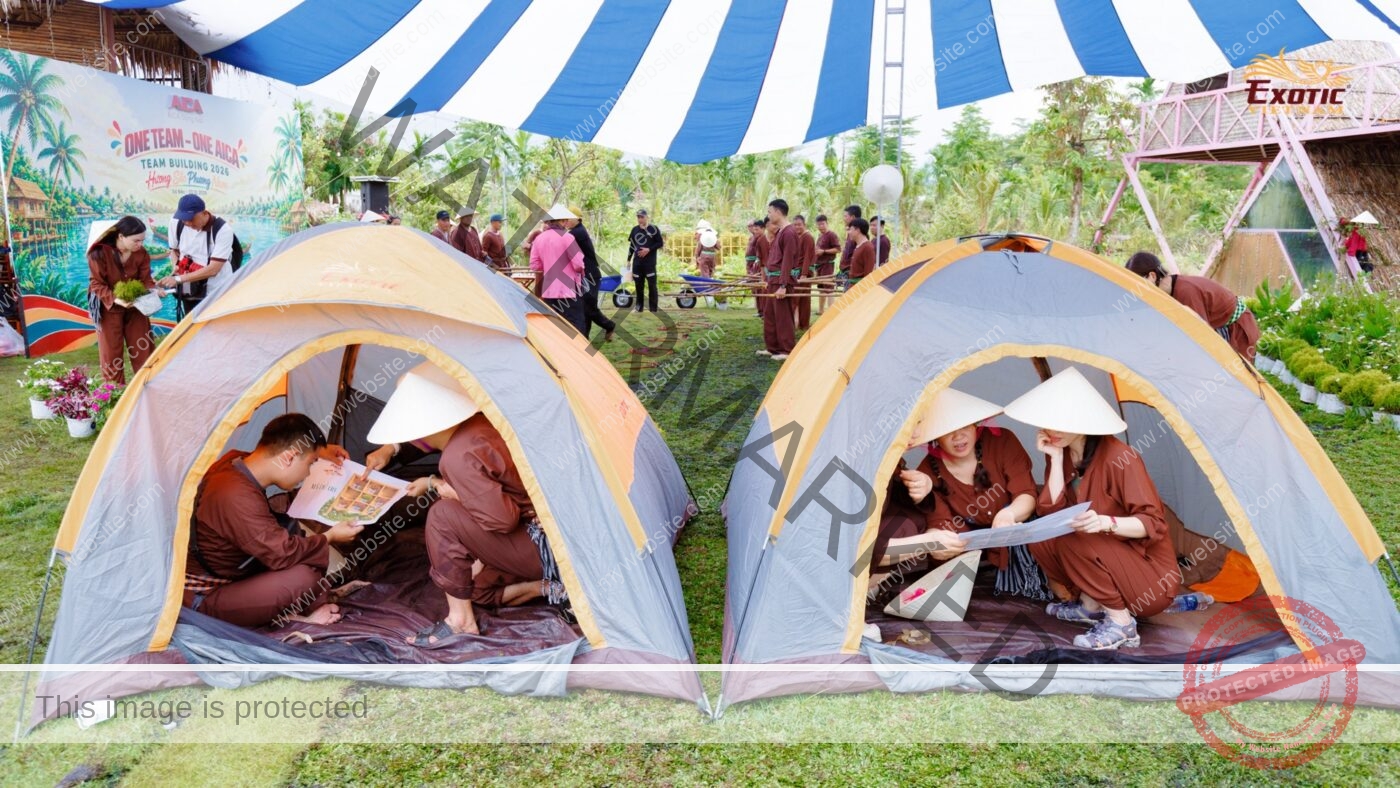
Team Building is no longer simply about organizing fun group activities to create excitement or strengthen relationships among employees. For businesses, its true value lies in improving how people communicate, collaborate, solve problems, and work together towards shared goals. Effective Team Building should therefore go beyond fostering team cohesion to strengthening teamwork and contributing to improved organizational performance.
In Vietnam, as the business environment continues to evolve and more international companies establish or expand their operations, teams increasingly comprise people from different generations, professional backgrounds, levels of experience, and cultural environments. Building connections, fostering mutual understanding, and improving collaboration across diverse teams have consequently become increasingly important to organizational development.
Measuring Team Building effectiveness requires a structured approach that goes beyond participants’ perceptions to examine actual changes in team behaviors and collaboration. This is a key principle underlying Exotic Vietnam’s program design methodology, which integrates experiential activities, team challenges, and training with the measurement of tangible outcomes. By using two assessment tools – TEQ (Team Effectiveness Questionnaire) and TEI (Team Effectiveness Index) – businesses can evaluate core team capabilities, identify barriers to performance, and track team development before and after the program.
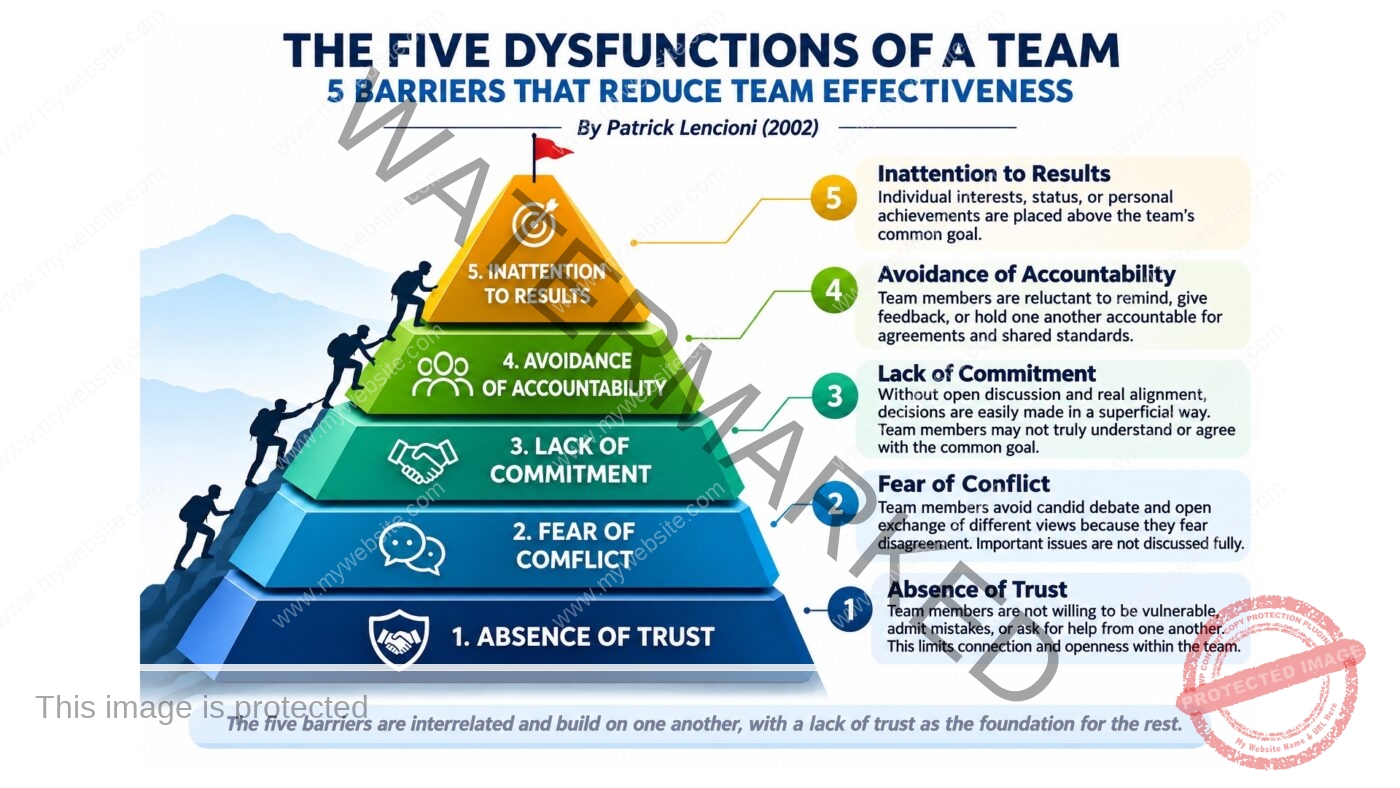
Five Core Dimensions of Team Effectiveness
An effective team is not simply a group of capable individuals. Its strength comes from the ability to connect individual skills and contributions to achieve collective results.
Team effectiveness can be assessed through five key dimensions:
1. Communication
Effective communication involves sharing information clearly, listening actively, and providing constructive feedback. Team members need to understand common objectives, access the information they need, and communicate proactively when issues arise. Good communication reduces misunderstandings, minimizes errors, and supports better coordination.
2. Collaboration
Collaboration is the ability of team members to work together towards shared objectives. Beyond completing individual responsibilities, people need to support colleagues, share resources, and coordinate tasks when necessary. An effective team connects individual strengths to achieve results that would be difficult to accomplish separately.
3. Trust
Trust is the foundation of a strong and sustainable team. Members need to rely on one another, respect differences, and offer support when colleagues face difficulties. When trust is present, people are more willing to share ideas, acknowledge mistakes, accept feedback, and work together to resolve problems.
4. Accountability
Effective teams demonstrate accountability at both individual and collective levels. Each member takes ownership of assigned responsibilities, follows through on commitments, and accepts responsibility for work outcomes. At the same time, everyone understands that the team’s success or failure is a shared responsibility.
5. Problem-Solving
The ability to analyze situations, exchange ideas, make decisions, and adapt to change is essential to team effectiveness. A strong team is not one that never encounters problems, but one that can work together to find solutions, manage disagreements, and overcome challenges.
Together, these five dimensions provide a practical framework for understanding how a team operates, from internal communication to collaboration and the achievement of shared goals.
Understanding the Barriers to Team Effectiveness
Assessing the capabilities a team needs is only part of the picture. Businesses also need to understand why a team may struggle to perform effectively, even when its members have strong professional skills and experience.
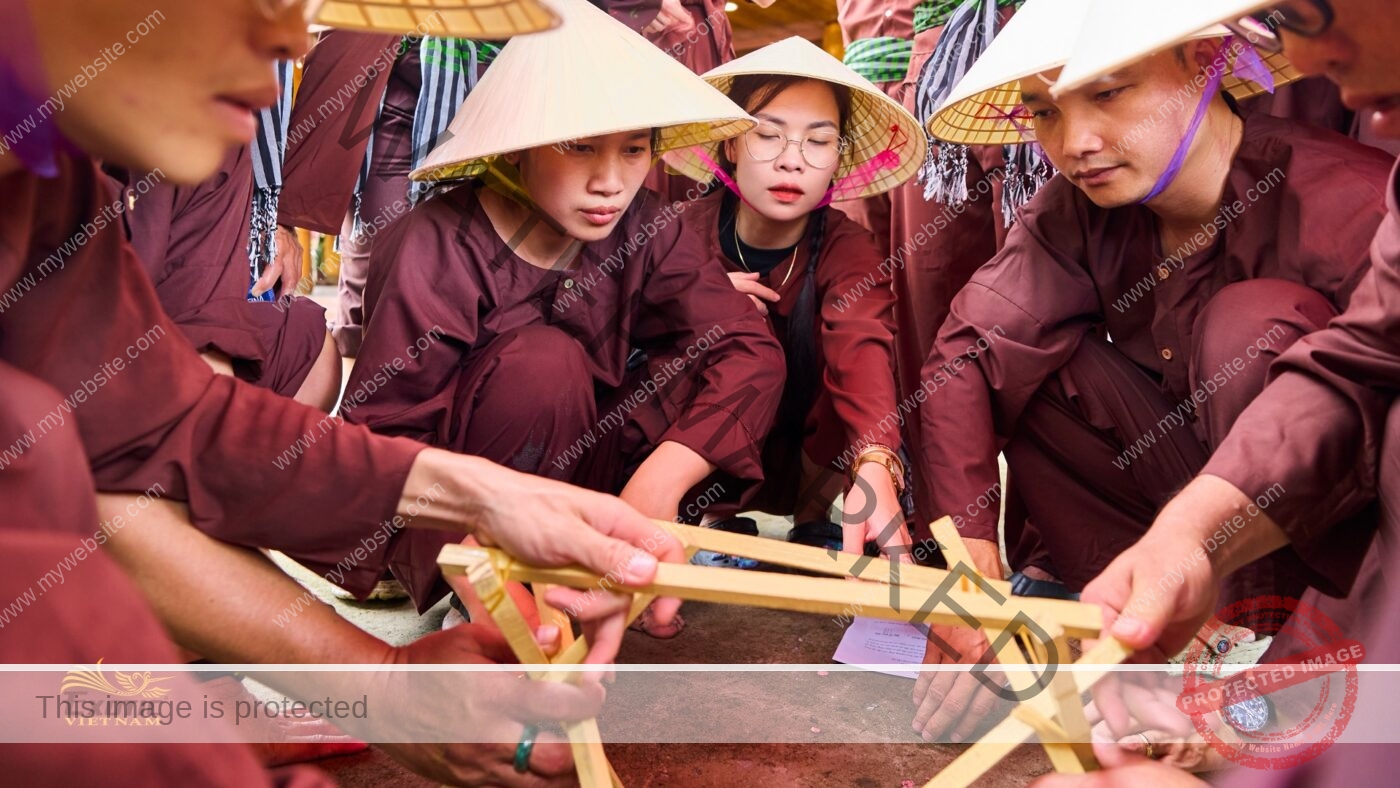
One useful reference is The Five Dysfunctions of a Team, introduced by Patrick Lencioni in his book of the same name, published in 2002. The model identifies five interconnected barriers that can undermine team performance.
1. Absence of Trust
Team members do not fully trust one another. They may be reluctant to show vulnerability, admit mistakes, or ask colleagues for support. As a result, they tend to remain guarded and are less willing to share difficulties openly.
2. Fear of Conflict
Team members avoid expressing opposing views or engaging in honest debate because they fear disagreement or damaging relationships. Important issues and different perspectives may remain unaddressed, preventing the team from finding better solutions. In this model, the focus is on avoiding constructive debate, not on eliminating all forms of conflict.
3. Lack of Commitment
Without open and meaningful discussion, team members may struggle to reach a clear understanding of decisions and shared objectives. They may not fully understand, agree with, or feel committed to carrying out decisions once they have been made.
4. Avoidance of Accountability
When commitment is weak, team members may hesitate to remind colleagues of their responsibilities or address missed commitments and agreed standards. This can weaken individual ownership and collective performance.
5. Inattention to Results
Individuals place personal interests, status, reputation, or achievements above the team’s shared objectives. Instead of prioritizing collective results, they focus more on protecting their own interests and individual success.
These five dysfunctions are interconnected. When trust is lacking, people tend to avoid constructive debate. Without open discussion, commitment to shared decisions becomes weaker. This can then affect accountability and the team’s overall results.
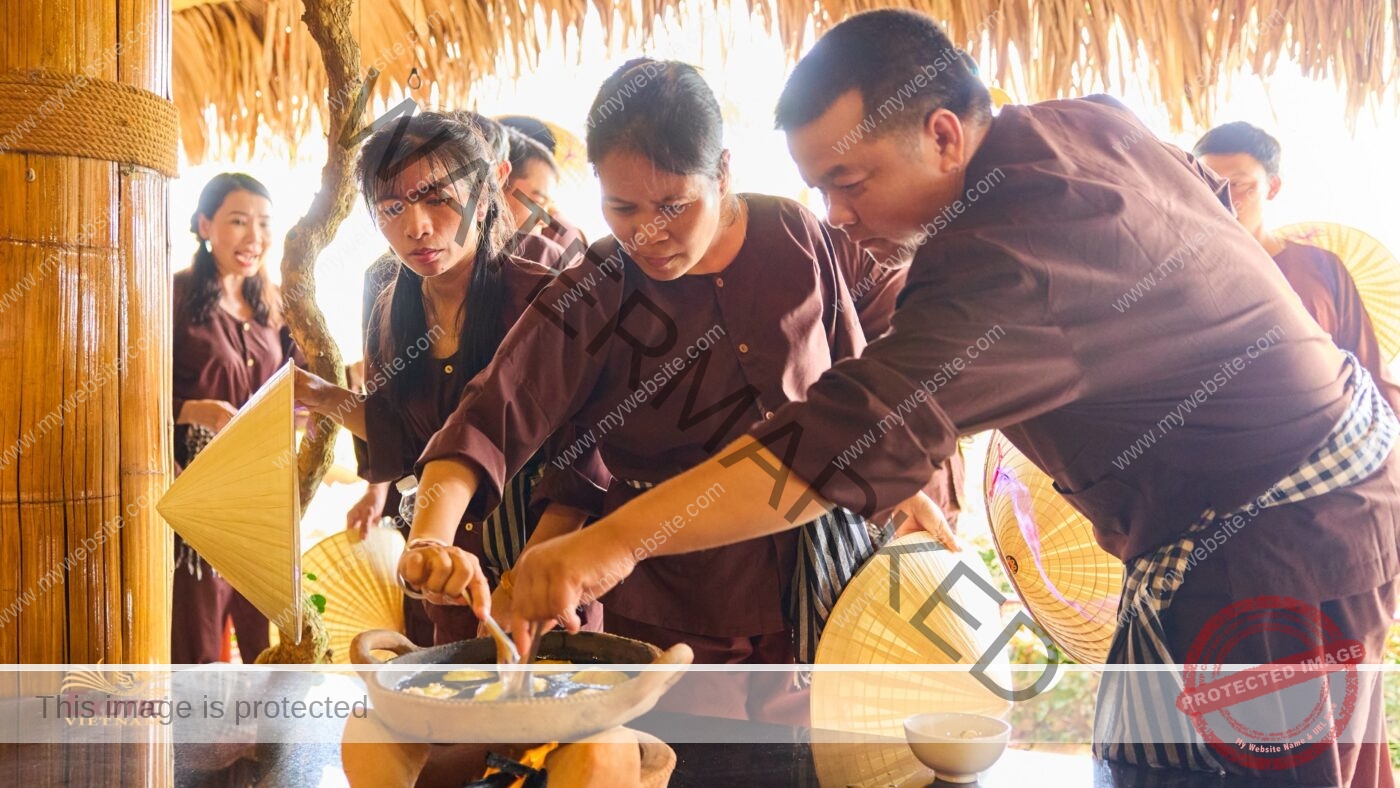
TEQ – Assessing Team Effectiveness Before and After a Program
To evaluate team effectiveness more systematically, businesses can use a TEQ (Team Effectiveness Questionnaire). In this article, TEQ refers to a proposed survey framework for gathering team members’ perceptions of how their team communicates, collaborates, and operates, based on the five core dimensions outlined above.
TEQ can be conducted at two points: before and after a Team Building program.
Before the Program
- Understand the team’s current dynamics and working relationships.
- Identify existing strengths and areas for improvement.
- Establish a baseline for future comparison.
After the Program
- Identify changes in team members’ perceptions and behaviors.
- Determine which dimensions have improved and which challenges remain.
- Define practical follow-up actions to sustain team development.
A five-point Likert scale can be used, ranging from 1 (Strongly Disagree) to 5 (Strongly Agree). For example, a Communication statement could be: “Team members share information clearly and in a timely manner”, while a Collaboration statement could be: “We work effectively together to achieve our common goals.” Each of the five dimensions may include three to five statements, resulting in a questionnaire of approximately 15–25 questions.
For a more balanced assessment, businesses can combine employee self-assessments with manager feedback and observations of actual workplace interactions. For international companies operating in Vietnam, survey questions should also be clearly worded and consistently understood across different language and cultural backgrounds to ensure the quality and comparability of the feedback collected.
TEI – Turning Survey Results into a Team Effectiveness Index
Once TEQ data has been collected, businesses can consolidate and analyze the results to gain a broader understanding of team effectiveness. This is where a TEI (Team Effectiveness Index) can be used as a practical indicator for monitoring changes over time.
While TEQ collects feedback and assesses the team’s current situation, TEI converts the survey results into a composite score that is easier to track and compare across different assessment periods.
TEI can be calculated using the five dimensions: Communication, Collaboration, Trust, Accountability, and Problem-Solving. Each dimension is converted to a score out of 100. If all five dimensions are equally weighted, the formula is:
TEI = (Communication + Collaboration + Trust + Accountability + Problem-Solving) / 5
For example, a company may obtain the following results from its pre- and post-program surveys:
- Communication: Increased from 60 to 80.
- Collaboration: Increased from 65 to 85.
- Trust: Increased from 70 to 82.
- Accountability: Increased from 55 to 78.
- Problem-Solving: Increased from 60 to 85.
Based on these results, the overall TEI increases from 62 to 82, representing a 20-point improvement on a 100-point scale. Comparing individual dimensions also helps businesses identify areas of progress and issues that still require attention. For instance, Accountability has the lowest score in both assessments, suggesting that the team may need to further develop individual ownership, initiative, and responsibility for shared objectives.
It is important to understand that TEI is a composite index developed according to the criteria and scoring methodology defined by each organization. To use it as a quantitative measurement tool, businesses need to establish consistent survey questions, scoring methods, dimension weightings, and data-handling rules. The same assessment methodology should be maintained when comparing results before and after a program.
An increase in TEI does not necessarily mean that the Team Building program directly caused all the changes. Rather, the index provides useful reference data for identifying trends, reviewing progress, and determining future development priorities. Its value lies not only in the overall score but also in helping businesses understand where their teams are performing well, what needs improvement, and which actions should be prioritized to support long-term effectiveness
Designing Team Building Programs Based on Assessment Results
One of the greatest benefits of conducting an assessment before a program is that it helps businesses understand their teams’ actual needs and design activities that address specific development priorities.
Instead of choosing games based only on entertainment value or excitement, each challenge should have a clear purpose and connect to one or more dimensions of team effectiveness.
For example:
- Communication: Design challenges that require clear information sharing, active listening, and accurate communication.
- Collaboration: Organize activities that involve task allocation, resource coordination, and mutual support.
- Trust: Create challenges that require team members to rely on one another, share information, and work with mutual confidence.
- Accountability: Assign clear roles and responsibilities, encouraging individual ownership while maintaining collective responsibility for the outcome.
- Problem-Solving: Introduce challenges that involve critical thinking, decision-making, handling unexpected situations, and adapting to change.
For teams experiencing low trust, avoidance of constructive debate, or weak commitment, activities should create a supportive environment where participants feel comfortable sharing opinions, exchanging ideas, and practicing positive team behaviors.
After each challenge, a short debrief helps participants reflect on how they worked together, identify areas for improvement, and connect their experience to real workplace situations.
Team Building should be seen as an opportunity for teams to recognize challenges, experience new ways of working, and begin a process of change. A single activity or one-day event cannot resolve long-standing organizational issues on its own. Sustainable improvements require the lessons learned during the program to be reinforced through everyday work practices and ongoing management support.

A Five-Step Process for Effective Team Building
To create lasting value, team assessment should not take place only after a program has finished. Instead, it should be integrated throughout the process, from understanding team dynamics and setting objectives to designing experiences, evaluating outcomes, and identifying follow-up actions.
Businesses can follow five practical steps:
Step 1 – Assess: Understand the Team’s Current Situation
Before the program, conduct a TEQ survey based on the five dimensions: Communication, Collaboration, Trust, Accountability, and Problem-Solving. The results help identify strengths, weaknesses, and priority areas for improvement. A TEI score can also be established as the baseline for comparison.
Step 2 – Understand: Analyze the Challenges
Review the assessment results to understand the issues affecting team effectiveness. Patrick Lencioni’s Five Dysfunctions of a Team can serve as a reference framework for identifying barriers and defining relevant development objectives.
Step 3 – Develop: Design and Experience
Based on the assessment, design a Team Building program with clear development objectives. Activities should give participants opportunities to practice communication, collaboration, trust-building, accountability, and problem-solving.
In Vietnam, businesses can also incorporate local culture, destinations, and authentic experiences to create a program that is both meaningful and distinctive.
Step 4 – Measure: Evaluate the Results
After the program, conduct the TEQ survey again using the same questions and assessment methodology. Consolidate the results into a TEI score and compare them with the baseline. Participant feedback and manager observations can provide additional perspectives on the changes taking place within the team.
Step 5 – Improve: Sustain and Develop
The lessons from Team Building should be translated into practical workplace actions. These may include improving information sharing, strengthening cross-functional collaboration, increasing accountability, and encouraging a more open feedback culture.
After an appropriate period, businesses can conduct another assessment to monitor progress and identify future development priorities.
With this approach, Team Building becomes more than a standalone event. It becomes part of an ongoing team development process: understanding the current situation, identifying challenges, creating opportunities for practice, evaluating progress, and continuously improving.
Exotic Vietnam – Your Team Building Partner in Vietnam
With experience in organizing Team Building and MICE programs in Vietnam since 2013, Exotic Vietnam works with businesses to design and deliver engaging experiences that support team development and organizational objectives.
We understand that every organization has its own people, workplace culture, operational context, and development priorities. That is why our approach begins with understanding the client’s objectives, team profile, group size, and desired outcomes rather than applying the same activities to every group.
Exotic Vietnam designs Team Building programs that combine experiential activities, team challenges, and local cultural discovery. From activities at hotels and resorts to Amazing Race programs, Eco Team Building, and destination-based experiences across Vietnam, each program is tailored to the client’s objectives, schedule, and group characteristics.
For international businesses, choosing a local partner who understands Vietnam’s destinations, culture, suppliers, and operational conditions is an important part of delivering a successful program. Exotic Vietnam combines local destination knowledge with objective-driven program design to help international clients create meaningful experiences for their teams in Vietnam.
For Exotic Vietnam, a successful Team Building program is not measured only by the memorable moments it creates, but also by the positive changes in how people communicate, collaborate, and work towards shared goals. Exotic Vietnam – Creating Experiences, Connecting People, Building Better Teams.
Contact us: https://exotic.vn
