


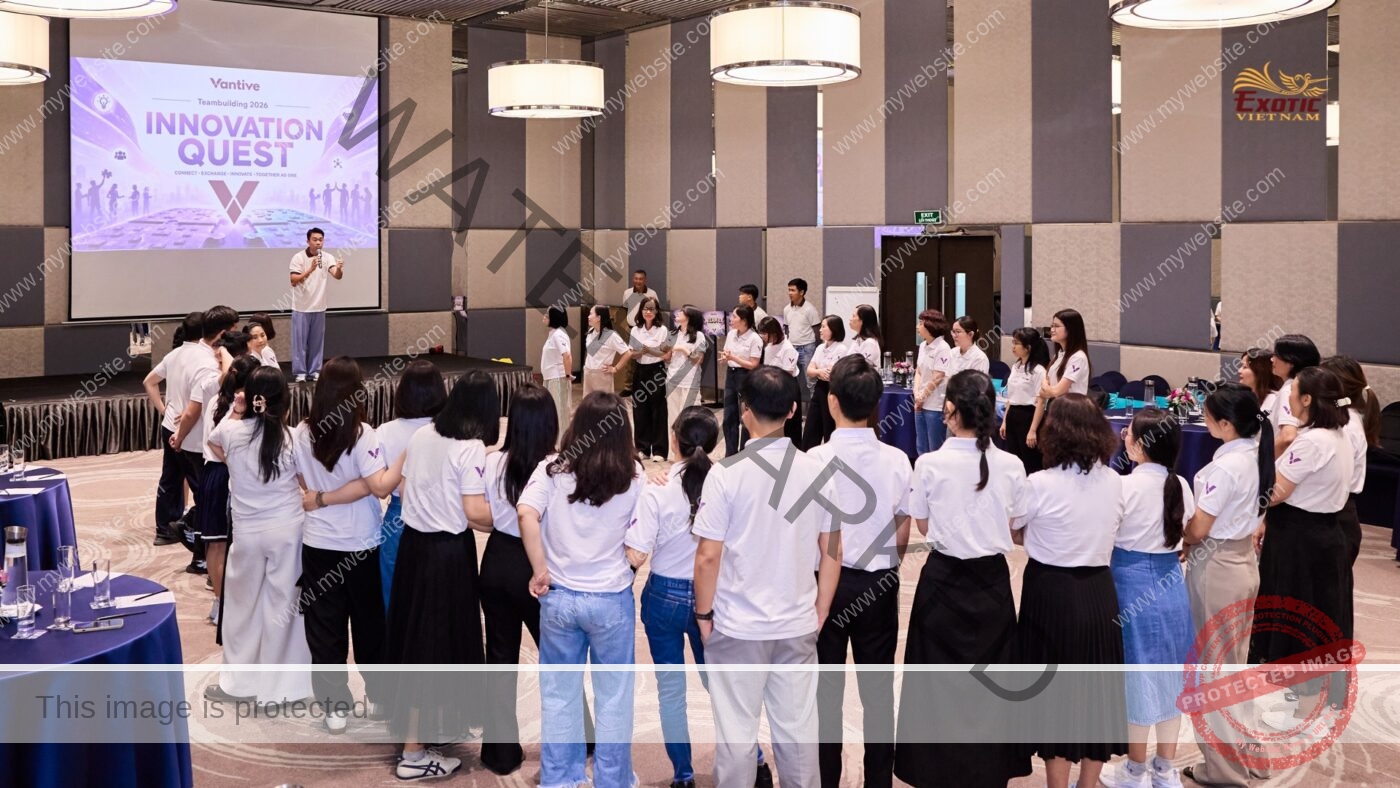
Managing a MICE group in Vietnam is more than booking hotels, coaches, restaurants, and event venues. The real challenge begins when the program is underway – flight delays, traffic congestion, airport crowds, hotel readiness, changing guest numbers, weather, venue issues, and last-minute requests can quickly affect the entire itinerary.
For a professional DMC, successful MICE operations are about anticipating real-world challenges, connecting every stakeholder, preparing contingency plans, and keeping the program moving smoothly when conditions change.
The six steps below are drawn from Exotic Vietnam’s hands-on experience in planning and operating MICE programs in Vietnam. They reflect lessons learned from working directly on the ground with clients, hotels, transportation teams, venues, suppliers, guides, and large groups – where plans often need to be adjusted in real time.
From airport arrival and transportation to hotel check-in, daily activities, events, and departure, every part of the journey needs to work as one integrated operating flow.
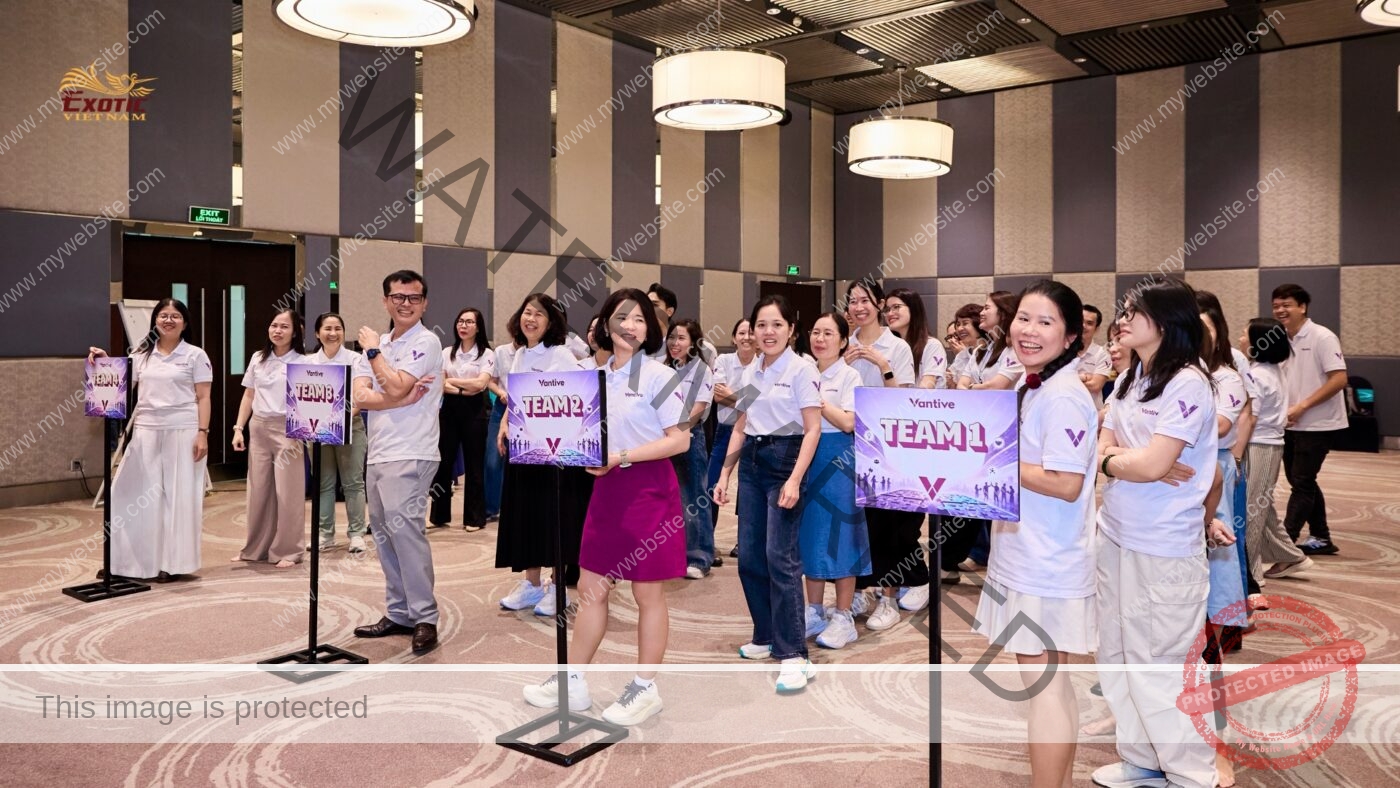
Step 1: Arrival Waves & Airport Handling
For MICE groups, flights should be organized into arrival waves so the DMC can coordinate airport staff, tour guides, luggage handling, and coaches efficiently. Instead of managing each flight independently, the operation team creates a structured arrival plan based on the timing and size of each group.
Before arrival, the team reviews the flight manifest, scheduled and actual arrival times, passenger numbers, terminals, and estimated immigration and baggage collection times. Each arrival wave is then assigned the appropriate welcome team, guides, coaches, luggage handling, and meeting point.
The DMC coordinates Welcome Team & Tour Guides to meet and assist guests, Luggage Handling to collect and tag luggage by group, and Coach Allocation to assign vehicles, drivers, and guides with clear group signage. A designated Meeting Point is established with staff holding group signs, while the operation team continuously monitors flight status and guest arrivals. Contingency arrangements are also prepared to adjust vehicles and staffing when flights are delayed or guests leave the airport at different times.
Common Challenges
Typical issues include flight delays while coaches and guides are already waiting, several flights arriving within a short period and creating congestion at the arrival area or coach parking zone, and guests taking longer than expected to complete immigration or collect luggage.
Other challenges may include luggage arriving at different times, delayed or missing luggage, guests missing the welcome sign or meeting point, last-minute flight changes that are not reflected in the flight manifest, and VIPs or small groups arriving significantly earlier than the main group.
Operational Approach
Airport handling is not simply about meeting guests at the arrival hall. It requires the DMC to track each flight, arrival wave, group, coach, luggage status, and guest movement in real time. The objective is to move guests smoothly from arrival to meeting point to coach, while minimizing waiting time and preventing one delayed flight from disrupting the rest of the program.
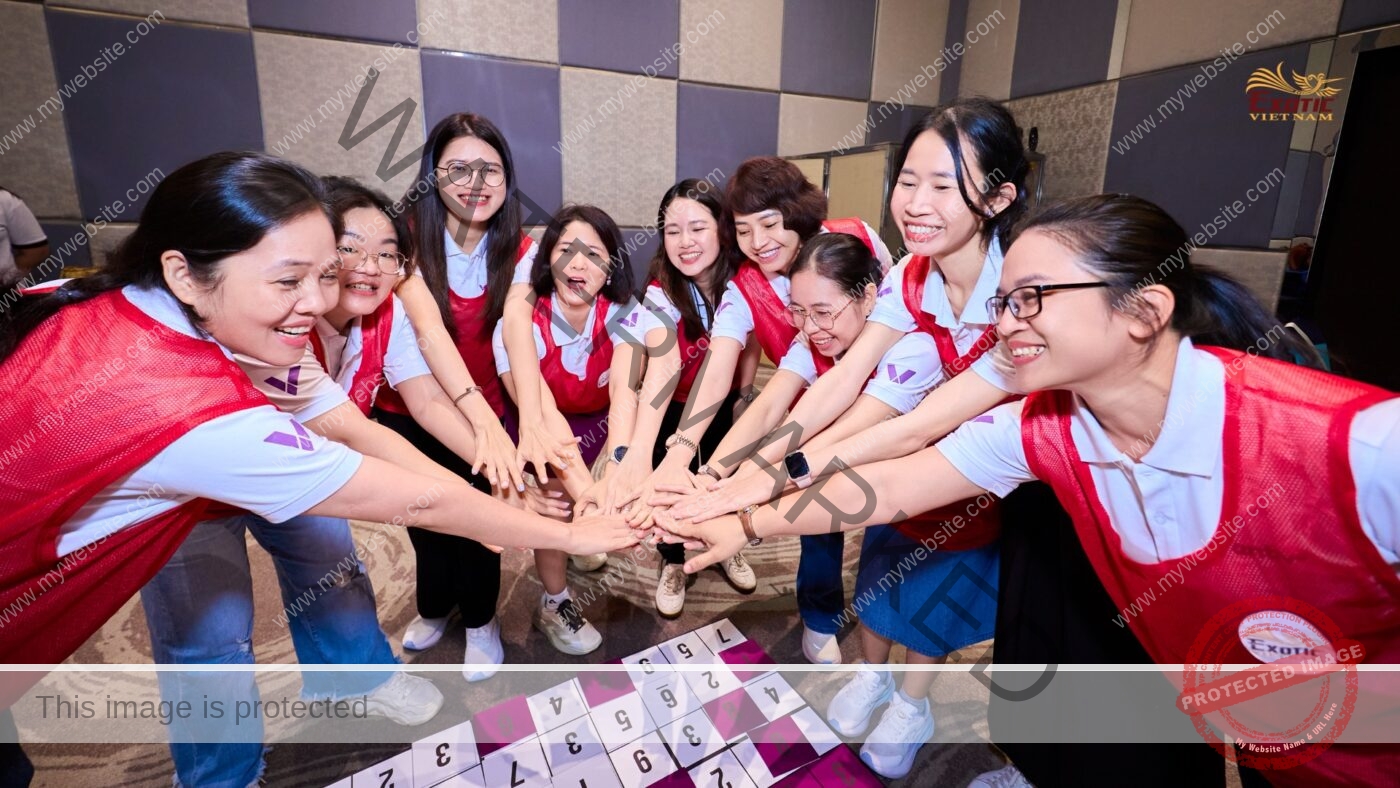
Step 2: Transfer & Hotel Check-in Control
Transportation and hotel check-in should be managed as one connected operating sequence, linking flight arrival, coach dispatch, traffic conditions, hotel readiness, luggage handling, and guest check-in. The objective is to move guests smoothly from the airport to the hotel and through check-in without unnecessary waiting or congestion.
Before arrival, the DMC reviews the flight manifest, scheduled and actual arrival times, group size, luggage volume, traffic conditions, travel time, and hotel readiness to establish the transfer plan. Coach allocation and dispatch are organized by arrival wave, with sufficient buffer time for traffic, flight delays, guest gathering, and unexpected situations.
The DMC coordinates Flight Timing to adjust vehicle dispatch, Coach Allocation according to group size and itinerary, and Traffic & Route based on actual travel conditions. Hotel Readiness is confirmed before the group leaves the airport, while Coach Dispatch is timed to avoid long waiting periods and congestion. Communication keeps the operation team, guides, drivers, hotel, and client updated throughout the transfer, with Contingency Planning prepared for vehicle, route, timing, or operational changes.
The hotel operation is prepared in advance through Rooming List and Room Allocation, ensuring guest names, room types, occupancy, and special requests are confirmed. Passport & Registration Information is coordinated with the hotel before arrival. A clear Rooming Plan can be prepared for large groups, while Key Preparation ensures room keys are organized and ready for quick distribution. Luggage Delivery is coordinated from coach to room, and the hotel can prepare a Welcome Drink, Welcome Gift, Dedicated Check-in Desk, and appropriate signage to improve the arrival experience.
Common Challenges
Typical issues include coaches arriving before rooms are ready, multiple coaches reaching the hotel at the same time, and traffic in Ho Chi Minh City, Hanoi, or other destinations causing significant delays.
Other challenges may include drivers having difficulty identifying the correct group or drop-off point, guests boarding the wrong coach, luggage being loaded onto the wrong vehicle, last-minute rooming list changes, twin and double room adjustments, VIP or connecting rooms not being ready, incomplete passport information, and long waits for room keys.
Welcome drinks, gifts, signage, or the dedicated check-in area may also not be fully prepared when the group arrives, creating unnecessary congestion and reducing the quality of the arrival experience.
Operational Approach
Transfer and check-in should be planned as one continuous operating flow, not as separate transportation and hotel tasks. By coordinating each arrival wave, coach, luggage movement, room allocation, and guest check-in in advance, the DMC can minimize waiting time, reduce lobby congestion, and create a smoother transition from airport arrival to hotel room.

Step 3: Group & Daily Operations
Large MICE groups should be divided into manageable sub-groups so guests can move efficiently through meals, sightseeing, team building, shopping, leisure time, and events. Each group should have a clearly assigned guide, vehicle, meeting point, and operating schedule, while remaining synchronized with the overall master timeline.
Before each operating day, the DMC reviews the daily itinerary, guest numbers, meal arrangements, activity schedules, transportation, venue readiness, guide briefings, and buffer time. The sequence is adjusted according to actual conditions so that one delayed activity does not unnecessarily affect the rest of the program.
The DMC coordinates Group Allocation by assigning guests to manageable groups, Guide & Vehicle Assignment to ensure each group has dedicated support, and Meeting Points to control guest movement. Daily Timing connects meals, sightseeing, activities, rest periods, and events, while Restaurant & Venue Readiness is checked before the group arrives. Guest Counting and Communication are maintained throughout the day, with Buffer Time built into key transitions.
Common Challenges
Typical issues include one group starting late and causing delays throughout the rest of the program, guests missing the meeting point, or individuals separating from their assigned group.
Other challenges may include restaurants not being ready when a large group arrives, buffet or meal service becoming slow because too many guests arrive simultaneously, sightseeing locations being unexpectedly crowded, activities taking longer than planned, or team building finishing late and affecting the gala dinner schedule.
Guests may also become tired and require additional rest time, while large groups moving together can create congestion at attractions, restaurants, or venues.
Operational Approach
Daily operations should be designed around manageable operating waves, realistic buffer time, and flexible sequencing. Each group should be able to move independently while remaining synchronized with the overall program. The objective is to maintain the planned experience while allowing the DMC to adjust timing, guest flow, transportation, and activities when real-world conditions change.
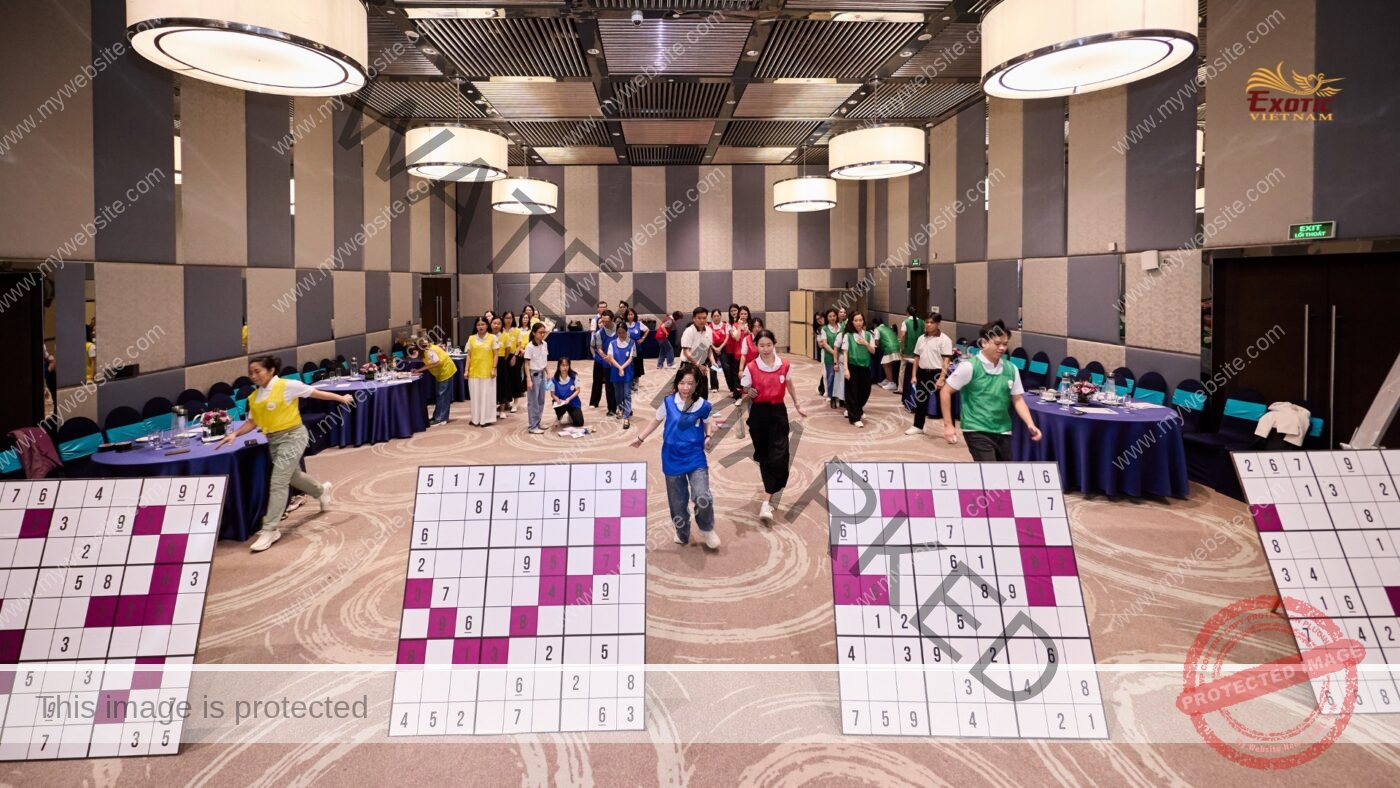
Step 4: On-site Coordination & Communication
A large MICE group requires a dedicated on-site operation team to act as the central coordination point between the client, DMC, hotel, restaurant, venue, transportation team, guides, and suppliers. The team monitors the program in real time and ensures that guest status, timing, transportation, F&B, venue readiness, activities, staffing, and last-minute changes are continuously updated and communicated to the right people.
Before and during the program, the DMC establishes a clear communication flow and assigns responsibilities to each key person. The operation team checks that guides, drivers, hotel teams, suppliers, and the client are working from the same latest information, while monitoring the overall timeline and responding quickly when changes occur.
Common Challenges
Typical issues include clients changing requirements during the program, suppliers receiving information that differs from the latest DMC instruction, or guides and drivers not receiving schedule changes in time.
Other challenges may include hotels changing room or venue arrangements, restaurants adjusting service times, multiple people giving instructions simultaneously, or the client communicating directly with suppliers without informing the operation team. These gaps can lead to conflicting instructions, duplicated work, missed changes, or delays.
Operational Approach
The DMC should establish one clear communication chain and defined decision-making authority. Key changes should be confirmed by the operation team and communicated quickly to everyone affected. This ensures that the client, guides, drivers, hotels, venues, and suppliers are working from the same information and that operational decisions can be made quickly when conditions change.
Step 5: Event Flow & Contingency Management
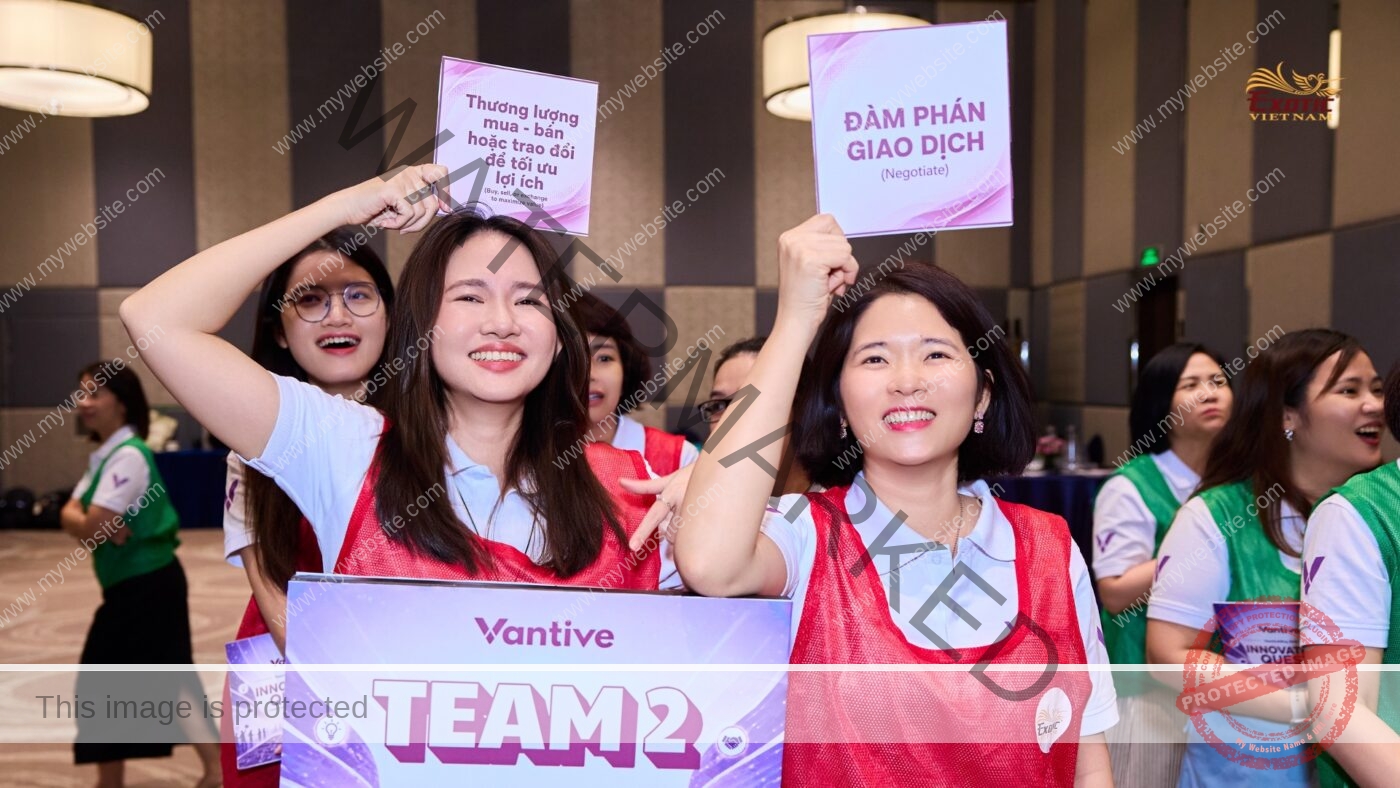
For conferences, gala dinners, team building, and incentive programs, every element should follow one master timeline. The DMC coordinates guest arrival, registration, seating, F&B, technical setup, stage management, activities, and transportation to ensure the program runs smoothly from start to finish.
Before the event, the operation team reviews venue readiness, technical requirements, guest flow, F&B timing, program sequence, transportation, and contingency arrangements. During the event, the team monitors the timeline and works closely with the venue, production team, MC, performers, F&B, guides, drivers, and other suppliers to keep each part of the program synchronized.
Key controls include Guest Arrival & Registration, Venue & Technical Setup, F&B Service, Stage & Program Flow, Guest Movement, and Transportation. Each critical element is checked before guests arrive, while suppliers are briefed on their responsibilities and timing.
Common Challenges
Typical issues include the venue not completing setup before guests arrive, technical problems with sound, lighting, LED screens, or presentation equipment, and activities taking longer than planned.
Other challenges may include guests returning late from team building and delaying a gala dinner, rain affecting an outdoor program, actual guest numbers differing from the original plan, or equipment and props arriving late.
An outdoor activity or gala may also need to be moved indoors at short notice, requiring changes to venue layout, technical setup, F&B, guest flow, and program timing.
Operational Approach
A Plan B should be prepared in advance, covering more than weather-related risks. The DMC should prepare practical alternatives for transportation, venue, technical production, F&B, guest flow, staffing, and activities.
When an unexpected issue occurs, the operation team can quickly activate the appropriate contingency plan, adjust the timeline, and coordinate the affected suppliers. The objective is to keep the event moving smoothly with minimal disruption to the guest experience.
Step 6: Departure Management
Departure should be prepared well in advance, ideally from the evening before, particularly when guests are traveling on different flights. The DMC reviews flight schedules, guest lists, luggage arrangements, coach allocation, hotel check-out procedures, and airport transfer times to build a clear departure plan for each group.
The DMC coordinates Luggage Collection by group and room, Check-out with the hotel, Coach Allocation according to flight waves, Guest Counting before each coach departs, Airport Transfer with sufficient buffer time, Flight Check for schedule changes, and Final Communication between the operation team, guides, drivers, hotel, and client.
Common Challenges
Typical issues include guests not being ready when the coach arrives, luggage not being fully collected, personal belongings left in rooms, or delays caused by minibar and other personal charges during check-out. Coaches may also arrive in the wrong sequence, while traffic can affect airport transfer times.
Additional challenges may include guests boarding the wrong coach, missing guests at departure, last-minute flight changes, groups with different departure times following the same general schedule, or luggage being loaded onto the wrong coach because of missing or incorrect luggage tags.
Operational Approach
Departure should be managed by flight wave, with separate checklists covering guests, luggage, coaches, and flights. The operation team should confirm that every guest is accounted for, every piece of luggage is assigned correctly, every coach is ready, and each group is traveling according to its flight schedule.
The final objective is simple: the right guests, the right luggage, the right coach, and the right flight, at the right time.
