


Planning a corporate trip in Vietnam is very different from booking a holiday. A corporate program may involve flights, airport handling, transportation, hotels, restaurants, meeting venues, team building, excursions and corporate events. Each element needs to be carefully planned and coordinated as one integrated program.
For international companies, event agencies and incentive houses, managing these arrangements remotely can be challenging. Different supplier practices, long travel times, traffic, weather, flight delays and last-minute changes can quickly affect the schedule. Local knowledge and experienced on-the-ground coordination are therefore essential.
This is where a Destination Management Company (DMC) becomes an important local partner. The right DMC connects suppliers, services and experiences into one seamless corporate program while providing destination expertise, operational control and contingency support. Choosing a DMC with the right experience, local network and operational capabilities can make a significant difference to the success of a corporate program in Vietnam.

Why Choosing the Right DMC Matters for Corporate Groups
A successful corporate program depends on much more than having an attractive itinerary. It requires careful coordination before the group arrives and continuous management throughout the program. One of the main advantages of working with a DMC is having a single point of coordination for hotels, transportation, restaurants, event suppliers, activity providers and local guides. By bringing these different services together, a DMC helps reduce communication gaps and ensures that every element of the program works as part of a coordinated whole.
Local knowledge is another major advantage. A professional Vietnam DMC understands the destination beyond what is available in a travel guide, including traffic conditions, realistic travel times, local weather patterns, seasonality, venue capacity, local customs, supplier quality and operational considerations. This is particularly important in Vietnam’s tropical monsoon climate, where rainfall can be concentrated within relatively short periods, with sudden heavy showers, thunderstorms and even tropical storms affecting transportation, outdoor activities and event schedules. An experienced local operator understands how weather conditions vary by destination and season, allowing the DMC to build realistic schedules, prepare contingency plans and adjust activities when necessary.
Operational control becomes increasingly important as group size grows. A program for 20 participants has very different requirements from one for 200 or 500 guests, where multiple coaches, staggered arrivals, rooming lists, coordinated hotel check-ins, group meals, activity rotations and dedicated on-site staff may all be required. An experienced DMC can manage these moving parts through a clear master operating timeline while preparing contingency solutions for flight delays, adverse weather, traffic congestion, hotel check-in issues and last-minute changes.
Ultimately, the role of a DMC goes beyond logistics to create a better participant experience. Guests should not have to see the operational complexity behind a corporate trip; they should experience a journey that feels organized, comfortable and engaging. By combining local expertise, operational control and proactive problem-solving, the right DMC works behind the scenes to ensure that the entire corporate program runs smoothly from arrival to departure.
10 Things to Check Before Choosing a DMC in Vietnam
Choosing a DMC should involve more than comparing quotations. Before selecting a partner, companies should evaluate the DMC’s experience, capabilities, local network, communication and approach to operations.
The right DMC should be able to demonstrate not only destination knowledge but also the operational capability to manage a corporate program from arrival to departure. The following ten factors can help companies make a more informed decision.
1. Experience with Corporate Groups
Years of experience are important, but relevant corporate experience is even more valuable. A DMC that regularly manages international corporate groups is more likely to understand the expectations of business travelers, event planners and multinational companies, as well as the higher level of coordination required for corporate programs.
Companies should look for experience with groups of a similar size, nationality, industry and level of complexity. A 30-person leadership retreat has very different operational requirements from a 500-person incentive trip, so previous experience that closely matches the profile of the planned program can give clients greater confidence in the DMC’s ability to anticipate challenges and deliver consistently.
2. MICE and Corporate Expertise
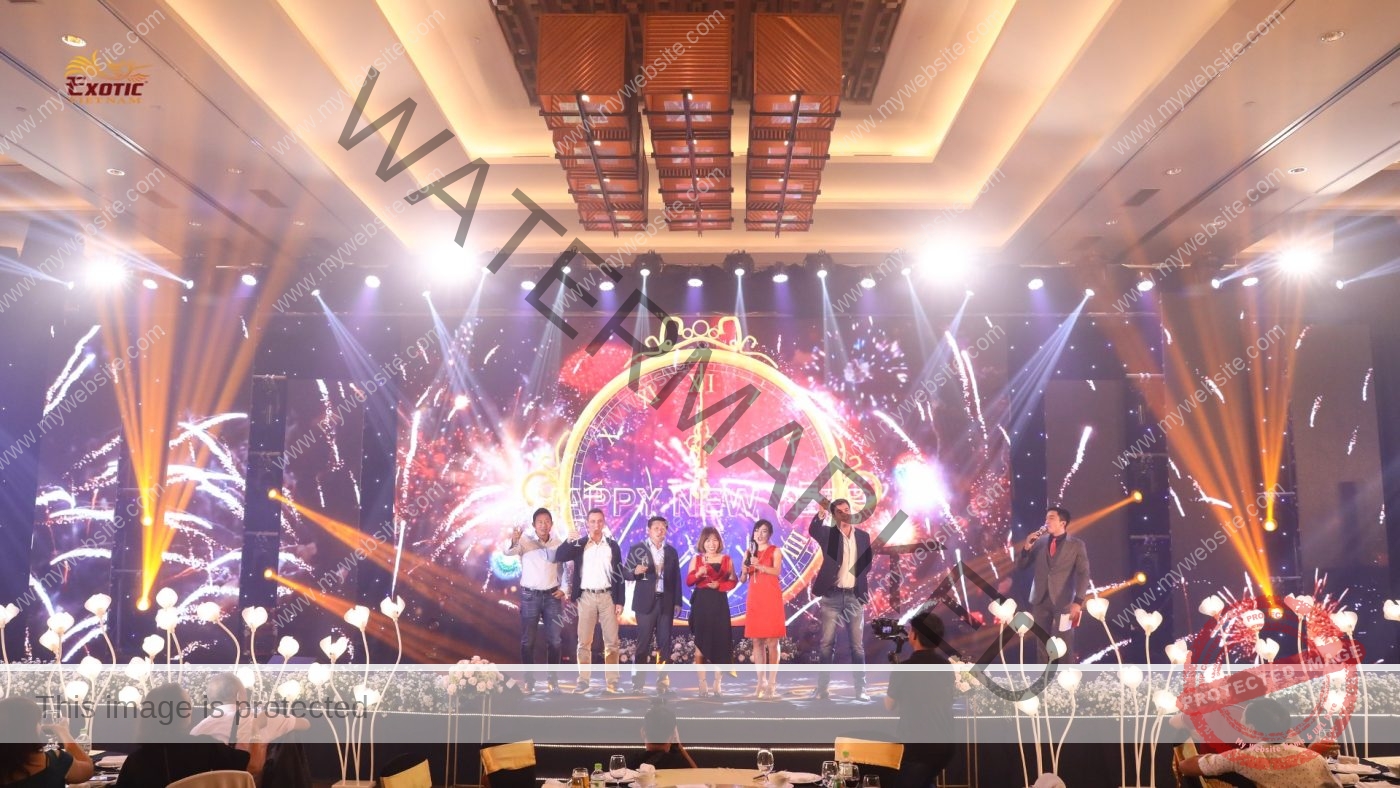
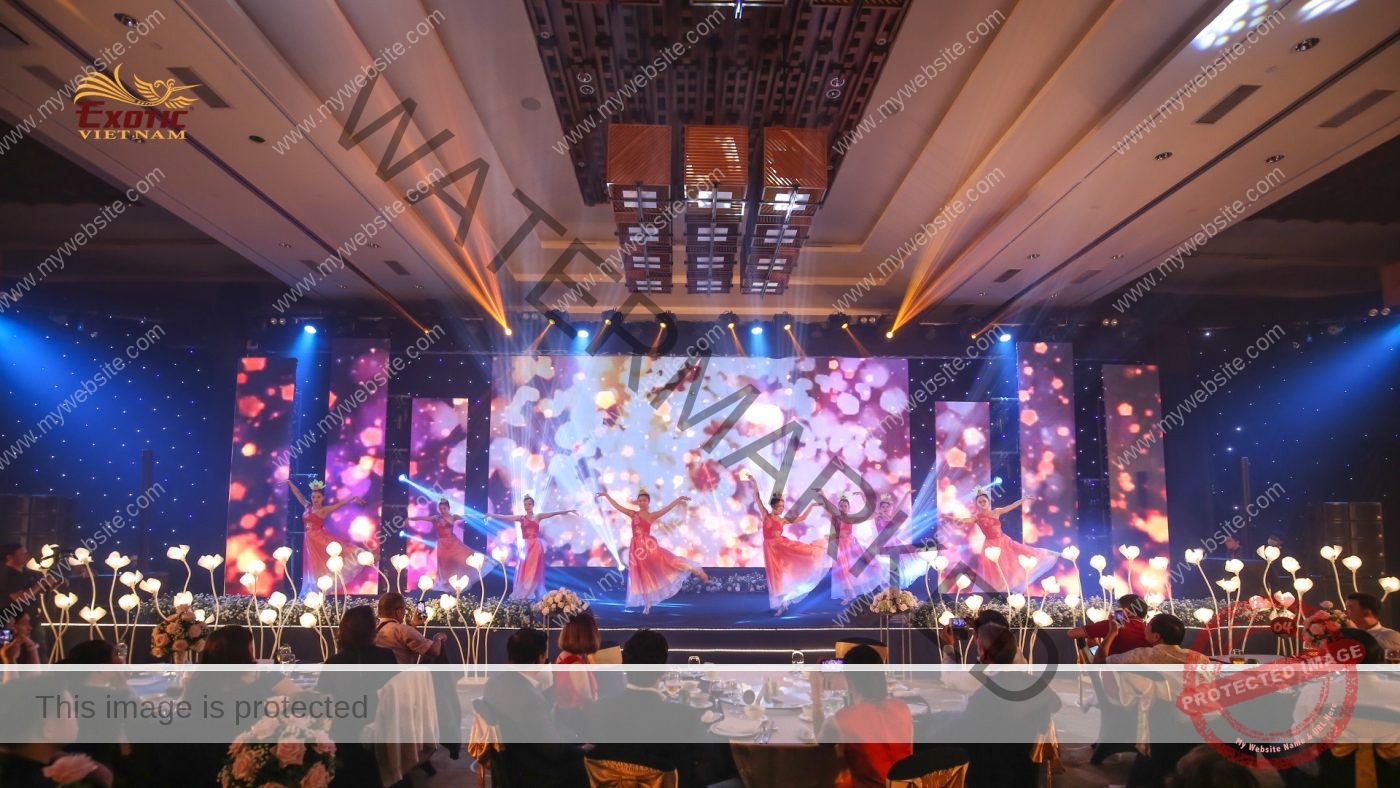
Not every DMC has the same level of MICE expertise. Some companies focus primarily on leisure FIT or traditional sightseeing tours, while others specialize in meetings, incentives, conferences, exhibitions, team building, gala dinners and corporate events. The distinction is important because corporate programs generally require tighter timing, more detailed logistics and stronger coordination.
A MICE-focused DMC should understand the operational requirements of corporate events, from conference venues and group transportation to team activities, event production, dining and guest movements. When evaluating a potential partner, companies should look beyond the general label of “DMC” and consider the depth of its actual corporate and MICE experience.
3. Destination Knowledge
A reliable DMC should have practical and in-depth knowledge of the destinations included in the program. This means understanding not only what guests can see and do, but also realistic travel times, hotel locations, the character of local accommodation, restaurant capacity, venue suitability, local transportation, and seasonal and weather conditions. Vietnam’s tropical monsoon climate varies considerably by region, with rainy seasons occurring at different times in the North, Central and Southern parts of the country. Understanding these local weather patterns is essential when planning outdoor activities, excursions, events and transportation. A DMC should also understand the local character and cultural identity of each destination, from regional cuisine and traditional dishes to folk games, performing arts, handicrafts and other authentic cultural experiences.
True destination knowledge also means knowing how to capture a place at its most memorable moments – from sunrise and sunset to seasonal landscapes, agricultural cycles and local ways of life. A rice field during harvest season, a sunset by the sea or an early-morning experience on the Mekong Delta can become meaningful highlights of a corporate journey. Knowing the right place and time, as well as how weather, tides, seasons and local events may influence these experiences, allows a DMC to create programs that go beyond standard sightseeing and deliver a more authentic connection with the destination.
4. Supplier Network
A strong local supplier network is one of the foundations of a good DMC. Hotels, resorts, restaurants, transportation companies, meeting venues, event suppliers and activity providers all contribute to the success of a corporate program. Reliable relationships with these partners can provide greater flexibility and support when managing complex group requirements.
However, having a long supplier list is not enough. A professional DMC should understand the strengths and limitations of individual suppliers and know which partners are appropriate for specific group sizes, service standards and program requirements. The real value of a local network lies not simply in access to suppliers, but in the DMC’s ability to coordinate and manage them effectively.
5. Ability to Customize
Corporate programs rarely fit a standard template. Different companies have different objectives, cultures, budgets, group profiles and expectations, so a successful program should be designed around the specific purpose of the trip rather than based entirely on a fixed itinerary.
Customization may involve adapting the program to employee engagement goals, incentive objectives, leadership development, team collaboration, cultural experiences, sustainability priorities or wellness. Budget, timing, destination and the physical profile of participants should also be considered. A good DMC takes the time to understand the purpose of the journey and then develops experiences that support that purpose.
6. On-Site Operation Team
A strong on-site operation team is essential for corporate programs, particularly when the group is large or the itinerary involves multiple activities and destinations. The people managing the program on the ground have a direct impact on transportation, guest movements, timing, meals, venues, activities and the handling of unexpected changes.
Depending on the size and complexity of the group, on-site support may include an operation manager, tour leaders, local coordinators, professional guides and activity facilitators. A clear emergency contact and escalation process should also be established. Strong on-site operation is often what separates a professionally managed corporate program from a collection of individually booked services.
7. Communication and Response Time
Communication is especially important when the client is based outside Vietnam and planning takes place across different time zones. The proposal stage can provide an early indication of how effectively a DMC communicates, manages information and responds to changing requirements.
Clear communication should include timely responses, a dedicated contact person, transparent quotations, clearly defined inclusions and exclusions, and regular updates when the program changes. These details may appear minor during the initial planning stage, but they become increasingly important as the travel date approaches. A professional DMC should make communication more efficient and structured rather than create another layer of complexity.
8. Contingency Planning
Contingency planning is an essential part of corporate travel management because unexpected situations can occur at any stage of a program. Flight delays, heavy rain, traffic congestion, late coaches, delayed hotel check-in and last-minute program changes can all affect the guest experience and the overall schedule.
An experienced DMC should have realistic alternatives and a clear decision-making process for dealing with these situations. The objective is not to predict every possible problem, but to minimize disruption when something unexpected happens. For large corporate groups, the ability to respond quickly and effectively can be just as important as the quality of the original itinerary.
9. Sustainability and Local Community
Sustainability is becoming an increasingly important consideration for international companies planning corporate travel. Companies are looking for experiences that create value not only for participants, but also for local communities and destinations.
A responsible DMC should consider the use of local suppliers, support for local communities, environmental impact, waste reduction, responsible activities and cultural preservation. Sustainable corporate travel can be incorporated into transportation, accommodation, dining, team building and local experiences. For companies with ESG or sustainability objectives, these considerations should be integrated into the program from the beginning rather than added as an afterthought.
10. References and Case Studies
Relevant references and case studies can provide valuable insight into a DMC’s experience and operating capabilities. Previous corporate programs, client testimonials, event photographs and documented case studies can help demonstrate how the company works with different types of groups and requirements.
However, a DMC should not be evaluated simply by the number of well-known logos displayed on its website. Relevant experience is more meaningful than a long list of unrelated clients. A DMC that has successfully managed groups of comparable size, nationality, industry and complexity may be a stronger fit for a particular corporate program. Detailed case studies are especially useful because they demonstrate how the DMC approaches real operational challenges and turns planning into a successful on-the-ground experience.
Why Exotic Vietnam as a Trusted DMC in Vietnam
For international companies planning a corporate program in Vietnam, the right local partner can make the difference between a program that simply follows an itinerary and one that runs smoothly from arrival to departure. Clients need more than reliable bookings; they need a DMC that understands their objectives, anticipates operational challenges, communicates clearly and takes responsibility for the experience on the ground.
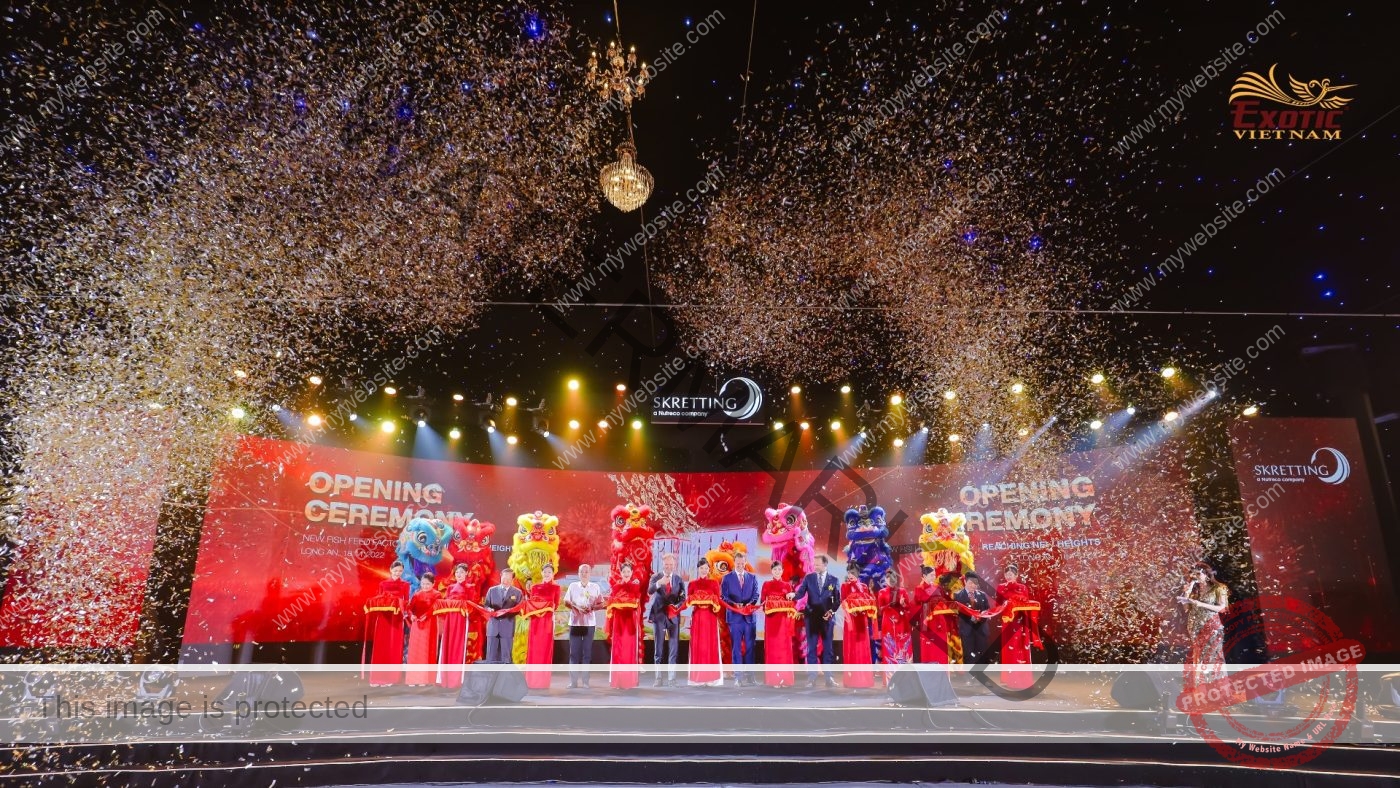
Established in 2013, Exotic Vietnam is a Vietnam-based Destination Management Company specializing in MICE, corporate team building, incentive travel, corporate events and tailor-made experiences. With more than 10 years of experience, we combine local destination knowledge with practical expertise in managing corporate groups. We take the time to understand each group’s profile, objectives, schedule and budget before developing a program that is designed specifically for the client.
Our role goes beyond itinerary design. We coordinate transportation, accommodation, restaurants, activities, venues and on-site operations as one integrated flow, with particular attention to timing, communication and contingency management. Our programs include MICE, incentive travel, corporate team building, corporate retreats, meetings and conferences, as well as cultural and eco-oriented experiences. We believe the best corporate programs should do more than entertain – they should connect people, encourage collaboration, introduce participants to Vietnam and create meaningful experiences that stay with them long after the journey ends.
