


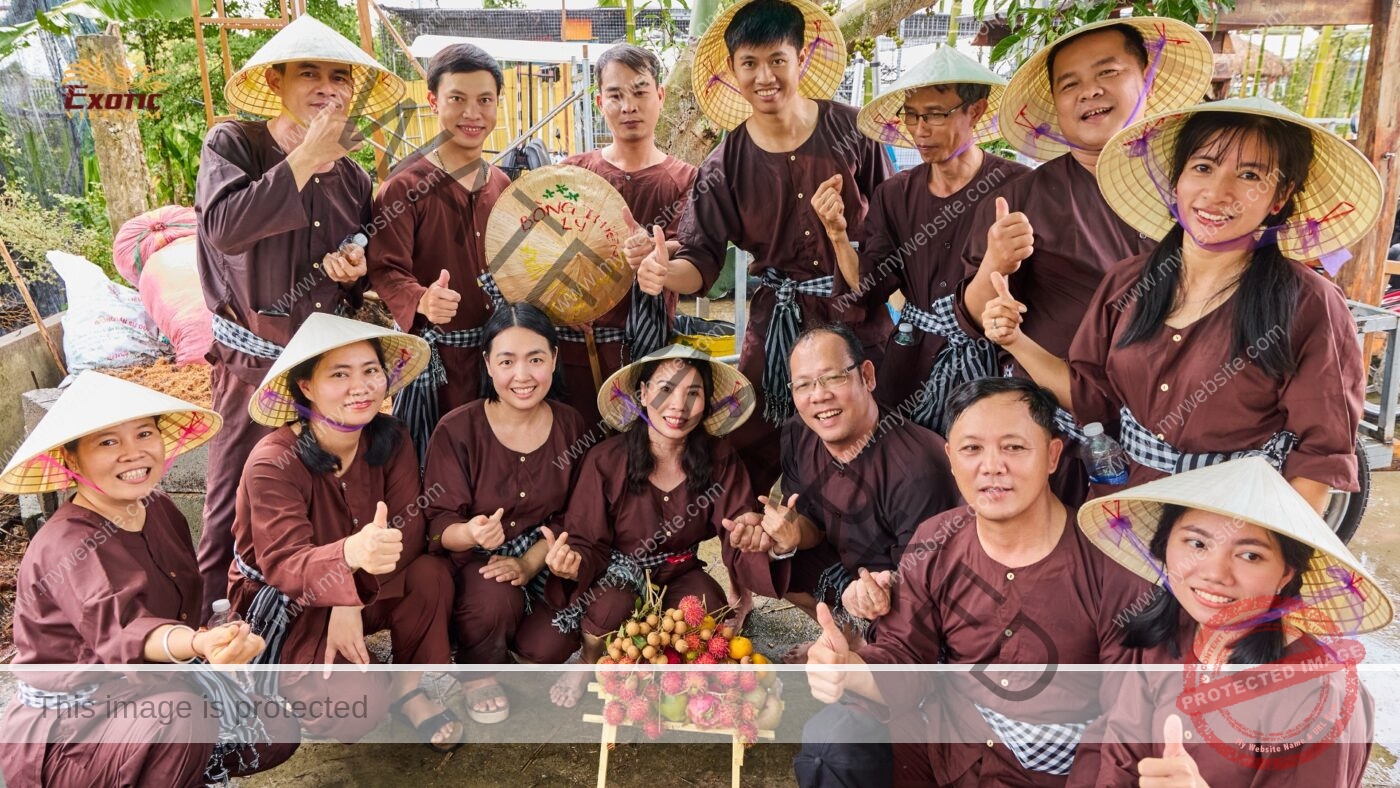
Choosing a team building company is about more than finding a supplier to organize group games. It means finding a partner who understands your business objectives, budget, corporate culture, and expectations for the employee experience. A well-designed corporate team building program can strengthen relationships, improve cross-functional collaboration, develop problem-solving skills, and reinforce a shared sense of purpose.
For international companies planning corporate events in Vietnam, working with an experienced Destination Management Company (DMC) can also provide valuable local knowledge, reliable event coordination, and access to distinctive destinations and cultural experiences. So, how can you identify the right partner among the many event organizers available? Here are seven essential criteria to consider before making your decision.
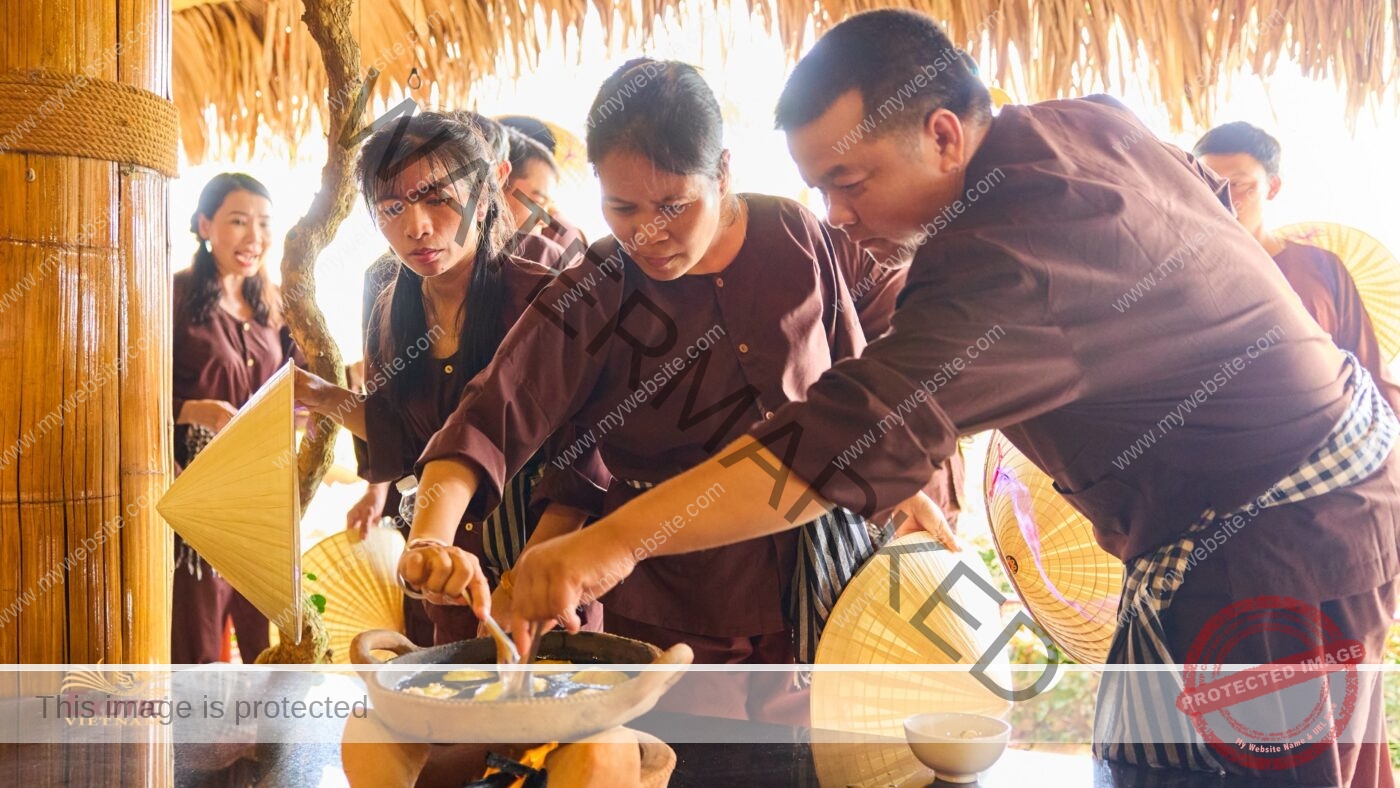
Criterion 1: The Ability to Design Programs Around Your Business Objectives
A professional team building company should begin by understanding your business objectives rather than simply presenting a catalogue of ready-made activities.
Every organization has different priorities. Some companies want to strengthen relationships among employees, while others aim to improve collaboration between departments, encourage innovation, develop leadership capabilities, or help their teams adapt to change.
Your team building partner should translate these objectives into a clear program concept, a meaningful central message, and a series of activities that encourage the desired behaviors.
For example:
- Team connection: Activities that build trust, encourage communication, and help colleagues understand one another.
- Cross-functional collaboration: Challenges that require departments to share information, coordinate resources, and work toward common goals.
- Leadership development: Experiences that encourage decision-making, delegation, accountability, and strategic thinking.
- Innovation and adaptability: Problem-solving challenges that require creative thinking and the ability to respond to changing circumstances.
When evaluating potential partners, ask how they transform your business objectives into an engaging and relevant team building experience.

Criterion 2: The Difference Between Group Games and Purpose-Driven Team Building
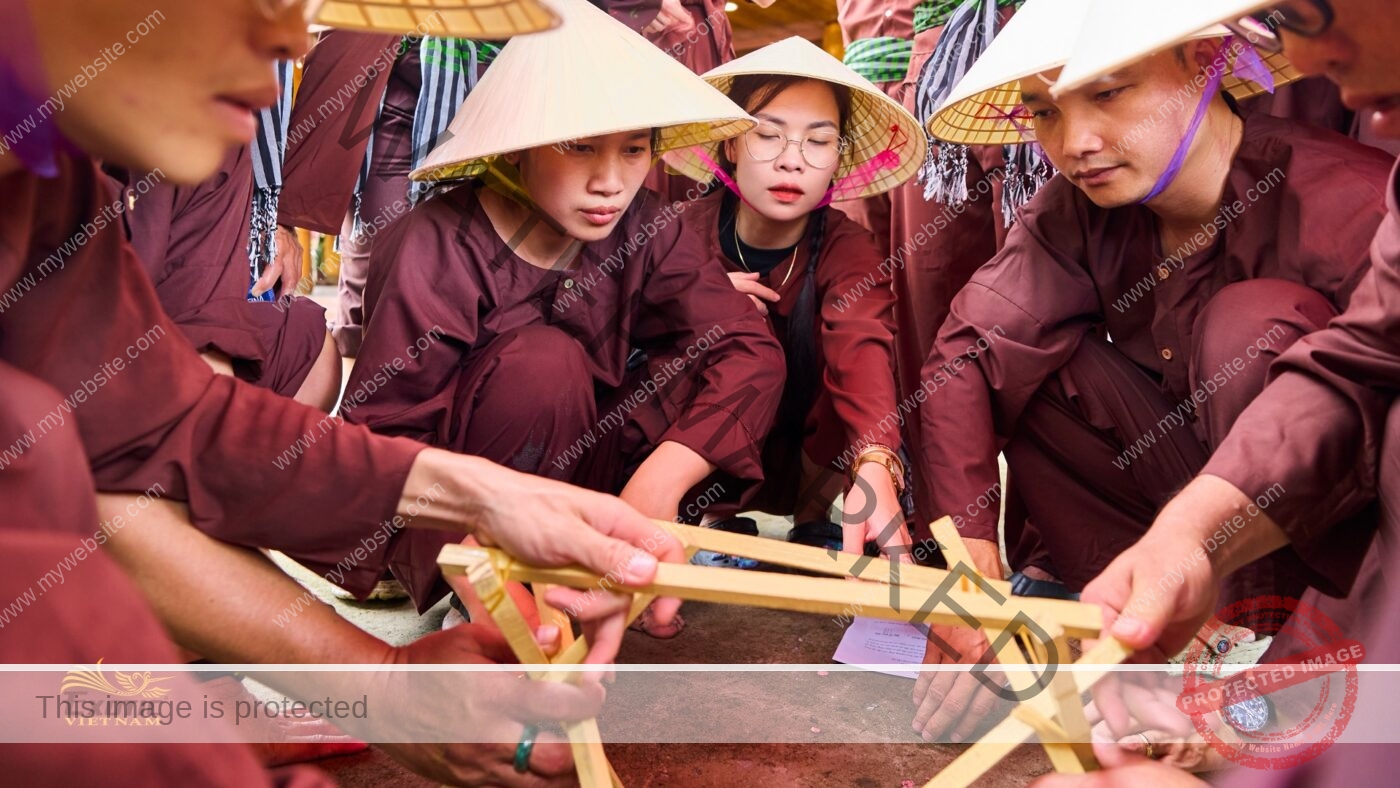
Not every event featuring exciting competitions, impressive props, or inflatable games delivers meaningful team building outcomes. Traditional group games primarily focus on entertainment and creating an enjoyable atmosphere. Purpose-driven corporate team building, however, is designed to help participants experience situations that require communication, planning, collaboration, problem-solving, and shared responsibility.
The real value often lies not only in completing a challenge but also in understanding how the team approached it. When a team struggles or fails to achieve its intended result, the experience can reveal valuable insights into communication gaps, unclear responsibilities, ineffective planning, or difficulties in coordinating efforts. This is where reflection and facilitated debriefing become essential. A skilled facilitator helps participants review what happened, identify the factors behind their successes or setbacks, and discuss how those lessons relate to their everyday work.
When selecting a team building company, look beyond the entertainment factor. Ask how the activities connect to your business objectives and how the organizing team helps participants turn their experiences into practical lessons for the workplace.
Criterion 3: Experience Designing Programs Around Your Budget, Group Size, and Corporate Culture
An experienced team building partner should be able to adapt its program to your company’s actual requirements rather than applying the same format to every client.
Budget and cost transparency
Your partner should recommend an appropriate program within your approved budget, prioritizing activities and services that deliver the greatest value.
Request a detailed quotation covering relevant costs, such as:
- Program design and facilitation
- Event staff and equipment
- Props and activity materials
- Transportation and venue expenses
- Logistics and other potential additional charges
A transparent budget helps your company understand what is included, compare proposals fairly, and avoid unexpected expenses.
Group size and event scale
The design and operational requirements of a team building event vary considerably depending on the number of participants.
- For smaller groups of fewer than 100 participants, the program can place greater emphasis on individual interaction, mutual understanding, and deeper connections.
- For groups of 100–1,000 participants, activities may focus on cross-team collaboration, coordinated execution, and collective achievement.
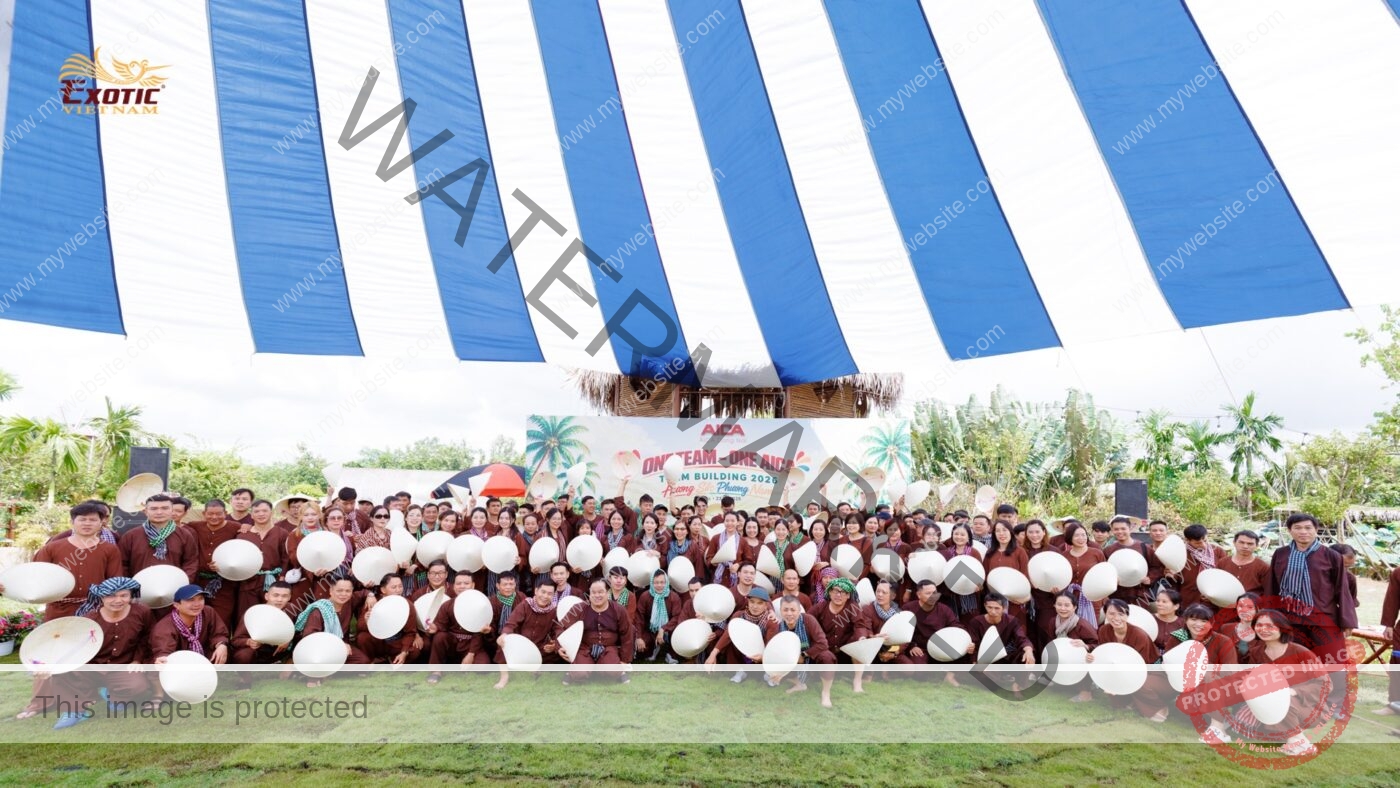
- For large-scale events involving more than 1,000 participants, the challenge is to communicate a consistent message, coordinate multiple activities simultaneously, and unite thousands of individuals around a common objective.
The larger the group, the more important it becomes to have a well-structured operational plan, effective communication systems, and experienced on-site coordinators.
Corporate culture and participant profiles
A successful program should reflect your company’s working environment, employee demographics, professional backgrounds, and existing team dynamics. Consider the physical demands of the activities, differences between generations, and the needs of participants with varying levels of fitness and confidence. The objective is to create an inclusive experience in which employees with different personalities, abilities, and roles can contribute meaningfully.
Destination and local experiences
Vietnam offers a wide variety of settings for corporate team building, including beaches, resorts, urban environments, traditional craft villages, and natural landscapes. Choosing the right destination requires consideration of Vietnam’s diverse geography and changing climate, from the cooler mountainous regions of the north to the tropical lowlands of the south. Weather conditions, seasonal rainfall, temperature variations, and accessibility can significantly influence activity design, scheduling, and safety.
A local DMC can help international companies select suitable destinations and timing while incorporating authentic Vietnamese cultural experiences, local communities, and the natural environment into a well-coordinated team building program.
Criterion 4: A Clear Process from Consultation to Event Delivery
A professional team building company should follow a structured process that connects the initial consultation with program design, preparation, execution, and post-event evaluation.
A typical process includes seven stages:
- Requirement assessment: Understand the company’s objectives, participant numbers, event dates, destination preferences, budget, and specific requirements.
- Concept development: Propose the program theme, key message, event format, and activity concepts aligned with the company’s goals.
- Program design: Develop the detailed agenda, activity instructions, rules, scoring mechanisms, staffing plan, and event timeline.
- Quotation and confirmation: Clarify the scope of work, budget, responsibilities, deliverables, and relevant terms and conditions.
- Preparation and site inspection: Check the venue, equipment, activity materials, staffing arrangements, transportation, and contingency plans.
- On-site execution: Coordinate the event, brief participants, manage timing, monitor activities, and resolve operational issues.
- Evaluation and follow-up: Collect participant feedback, review results against the original objectives, and identify relevant lessons and opportunities for improvement.
When evaluating potential partners, look for clear lines of responsibility, a detailed implementation plan, and a defined communication process. This becomes particularly important when team building is part of a larger corporate itinerary involving company trips, conferences, gala dinners, multiple venues, or outdoor activities.
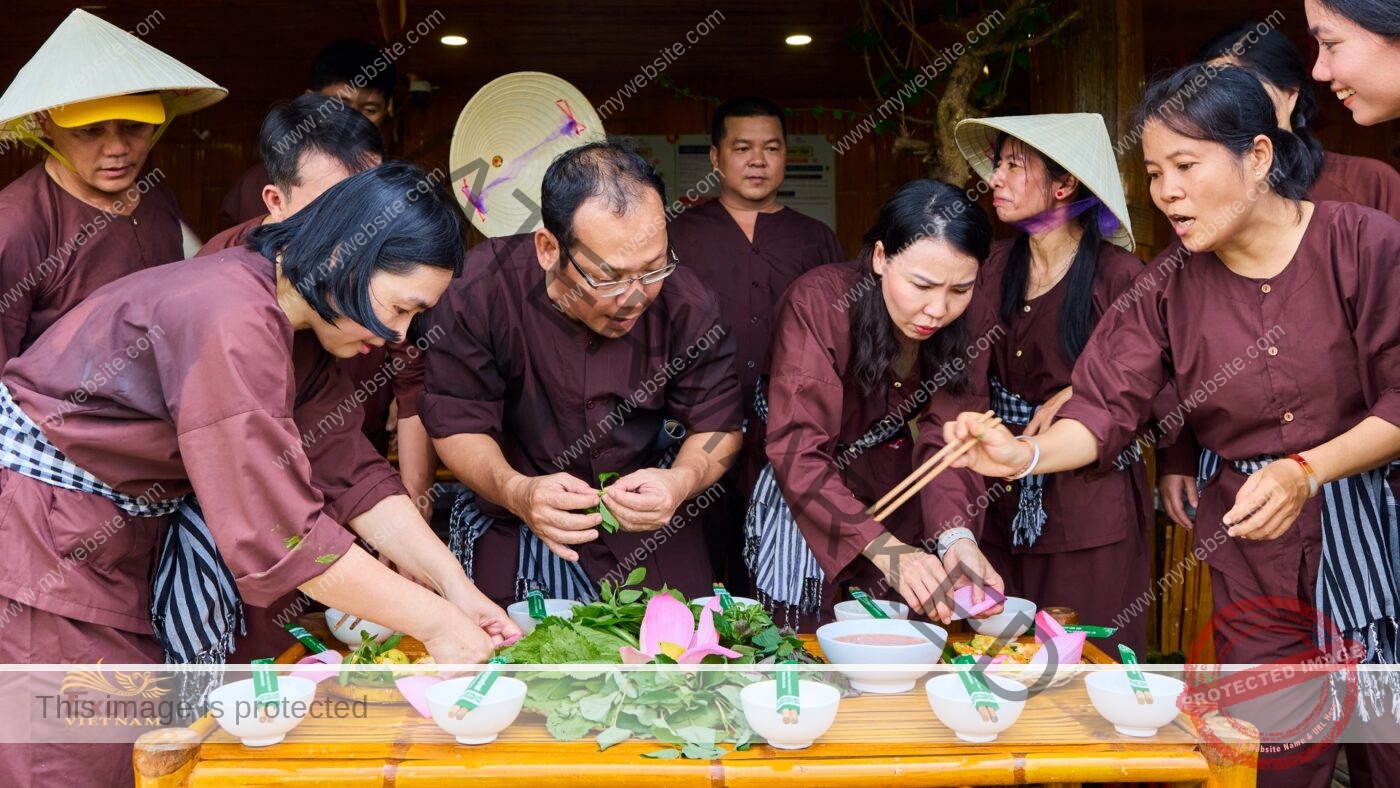
Criterion 5: Strong On-Site Coordination and Risk Management
Creative ideas deliver value only when they can be implemented safely and efficiently. Operational capability is therefore one of the most important factors when choosing a team building company in Vietnam.
The organizer should provide an appropriately sized team with clearly defined responsibilities and an effective communication system connecting the event manager, MC, facilitators, referees, logistics personnel, and other operational staff.
For outdoor activities, important considerations include:
- Weather conditions and alternative arrangements
- Venue accessibility and terrain
- Participant health and physical safety
- Equipment inspection and readiness
- First-aid arrangements and emergency procedures
- Crowd movement and time management for large groups
International corporate events may also involve tight schedules, transportation coordination, language requirements, and multiple service providers. These elements should be considered as part of the overall operational plan. Before appointing a supplier, ask specific questions about contingency arrangements.
What happens if it rains? How will the team respond if an activity falls behind schedule, equipment fails, or a challenge must be cancelled? Concrete answers and practical contingency plans are stronger indicators of operational competence than general assurances of professionalism.
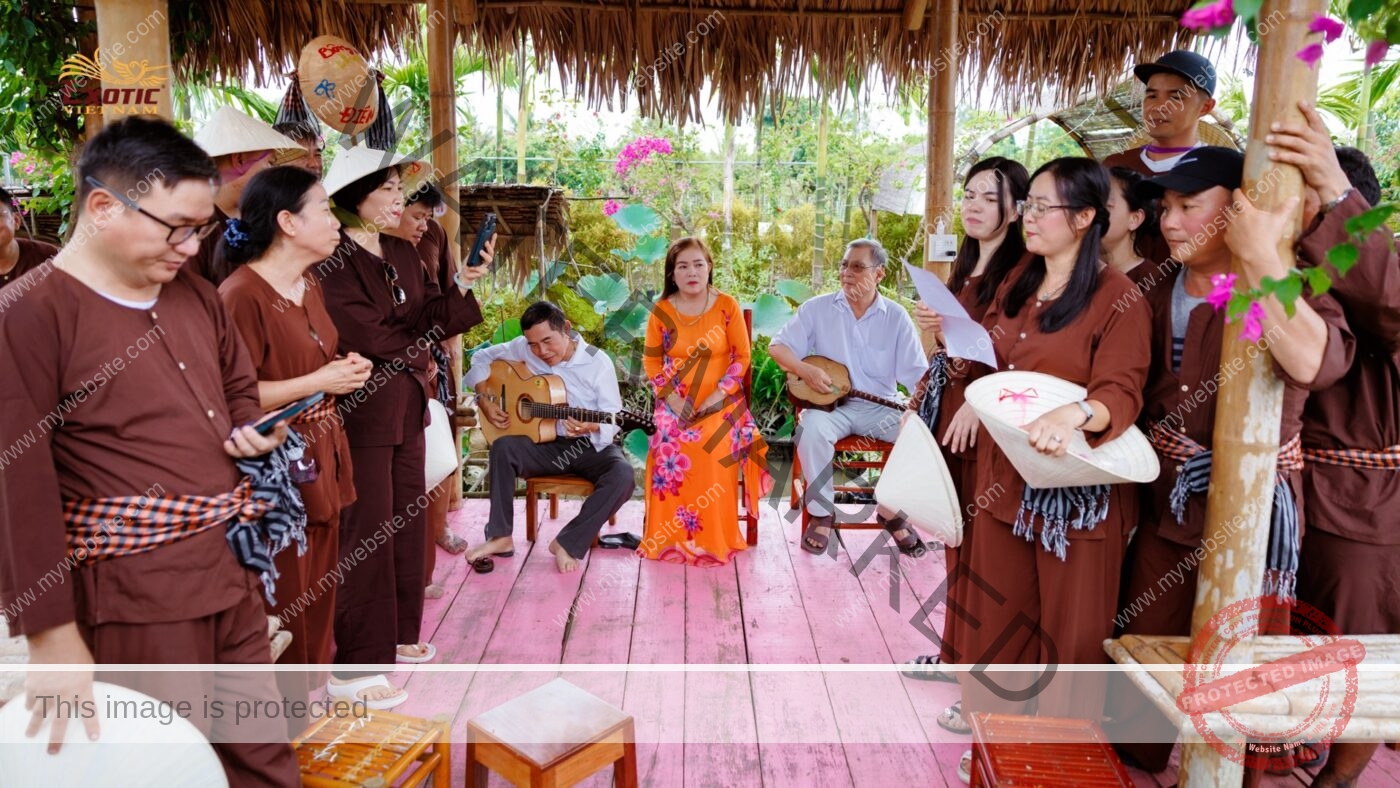
Criterion 6: Relevant Experience and Verifiable Project References
An organizer’s experience provides useful evidence of its ability to deliver a program. However, the number of years in business or the total number of events completed should not be the only factors in your decision.
Look for experience that is relevant to your requirements, including similar participant numbers, industries, business objectives, destinations, and event formats.
A useful portfolio should demonstrate:
- Relevant projects: Examples of corporate team building programs and the circumstances in which they were delivered.
- Program concepts: The objectives, creative ideas, and activity designs behind each project.
- Real event documentation: Photographs, videos, or post-event reports that demonstrate actual execution.
- Special requirements: Evidence of the organizer’s ability to accommodate specific client needs.
- Client feedback: Testimonials or references that can be verified where possible.
For international companies, it is also worth understanding the organizer’s operating model. Does the company design and manage programs directly, or does it primarily coordinate external suppliers? Either model can work. What matters is that responsibilities, quality standards, communication channels, and accountability are clearly defined.
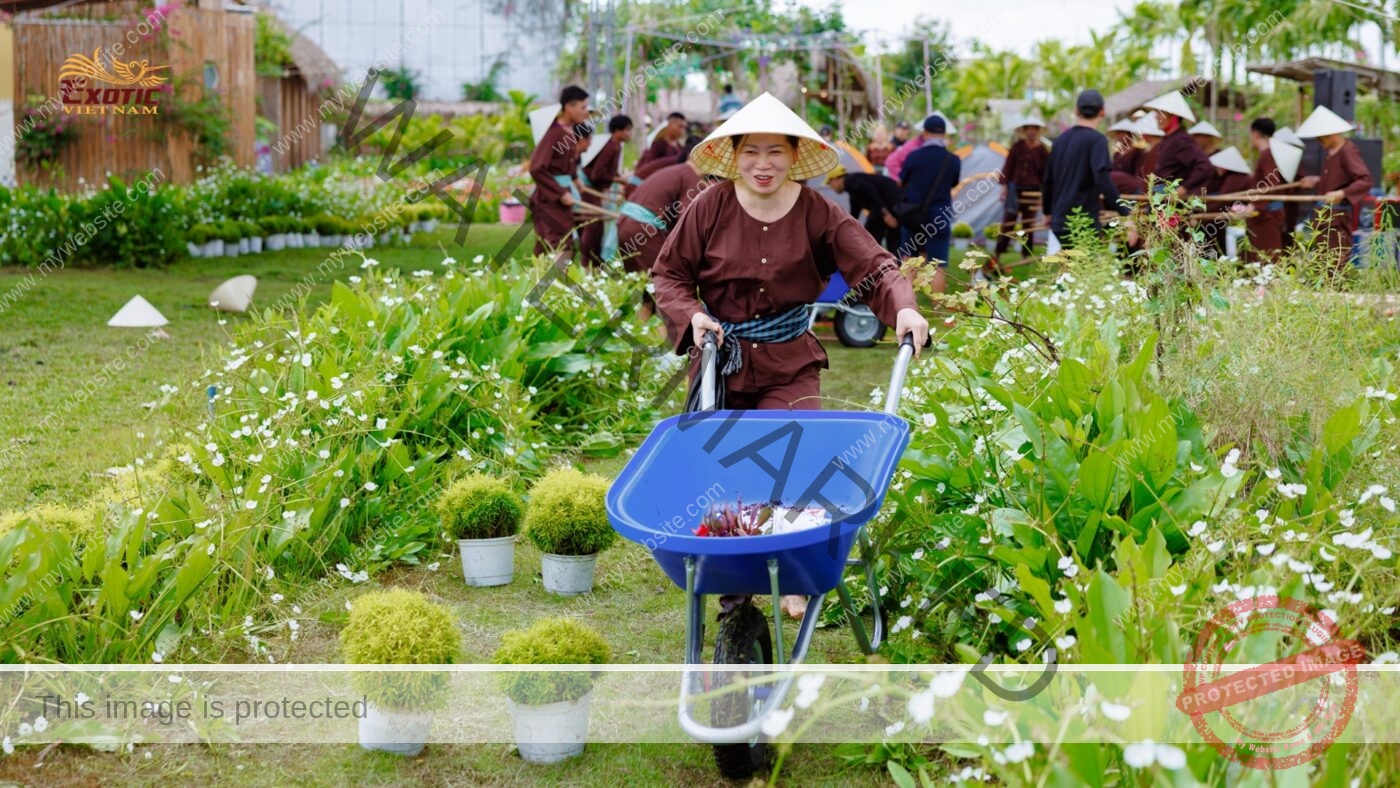
Criterion 7: The Ability to Evaluate Outcomes and Create Lasting Value
A successful team building program should be evaluated by more than the excitement of the event or the quality of the photographs. It should also be assessed against the objectives agreed upon at the beginning.
Depending on the purpose of the program, suitable evaluation methods may include:
- Participant surveys and feedback
- Observations of team communication and collaboration
- Facilitated debriefing after key challenges
- Identification of lessons learned
- Post-event action plans linked to workplace behaviors
For example, if the objective is to improve collaboration, the debriefing session can help participants identify factors that influence teamwork, including task allocation, information sharing, active listening, and conflict resolution. Not every organizational objective can be measured immediately after a single team building session. Lasting changes in workplace behavior may require follow-up and further evaluation.
Nevertheless, a professional organizer should help define the expected outcomes and select appropriate evaluation methods during the program design stage, rather than treating assessment as an afterthought.
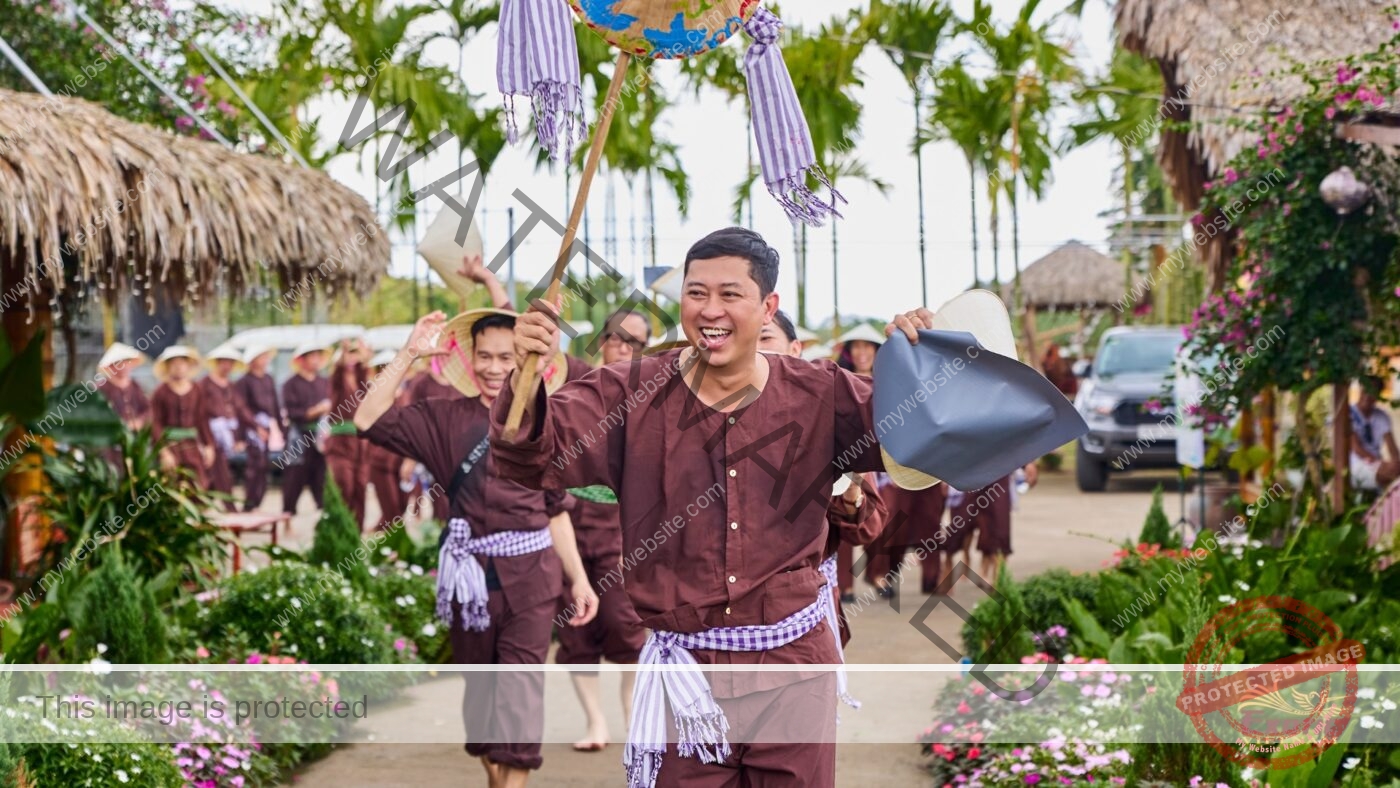
Exotic Vietnam: Your Team Building and DMC Partner in Vietnam
Established in Ho Chi Minh City in 2013, Exotic Vietnam is a Destination Management Company (DMC) specializing in corporate team building, MICE, incentive travel, and experiential programs nationwide. With over 10 years of experience, we design customized programs aligned with business objectives, budgets, group sizes, and corporate culture, combining creative activities with professional event coordination.
Beyond group games, our programs foster teamwork, collaboration, and problem-solving through authentic Vietnamese cultural experiences, traditional craft villages, and nature-based activities. Committed to sustainability, we promote cultural preservation, environmental awareness, and positive community engagement.
Planning a corporate team building event in Vietnam? Exotic Vietnam helps international companies create meaningful experiences that connect people, business goals, and local destinations.
