


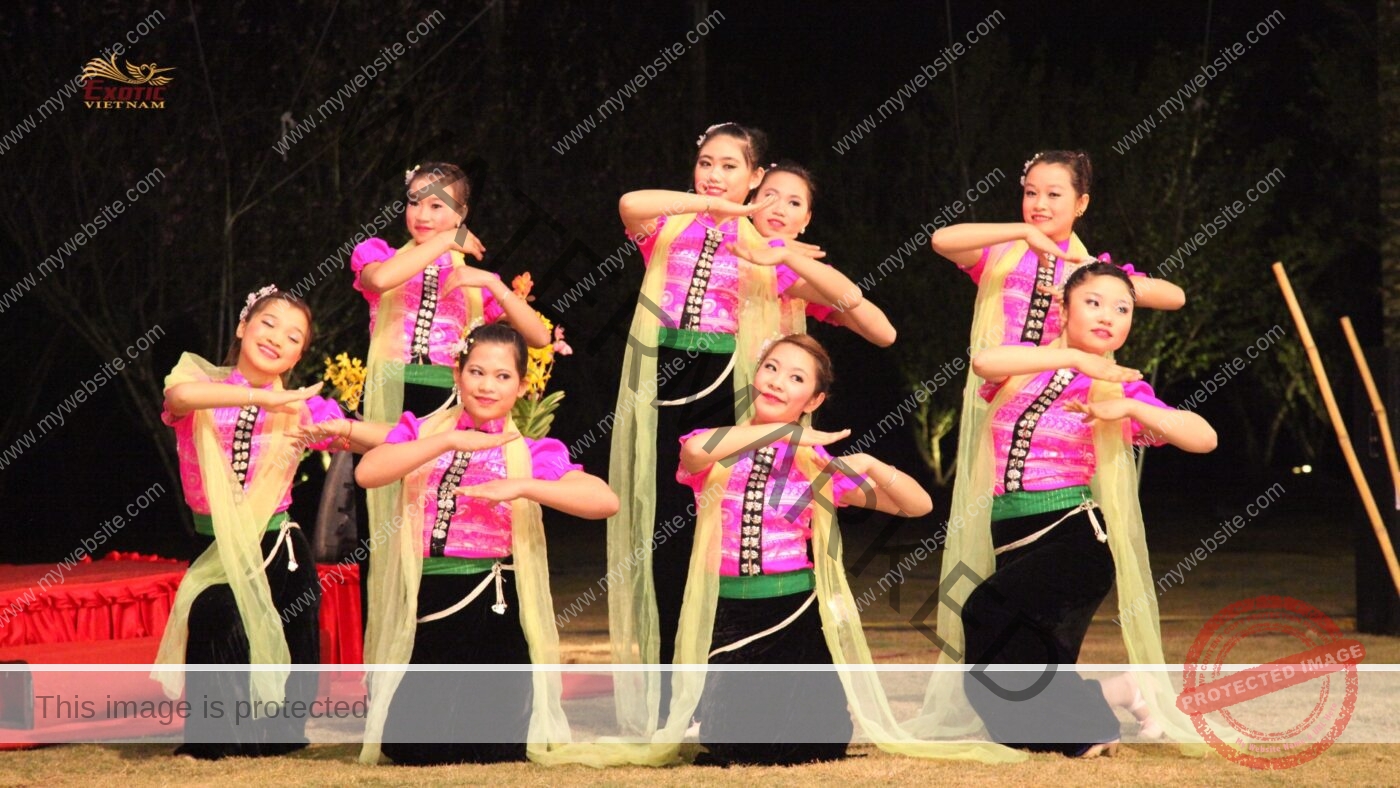
In cultural tourism programs, community performances are more than just entertainment. They offer visitors an opportunity to discover cultural heritage, learn about local ways of life, and connect with local people. In particular, during company trips, corporate team-building programs, and gala dinners, cultural performances can become memorable highlights, creating distinctive experiences and strengthening bonds among participants. However, the boundaries between watching, participating, and interacting are not always clearly defined. Without thoughtful planning and coordination, activities may become unstructured, interrupt performances, or unintentionally undermine the cultural identity of the local community.
Therefore, the success of a community cultural performance depends not only on the quality of the performance itself but also on close collaboration among the Event Organizers, Performers, and Visitors. Each party plays an essential role in creating a meaningful and memorable experience: Event Organizers design and coordinate the program thoughtfully, Performers share their cultural heritage with pride and sincerity, and Visitors engage, participate, and interact with an open mind and a respectful attitude. Through the shared commitment and active contributions of all three parties, local cultural values can be preserved, mutual understanding deepened, and lasting connections created.
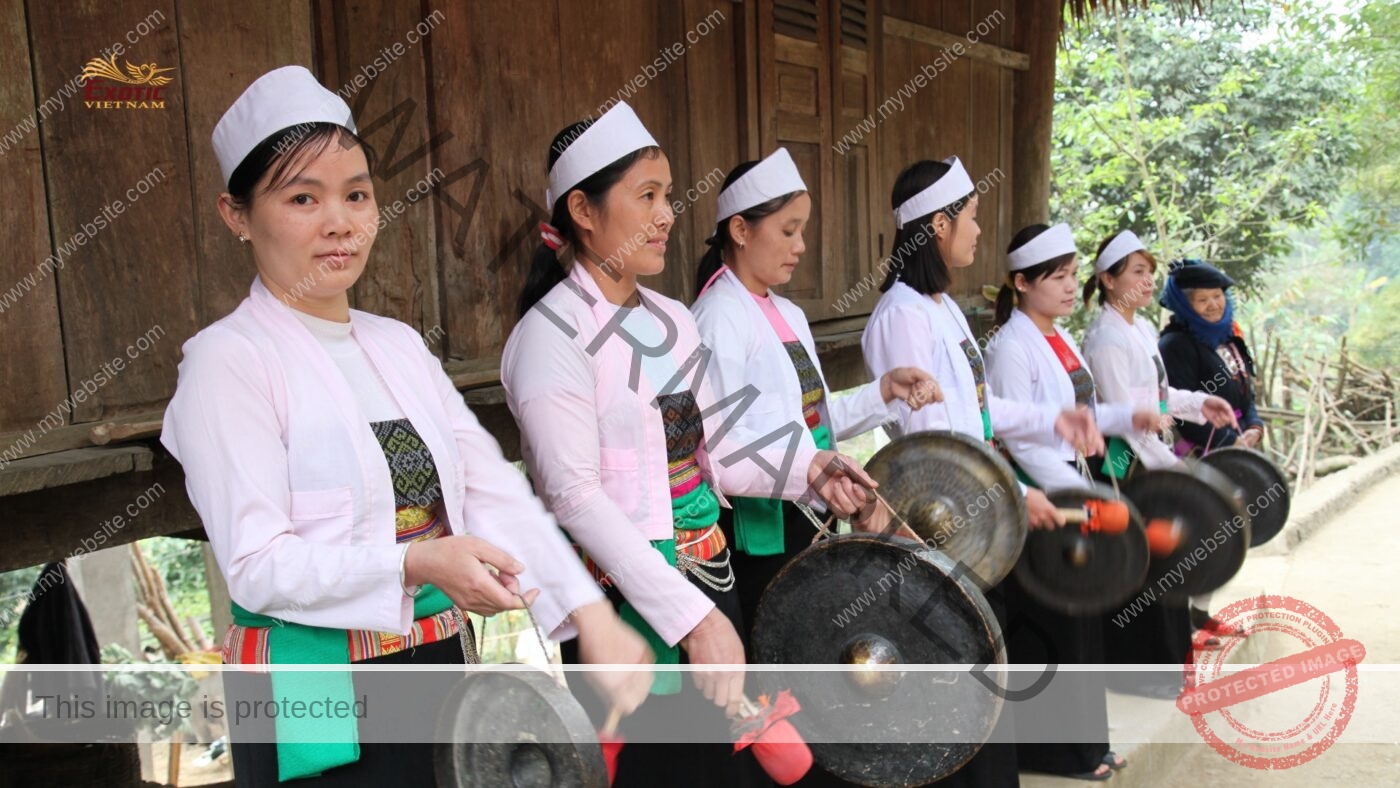
From Cultural Appreciation to Human Connection
How can we preserve the authenticity of traditional performing arts while allowing visitors to participate and interact naturally? Drawing on its experience in designing and organizing experiential tourism programs, team-building activities, and corporate events in Vietnam, Exotic Vietnam proposes a four-stage model for community cultural performances: PERFORMANCE – PARTICIPATION – SHARING – GENUINE CONNECTION.
In practice, many programs focus primarily on the first two stages: Performance and Participation. When a program progresses to the Sharing stage, visitors have the opportunity not only to watch and experience cultural activities firsthand but also to gain a deeper understanding of local culture, while community members can introduce and share their cultural values. This represents a significant step toward meaningful two-way cultural exchange. However, reaching the fourth stage, Genuine Connection, is far more challenging. At this stage, the distance between performers and visitors is bridged, allowing both sides to openly share everyday stories, emotions, and personal experiences. Such connections cannot be created through a script or a simple invitation to interact. They require the right setting, genuine willingness, and openness from both sides.
These four stages are therefore more than a sequence of activities; they represent an evolving journey of experience – from appreciating performances to participating directly, and from learning about a culture to developing empathy for its people. The greatest success lies not only in what visitors see or experience during the program, but also in the relationships formed and the connections that continue long after the event has ended. When visitors and local community members part with mutual affection, new friendships, and a genuine desire to stay in touch, the program has achieved something far more meaningful than entertainment: it has created lasting human connections and enduring cultural value.
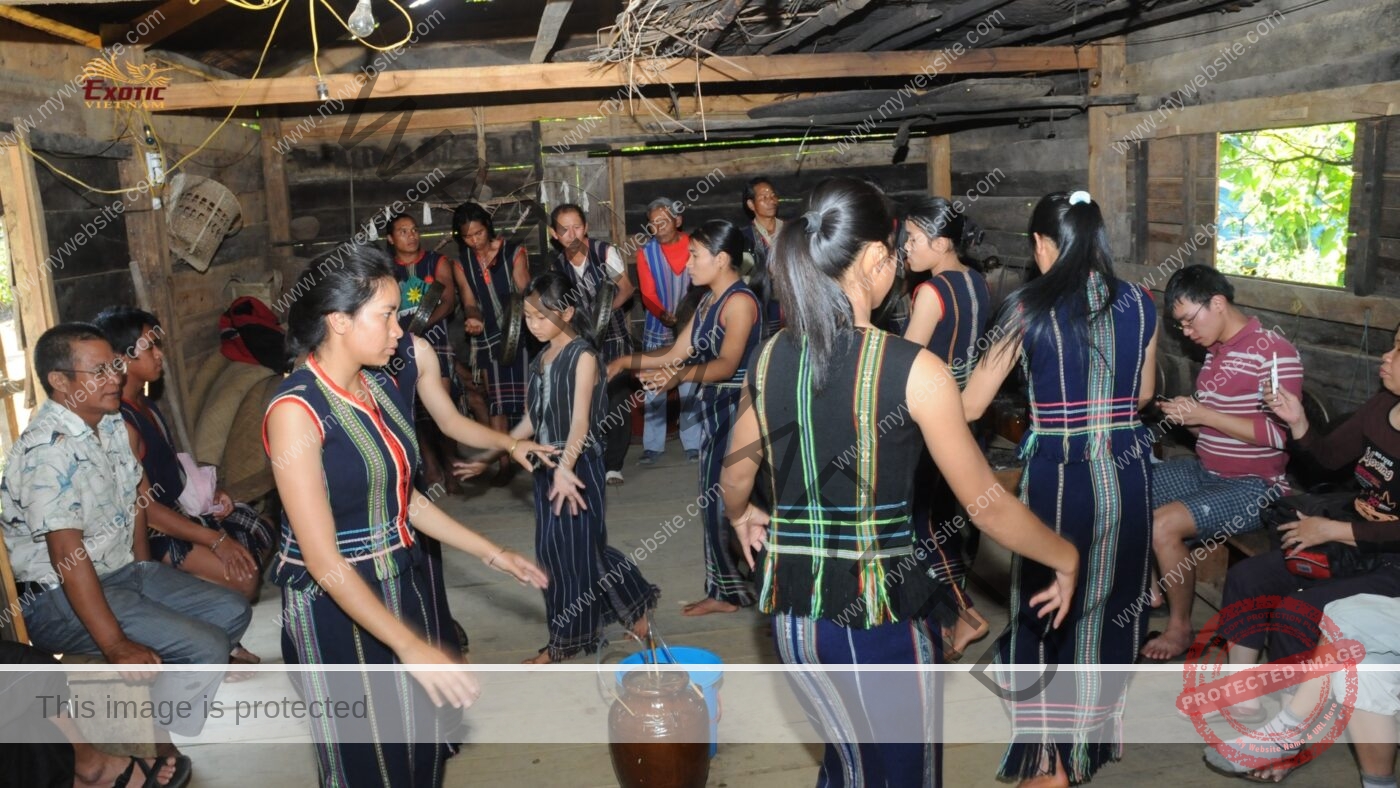
The Four-Stage Model of a Community Cultural Performance Program
1. PERFORMANCE
Objective:
To introduce and celebrate cultural values through performing arts, allowing visitors to fully appreciate each performance, experience the distinctive features of local culture, and develop respect for the community that preserves this cultural heritage.
Event Organizers
- Briefly introduce the meaning, origins, and cultural significance of each performance, helping visitors understand the key elements to look for and appreciate.
- Prepare the performance space, sound system, lighting, and audience seating in accordance with the nature of the performance and local customs.
- Coordinate the program to maintain audience engagement, ensure the smooth flow of performances, and show respect for the performers.
- Guide visitors on appropriate audience etiquette, photography, filming, and behavior within the community’s cultural space.
- Avoid scheduling meals, banquets, or party activities during performances, as they may distract the audience, interrupt the performance, and undermine respect for the performers. If food and beverages are to be served, they should be arranged before or after the performance, or as a separate activity appropriate to the purpose of cultural exchange.
Performance Group
- Perform with genuine emotion, pride, and respect for the community’s cultural heritage.
- Preserve the original spirit, style, and cultural significance of each performance, avoiding changes that could distort its meaning.
- Maintain focus, professionalism, and a welcoming attitude, allowing visitors to experience the vitality of traditional culture.
Visitors
- Watch attentively, applaud to show appreciation, and take photos or videos appropriately while respecting the performers and the cultural setting.
- Do not enter the performance area, present flowers, offer alcohol, sing, or join the dancing without an invitation or before the designated interaction segment.
- Respect the organizers’ guidelines, local customs, and performers’ privacy. Avoid any behavior that interrupts the performance or negatively affects the overall experience.
2. PARTICIPATION
Objective
To foster connections between visitors and the local community through direct cultural experiences. This stage encourages visitors not only to observe but also to actively participate in cultural activities, experience the spirit of local traditions, and interact with performers in a welcoming, enjoyable, and mutually respectful environment.
Event Organizers
- Proactively invite visitors to participate in performances that suit the program’s objectives, cultural characteristics, and the participation capabilities of each visitor group.
- Manage the number of participants and the way they engage, maintaining a balance between visitors and performers so that the performers retain their leading role and the original cultural values of the performance are respected.
- Provide guidance on participation, appropriate attire, movements, and etiquette. Promptly address any excessive, inappropriate, or disruptive behavior that could affect the atmosphere, visual presentation, or cultural integrity of the program.
- Choose the right moment to transition from watching to participating, ensuring that the experience unfolds naturally without interrupting the performance or making visitors or performers feel pressured.
Performance Group
- Welcome, guide, and support visitors in joining the performance with a friendly, open, and hospitable attitude.
- Help visitors follow the rhythm of the music, movements, and spirit of the dance, folk performance, or cultural activity.
- Take the lead by demonstrating movements and providing assistance when needed, helping visitors participate confidently while preserving the distinctive character of the performance.
- Interact proactively with visitors, encourage their participation, and create a joyful atmosphere while respecting the community’s cultural traditions and maintaining appropriate boundaries during interactions.
Visitors
- Participate with an open mind and enthusiasm while respecting the performers and local customs.
• Follow instructions, cooperate with community members and other participants, and actively engage in the shared experience.
• Respect the performance space, traditional attire, movements, and cultural guidelines provided. Avoid excessive, showy, or inappropriate behavior.
• Embrace the spirit of cultural discovery and interaction without turning the shared activity into a personal performance or overshadowing the role of local performers.
3. SHARING
Objective
To help visitors gain a deeper understanding of the people, culture, and values behind each performance. This stage promotes two-way cultural exchange, creating opportunities for both the local community and visitors to introduce, explore, and appreciate one another’s cultural heritage.
Event Organizers
- Create opportunities for interaction after each performance, connecting visitors with local artisans and performers.
- Encourage conversations about the origins of traditional dances, musical instruments, costumes, customs, and community life.
- Promote two-way cultural exchange, allowing community members and visitors to introduce, share, and learn about each other’s cultures.
Performance Group
- Share stories, experiences, meanings, and emotions associated with the performance.
- Introduce distinctive cultural traditions and practices that visitors from outside the community may not fully understand.
- Be open to answering appropriate questions, helping visitors develop a deeper understanding of and appreciation for local cultural values.
Visitors - Take the initiative to ask questions, listen attentively, and share their own impressions and experiences.
- Explore local culture with genuine interest and sensitivity, avoiding intrusive curiosity or disrespectful comments.
- Introduce or perform cultural pieces that reflect their own ethnic heritage, hometown, or country, fostering mutual cultural exchange and understanding.
4. GENUINE CONNECTION
Objective
To foster empathy, meaningful bonds, and genuine human connection through intimate interactions in a smaller, more personal setting, going beyond the conventional format of a large-scale performance.
Event Organizers
- Create a warm, intimate, and relaxed atmosphere that encourages genuine connections between the local community and visitors.
- Arrange the setting, duration, and format of interactions flexibly to suit the characteristics, needs, and willingness to participate of each visitor group.
- Respect personal boundaries, local customs, and the voluntary nature of participation. Never impose or pressure anyone to engage in interactions.
Performance Group
- Share everyday stories, memories, joys, and sources of pride within the community.
- Connect sincerely with visitors through personal stories and everyday experiences, going beyond the formal boundaries of a performance.
- Welcome visitors’ interest and attention while maintaining the right to personal space, individual boundaries, and personal preferences.
Visitors
- Engage in conversations, express appreciation, and share their own feelings and experiences.
- Connect over a cup of tea, a jar of traditional rice wine, stories, songs, or other activities suited to local culture, always with mutual respect and voluntary participation.
- Regard community members as respected cultural custodians and friends with whom they can share experiences and build relationships, rather than merely as tourism service providers. Where both parties are comfortable, exchange contact details to stay in touch, check in on one another, and nurture lasting friendships beyond the program.
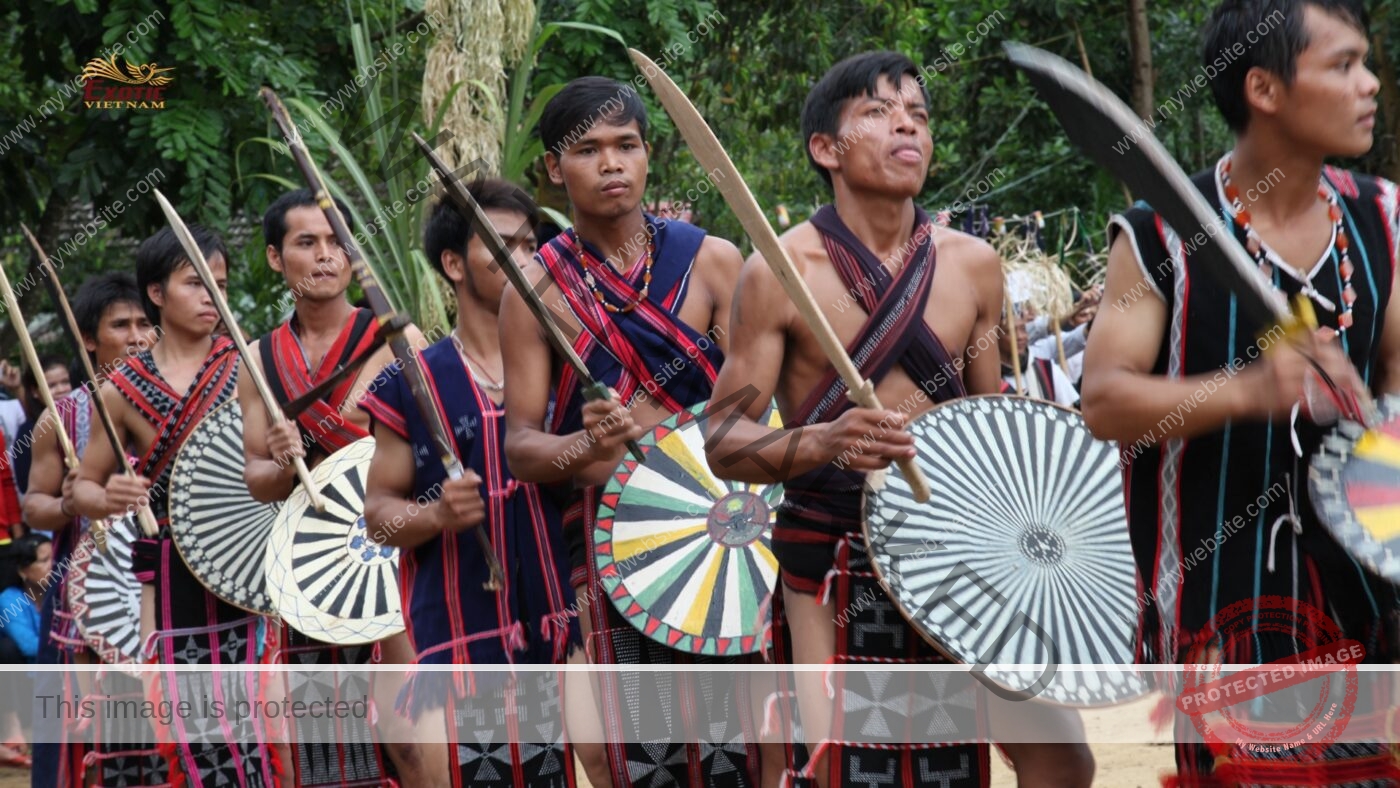
Exotic Vietnam: When Cultural Experiences Create Lasting Connections
A successful community cultural performance is measured not only by the quality of the performances, the enthusiasm of visitors, or the memorable photos captured along the way. Its deeper value lies in how it respects cultural identity, encourages two-way cultural exchange, and builds genuine relationships between visitors and local communities.
Through its four-stage model PERFORMANCE – PARTICIPATION – SHARING – GENUINE CONNECTION, Exotic Vietnam promotes a more meaningful approach to cultural experiences. In this approach, local community members are not merely performers or service providers; they are cultural custodians and companions who share their heritage and experiences with visitors. Each stage serves a distinct purpose, from ensuring an authentic and engaging performance to encouraging interaction, cultural exchange, and mutual understanding.
A typical community cultural performance often concludes at the Participation stage due to time and space constraints. Moving beyond this stage to Sharing and Genuine Connection requires opportunities for deeper interaction, as genuine connections cannot be created through arrangement or coercion. However, when the setting, timing, and format of interaction are thoughtfully planned, even a brief encounter can lead to relationships that extend far beyond the trip itself.
For Exotic Vietnam, the greatest value of a cultural experience lies not only in what visitors take home from their journey, but also in the affection they develop and the connections that continue long after the experience has ended. When visitors remember the community with appreciation, reach out to the people they have met, and look forward to returning, the cultural experience has transcended the boundaries of tourism to become a lasting and meaningful memory.
