


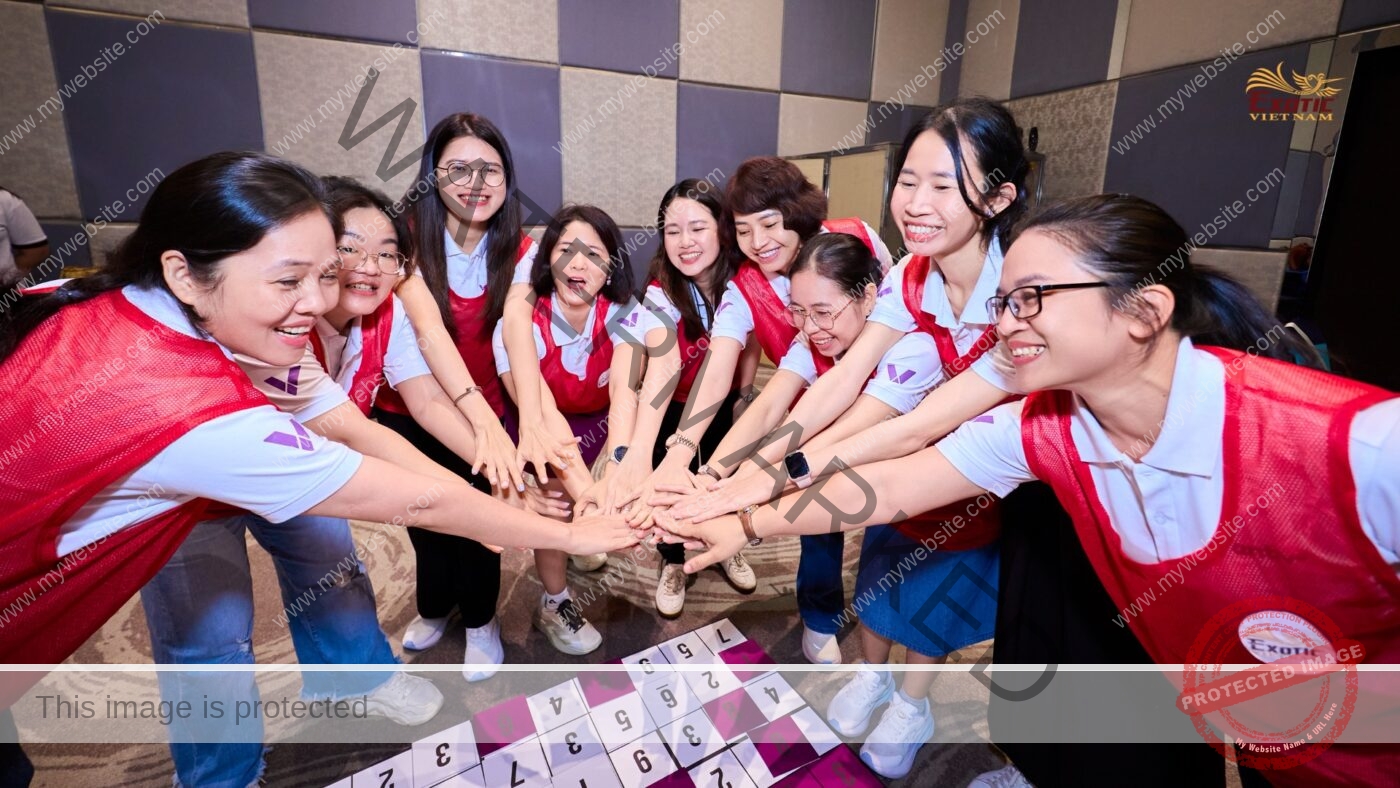
For many years, businesses have viewed Team Building primarily as a one-day group activity: employees step away from the office, participate in games, experience a new environment, socialize with colleagues, and wrap up the day with a Gala Dinner. This format can effectively create a fun atmosphere, relieve stress, and strengthen team connections in the short term.
However, as business expectations evolve, so does the role of Team Building. If the goal is not simply to “have more fun and build closer relationships”, but also to improve how teams communicate, collaborate, make decisions, solve problems, and work toward common goals, a single event lasting a few hours or one day is unlikely to create sustainable change.
That is why Team Building is increasingly being viewed as a Team Development Journey – a team development journey in which a single event is not the end point, but one step in an ongoing process of assessment – experience – reflection – learning – application – adjustment.
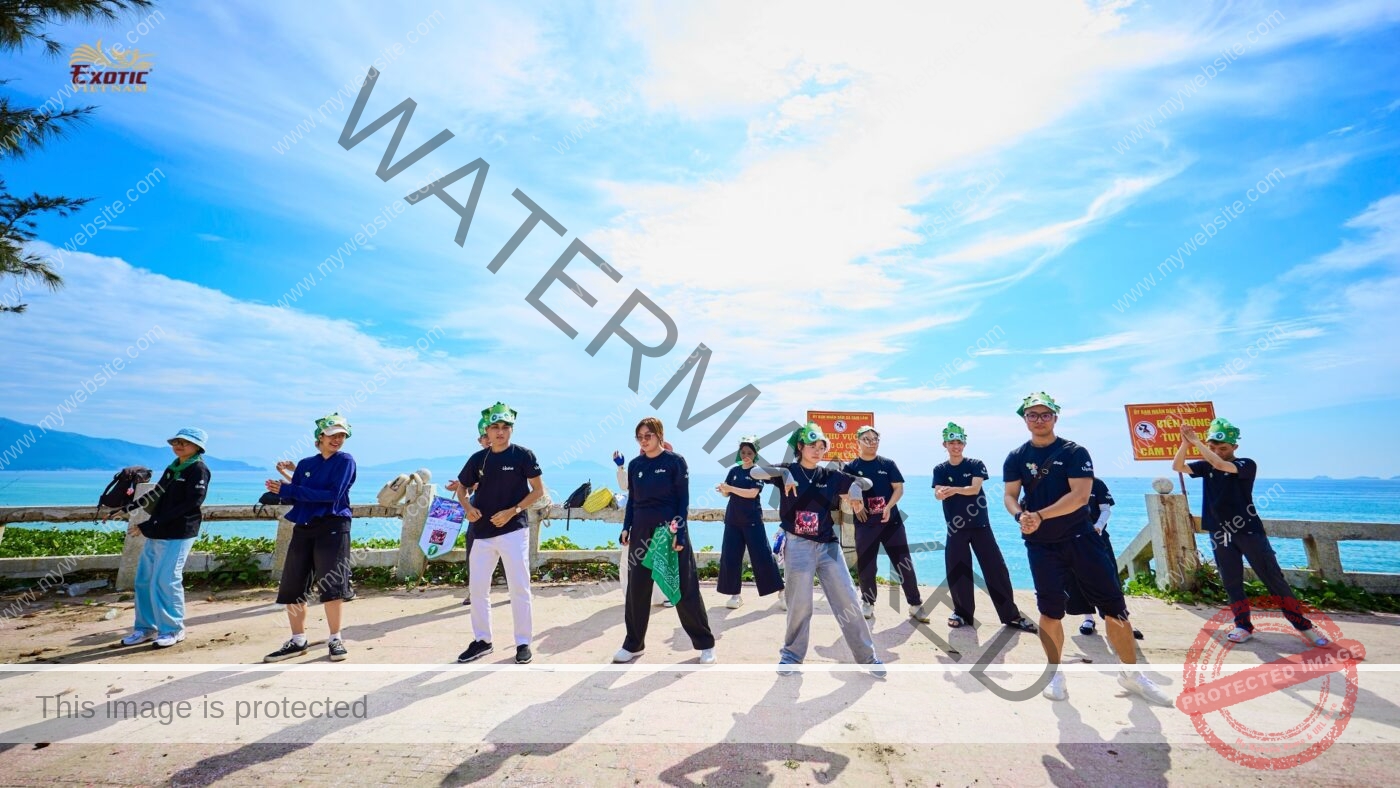
Start with the Team, Not the Games
A Team Building program designed to deliver Business Value should not begin with the question, “What games should we play this year?” Instead, it should start with a more fundamental question: “Where is the team now, and what does it need to develop?” This represents an important shift in the way Team Building programs are designed.
Before selecting the venue, theme, props, or game mechanics, businesses need to clearly define the objectives of the program, the challenges the team is facing, and the capabilities or behaviors that need to be strengthened. These may include Communication, Collaboration, Leadership, Decision-Making, Problem-Solving, Adaptability, Innovation, or a specific organizational value.
To identify these needs accurately, businesses can use various approaches, such as employee surveys, leadership interviews, discussions with HR/L&D, observation of how the team operates, or analysis of issues affecting work performance.
A useful framework in this process is Bruce W. Tuckman’s model of group development. American psychologist Bruce W. Tuckman first introduced the model in 1965 to describe how groups form and develop. The original model consisted of four stages: Forming, Storming, Norming, and Performing. In 1977, Tuckman and Mary Ann Jensen added a fifth stage, Adjourning, describing the point at which a group completes its task, disbands, or transitions into a new stage.
Tuckman proposed that teams do not immediately reach a state of effective performance. Instead, they typically move through different stages of development, each with its own characteristics and challenges. The model can therefore serve as a useful reference for businesses to understand where their teams are and what they need to develop.
- Forming: Team members get to know one another, build trust, understand their roles, and align on common goals.
- Storming: Differences in perspectives and working styles emerge, requiring stronger Communication, Collaboration, and Conflict Management.
- Norming: The team develops shared principles, roles, and ways of working, creating a foundation for effective collaboration.
- Performing: The team reaches a higher level of coordination and is able to tackle problem-solving, decision-making, innovation, and performance optimization.
- Adjourning: Later added by Tuckman and Mary Ann Jensen, this stage describes when a team completes its task, concludes its work, or transitions into a new state.
This leads to an important principle: there is no single Team Building program that is right for every team at every stage. A newly formed team will need a very different experience from a team that has worked together for many years. Therefore, team assessment should be the starting point of the Team Development Journey. Businesses need to understand where their teams are, what challenges they are facing, and which capabilities and behaviors need to be developed before designing the Team Building experience.
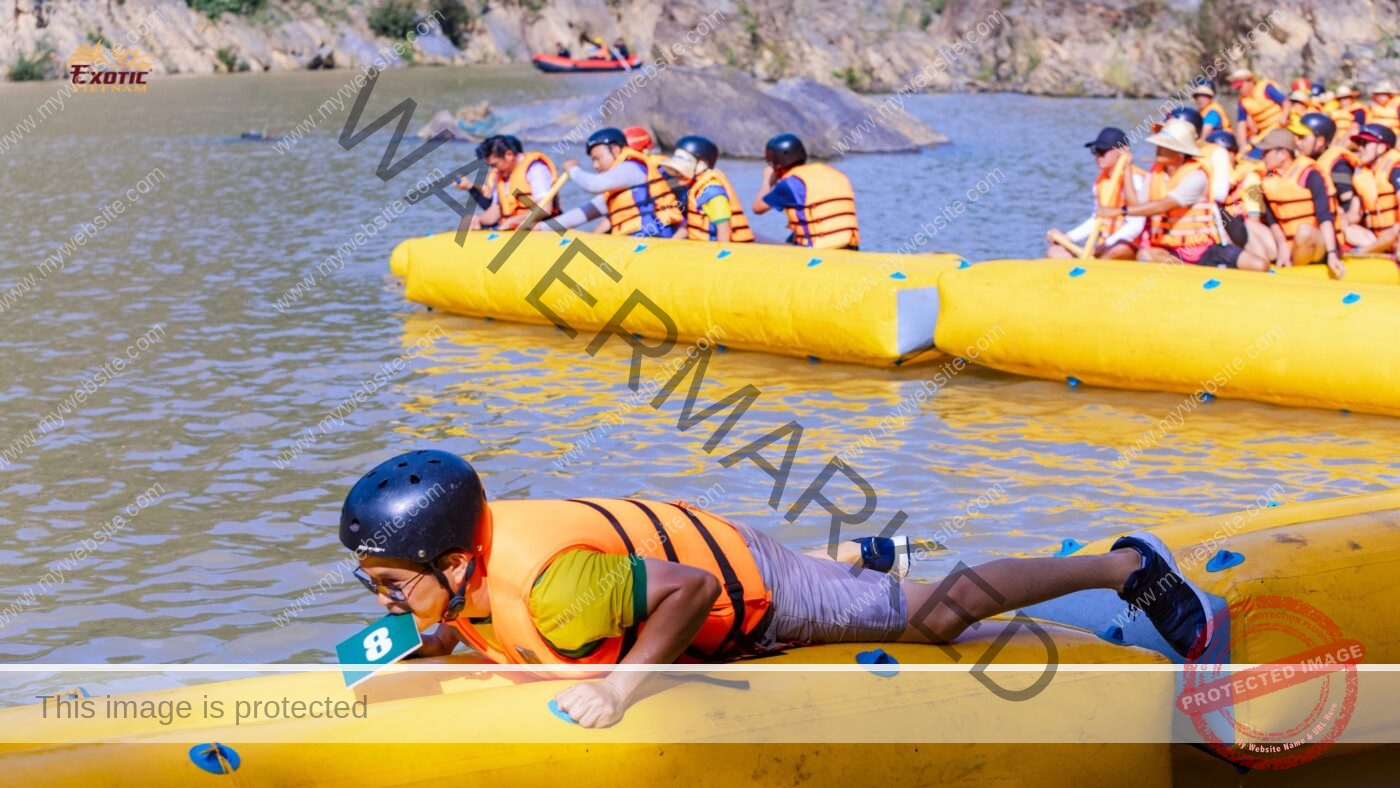
From Objectives to Experience Design
Once the team’s development needs have been identified, the program can then be designed. A clear logic should be maintained throughout the process: Business Objective → Team Objective → Desired Behavior → Experience
What does the business want to achieve? What does the team need to change? What behaviors need to be developed or strengthened? And what type of experience can create those behaviors?
For example, if the goal is to improve Collaboration, the challenge should not simply require participants to “play as a team”. Instead, it should require team members to share information, assign roles, coordinate resources, and take collective responsibility for the outcome.
If the objective is Decision-Making, the challenge can be designed with limitations on time, information, or resources, requiring the team to set priorities, choose an option, and take responsibility for its decision.
If the objective is Leadership, there is no need to simply appoint one person as the team leader. Instead, the challenge can create situations in which leadership emerges naturally through the ability to provide direction, listen to others, allocate resources, or help the team overcome obstacles. Therefore, game mechanics should be selected based on the objective, not the other way around.
The game is not the ultimate goal. It is a tool for creating the behaviors and experiences the business wants to develop. This is also what distinguishes an entertainment-focused Team Building program from a Team Development program. Both can be fun, engaging, and energetic, but a team development program requires a deeper layer of intentional design behind the experience.
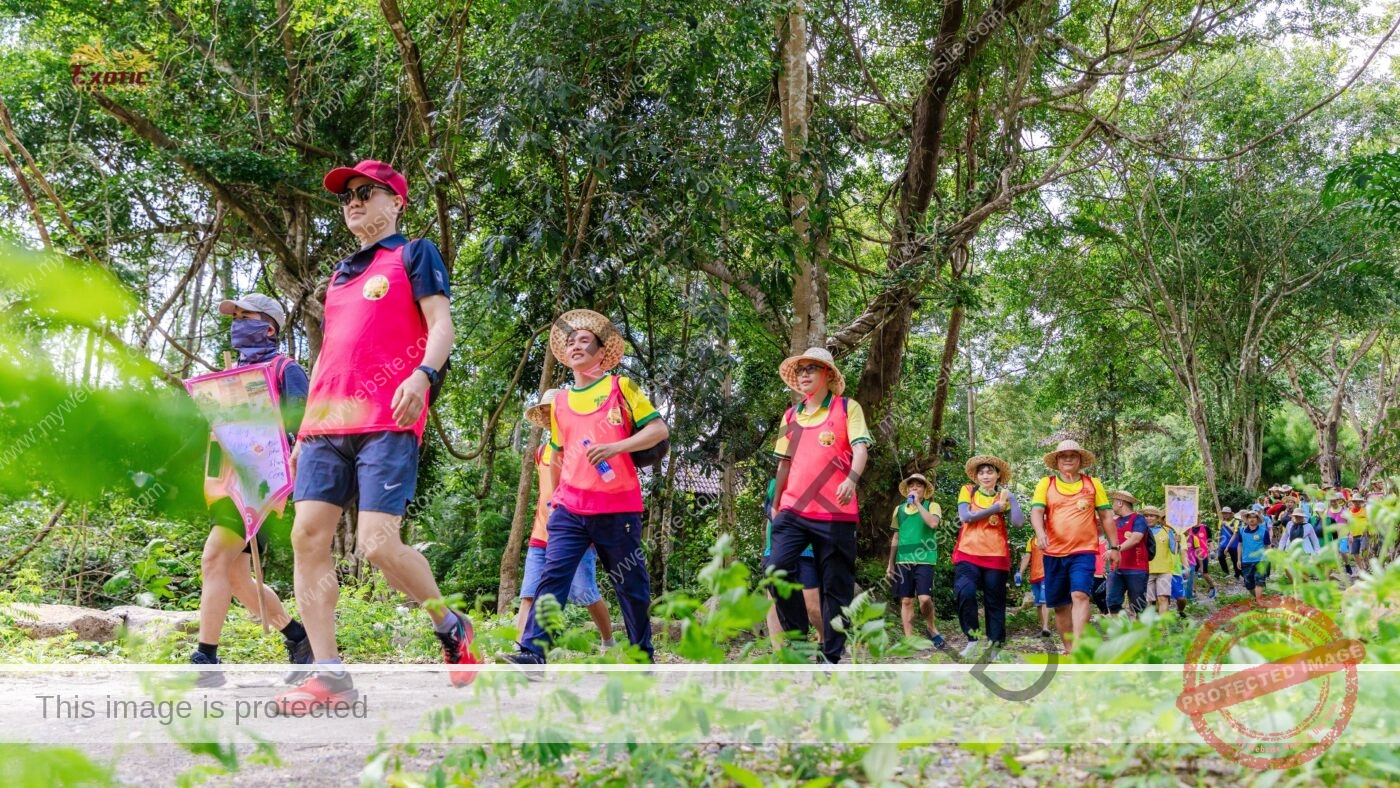
During – Experience, Action and Reflection
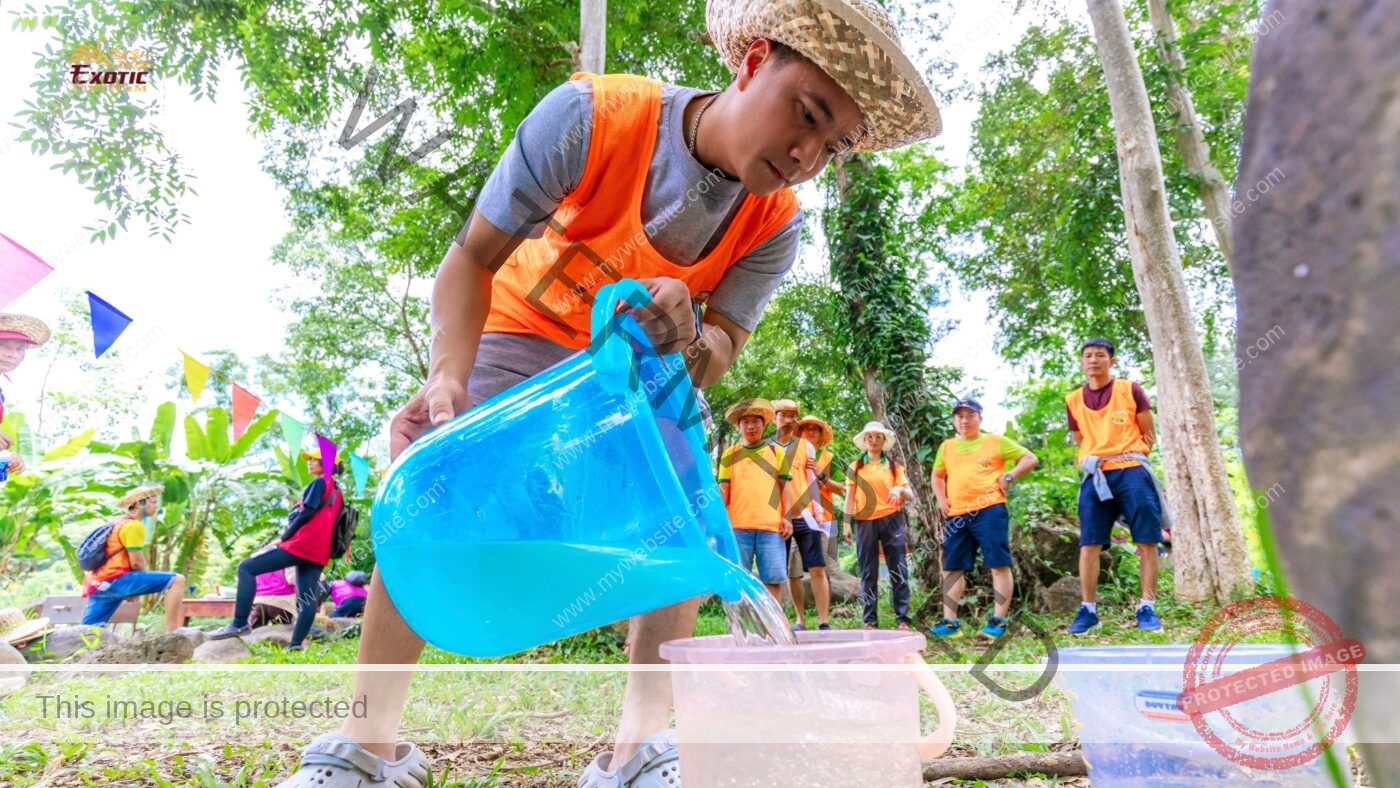
During the program, participants are placed in purposeful challenges that require them to communicate, collaborate, divide responsibilities, manage resources, make decisions, solve problems, and adapt to unexpected situations. However, what matters is not simply whether the team completes the task or wins the challenge. The more important question is: How did the team operate to achieve the result?
A team may win while still recognizing that its communication was ineffective. Another team may not achieve the highest score but discover an important issue in how it assigns roles or makes decisions. If the focus is only on the score, these insights can easily be overlooked.
Therefore, Reflection should be considered an integral part of the experience, rather than an optional activity at the end. After each challenge, participants have the opportunity to pause and reflect on what has just happened:
- What happened?
- Why did we achieve this result?
- What did we do well?
- What could have been more effective?
- Who played an important role?
- How did we communicate and make decisions?
- If we could do it again, what would we change?
- How does this relate to the way we work every day?
This creates an important learning cycle: Experience → Reflection → Insight → Learning
Experience generates real-time observations. Reflection helps the team examine its behaviors. Insight helps identify the underlying reasons and patterns in how the team operates. Learning turns these realizations into lessons that can be applied.
This is the critical link between “game” and “work”. Without Reflection, participants may clearly remember what games they played, but not necessarily understand what they learned from the way their team operated.
From Insight to Action – From Awareness to Change
However, Learning is not the final destination. A team may recognize that it needs to communicate better, make decisions faster, or delegate more effectively, but if these insights are not translated into action, the impact of the program can quickly fade. Therefore, a Team Development Journey needs to include the step Insight → Action. After each challenge or at the end of the program, the team can identify specific behaviors that should be maintained or changed.
For example, instead of making a general commitment such as “we will work better as a team”, the team can define specific actions: share information earlier, clarify responsibilities before starting a task, take time to listen to different perspectives before making decisions, or conduct a retrospective after an important project.
When learning is translated into specific behaviors, Team Building begins to connect more directly with the real work environment.
After – Bringing Learning Back to the Workplace
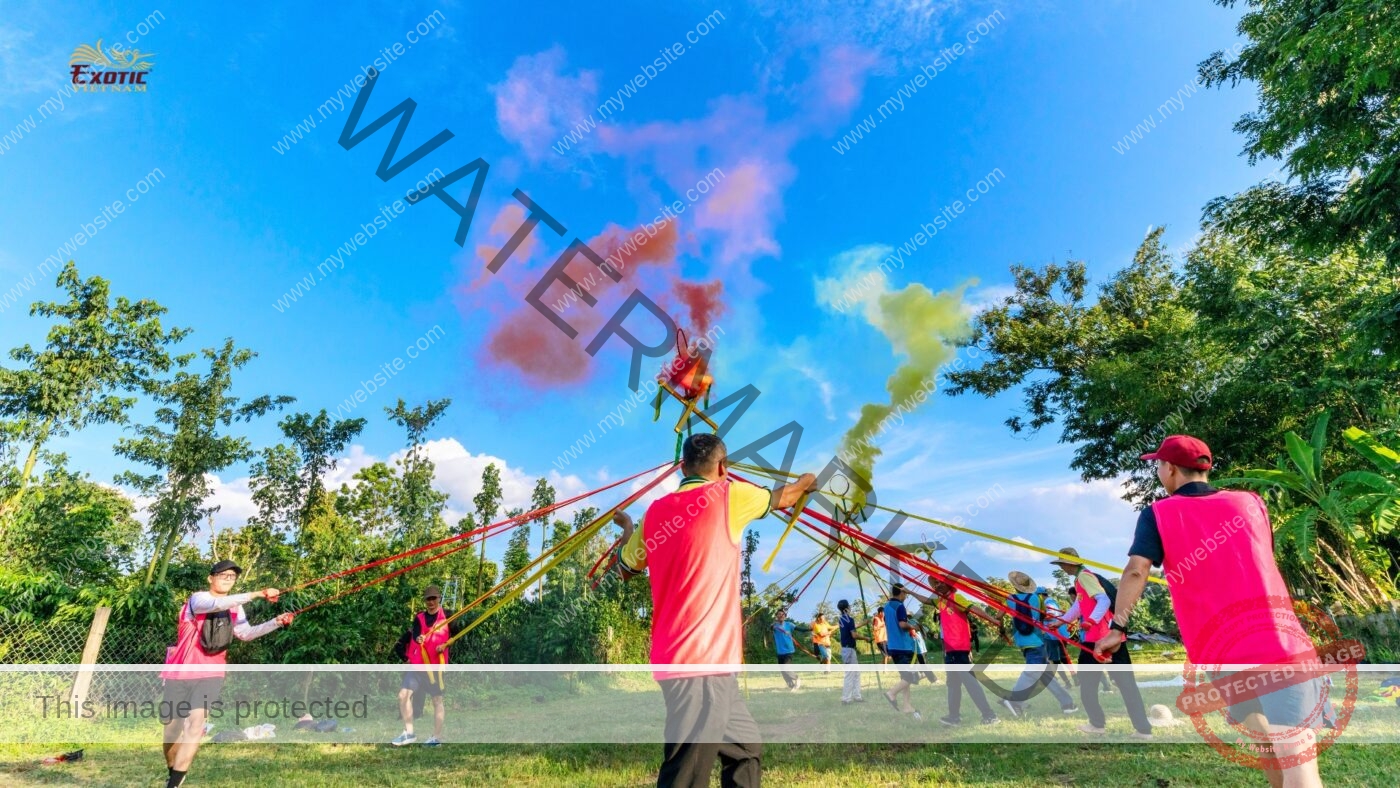
If the experience ends when the program does, the impact of Team Building can quickly diminish. Therefore, the After stage is about bringing what the team has experienced and learned back into the workplace. Businesses can continue to reinforce desired behaviors through workshops, team sessions, coaching, feedback meetings, leadership sessions, or other follow-up activities.
The commitments made during the program can also be followed up to determine whether the team has actually translated its insights into action. For example, if the Team Building experience reveals challenges in information sharing, the company can continue improving communication and collaboration in the workplace. If the experience shows that the team tends to make decisions too slowly, follow-up activities can focus on prioritization, decision-making, and ownership.
If the challenge is related to leadership, subsequent activities can provide opportunities for team members to take turns leading projects or taking responsibility for specific tasks. In this way, a One-Day Event becomes a catalyst for a longer-term team development process.

A Team Development Journey Does Not Have to Be Continuous
A “journey” does not mean that a company has to organize Team Building activities continuously for months or turn every group activity into a training program. What matters is that the activities are connected by a clear development objective.
A Team Development Journey can begin before the event with a survey or team assessment. During the event, participants take part in purposefully designed challenges, followed by Reflection after each challenge. After the program, follow-up activities can be used to reinforce desired behaviors.
A simple structure can be:
- Pre – Diagnose & Prepare: Identify needs, objectives, and desired behaviors.
- During – Experience & Reflect: Experience the challenges, observe team behaviors, and reflect on the experience.
- Post – Apply & Follow Up: Bring insights back into the workplace, follow up on actions, and continue development.
In this way, a one-day Team Building event can remain a standalone event in terms of time, but it is no longer a standalone experience in terms of team development.
The New Role of Team Building Organizers
As Team Building evolves from a One-Day Event into a Team Development Journey, the role of the organizer must evolve as well. The value is no longer simply in creating a fun and energetic program, but in understanding the business objectives and designing experiences that create value for the team.
Organizers need to work closely with HR, L&D, and Leadership to translate development objectives into meaningful experiences. This requires capabilities across Experience Design, Game Mechanics, Facilitation, Reflection, and Learning Design.
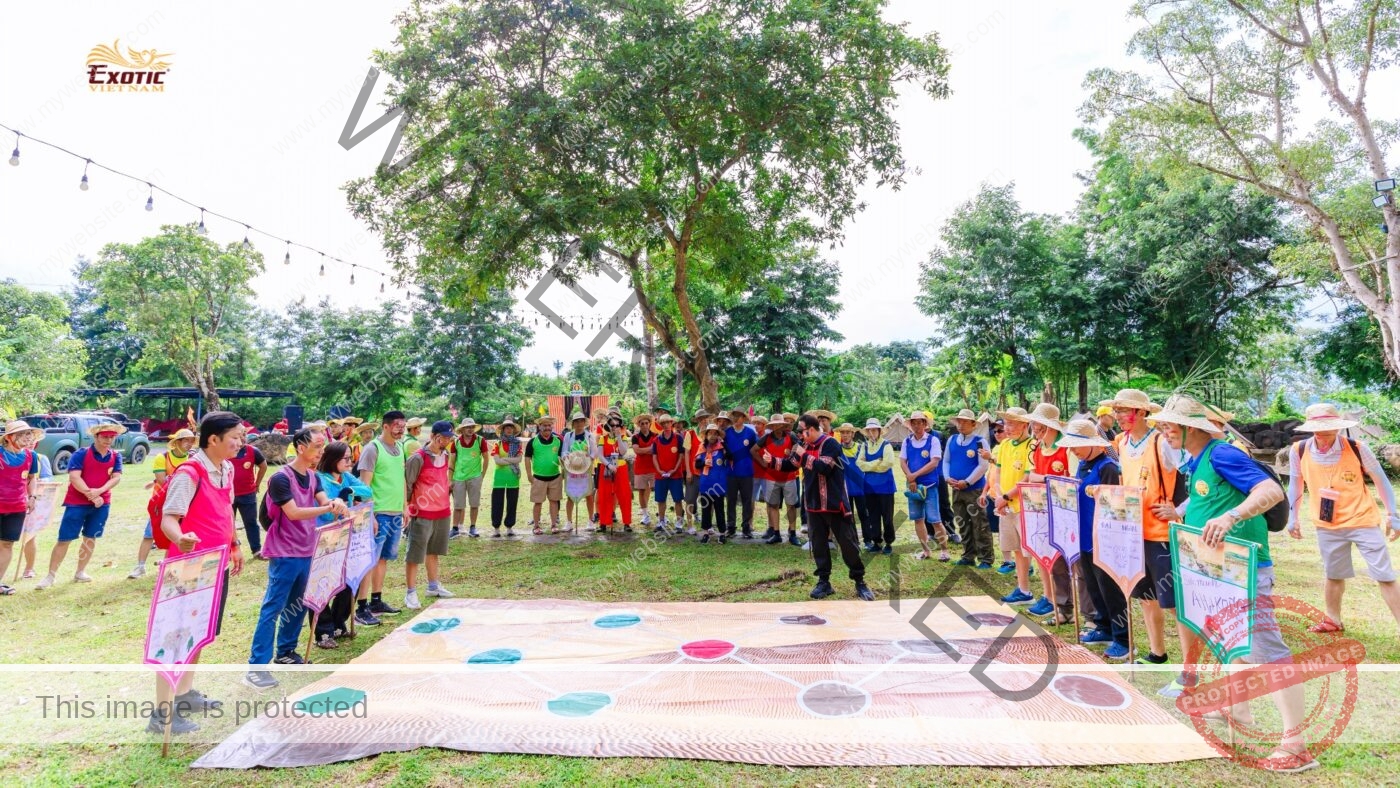
For Exotic Vietnam, this represents a shift from Event Organizer to Experience & Team Development Partner. Team Building programs are designed around specific business objectives, from Collaboration, Communication, Leadership, and Decision-Making to organizational culture and shared values. Each challenge is not only designed to create engagement but also to simulate workplace situations, allowing teams to demonstrate how they communicate, collaborate, and make decisions. Through Reflection, these experiences can be transformed into insights and lessons that connect with the workplace.
Therefore, a good program does not necessarily need a large number of games. What matters more is that every experience has a clear purpose and contributes to a specific development objective.
From “A Memorable Day” to “A Step Forward for the Team”
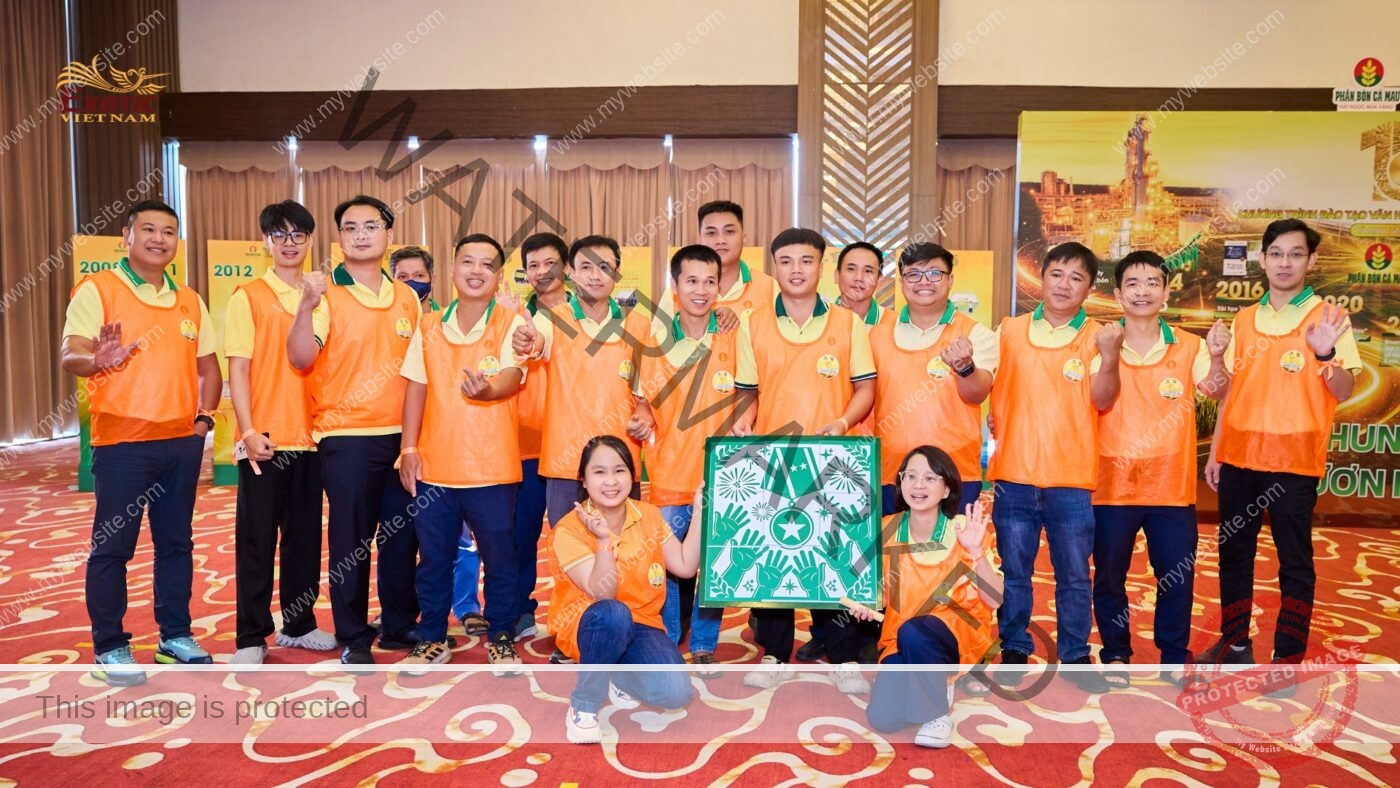
Team Building in the new era does not need to abandon Fun. On the contrary, Fun remains an important foundation for creating energy, emotion, and engagement. But Fun is no longer the ultimate destination. A high-value program should create a connection between Engagement – Experience – Reflection – Learning – Action – Growth.
Participants may begin with fun and games, but they can leave with a new understanding of their own team: how they communicate, how decisions are made, how leadership emerges in challenging situations, or how the team responds when resources are limited.
Most importantly, these insights need to be brought back into the workplace. The question “What games should we play for Team Building this year?” can gradually be replaced by a more meaningful question: “After this journey, how will our team work differently?”. That is the shift from One-Day Event to Team Development Journey.
One day can create emotions. An experience can generate insight. But a deliberately designed journey can turn insight into action, and action into change. This is when Team Building becomes more than an employee activity – it becomes part of a company’s broader strategy for people and team development.
