


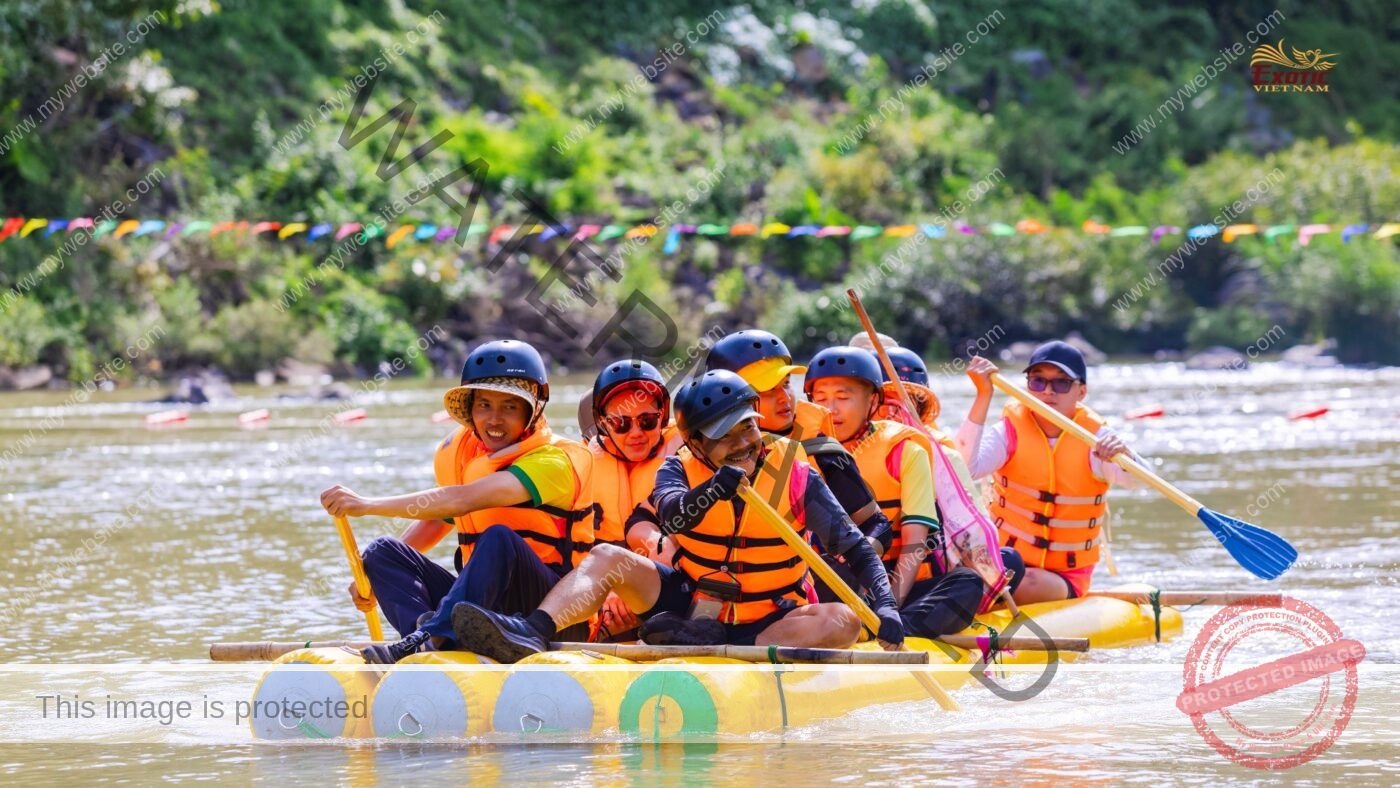
One of the key differences between traditional Team Building and Team Building designed to create Business Value does not lie in whether the games are newer, more engaging, or more complex, but in how the games are designed and what they are intended to simulate.
A game can be fun, highly competitive, and full of energy. However, if its primary objective is simply to complete a task and determine a winning team, its value largely remains in entertainment, engagement, and team bonding. By contrast, when game mechanics are built around the challenges and capabilities that teams genuinely need in their work, the game can become a simulation environment where participants experience how to communicate, allocate resources, make decisions, manage risks, and collaborate toward a common goal.
This represents an important shift in modern Corporate Team Building: from creating games for people to have fun together to designing purposeful experiences that help teams better understand how they work together and identify opportunities to improve collaboration in the workplace.
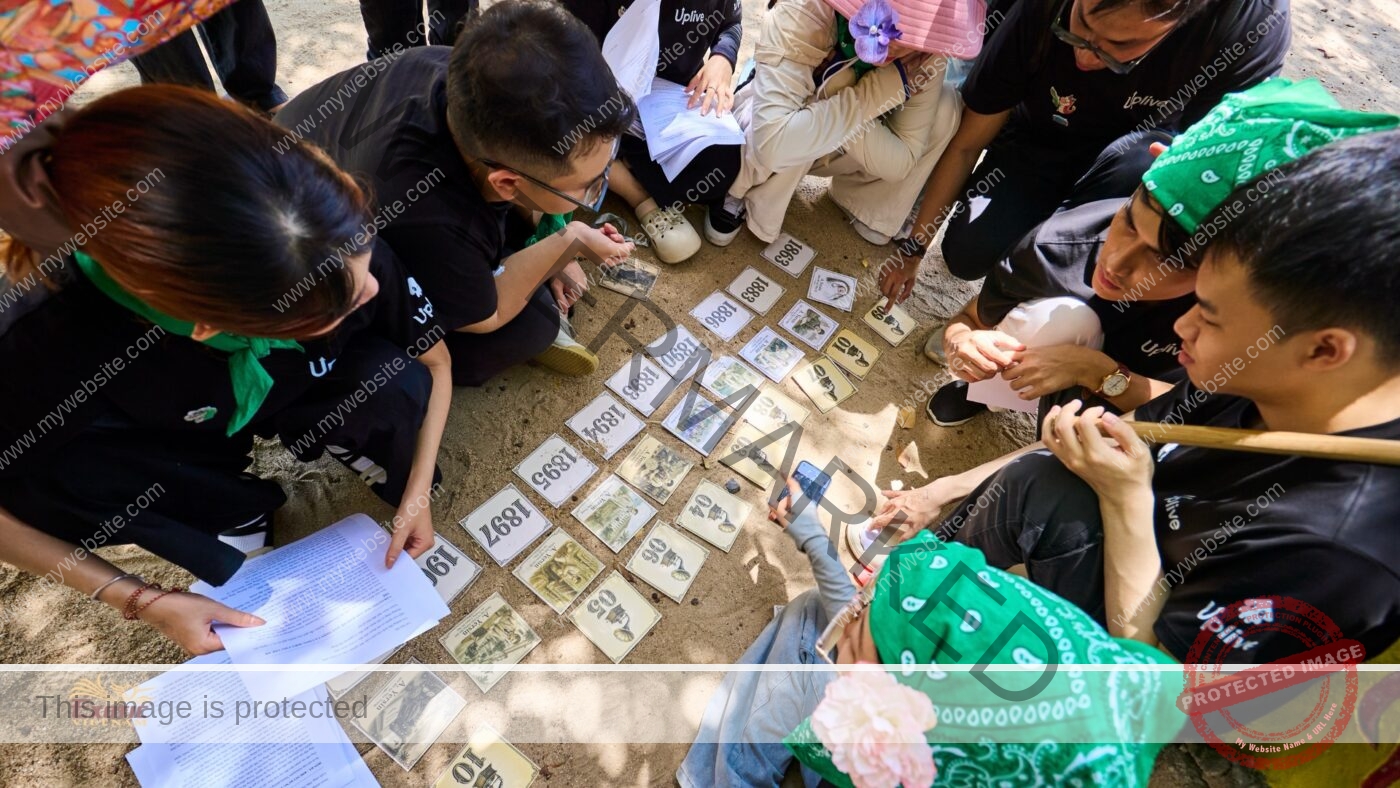
Traditional Game Structure: Play – Compete – Win
The basic structure of a traditional Team Building game can be described as: GAME → COMPETITION → SCORE → WINNER.
Participants are divided into teams, given a task, and asked to complete it within a specific time frame. Teams compete based on speed, scores, the number of completed tasks, or the final outcome. The team with the highest score wins.
In this model, the rules and the task are at the center of the experience. Participants need to understand the rules and find ways to complete the challenge faster, more accurately, or more efficiently than the other teams. Success is primarily measured by the outcome of the game.
For example, a challenge may require team members to transport items from Point A to Point B within a limited time. The team that completes the task fastest or transports the greatest number of items wins.
This mechanism has clear benefits. It creates energy, healthy competition, laughter, and a sense of teamwork. Employees who may have limited opportunities to interact in their daily work can participate in a shared challenge, support one another, and create memorable experiences together.
However, the connection to the workplace may still be relatively limited. Once the game ends, the outcome often comes down to which team won, which team lost, or which team achieved the highest score. What happened during the game may not be analyzed in depth to identify the reasons behind the result or its connection to how the team operates in the workplace.
This does not mean traditional Team Building fails to create value. The key issue is whether the experience can be translated into learning and behavioral change. If the program ends with the experience itself, its value remains largely within the activity. When the game is intentionally designed and supported by effective Reflection, however, the same experience can generate deeper insights into how the team works.
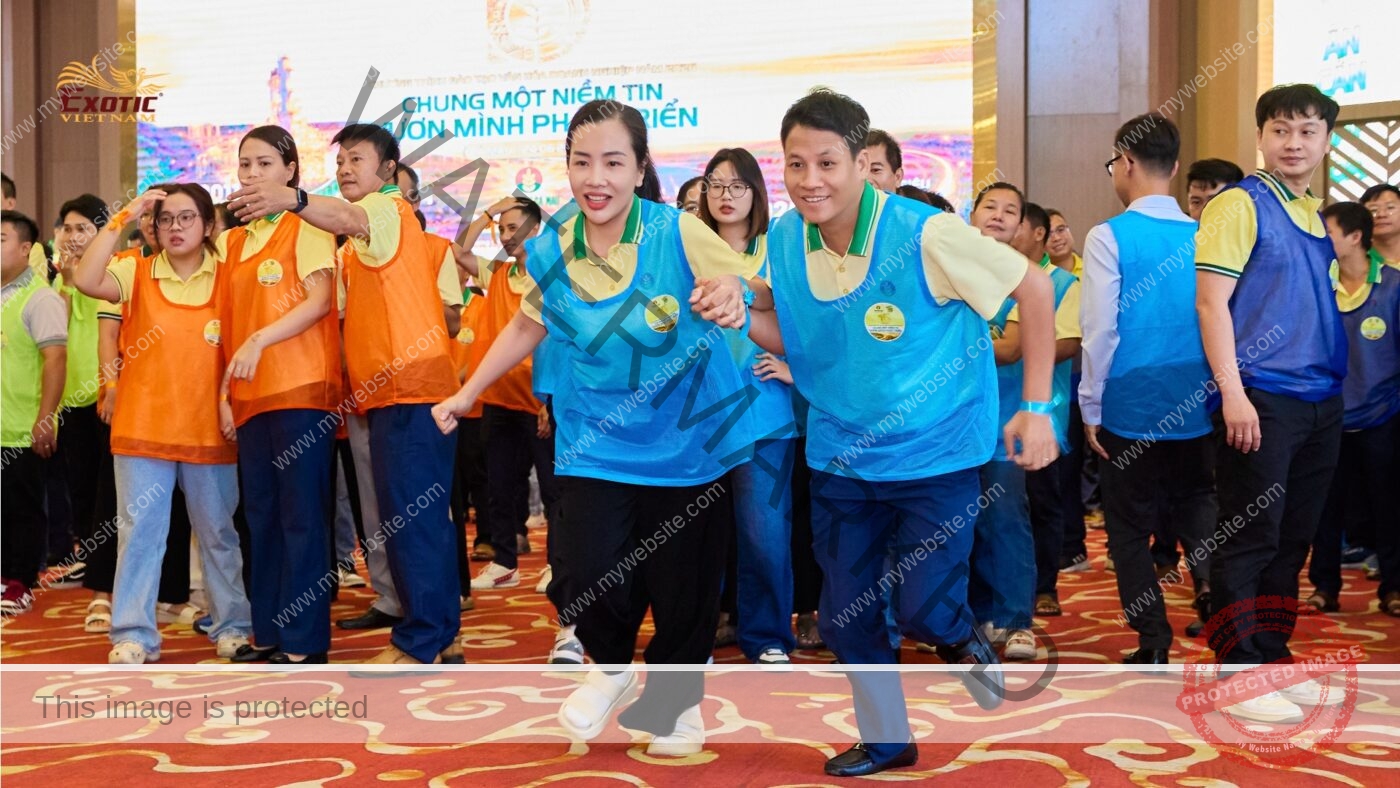
Work Simulation Game Structure: Challenge – Behavior – Decision – Result – Reflection
For Team Building designed to create Business Value, a game can be built around a different logic: BUSINESS CHALLENGE → TEAM BEHAVIOR → DECISION → RESULT → REFLECTION
Here, a business challenge or organizational objective becomes the starting point. The game is designed to create a situation in which participants must apply capabilities similar to those required in their actual work. The outcome depends not only on how quickly the team completes the task, but also on the decisions and behaviors demonstrated throughout the process.
For example, instead of simply asking a team to transport items from Point A to Point B, the program may provide each team with a limited amount of resources. The team must then decide how to use those resources to achieve its objective.
They may choose to use resources to accelerate the first stage, reserve them for a more critical task, trade with another team, or invest in a high-risk option with the potential to generate a greater return.
At this point, a simple game begins to simulate challenges that are common in a business environment: Resource Allocation → Prioritization → Negotiation → Risk Management → Collaboration → Decision-Making
Participants are no longer simply completing a task. They are managing a situation involving multiple choices and consequences.
What makes this approach particularly valuable is that these capabilities do not necessarily need to be explained beforehand as theoretical concepts. Participants discover them through experience. When they allocate resources poorly, they see the consequences. When information is not shared effectively, the team encounters difficulties. When decisions are made too slowly, opportunities may be lost. When collaboration works well, results improve. In this way, the game becomes a miniature model of how the team operates.

When Resources Become a Variable in the Game
One of the simplest yet most effective ways to introduce Business Relevance into Team Building is to incorporate limited resources into the game mechanics. For example, each team may receive a certain number of Business Credits to use throughout the program. Teams must decide which tools to purchase, which tasks to invest in, whether to trade resources with other teams, or whether to reserve resources for more critical challenges. There is no single correct solution.
If a team uses too many resources in the early stages, it may not have enough left for the final challenge. If it is overly cautious, it may miss valuable opportunities. If the team needs additional resources, it may have to negotiate or trade with other teams. A decision that appears beneficial in the short term may create disadvantages in the next stage. This is what gives the game its simulation dimension.
In a real business environment, organizations never have unlimited resources. Budgets, people, time, information, and management capabilities are all limited. Therefore, the ability to achieve results depends not only on how much a team has, but on how effectively it uses what is available.
Through game mechanics, a Team Building program can create situations that mirror real business challenges:
- Resource Allocation: Allocating and using limited resources effectively.
- Prioritization: Determining what needs to be done first and what can be postponed.
- Negotiation: Negotiating to gain additional resources, information, or opportunities.
- Risk Management: Balancing opportunities, costs, and risks before making decisions.
- Collaboration: Working together across team members or teams to achieve a common goal.
- Decision-Making: Making appropriate choices and taking responsibility for the outcomes.
More importantly, participants are not simply told that these are important skills. They are placed in situations where they have to apply them. This is the difference between learning by listening and learning by experiencing.
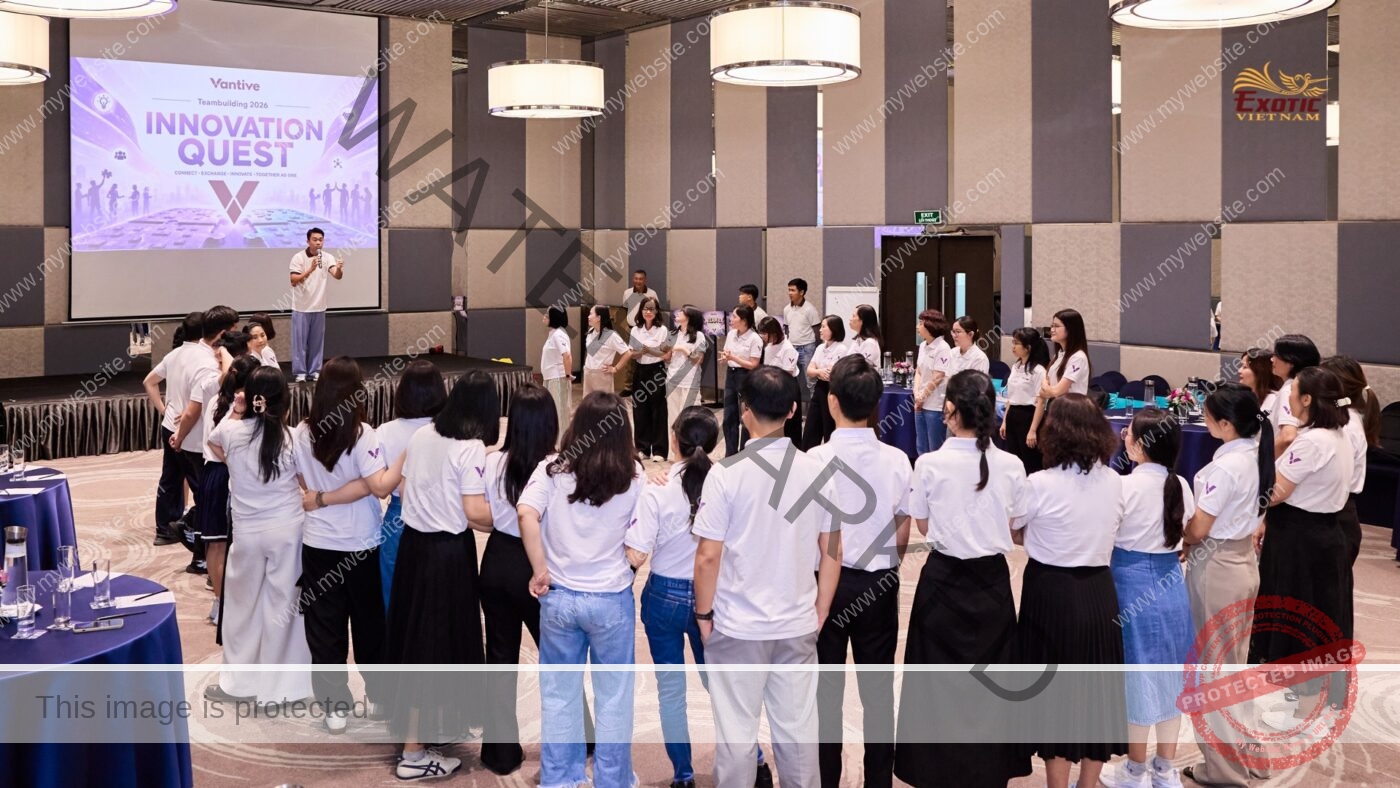
The Game Does Not Just Create Winners – It Creates Data
Another important difference lies in how the results are interpreted.
- In a traditional game: RESULT = WINNER / LOSER
- In a Business Simulation: RESULT = DATA FOR LEARNING
A team may win because it has a strong strategy, but it may also win because its competitors made mistakes. A team may fail because it lacks resources, but the underlying reasons could also include ineffective communication, poor resource allocation, a lack of alignment, or decisions made too late.
Therefore, after the game, the important question is not simply “Who won?”, but “What created this result?”. How did the team make its decisions? Who took the lead? How was information shared? Who made the final decisions? Were different perspectives heard? How were resources used? When the original plan was no longer effective, did the team adapt its strategy? These observations turn the game outcome into data about team behavior.
For example, one team may complete a challenge very quickly but use almost all of its available resources. Another team may finish more slowly but preserve significant resources for the final round. If we look only at the score, the first team may appear to be more successful. But when the entire journey is considered, a deeper question emerges: Which team demonstrated a more sustainable strategy?
This is where Reflection becomes an essential part of a Business Simulation.
After each challenge, teams need a moment to step back and reflect: What happened? → Why did it happen? → What did we learn? → What would we do differently?
What happened? Why did we achieve this result? Which decisions were effective? Which were less effective? What behaviors helped the team move forward? What behaviors created obstacles? If the team had another opportunity, what would it change?
Reflection connects the game experience to the workplace. It transforms the outcome of the game into learning data, rather than allowing the experience to end with the final whistle. As a result, participants do not simply remember what game they played. They gain a clearer understanding of how their team worked, where its strengths lie, what challenges emerged, and what could be done differently to achieve better results.
From Game Mechanics to Business Simulation
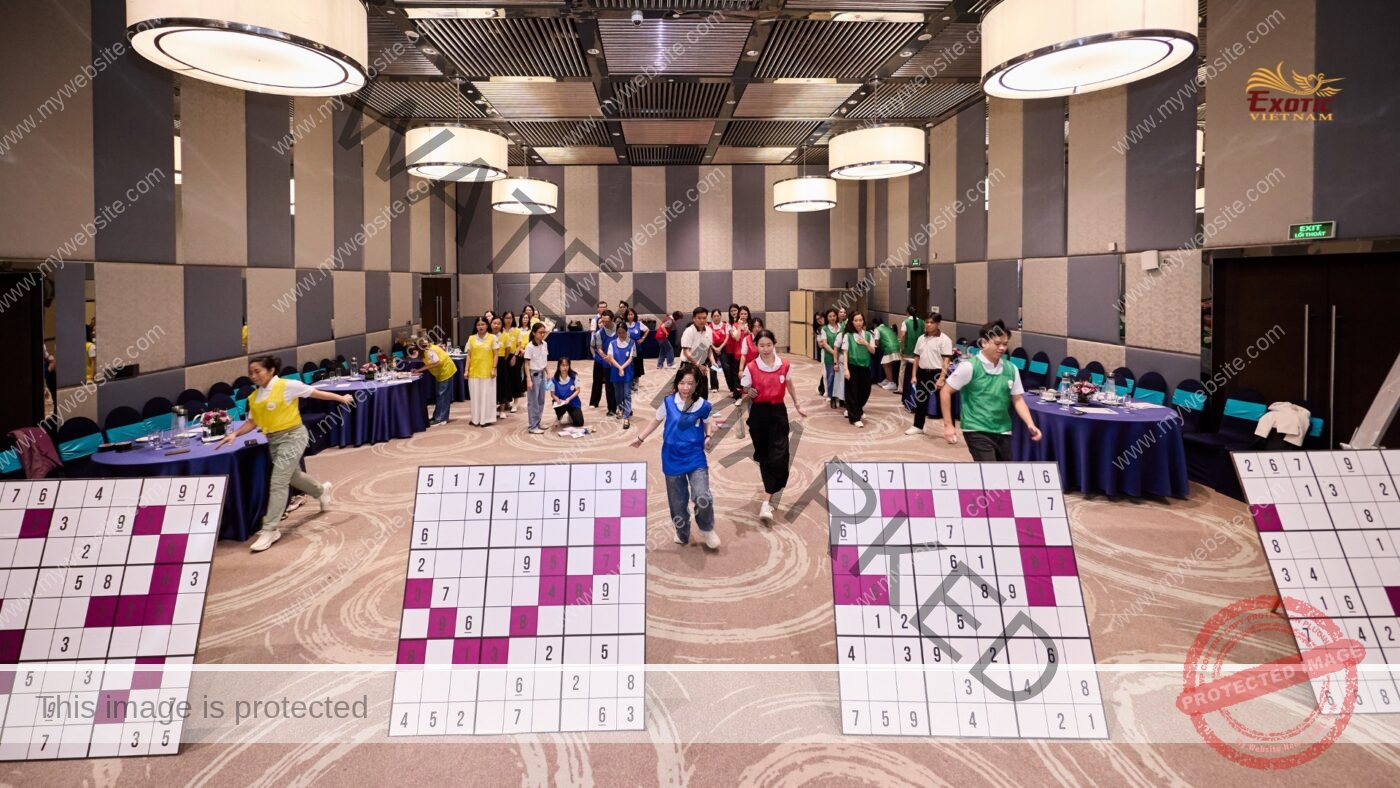
Simply adding play money, scores, or resources to a game does not automatically turn a Team Building activity into a Business Simulation. The value of simulation does not lie in the external format of the game, but in the logic designed into the game mechanics. An effective Business Simulation should incorporate three key elements:
- Simulate the Right Business Challenge: The game should be based on a business-related issue or context, such as resource allocation, market development, innovation, project management, cross-functional collaboration, change management, or strategy development.
- Trigger the Right Team Behaviors: The game mechanics should create situations that require participants to exchange information, negotiate, delegate, prioritize tasks, resolve conflicts, manage risks, or adjust their strategies.
- Measure the Results (Decision – Action – Result): The game outcome should directly reflect the team’s decisions and behaviors. Effective decisions should lead to better results, while ineffective behaviors should create consequences that allow participants to identify, analyze, and adjust their approach.
When these three elements are connected, the game becomes more than just an entertainment activity. It becomes a safe environment for experimentation, where participants can make decisions, observe the consequences, learn from mistakes, and try different approaches without facing the real-world consequences of an actual business decision. This is also one of the key values of modern Team Building.
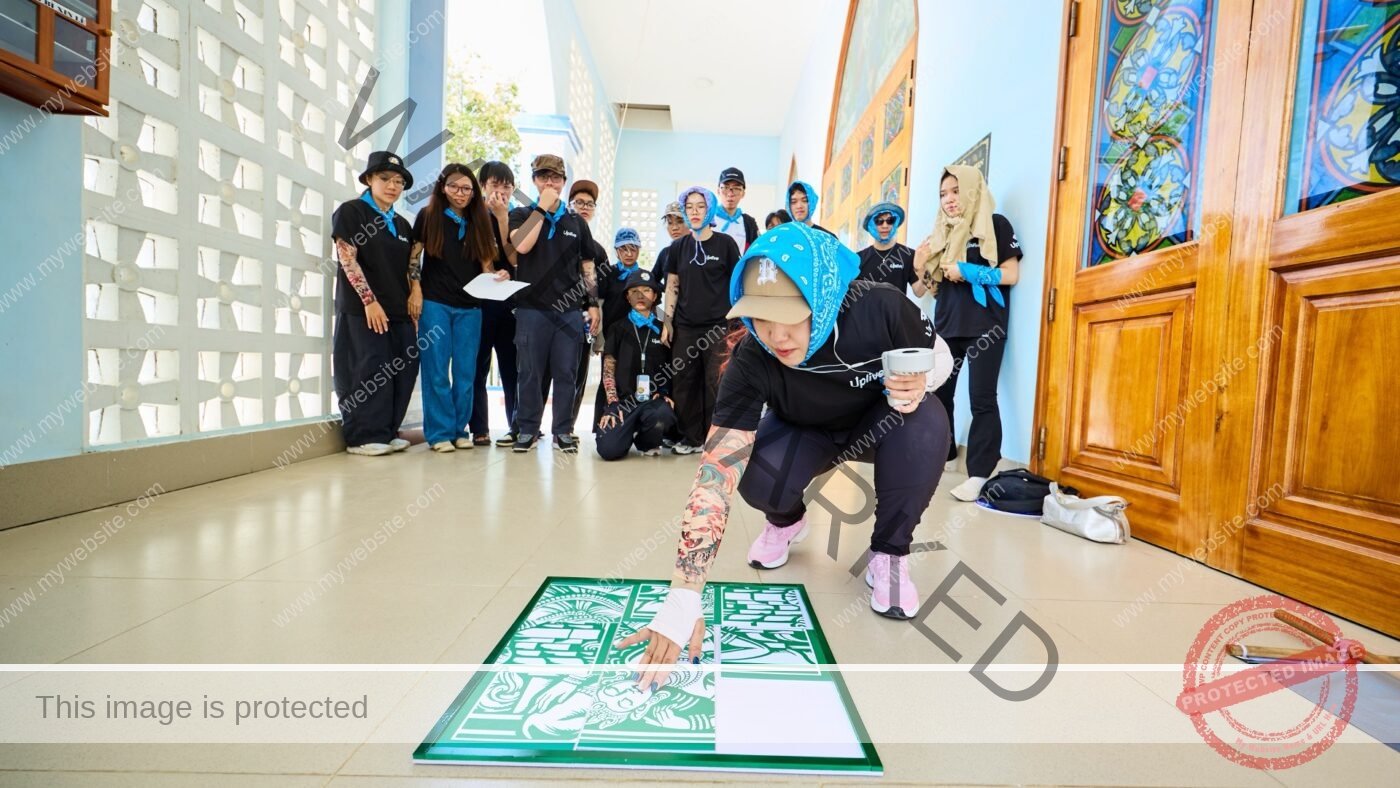
Modern Team Building: Play to Experience – Experience to Understand – Understand to Change
The shift from Game Mechanics to Business Simulation reflects a broader change in how businesses perceive Team Building. Organizations do not necessarily need more games; they need more purposeful experiences, designed around their team development needs and organizational objectives.
An effective program may start with a simple game, but behind it lies an intentionally designed system that incorporates business objectives, limited resources, strategic choices, team behaviors, measurable outcomes, and Reflection.
When these elements are connected, Team Building can create a value chain: EXPERIENCE → BEHAVIOR → INSIGHT → LEARNING → CHANGE → BUSINESS VALUE
Participants experience a situation, develop behaviors, and make decisions. Those decisions produce tangible outcomes, allowing the team to identify its strengths, limitations, and opportunities for improvement. Through Reflection, the game experience is connected to the workplace, generating Learning and creating opportunities to improve the way people collaborate, communicate, and make decisions.
This is where Team Building begins to move closer to Business Value. Its value is not limited to the experience during the program itself, but also lies in the insights and positive changes that can be transferred into the workplace.
Therefore, in modern Team Building, the game is no longer the end goal. The game creates the experience; the experience generates behaviors; behaviors produce data and insights; Reflection transforms those insights into learning; and learning creates a foundation for change.
When intentionally designed, Team Building is no longer simply a day of fun outside the office. It becomes a team development experience, where the game is the vehicle, behavior is the data, Reflection is the bridge, and Business Value is the destination. This is the shift from “Team Building to play together” to “Team Building to work better together”.
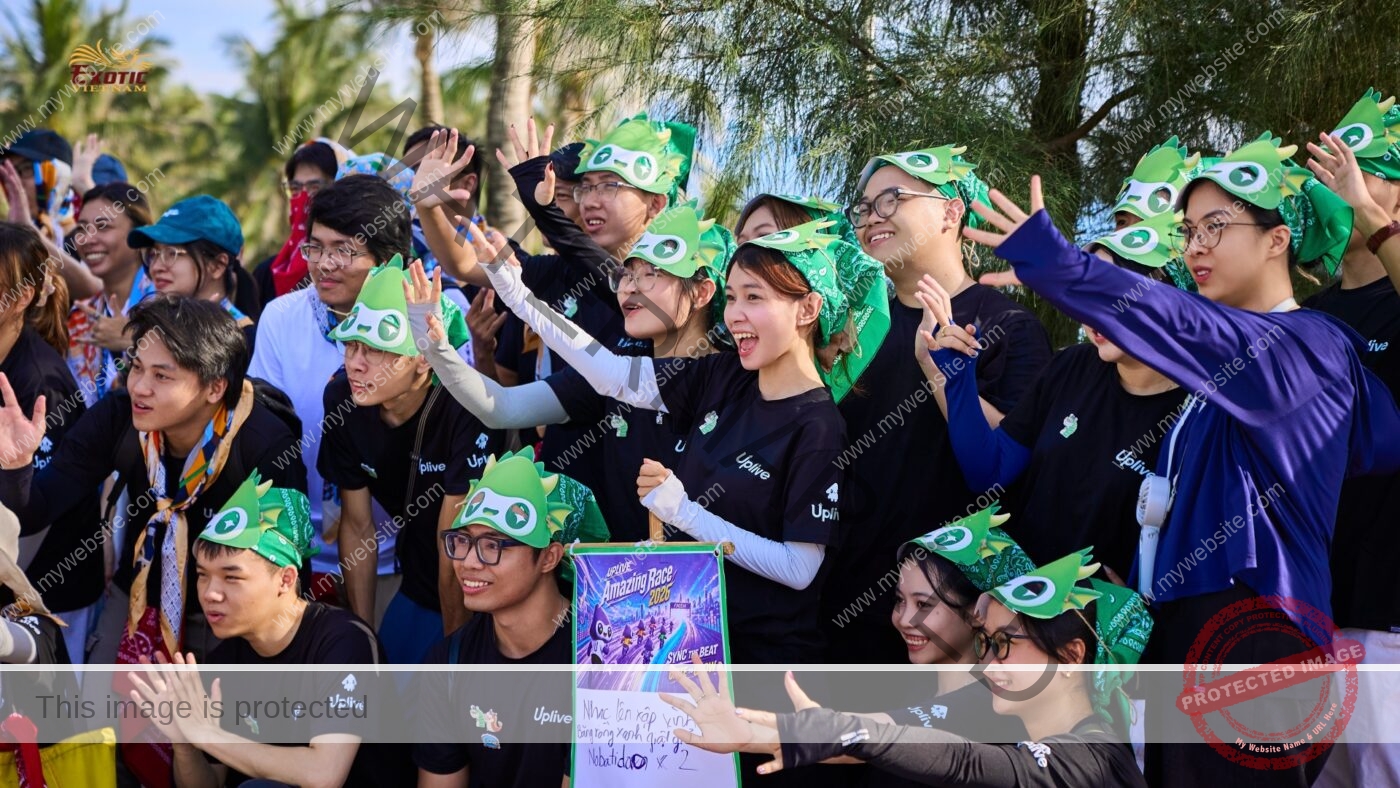
Exotic Vietnam – Your Partner in Experience Design and Team Development
As Corporate Team Building evolves from entertainment toward meaningful experiences and Business Value, the role of the event organizer must evolve as well. Value is no longer defined simply by the ability to deliver a large-scale program, offer a wide variety of games, or create an engaging script. It increasingly depends on the ability to understand the organization’s objectives and translate them into a purposeful experience.
With this approach, Exotic Vietnam goes beyond its role as a Team Building organizer to become a partner in experience design and team development. Starting from the client’s objectives, each program is developed as a journey of Challenge – Experience – Behavior – Reflection – Learning, where every activity has a clear purpose and contributes to the overall objectives of the program.
Rather than applying a fixed game format to every organization, Exotic Vietnam can develop Game Mechanics and Business Simulations based on the specific context, challenges, and capabilities that the organization wants its teams to experience. Elements such as Resource Allocation, Prioritization, Negotiation, Risk Management, Collaboration, and Decision-Making are built directly into the game mechanics, allowing participants to learn through experience rather than simply listening to or being taught theoretical concepts.
A key element of this approach is Reflection. After each challenge, participants have an opportunity to review their team’s decisions, behaviors, and results. This creates a bridge between the experience during the program and the realities of the workplace, helping transform what happens in the game into meaningful insights and learning for the team.
Therefore, a Team Building program designed by Exotic Vietnam does not necessarily need more games. It needs to be more purpose-driven, more behavior-focused, and more capable of generating meaningful learning outcomes.
The goal is to move from Team Building as an opportunity to play together toward Team Building as an opportunity to experience together, understand together, and work better together. In this way, Team Building becomes part of a broader journey of team development and Business Value creation for the organization.
