


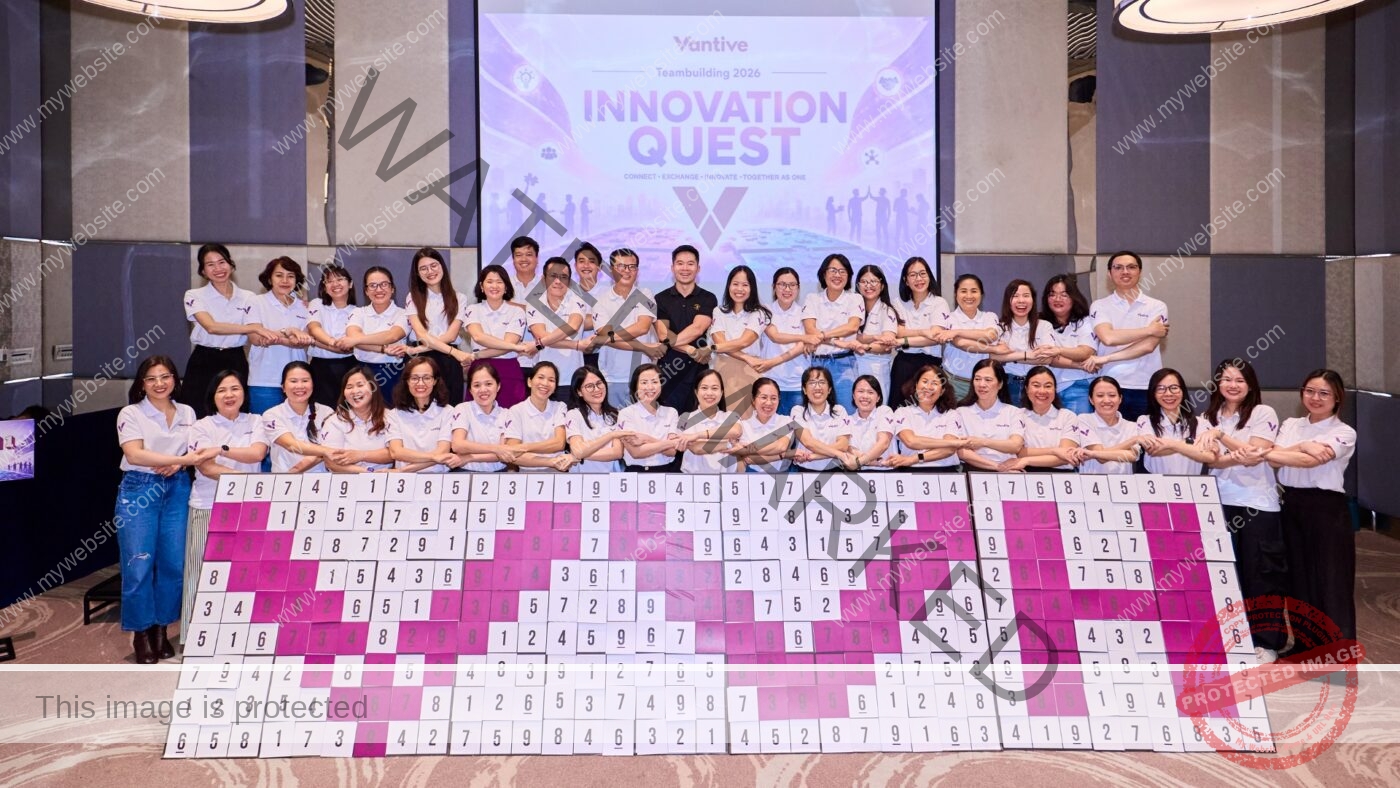
A corporate retreat is more than simply taking employees away from their daily work routine. It provides organizations with an opportunity to strengthen team relationships, develop leadership capabilities, align business strategies, foster innovation, and enhance employee well-being. When thoughtfully designed, a corporate retreat can create lasting value for both individuals and the organization.
With its diverse landscapes, rich cultural heritage, modern hospitality infrastructure, and wide range of activities, Vietnam offers an ideal setting for corporate retreats. From coastal destinations and mountain landscapes to vibrant cities and traditional villages, companies can design programs that combine professional development, team building, cultural discovery, and opportunities to relax and recharge.
However, a successful corporate retreat involves much more than selecting an attractive destination and booking a hotel. It requires clear objectives, careful planning, thoughtful program design, seamless logistics, professional facilitation, and effective follow-up. This guide explores three essential phases – Plan & Design, Experience & Execute, and Measure & Improve – to help businesses plan and deliver a successful corporate retreat in Vietnam.
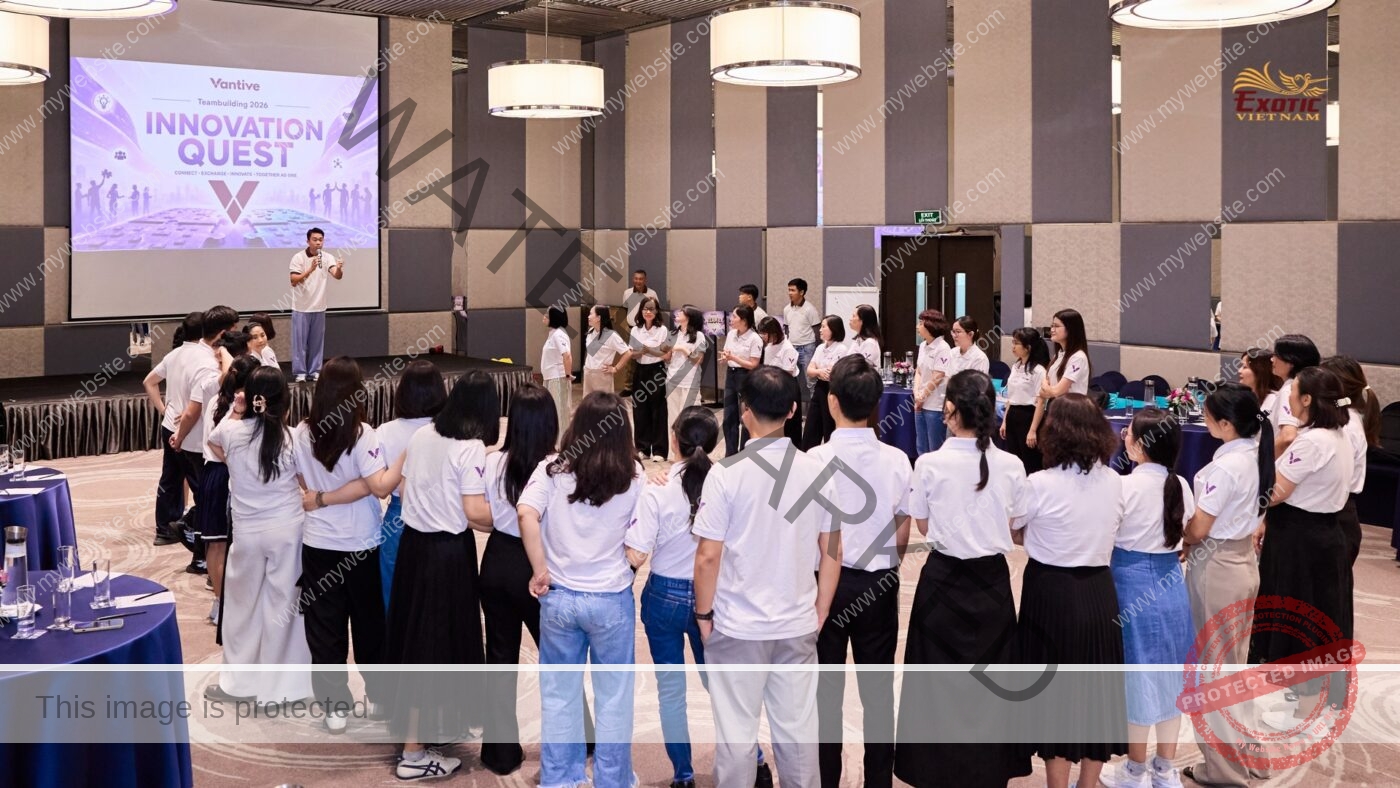
PHASE 1: PLAN & DESIGN
The foundation of a successful corporate retreat begins with understanding the company’s objectives, participant expectations, and available resources. Every decision – from destination selection to activity design – should support the overall purpose of the retreat.
1. Define Clear Objectives
Before planning a corporate retreat in Vietnam, companies should first establish what they want to achieve. Clearly defined objectives will shape the overall program, guide activity selection, and ensure the retreat delivers meaningful value beyond simply taking time away from the workplace.
Common objectives include:
- Strengthen Team Cohesion: Build stronger relationships, trust, communication, and collaboration among employees. Team-building activities can help participants better understand one another, improve teamwork, and foster a stronger sense of belonging.
- Support Strategic Planning: Create dedicated time and space for leadership discussions, business reviews, and long-term strategy development. Professional facilitators or experienced consultants can help teams explore new directions, align priorities, and translate ideas into actionable plans.
- Enhance Skills & Capabilities: Incorporate targeted workshops that address specific development needs, such as leadership, cross-cultural communication, problem-solving, decision-making, and digital transformation.
- Foster Innovation & Creativity: Organize brainstorming and ideation sessions in inspiring environments. Approaches such as Design Thinking can encourage fresh perspectives, creative thinking, and collaborative problem-solving.
- Promote Employee Well-being: Give employees opportunities to relax, recharge, and reconnect through wellness activities, nature-based experiences, and cultural exploration.
By defining clear objectives from the outset, companies can design a corporate retreat that aligns with business priorities, meets employee needs, and creates lasting value beyond the event itself
2. Understand Your Team & Participant Needs
A corporate retreat should be designed around the people who will participate. Understanding the group’s profile helps ensure that activities are inclusive, engaging, and appropriate for different expectations and abilities.
Consider the following factors:
- Group Size & Team Structure: Identify the number of participants, departments, leadership levels, and existing team relationships.
- Age Groups & Cultural Backgrounds: Consider generational differences, nationalities, languages, and cultural preferences, particularly for international or multicultural teams.
- Physical Abilities & Activity Preferences: Select activities that offer suitable levels of physical challenge and provide alternative ways for participants to contribute.
- Dietary & Accessibility Requirements: Consider dietary restrictions, food preferences, mobility needs, and other special requirements.
- Employee Interests: Understand whether participants prefer outdoor adventures, cultural discovery, wellness, creative workshops, or more relaxed experiences.
A well-designed retreat should give everyone an opportunity to participate, contribute, and feel connected – not just those who enjoy physically demanding activities.
3. Choose the Right Destination & Travel Period
Vietnam offers an impressive variety of destinations, ranging from vibrant cities and culturally rich heritage sites to beautiful coastlines and tranquil natural landscapes. The right destination should reflect your retreat objectives, team preferences, planned activities, and budget.
Consider these destination categories:
- Urban Exploration: Hanoi and Ho Chi Minh City are suitable for retreats focused on innovation, business development, and market expansion. Both cities offer modern meeting facilities, international-standard hotels, diverse dining options, and opportunities to explore Vietnam’s contemporary lifestyle.
- Cultural Immersion: Hoi An, Hue, and the Mekong Delta are ideal for retreats centered on cultural discovery, local traditions, and community experiences. Cooking classes, traditional craft workshops, village visits, and cultural exchanges allow employees to connect with local heritage.
- Adventure & Team Challenges: Sapa, Ha Giang, Ninh Binh, and Phong Nha offer opportunities for trekking, cycling, kayaking, and outdoor challenges that encourage exploration, resilience, leadership, and teamwork.
- Nature & Wellness Retreats: Da Lat, Ha Long Bay, Phu Quoc, Phu Yen, and Phan Rang provide inspiring settings for relaxation, mindfulness, sustainability, and employee well-being.
- Balanced Experiences: Da Nang, Nha Trang, and Ho Tram combine modern infrastructure, coastal scenery, cultural attractions, and nature-based activities. These destinations are particularly suitable for companies seeking a well-rounded retreat.
Choose the right time of year
Vietnam’s climate varies significantly between its three regions, so travel dates should be selected according to the destination and planned activities.
- Southern Vietnam: November to April is generally favorable for outdoor activities.
- Central Vietnam: February to August is often more favorable for destinations such as Da Nang and Hoi An.
- Northern Vietnam: Seasonal conditions vary, with cooler winters and warmer summers, offering different experiences throughout the year.
Companies should also consider local festivals, business cycles, and peak travel periods. In particular, Tet (Lunar New Year) may involve business closures, limited services, higher travel demand, and increased accommodation prices.
Ultimately, the best destination is not necessarily the most famous one, but the place that creates the right environment for your team to connect, grow, and achieve shared goals.
4. Plan Your Budget with Precision
Creating a realistic budget is essential for a successful corporate retreat. The budget should cover all major expenses while allowing flexibility for unexpected costs and additional experiences.
As a general planning guideline, consider the following allocation:
Budget Category Indicative Allocation
|
Budget Category |
Indicative Allocation |
|
Accommodation |
35% |
| Activities & Training |
20% |
|
Transportation |
15% |
|
Meals & Entertainment |
20% |
|
Miscellaneous & Contingency |
10% |
| Total |
100% |
These percentages are indicative planning guidelines rather than fixed industry standards. Actual costs will vary depending on group size, destination, duration, accommodation standards, travel arrangements, and program requirements. International flights may need to be budgeted separately.
Working with an experienced local Destination Management Company (DMC) can help companies compare suitable options, optimize costs, and allocate resources effectively without compromising the quality of the experience.
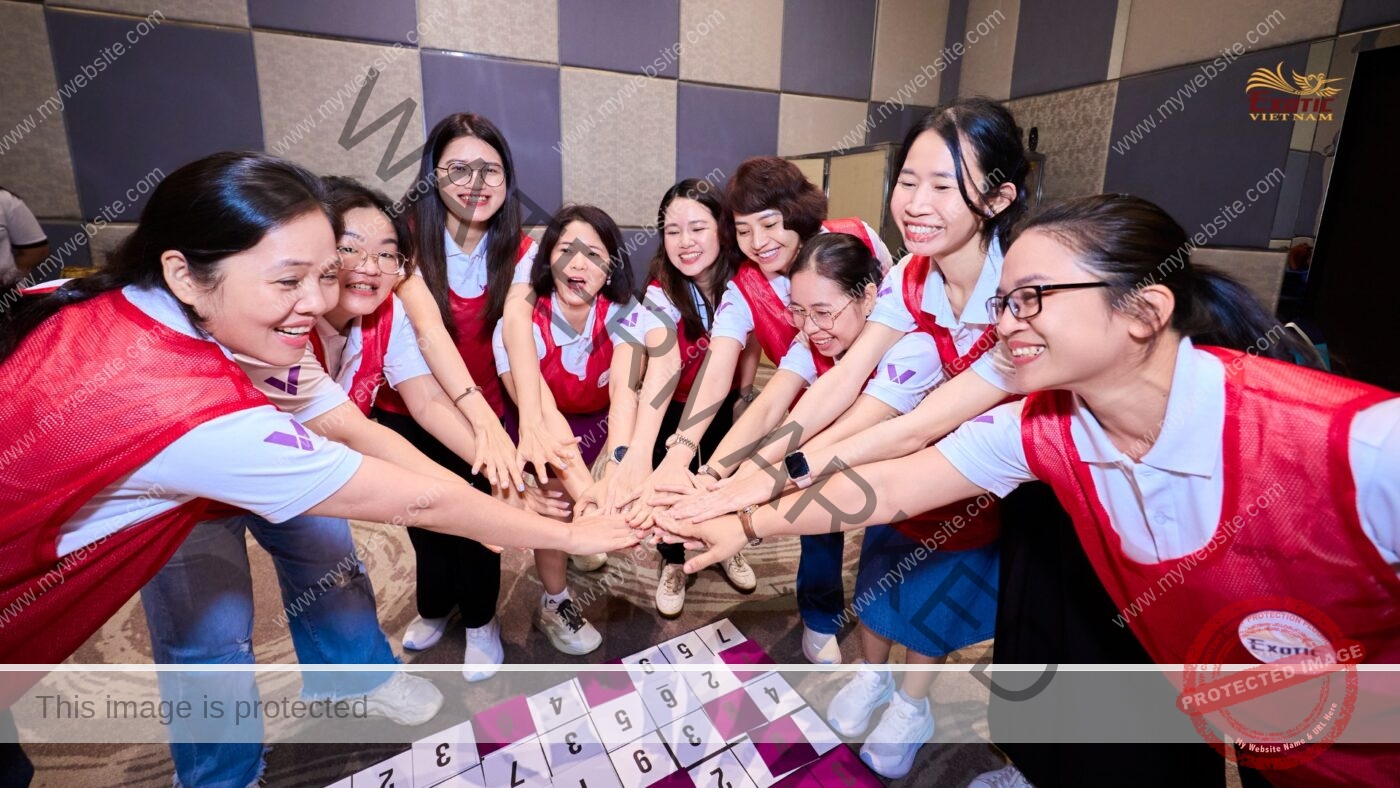
PHASE 2: EXPERIENCE & EXECUTE
Once the objectives, participants, destination, and budget have been established, the next phase is to transform the plan into a well-coordinated experience.
The focus is on creating a balanced itinerary, delivering engaging activities, and ensuring that every operational detail is managed professionally.
5. Create a Balanced Retreat Itinerary
A well-designed corporate retreat itinerary should strike the right balance between professional development, team building, relaxation, and cultural discovery.
Avoid overloading the schedule with too many activities. Participants need sufficient time to engage, recharge, and enjoy the destination.
As a general guideline, consider the following time allocation:
- Professional Development & Structured Sessions (40–50%): Business meetings, workshops, leadership discussions, strategic planning, and knowledge-sharing sessions.
- Team Building & Group Activities (20–25%): Interactive challenges and collaborative experiences that encourage communication, trust, and teamwork.
- Leisure & Personal Time (20–25%): Relaxation, individual exploration, wellness activities, and personal time.
- Cultural & Local Experiences: Integrate authentic local experiences throughout the itinerary, such as traditional craft workshops, culinary activities, cultural performances, and community visits.
These allocations are flexible guidelines rather than fixed rules. The schedule should be adjusted according to the retreat’s objectives, duration, and participant profile.
A successful corporate retreat should follow a natural rhythm of Work – Connect – Explore – Recharge, leaving participants inspired and energized rather than exhausted by an overly packed schedule.
6. Ensure Seamless Logistics & Professional Coordination
Seamless logistics are essential to a successful corporate retreat, particularly when managing international groups, multiple suppliers, and activities across different locations.
Partnering with an experienced local DMC helps streamline operations and coordinate every aspect of the retreat, from arrival to departure.
Key arrangements include:
- Accommodation: Select hotels or resorts that match the budget, group size, and retreat objectives. Confirm room allocations, check-in and check-out arrangements, meeting facilities, and special accommodation requirements.
- Meals & Beverages: Plan meals according to participants’ dietary preferences, cultural backgrounds, and nutritional requirements. Coordinate group dining, coffee breaks, welcome dinners, and special dining experiences.
- Meeting Facilities: Ensure that meeting rooms and event spaces are suitable for the group size and program requirements. Check seating arrangements, lighting, air conditioning, Wi-Fi, and audiovisual facilities.
- Team Building & Activity Spaces: Choose appropriate indoor and outdoor venues, considering space, accessibility, safety, weather conditions, and available facilities. Conduct site inspections when necessary.
- Travel Arrangements: Coordinate international and domestic flights, airport arrivals, departure schedules, luggage handling, and transfer arrangements. Prepare detailed flight manifests and arrival schedules.
- Local Transportation: Arrange private coaches, minibuses, or car services according to group size and travel requirements. Manage vehicle allocation, pick-up points, transfer schedules, and alternative routes.
- Technology & AV Setup: Confirm sound systems, microphones, projectors, LED screens, lighting, and internet connectivity. Prepare backup equipment and technical support to minimize disruptions.
- On-site Coordination & Contingency Planning: Assign dedicated operations staff to coordinate suppliers, manage schedules, monitor program execution, and respond to unexpected situations such as flight delays, traffic disruptions, weather changes, and last-minute adjustments.
Professional logistical planning allows companies to focus on their business objectives and employee experience while leaving operational coordination to an experienced local DMC.
7. Provide Professional Facilitation & Program Management
A corporate retreat becomes more valuable when activities are designed around clear learning objectives and supported by professional facilitation.
Team building should go beyond entertainment. Each activity can be an opportunity for participants to practice communication, collaboration, leadership, problem-solving, and decision-making.
Consider the following elements:
- Experienced Facilitators: Use professional facilitators or trainers who understand group dynamics and can connect activities with the company’s objectives.
- Clear Activity Design: Provide simple instructions, well-defined roles, achievable challenges, and transparent rules.
- Active Participation: Create opportunities for different personalities and working styles to contribute to the team’s success.
- Learning Reflection: Include short debriefing sessions after activities to help participants identify lessons and connect them with real workplace situations.
- Actionable Takeaways: Translate the experience into practical insights that teams can apply in their daily work.
For example, an Amazing Race can be designed around strategic thinking, communication, collaboration, and decision-making, while an eco team-building program can connect teamwork with environmental awareness and corporate responsibility.
The objective is to turn memorable experiences into meaningful learning opportunities.
8. Integrate Sustainability & Responsible Travel
Sustainability can be an important part of a corporate retreat, especially for companies seeking to demonstrate their commitment to environmental and social responsibility.
Vietnam offers many opportunities to integrate responsible travel into corporate programs, from nature-based activities and traditional craft villages to community engagement and local cultural experiences.
Companies can consider:
- Support Local Communities: Work with local guides, artisans, restaurants, and small businesses to create direct economic benefits for the destination.
- Choose Responsible Activities: Include nature discovery, traditional craft workshops, cultural exchanges, and community-based experiences that respect local customs.
- Reduce Environmental Impact: Minimize single-use plastics, manage waste responsibly, and select suppliers with more sustainable operating practices.
- Integrate CSR Activities: Organize tree planting, environmental clean-ups, community support projects, or other activities aligned with corporate values.
- Promote Cultural Preservation: Encourage participants to learn about local traditions, craftsmanship, and the cultural identity of the communities they visit.
When thoughtfully designed, responsible travel can strengthen team connections while creating a positive relationship between the company, its employees, local communities, and the destination.
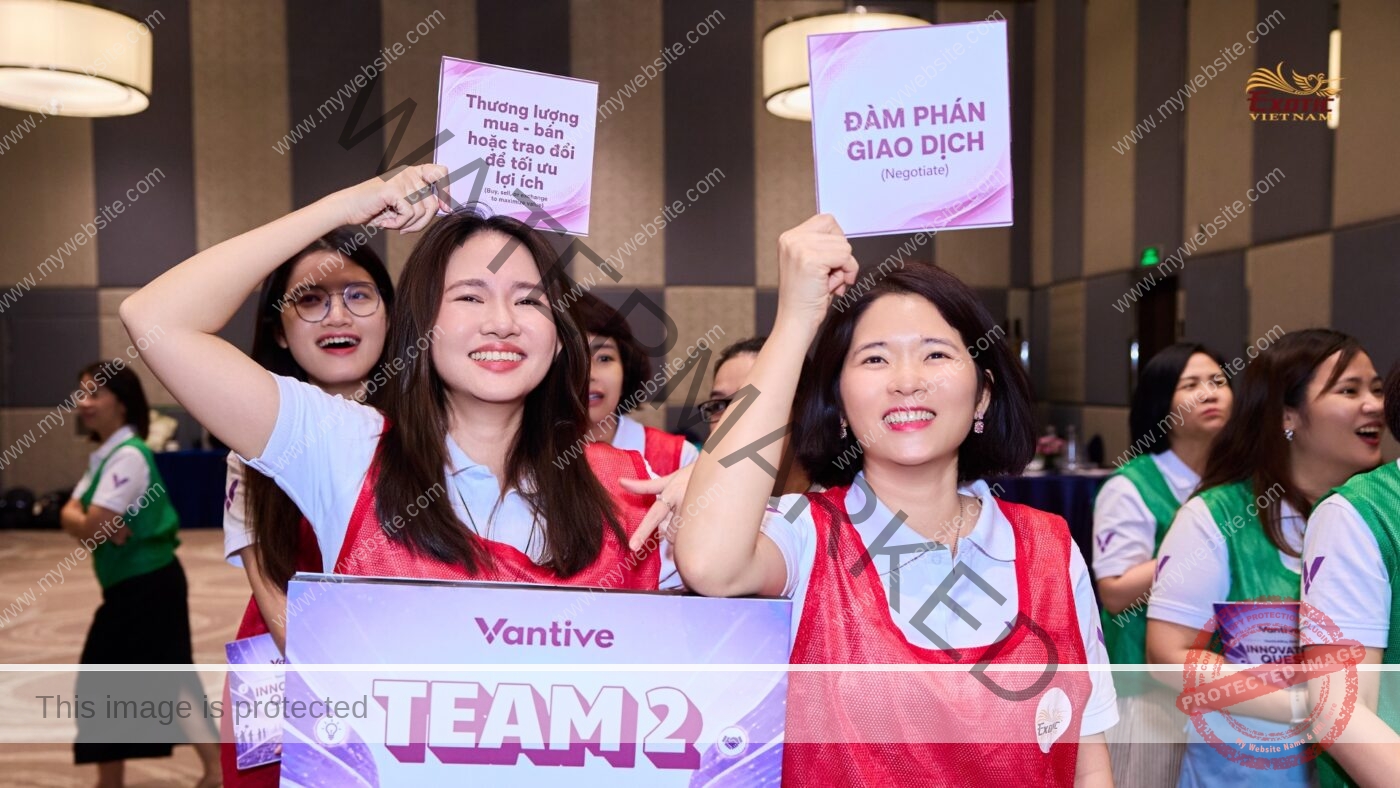
PHASE 3: MEASURE & IMPROVE
A corporate retreat should not end when participants return to the workplace. The final phase focuses on evaluating outcomes, capturing key insights, and turning the experience into practical improvements that can support the team over time.
9. Measure Results & Follow Up After the Retreat
Measuring results helps companies understand whether the retreat has achieved its intended objectives and identify ways to sustain its benefits beyond the event.
Depending on the program’s goals, companies can use several approaches:
- Collect Participant Feedback: Conduct post-retreat surveys to gather feedback on participants’ satisfaction, engagement, and overall experience. Their comments can also reveal which activities were most valuable and where improvements may be needed.
- Compare Pre- and Post-Retreat Assessments: Use a consistent set of questions before and after the retreat to explore changes in employees’ perceptions of team communication, collaboration, trust, problem-solving, and team alignment.
- Review Program Objectives: Evaluate the outcomes against the original objectives, such as stronger team relationships, improved strategic alignment, enhanced employee engagement, or better cross-functional collaboration.
- Identify Key Insights: Consolidate participant feedback and observations to highlight team strengths, recurring challenges, lessons learned, and opportunities for further development.
- Recommend Follow-up Actions: Translate the findings into practical next steps, such as team discussions, internal workshops, leadership initiatives, or ongoing development activities that reinforce the retreat’s key messages.
Plan Your Corporate Retreat in Vietnam with Exotic Vietnam
A successful corporate retreat is an investment in your people and your organization’s future. When thoughtfully designed and professionally managed, it can bring teams closer, strengthen leadership, encourage new ideas, and create a shared sense of purpose that continues long after the program ends.
With over a decade of experience in Vietnam’s MICE and team-building industry, Exotic Vietnam is a Destination Management Company (DMC) based in Ho Chi Minh City, specializing in corporate retreats, team building, incentive travel, corporate events, and customized group experiences.
Since 2013, we have worked with businesses to create programs that connect people, inspire collaboration, and support organizational goals. Our approach combines professional program design, local expertise, and authentic experiences that reflect Vietnam’s cultural diversity, natural landscapes, and local communities.
From destination selection and itinerary planning to team-building activities, meeting arrangements, logistics, and on-site coordination, our team manages every detail to ensure a smooth and engaging experience.
We also believe that a corporate retreat can create value beyond the organization itself. By incorporating eco-friendly activities, local cultural experiences, and community engagement, we help companies build meaningful connections while contributing positively to the destinations they visit.
Whether you are planning a leadership retreat, a strategic planning meeting, a team development program, or a multi-day corporate experience, Exotic Vietnam is ready to help turn your objectives into a well-designed and memorable journey.
Visit www.exotic.vn to explore our corporate retreat, team-building, and MICE solutions in Vietnam.
