


Vietnam offers exciting opportunities for corporate team building programs that go beyond conventional group games. By combining cultural experiences, destination discovery, and team development, companies can create meaningful activities that bring people together while introducing them to the country’s rich cultural identity.
From traditional craft villages and local markets to riverside communities, heritage towns, mountainous regions, and coastal destinations, every part of Vietnam has its own stories, customs, and way of life. When thoughtfully incorporated into team-building activities, these local elements become the foundation for creative challenges that encourage communication, collaboration, problem-solving, and stronger team relationships.
With more than 10 years of experience organizing MICE and corporate team building programs in Vietnam, Exotic Vietnam specializes in designing experiences that reflect local identity while balancing corporate objectives, destination values, and benefits for local communities. This article explores the growing trend of culture-based team building in Vietnam, shares practical program ideas, and highlights important considerations for international companies looking for a reliable local partner to organize their corporate activities.
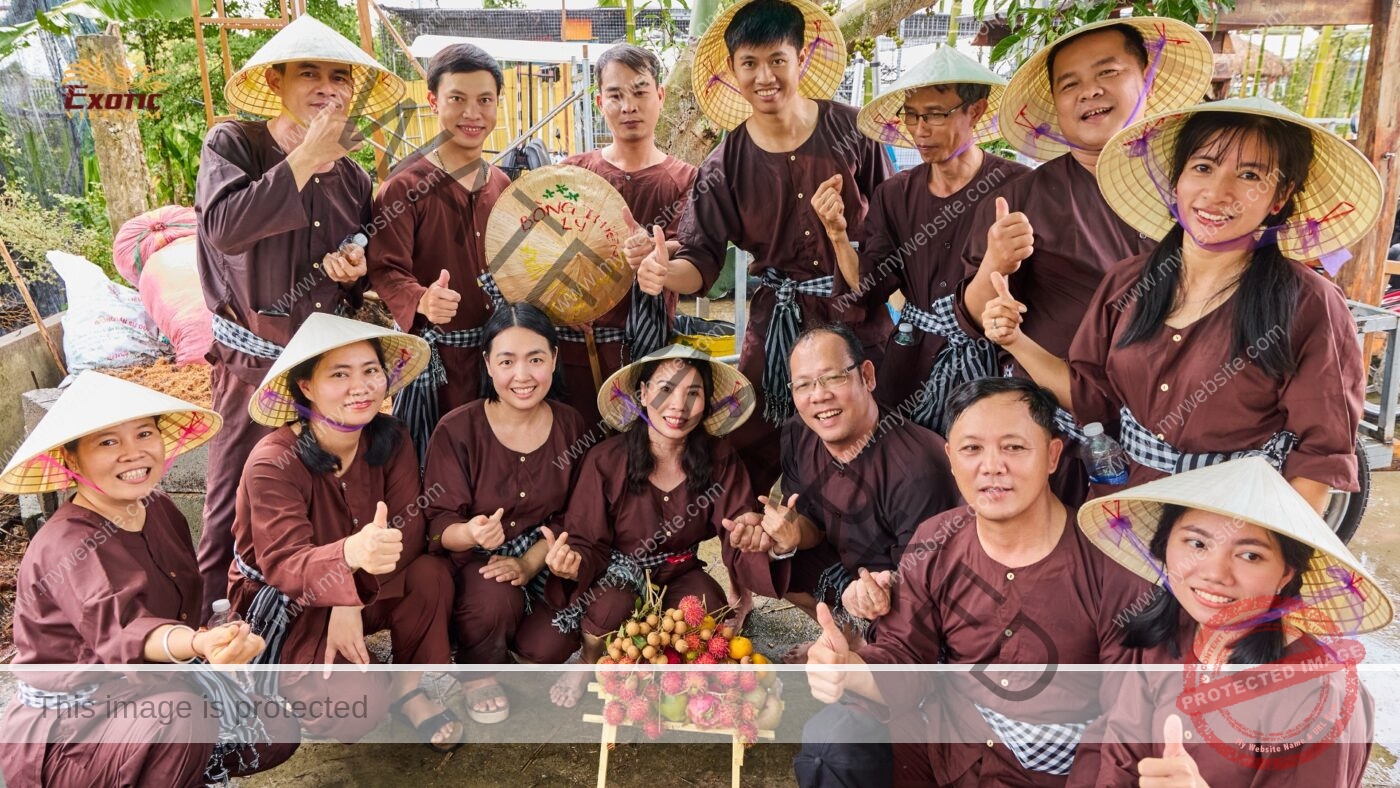
Why Incorporate Local Culture into Team Building in Vietnam?
1. Create Unique Experiences That Stand Out
Obstacle courses and ball-transfer games can be organized almost anywhere in the world. However, making bricks in Mang Thit’s traditional brick village, exploring the flower-growing village of Sa Dec, or discovering local food culture at Hoi An Market offers something distinctly Vietnamese.
Local cultural elements give each program a unique identity, helping companies move away from repetitive activities and create experiences that participants are unlikely to find elsewhere.
2. Encourage Interaction and Team Collaboration
Local culture provides natural opportunities for participants to explore, ask questions, communicate with residents, and work together to complete challenges.
For international corporate groups, interacting with local communities also creates opportunities to step beyond language barriers, encourage initiative, and build connections through shared experiences.
3. Add Greater Depth to the Experience
Rather than simply completing a series of games, participants can learn about traditional crafts, local cuisine, customs, architecture, and everyday life.
This transforms team building into a cultural discovery journey, adding value to a Company Trip, corporate retreat, or Incentive Travel program in Vietnam.
4. Support Cultural Preservation and Local Communities
When local residents, artisans, and small businesses participate in a team-building program, they become more than service providers. They play an important role in preserving and sharing traditional knowledge and cultural values.
Introducing local crafts, cultural practices, and traditional skills also helps younger generations better understand their heritage, develop pride in their cultural identity, and appreciate the importance of passing these values on.
At the same time, corporate activities can generate additional income for local communities, support traditional craft villages, and contribute to more responsible tourism in Vietnam.

Local Cultural Experiences for Team Building Programs in Vietnam
Vietnam’s cultural diversity offers a wide range of possibilities for designing creative and meaningful corporate team building activities. Here are four areas that international companies can explore.
1. Traditional Craft Villages – From Handcraft Skills to Teamwork
Traditional craft villages are ideal settings for experiential team building. Every craft has its own process, techniques, and requirements for coordination. These provide inspiration for challenges involving observation, task allocation, teamwork, and creativity.
Program ideas include:
- Mang Thit Brick Village – Vinh Long: Teams work together to knead clay, shape bricks, transport materials, and construct a miniature architectural model using bricks.
- Thanh Ha Pottery Village – Da Nang: Participants design, shape, and finish pottery products using traditional foot-powered pottery wheels.
- Dao Thuc Water Puppet Village – Hanoi: Teams discover traditional Vietnamese water puppetry, develop a short performance script, assign roles, and bring traditional characters to life through a group performance.
These activities allow participants to experience traditional skills firsthand while developing patience, coordination, creativity, and mutual support.
2. Vietnamese Food Culture – Connecting Through Local Flavors
Vietnamese cuisine reflects not only regional tastes but also the country’s history, customs, and cultural identity. Food-based team building activities can involve identifying ingredients, guessing dishes, exploring local spices, preparing traditional recipes, or completing MasterChef-style cooking challenges.
Program ideas include:
- The Mekong Delta: Experience traditional ditch fishing, collect ingredients and herbs from local gardens, and work together to prepare a meal inspired by the traditional cuisine of Southern Vietnam.
- Hue: Discover the art of preparing and presenting royal cuisine. Participants can wear traditional costumes and enjoy a royal-style banquet accompanied by traditional music.
- Hanoi: Explore the street food culture of the Old Quarter, sample local specialties, identify ingredients and spices, and challenge teammates to recognize dishes by taste or guess their key ingredients.
For international guests, food is an engaging way to discover Vietnam through different senses – taste, color, aroma, and the stories behind each dish. It becomes a natural connection between people, local culture, and team spirit.
3. Traditional Markets – Discovering the Heart of Local Community Life
Traditional markets are lively places that reflect the daily rhythm and cultural identity of local communities. From textiles and dried goods to fresh produce, seafood, and street food stalls, markets offer a rich environment for interactive team challenges.
Participants can search for specific locations, solve clues, communicate with vendors, identify local specialties, negotiate prices, and complete practical tasks related to everyday market activities.
Destinations worth exploring include:
- Can Tho Floating Market: Discover trading activities on the river, learn how vendors use the traditional cay beo (a tall pole displaying goods for sale), and gain insight into the river-based lifestyle of the Mekong Delta.
- Hoi An Market – Da Nang: Explore a traditional market in the heart of the ancient town, discover local products, handicrafts, and food culture. Challenges may include identifying ingredients, purchasing local specialties, or interacting with market vendors.
- Northern Highland Markets: Experience colorful cultural spaces where traditional costumes, trading customs, agricultural products, and handicrafts come together. These markets offer a glimpse into the daily lives of ethnic communities in Vietnam’s northern highland regions.
What makes these activities special is the direct involvement of local residents. Rather than simply appearing as part of the scenery, they become active participants in the experience, creating authentic interactions while allowing corporate groups to support the local economy.
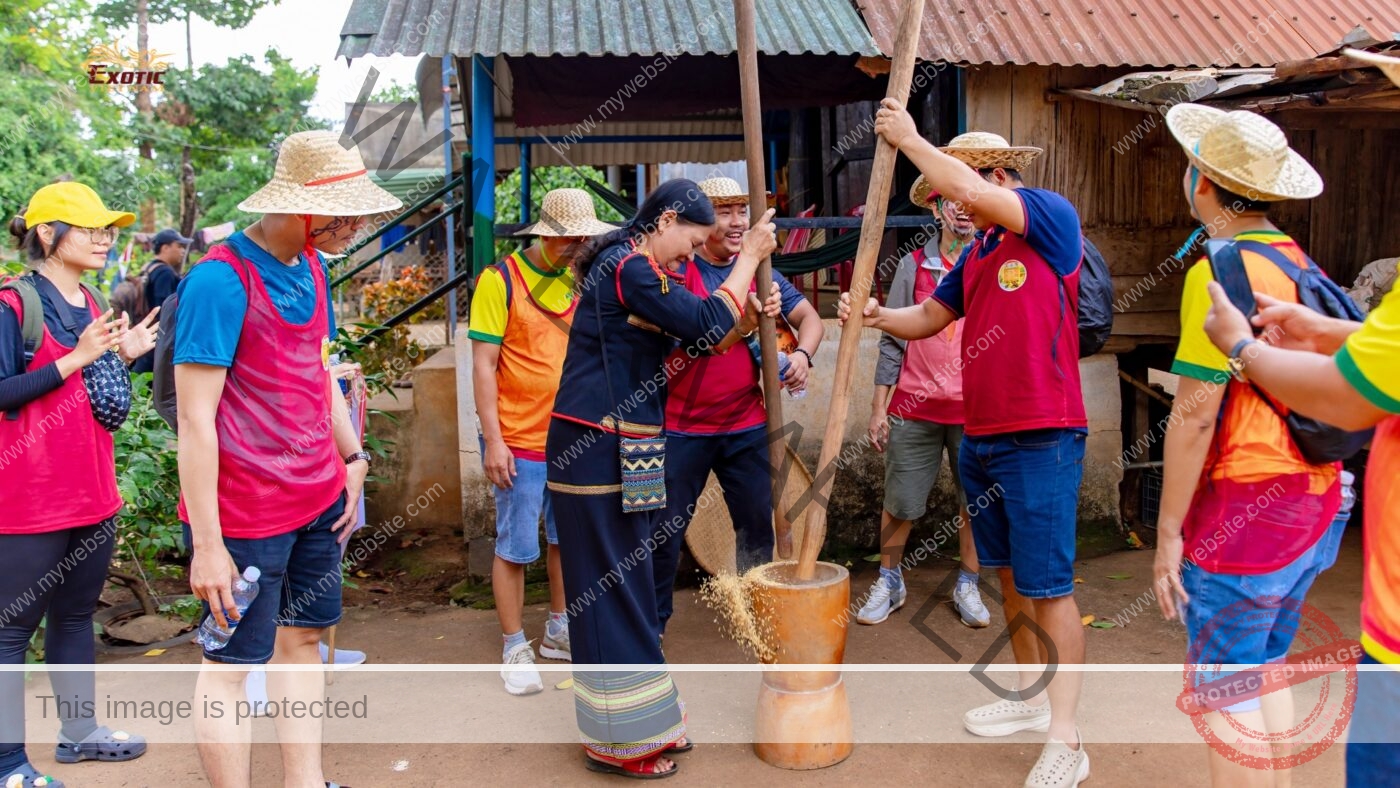
4. Indigenous Culture and Folk Games – Sharing Laughter with Local Communities
Folk games, traditional performing arts, and community activities are vivid expressions of local culture. They reflect customs, beliefs, community spirit, and the relationship between people and nature across generations.
These cultural elements offer rich inspiration for team building activities with a strong local identity.
Destinations and experiences include:
- The Mekong Delta: Discover Southern Vietnamese Don ca tai tu music, Khmer dances, and community traditions. Programs can incorporate folk games, musical exchanges, and group coordination challenges.
- The South Central Coast: Learn about Hat Ba Trao, a traditional performance associated with whale worship and the fishing culture of coastal communities. Participants can also experience basket boats and take part in coordination challenges on the water.
- The Central Highlands: Experience the cultural space of gong performances, enjoy traditional ruou can rice wine, and join local dances around a traditional fire.
- Northern Mountainous Regions: Experience mua sap (bamboo pole dancing), mua xoe, and traditional group dances that encourage rhythm, coordination, and inclusion.
The important point is not simply to recreate folk games or traditional performances. Participants should also understand the cultural meaning behind each activity. Game rules and challenges should be thoughtfully designed to support team development while respecting local traditions.
Key Considerations When Organizing Culture-Based Team Building in Vietnam
To ensure that a program delivers meaningful value to both the company and the local community, organizers should pay attention to the following principles.
1. Respect Local Cultural Identity
Traditional customs, rituals, beliefs, and cultural symbols should never be turned into jokes or inappropriate games. Programs should involve consultation with people who understand local culture. Particular attention should be given to cultural and artistic performance spaces; food and drink activities should not be organized within areas specifically designated for traditional cultural performances.
2. Prioritize Authentic Experiences
Whenever possible, choose real craft villages, traditional markets, cultural spaces, and local communities rather than relying on artificial settings or simulated cultural backdrops. Local artisans and residents should have opportunities to demonstrate their skills, guide activities, and share their cultural knowledge. Using products made within the local community also helps ensure that economic benefits remain with local producers.
3. Align Activities with Corporate Objectives
Every challenge should support one or more team development competencies, such as:
- Leadership
- Communication
- Collaboration
- Problem Solving
- Creativity
The content and difficulty of each activity should be appropriate to the program’s objectives, group size, participant profile, and event budget.
4. Ensure Safety and Inclusiveness
Activities should take into account participants’ ages, physical fitness, nationalities, and different abilities, ensuring that everyone has an opportunity to participate. Clear instructions should be provided at every stage so that participants understand the cultural context, how to complete each activity, and any local considerations they should be aware of.
5. Create Positive Value for Local Communities
Organizers should establish fair partnerships with local artisans, residents, and suppliers, ensuring that communities receive appropriate income from tourism-related activities. Programs should also minimize negative impacts on the environment and daily community life, particularly excessive noise, late operating hours, and activities that may disrupt residents.

Exotic Vietnam – Your Local DMC for Cultural Team Building in Vietnam
Founded in 2013, Exotic Vietnam – your trusted local Destination Management Company (DMC) – specializes in Team Building, MICE, and Incentive Travel in Vietnam. We design and deliver corporate experiences that go beyond entertainment, fostering meaningful connections and creating lasting memories. We believe every destination has its own unique cultural assets and local experiences that can inspire distinctive team building programs. These may include traditional craft villages, local markets, riverside communities in the Mekong Delta, cultural heritage sites, or even the vibrant streets of Vietnam’s major cities.
Rather than applying a one-size-fits-all approach, Exotic Vietnam takes the time to understand each destination’s local character, corporate objectives, and participant profiles before designing a program that meets the client’s specific needs.
Exotic Vietnam offers a diverse range of customized program formats:
- Amazing Race: Discover destinations, explore local attractions, and interact with local communities through engaging team challenges.
- Cultural Team Building: Experience Vietnamese culture, traditional crafts, local customs, and heritage through interactive activities.
- Eco Team Building: Combine nature-based activities, environmental awareness, and community engagement.
- Team Building Retreat: Integrate resort stays, destination experiences, and team development activities.
- MICE & Incentive Activities: Deliver customized experiences for domestic and international corporate groups visiting Vietnam.
Looking for a Team Building Organizer in Vietnam?
Choosing the right local partner is essential to creating a successful corporate event in Vietnam. Beyond designing engaging activities, an experienced DMC should have in-depth knowledge of local destinations, cultural sensitivities, operational requirements, and the expectations of international corporate groups.
At Exotic Vietnam, local culture is more than just a backdrop for team building. It is a source of inspiration for authentic experiences, creative challenges, and stronger human connections.
Let Exotic Vietnam be your local partner in discovering Vietnam through meaningful cultural experiences and professionally designed corporate team building programs.
