


Dak Lak, located in the South Central Coast region of Vietnam, comprises 102 commune-level administrative units, with its provincial capital in Buon Ma Thuot Ward (under the new administrative restructuring effective from July 2025). The province is formed through the merger of the former Dak Lak and Phu Yen provinces. This integration has created a unique geographical space, stretching from fertile basalt highlands to coastal plains and pristine shorelines, forming a rare territorial structure in Vietnam.
According to the 2025 provincial merger data:
- Area: 18,096 km² (3rd nationwide)
- Population: 3,346,853 (17th nationwide)
With its vast scale, abundant resources, and rich cultural identity, Dak Lak is gradually emerging as a new “heritage region” – a place where the authentic values of Vietnam’s nature and people converge.
Topography of Dak Lak
Dak Lak’s topography is a harmonious blend of highlands and coastal landscapes. To the west lies an expansive basalt plateau at an average elevation of 400–800 meters, characterized by fertile red soil – the foundation of the region’s renowned coffee cultivation. Gently rolling hills, primary forests, and a network of rivers and streams together create a landscape that is both open and vibrant.
A highlight of the highland terrain is Mount Chu Yang Sin (2,442 m), regarded as the “roof” of the region. With its rich forest ecosystem and majestic scenery, it is an ideal destination for trekking and nature exploration. Meanwhile, the eastern part opens up to coastal plains, featuring a diverse 189-kilometer shoreline shaped by bays, lagoons, coves, rocky outcrops, and offshore islands. This transition from highlands to sea not only creates striking landscapes but also offers significant ecological and tourism value.
At the easternmost point lies Mui Dien (Cape Varella), one of the first places on mainland Vietnam to witness the sunrise – holding both geographical significance and offering a unique experience for visitors.
Climate of Dak Lak
Dak Lak’s climate shows a clear contrast between the Central Highlands and the South Central Coast, creating two distinct yet complementary seasonal patterns that support year-round tourism.
The highland area features a tropical monsoon climate with mild temperatures averaging 23–24°C. The rainy season lasts from May to November, largely influenced by the southwest monsoon, which brings significant moisture from equatorial seas inland, resulting in steady and prolonged rainfall – ideal for sustaining rich forest ecosystems. The dry season, from November to April, is characterized by clear skies and low humidity, with a diurnal temperature range of 8–10°C, making it highly suitable for outdoor activities such as nature exploration, trekking, and team building.
In contrast, the coastal region is shaped by a tropical maritime climate, with warm sunshine, high humidity, and prevailing sea breezes. The rainy season occurs from September to November, associated with the Intertropical Convergence Zone and weather systems over the East Sea, including tropical depressions that may develop into heavy rains or storms. The dry season extends from January to August, offering calm seas and sunny weather – ideal for beach holidays and outdoor coastal activities.
This offset in seasonal patterns between the two sub-regions creates a unique advantage: visitors can choose between highland or coastal experiences depending on the time of year. The most favorable period to enjoy both landscapes is from January to April, when the highlands are in their cool dry season and the coast enjoys sunny skies and calm seas – perfect for integrated travel programs and large-scale MICE events.
Natural Landscapes of Dak Lak
Dak Lak boasts a diverse and aesthetically rich landscape system, clearly reflecting the continuous transition from highlands to coastal areas. This layered topography not only creates contrasting natural scenery but also enables a wide range of tourism experiences within a single journey.
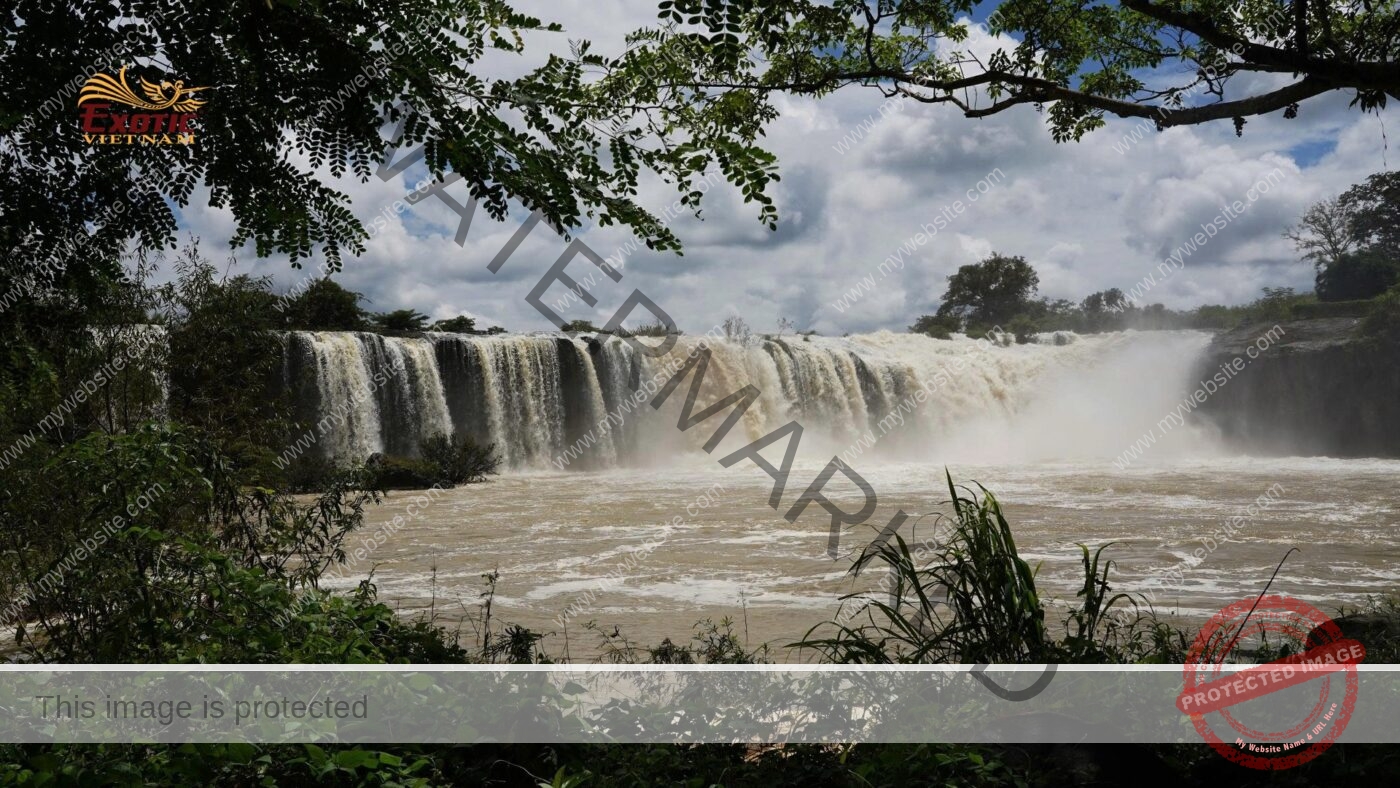
- Relatively flat basalt plateau: Formed on ancient basalt foundations at elevations of 400–800 meters, the highland surface is interspersed with gently undulating terrain, volcanic cones, and rounded granite peaks – creating the expansive, open character typical of the Central Highlands. The hydrological system flows westward into the Mekong basin, most notably the Serepok River system, formed by the Krong Ana and Krong No rivers. These waterways not only hold geographical significance but also shape dramatic waterfalls and rapids, enriching nature-based exploration.
- Deciduous dipterocarp forest in Yok Don National Park: This rare and distinctive dry forest ecosystem spans over 115,000 hectares, making it one of the most representative dipterocarp forests in Southeast Asia. The term “khộp” refers to local species within the Dipterocarpaceae family, adapted to dry conditions by shedding leaves during the dry season to reduce water loss. In this period, the forest transforms into golden hues, creating a landscape that is both wild and poetic – distinct from typical tropical evergreen forests. The open canopy allows sunlight to filter through, offering a rare sense of spaciousness within a forest environment.
Beyond its ecological value, this area is closely associated with the long-standing tradition of elephant hunting and domestication among local communities, particularly in Buon Don – home to rich cultural narratives surrounding elephants. With its biodiversity and cultural depth, Yok Don is an ideal destination for nature exploration, ecotourism, and indigenous cultural experiences.
- Tropical evergreen montane forest in Chu Yang Sin National Park: This high-altitude forest ecosystem reaches elevations of up to 2,442 meters and covers approximately 59,000 hectares. It is considered one of the most biodiverse areas in the Central Highlands. The term “evergreen closed forest” refers to dense, multi-layered canopies that remain green year-round due to stable humidity and abundant rainfall. The vegetation is highly diverse, ranging from large canopy trees to rich understory flora, providing habitats for numerous rare species. The steep terrain, high elevation, and cool, humid climate help preserve its pristine and majestic character.
In contrast to the open, seasonal dryness of Yok Don, Chu Yang Sin offers a dense, deep-green, and humid environment year-round – highlighting the ecological diversity within the same region. With its scientific value and dramatic scenery, it is particularly suited for trekking, biodiversity research, and in-depth nature expeditions.
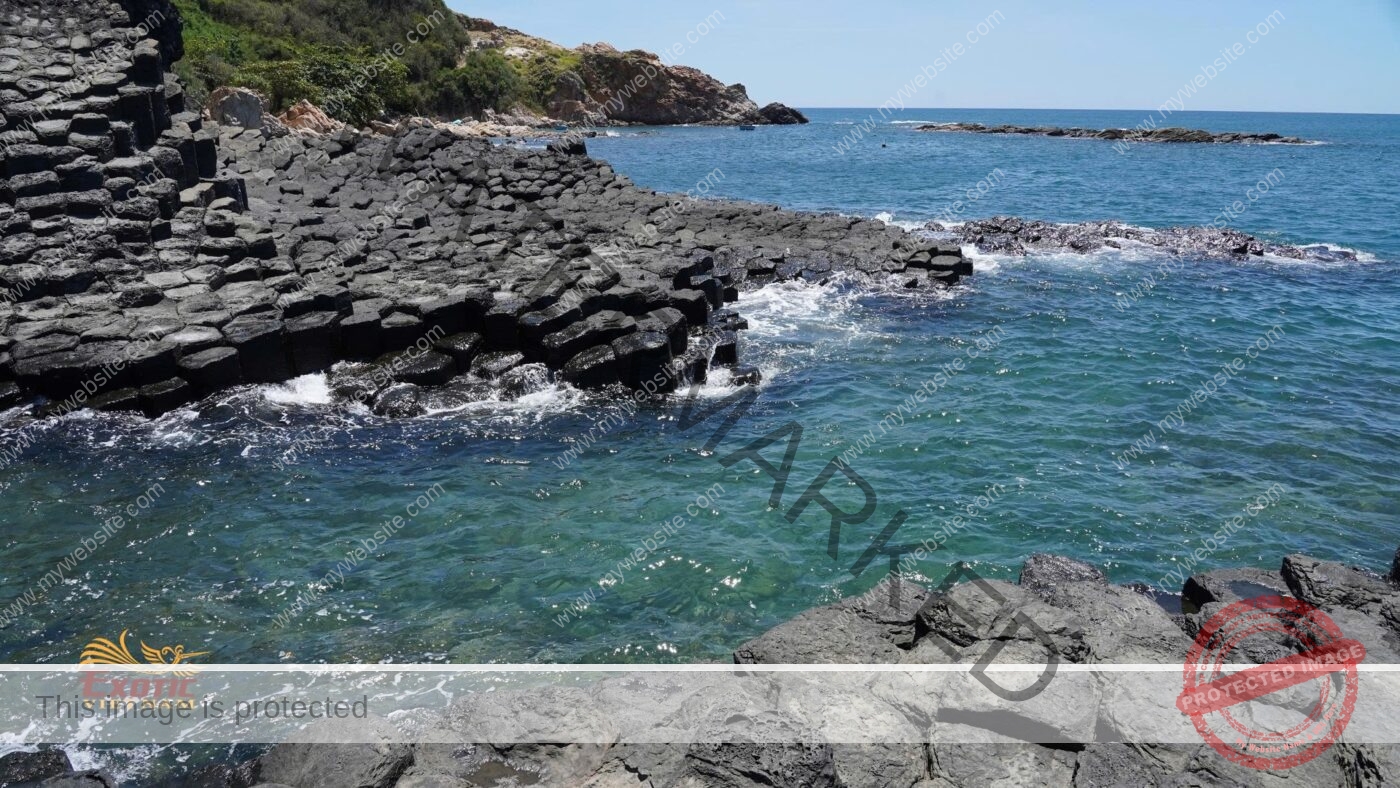
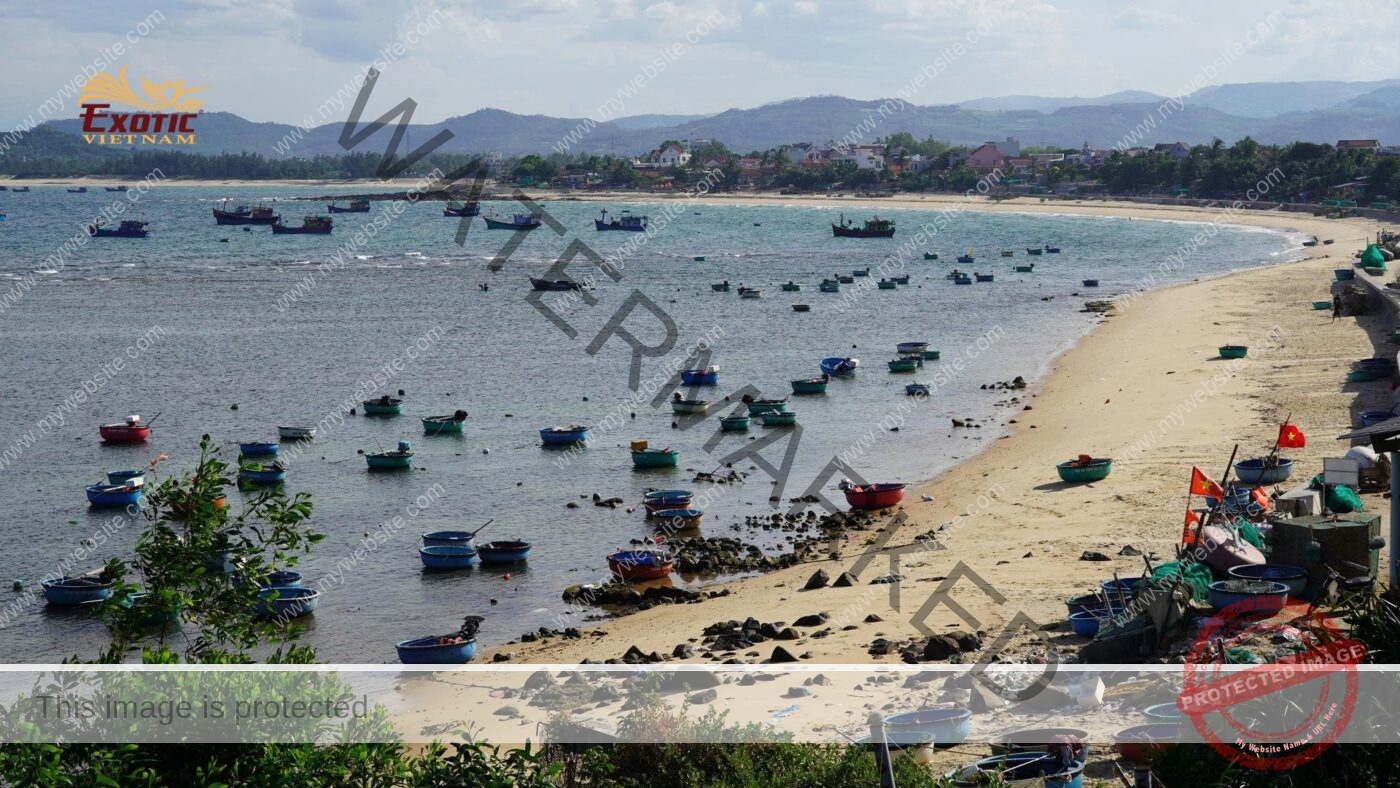
- Highly indented coastline: The coastal area features a series of stunning bays, lagoons, and inlets such as O Loan Lagoon, Vung Ro Bay, Vinh Hoa Bay, and Xuan Dai Bay – forming sheltered waters with rich marine ecosystems. Along the coastline, basalt rock formations extend into the sea, showcasing columnar basalt structures of geological significance and creating a landscape both dramatic and unique.
Between mountain ranges reaching toward the sea lie narrow yet fertile coastal plains. The Phu Yen plains are primarily formed by three major rivers: the Ba River and Ban Thach River, which create the Tuy Hoa plain, and the Ky Lo River, which shapes the Tuy An and Dong Xuan plains. Among them, the Tuy Hoa plain is regarded as one of the key rice granaries of Central Vietnam.
The harmonious interplay of mountains, sea, and plains – combined with pristine beaches and crystal-clear waters – creates a vivid natural panorama that is both powerful and refined, characteristic of the South Central Coast. Here, each bay forms a distinct spatial identity, and each coastal plain reflects a vibrant slice of local life.
Dak Lak’s Nature for Experiential Team Building Programs by Exotic Vietnam
The rare combination of fertile basalt highlands and pristine coastal landscapes creates a multi-layered “natural stage,” where each setting offers distinct scenarios for team building experiences. This unique advantage enables Exotic Vietnam to design highly creative programs that foster team cohesion and inspire exploration.
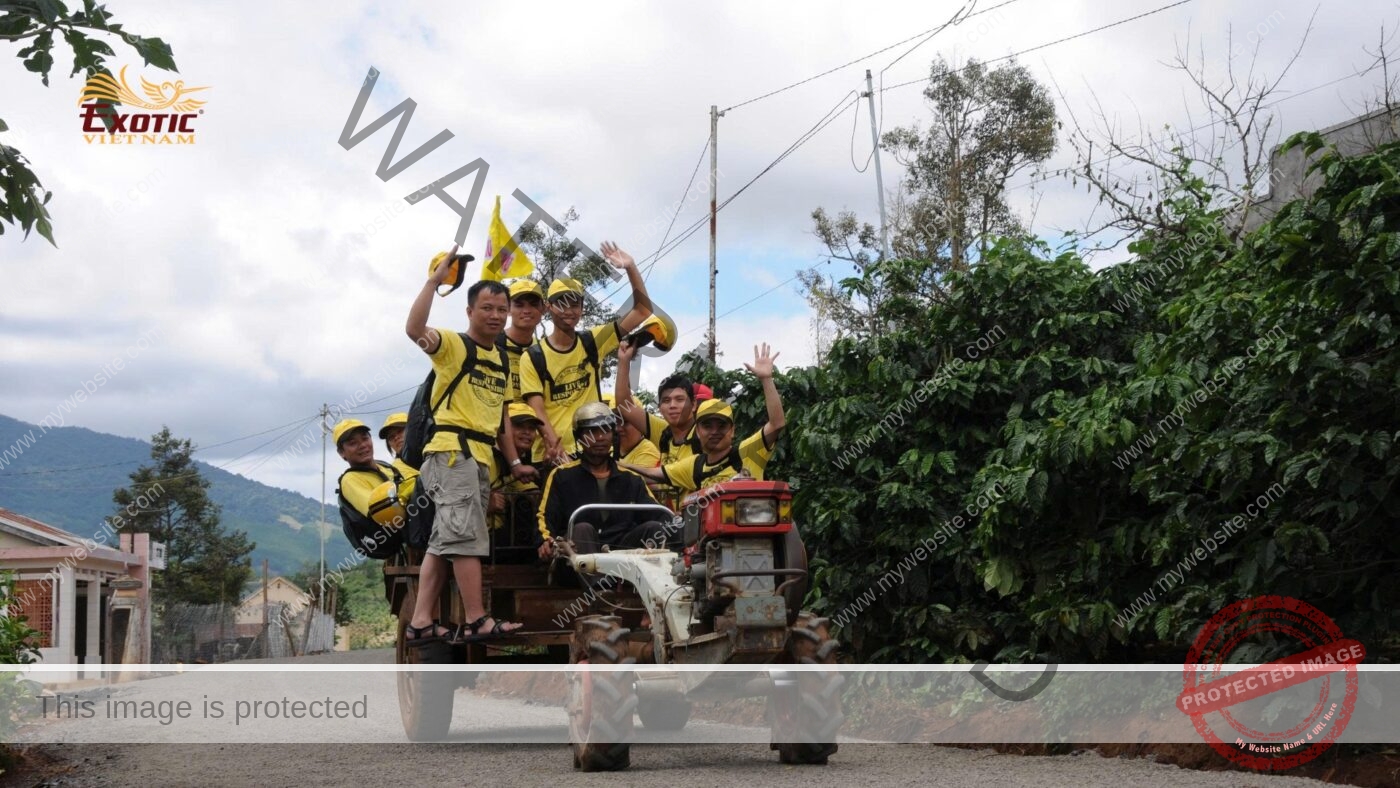
In the highland region, primary forests, majestic waterfalls, and gently rolling terrain provide ideal conditions for physically engaging activities such as trekking, rafting, and jungle survival challenges. The open landscapes and cool climate ensure optimal program delivery while allowing participants to connect deeply with nature and the indigenous cultures of the Ede and M’nong communities. Highland cuisine also plays an essential role in the experience: the warmth of “ruou can” (traditional fermented rice wine), bamboo-tube sticky rice, grilled free-range chicken seasoned with forest herbs, and wild vegetables – all enjoyed around a campfire – create authentic and memorable bonding moments infused with the spirit of the Central Highlands.
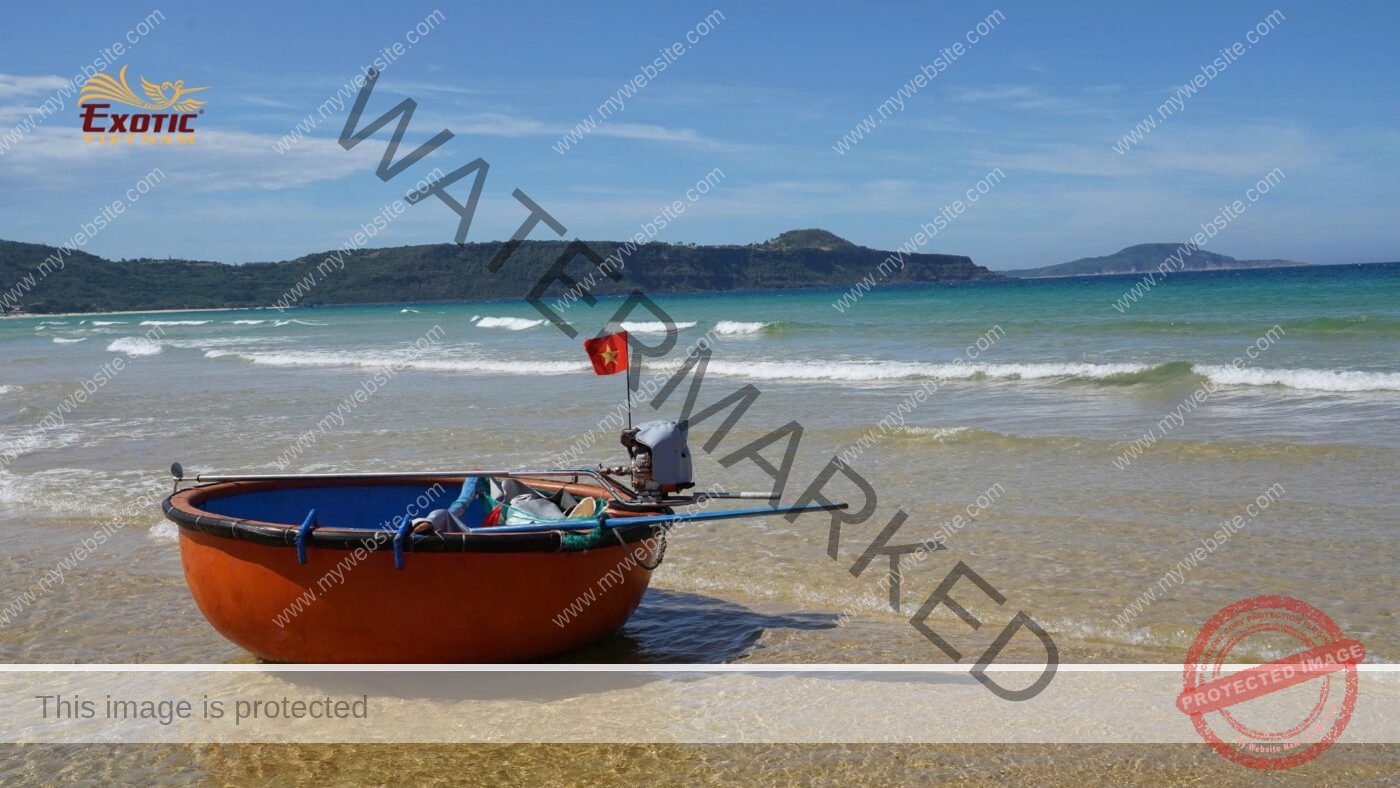
Meanwhile, the coastal region offers a distinctly different energy – vibrant, refreshing, and dynamic. Long sandy beaches, calm waters, and sheltered bays provide the perfect backdrop for outdoor team-building activities such as boat racing, large-scale inflatable games, and beachfront gala dinners. The elements of sea, sun, and wind not only energize participants but also strengthen teamwork and connection. Coastal cuisine further enriches the experience, featuring freshly caught seafood such as shrimp, crab, swimming crab, squid, and charcoal-grilled fish, along with a variety of shellfish dishes. Signature regional specialties like ocean tuna, “banh hoi” (a fine woven rice vermicelli served with pork offal and fresh herbs), and traditional fish sauce add depth and authenticity to this vibrant culinary journey.
A defining highlight lies in the seamless integration of these two landscapes within a single itinerary. A program may begin with immersive highland exploration and cultural encounters, then transition to the coast for relaxation and vibrant seaside activities. This continuous shift in scenery not only diversifies the experience but also creates emotional peaks, making each team building journey truly memorable and distinctive.
With deep local expertise, professional execution, and a commitment to sustainability, Exotic Vietnam goes beyond leveraging natural assets by thoughtfully integrating cultural and environmental elements into every program. Each journey thus becomes more than just a leisure activity – it evolves into a meaningful experience where people connect with one another, with nature, and with the authentic essence of the destination.
