


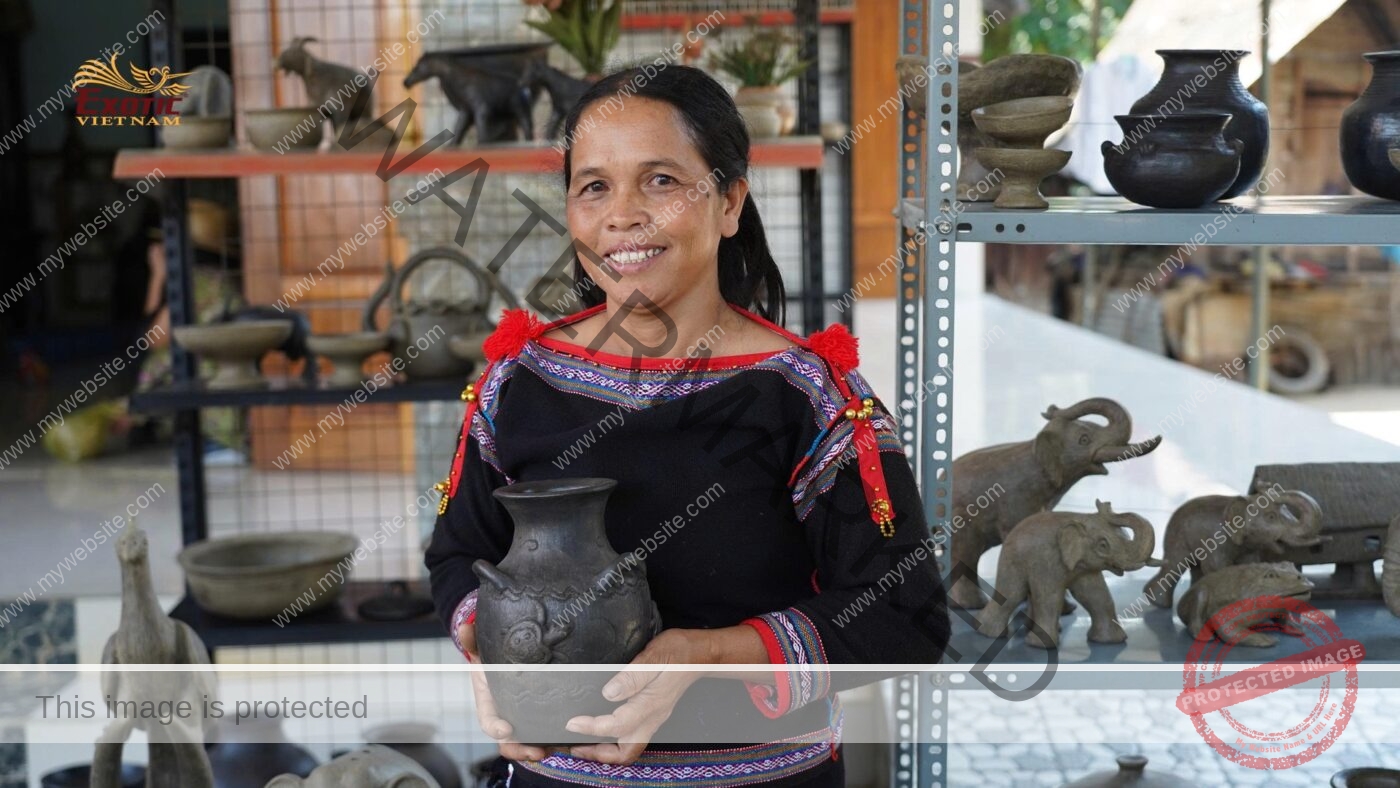
Đắk Lắk is a province in Vietnam’s South Central region, comprising 102 commune-level administrative units, with its provincial capital located in Buôn Ma Thuột Ward (under the new administrative merger plan effective from July 2025). The province is formed through the consolidation of the former Đắk Lắk and Phú Yên provinces. This integration has created a distinctive geographical space, stretching from fertile basalt highlands to coastal plains and unspoiled shorelines – an uncommon territorial structure in Vietnam.
According to Vietnam’s 2025 provincial merger data:
- Area: 18,096 km² (ranked 3rd nationwide)
- Population: 3,346,853 (ranked 17th)
With its vast scale, abundant resources, and rich cultural identity, Đắk Lắk is gradually emerging as a new “heritage region,” where the authentic values of Vietnam’s nature and people converge.
A Brief History of Đắk Lắk
According to many researchers, the name “Đắk Lắk” derives from the Austronesian – Mon-Khmer linguistic system: “dak” means water, stream, or lake – a common element in Central Highlands toponyms (related to variants such as “da” or “đa”). “Lak” is believed to be a Cham term referring to highland inhabitants (linked to variants like “lak,” “lac,” or “lach”). Thus, “Đắk Lắk” can be understood as a waterscape associated with indigenous highland communities.
Đắk Lắk is not only the heart of the Central Highlands but also part of a broader historical landscape closely connected with Vietnam’s central coastal belt, where cultural, commercial, and political exchanges have converged over centuries. Since the time of the ancient Champa Kingdom, the region has been inhabited by indigenous communities. The Cham left architectural imprints along the coast, notably the Thap Nhan (11th–12th centuries), and extended their influence into the highlands with structures such as Yang Prong Tower (late 13th–early 14th centuries). Meanwhile, highland groups such as the Ê Đê and M’nông actively participated in trade networks linking mountains and plains. These long-standing interactions helped shape the diverse and distinctive identity of Đắk Lắk today.
A pivotal turning point occurred in 1471, when Le Thanh Tong defeated Champa, annexed the coastal region into Đại Việt, and organized it as Quang Nam Province, with Đá Bia Mountain marking the southern boundary. From 1471 to 1578, according to some historians, Phú Yên functioned as a frontier buffer zone – no longer under Champa’s control, yet not fully integrated into Đại Việt.
In 1578, Lord Nguyễn Hoàng appointed Lương Văn Chánh as frontier governor to develop and stabilize the area. Around the same time, the court established relations with regions west of the Trường Sơn Range, particularly Nam Bàn, including the indigenous polities of Thủy Xá and Hỏa Xá – forming a strategic buffer between Đại Việt, Champa, and the Central Highlands.
The name Phú Yên was officially established for the first time in 1611, when Lord Nguyễn Hoàng dispatched the official Văn Phong to pacify the area and designate it as Phú Yên Prefecture. The toponym “Phú Yên” conveys the meaning of “a land of prosperity and peace,” reflecting an aspiration for abundance, stability, and long-term development. This event marked the transition from a frontier region into the administrative system of Đại Việt, while also fostering territorial expansion, trade development, and stronger connections between the coastal region and the highlands.
In the 17th century, Phú Yên also witnessed the presence of Andre Phú Yên, one of the earliest Catholic figures in Vietnam. His martyrdom in 1644 reflects the spread of Western missionary activities and coincides with the early formation of the Vietnamese Latin-based script (Quốc ngữ) initiated by Jesuit missionaries. In this context, Phú Yên became a cultural and religious crossroads, contributing to the diffusion of the Latinized Vietnamese writing system inland and influencing the adjacent Central Highlands.
By the 19th century, with the construction of An Thổ Citadel in 1836, Phú Yên emerged as an important administrative center along the coast, reinforcing the east–west linkage between sea and highlands. In 1904, the French colonial administration established Đắk Lắk Province (Darlac), formally defining the Central Highlands as an administrative unit within French Indochina. Later, in 1950, under Chief of State Bảo Đại, the region was incorporated into the Crown Domain (Hoàng triều Cương thổ), reflecting its strategic importance in the political landscape of the time.
Throughout the 20th century, Đắk Lắk remained a strategic theater during wartime while continuing to affirm its central role in the Central Highlands. Entering a new phase of development – especially from 2025, with expanded administrative integration connecting the highlands and the coast – Đắk Lắk is emerging as a distinctive interregional destination, where fertile basalt plateaus, rich Ê Đê-M’nông cultural heritage, and diverse marine ecosystems converge.
Indigenous Life in Đắk Lắk
Đắk Lắk is home to diverse indigenous communities such as the Ê Đê, M’nông, and Gia Rai, each with distinct cultural identities expressed through language, attire, beliefs, and traditional customs.
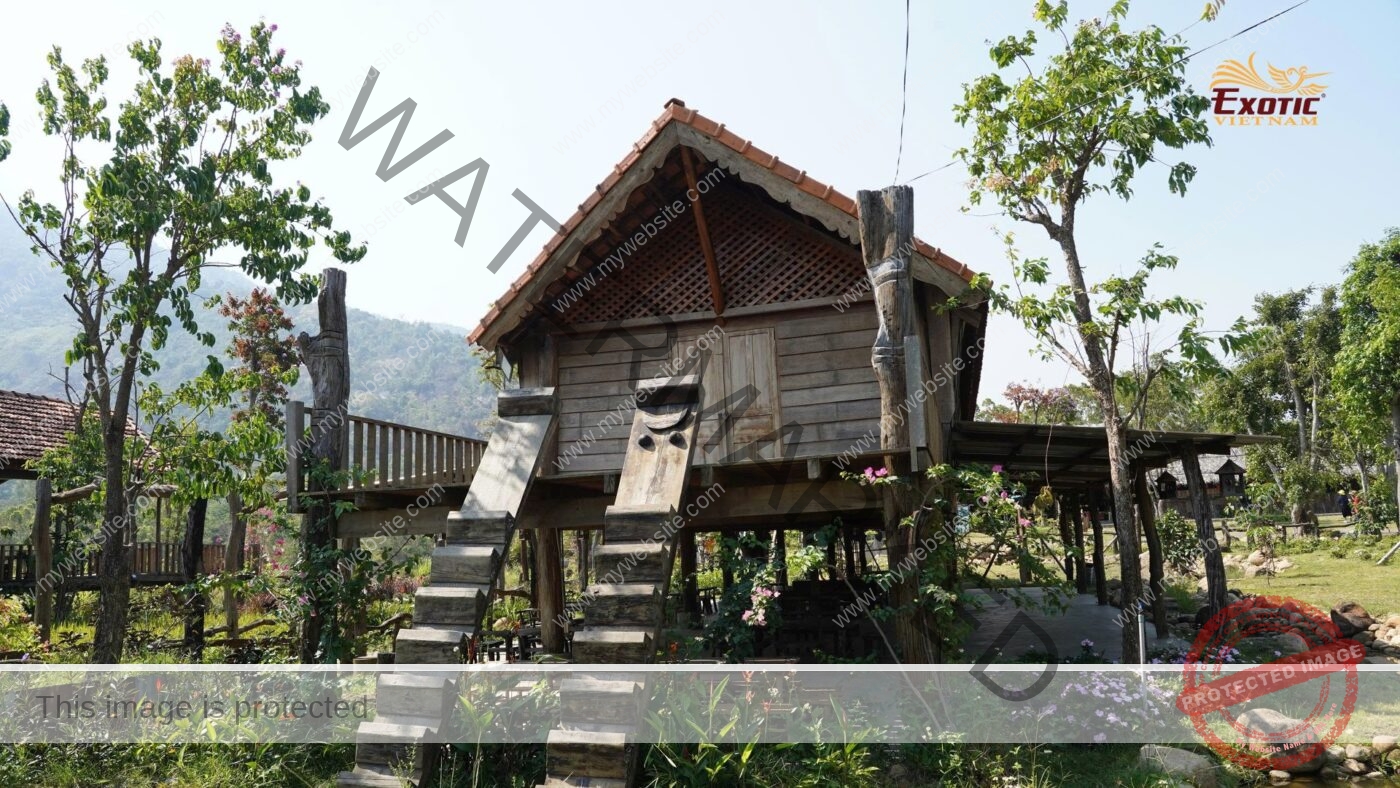
A defining feature of this cultural landscape is the Ê Đê longhouse – an emblem of matrilineal society and communal living. The house extends horizontally each time a daughter marries, sometimes reaching dozens of meters in length. Its wooden staircases are intricately carved with motifs such as the crescent moon and female breasts, symbolizing fertility, the cycle of life, and the central role of women. Inside, the communal space features the long Kpan bench, where rituals, gatherings, and social activities take place.
Equally notable is the tradition of hunting and taming wild elephants among the Lao and M’nông communities in Buôn Đôn. This practice has now ceased, surviving only in memories, stories of legendary “Elephant Kings” such as Y Thu Knul and Ama Kong, and in preserved artifacts including saddles made of buffalo hide, guiding tools, ropes, shackles, howdahs, and ritual objects. Today, this tradition has transitioned toward elephant conservation and welfare, aiming for a balance between cultural heritage and sustainable development.
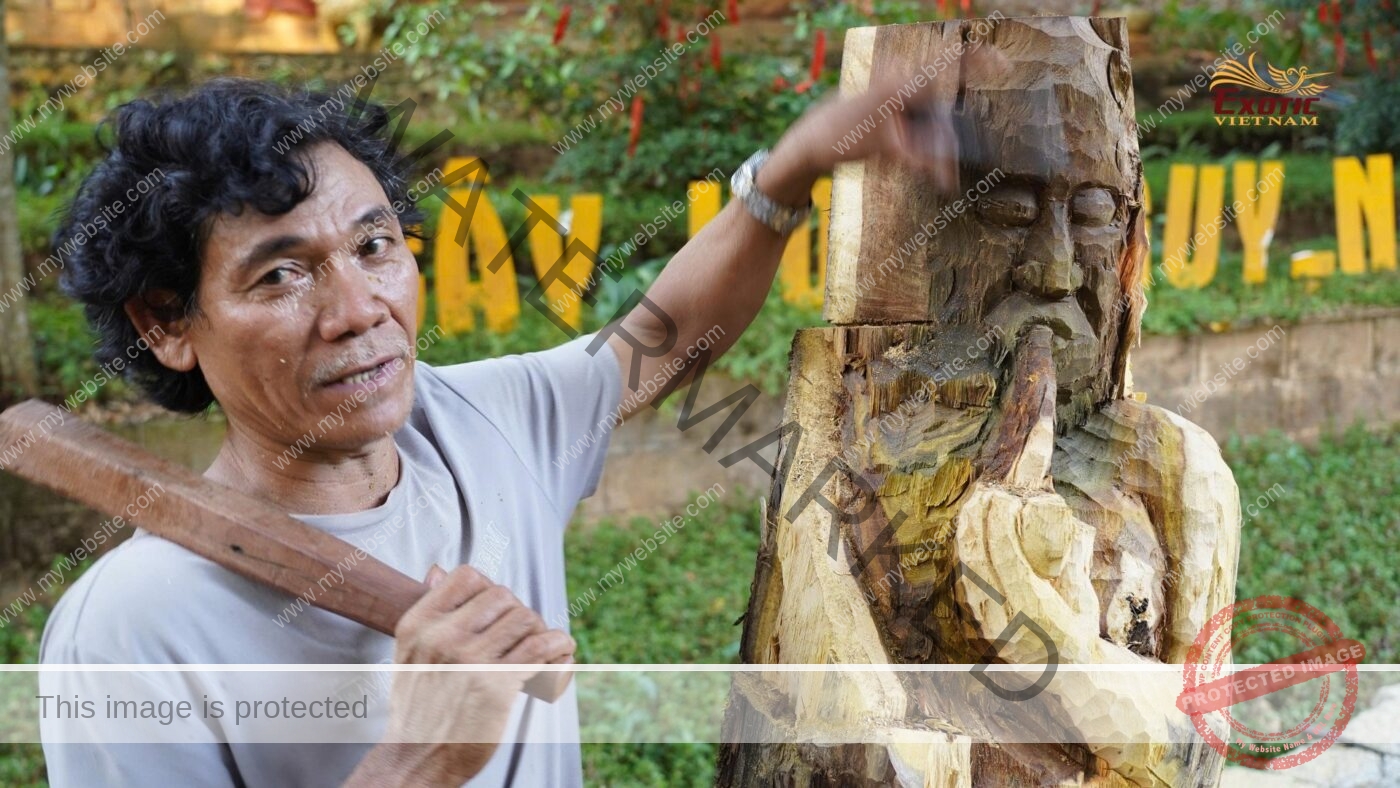
Another remarkable cultural expression is the art of grave house sculptures – a symbolic form of folk woodcarving. These rustic wooden figures, often depicting human forms in daily life or emotional states, are placed around burial sites as a farewell to the deceased. Beyond their artistic value, they reflect profound beliefs about life, death, and the liberation of the soul, embodying a ritual that is both solemn and deeply humane.
The region’s epic traditions (Central Highlands epics) also represent a treasured spiritual heritage. The Ê Đê are renowned for the epic Dam San, while the M’nông preserve Ot Ndrong – “living memories” passed down through generations via oral storytelling by the fire. These epics not only recount heroic tales but also preserve rich indigenous knowledge, shaping the cultural identity of the Central Highlands. They also serve as a source of inspiration for businesses to design immersive experiences, team-building programs, and culturally rooted storytelling.
Cultural practices such as drinking ruou can (fermented rice wine), gong performances, and community festivals are not merely ceremonial but also serve as vital bonds of social cohesion. Villages nestled by forests or rivers, with their traditional longhouses, retain an authentic charm, forming a vibrant living cultural space. Closely connected to nature, community life reflects a philosophy of harmony, respect for the environment, and a commitment to sustainability.
“The Space of Gong Culture” – A UNESCO Cultural Heritage
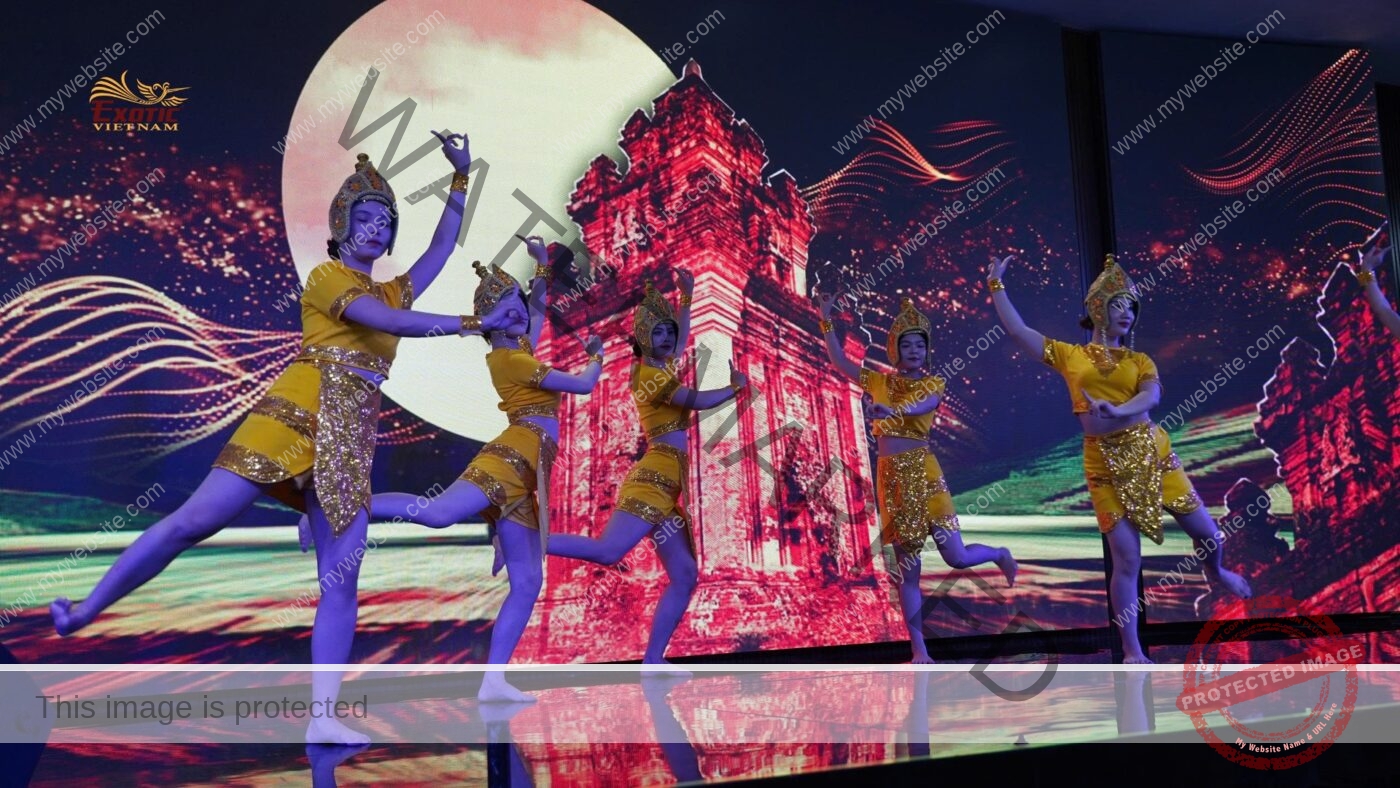
One of the most outstanding values of this region is the “Space of Gong Culture in the Central Highlands,” inscribed by UNESCO in 2005. In Ê Đê life, gongs are not merely musical instruments but the very soul of the community, embodying spiritual values that accompany the human life cycle. Each resonant note acts as an invisible thread, connecting people with the spiritual world and conveying the wishes of individuals and the community to the deities.
Within the longhouse, the solid wooden Kpan bench stretches like an axis of memory and authority. Here, the Čing K’nah gong ensemble – comprising ten gongs, each representing a family member – creates a powerful, rhythmic, and far-reaching sound, echoing the heroic spirit of Dam San.
Unlike many communities in the northern Central Highlands, the Ê Đê perform gongs inside the longhouse, on the Kpan bench – a closed yet highly resonant space. The gongs are struck on the inner surface, producing dense, far-carrying layers of sound. In these moments, the longhouse becomes a microcosm, where gongs transcend music to become memory, belief, and identity passed down through generations.
The echo of gongs across the mountains is not only an artistic experience but also a journey into the depth of cultural heritage.
Festivals & Traditional Events in Đắk Lắk
- Buon Ma Thuot Coffee Festival is a large-scale cultural and economic event of Đắk Lắk , held biennially (typically in March) to honor Robusta coffee and promote Vietnamese coffee on the global stage. It serves as a platform connecting farmers, producers, and the community, while showcasing the cultural identity of the Central Highlands associated with coffee cultivation.
For visitors, the festival offers a multi-sensory experience – from exploring cultivation and processing techniques, tasting and distinguishing coffee flavors, to immersing in indigenous cultural spaces filled with music, art, and the rhythms of highland life. Each activity tells a story of the people, the land, and the journey of Vietnamese coffee to the world.
- Ocean Tuna Festival, held annually around April–May in Tuy Hoa, retraces the development of the tuna fishing industry and honors pioneering fishermen who have ventured offshore to sustain coastal livelihoods. A highlight of the festival is the ceremonial presentation of the “golden fishing line” to younger generations, symbolizing continuity and the preservation of maritime heritage. The event also fosters trade connections, bringing together businesses across the tuna value chain – from harvesting to processing and export – while strengthening product branding.
In addition, visitors can explore immersive storytelling spaces about the fishing profession through light and visual installations, resembling a “living museum.” Tuna-based cuisine is another major attraction, featuring diverse culinary showcases and live filleting performances by professional chefs, offering a vivid and authentic taste of the sea.
Local Cuisine in Đắk Lắk
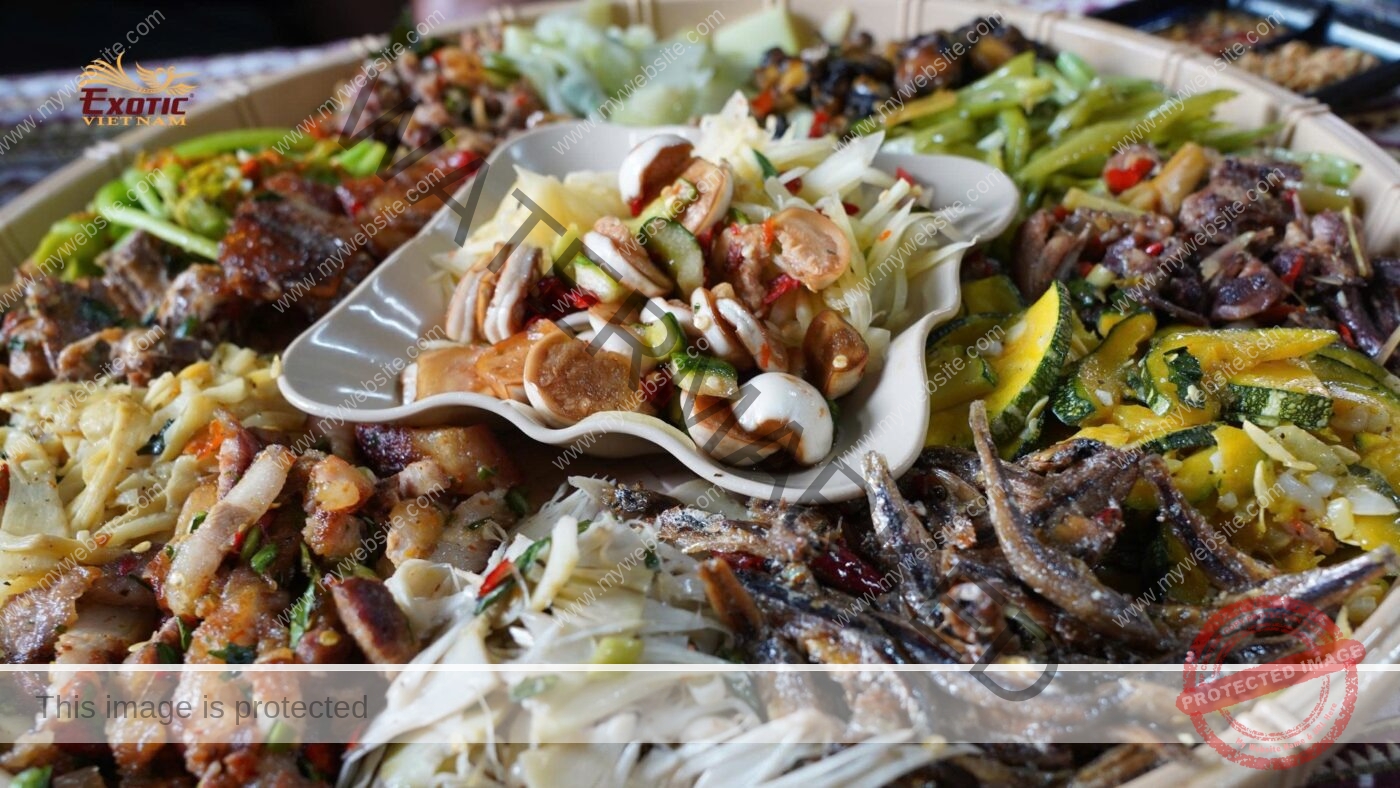
Đắk Lắk ’s cuisine is a distinctive fusion of Central Highlands forest flavors and coastal influences, where each dish reflects the land, climate, and community life. From rustic ingredients of the highlands to fresh seafood from the sea, it creates a rich yet refined culinary identity.
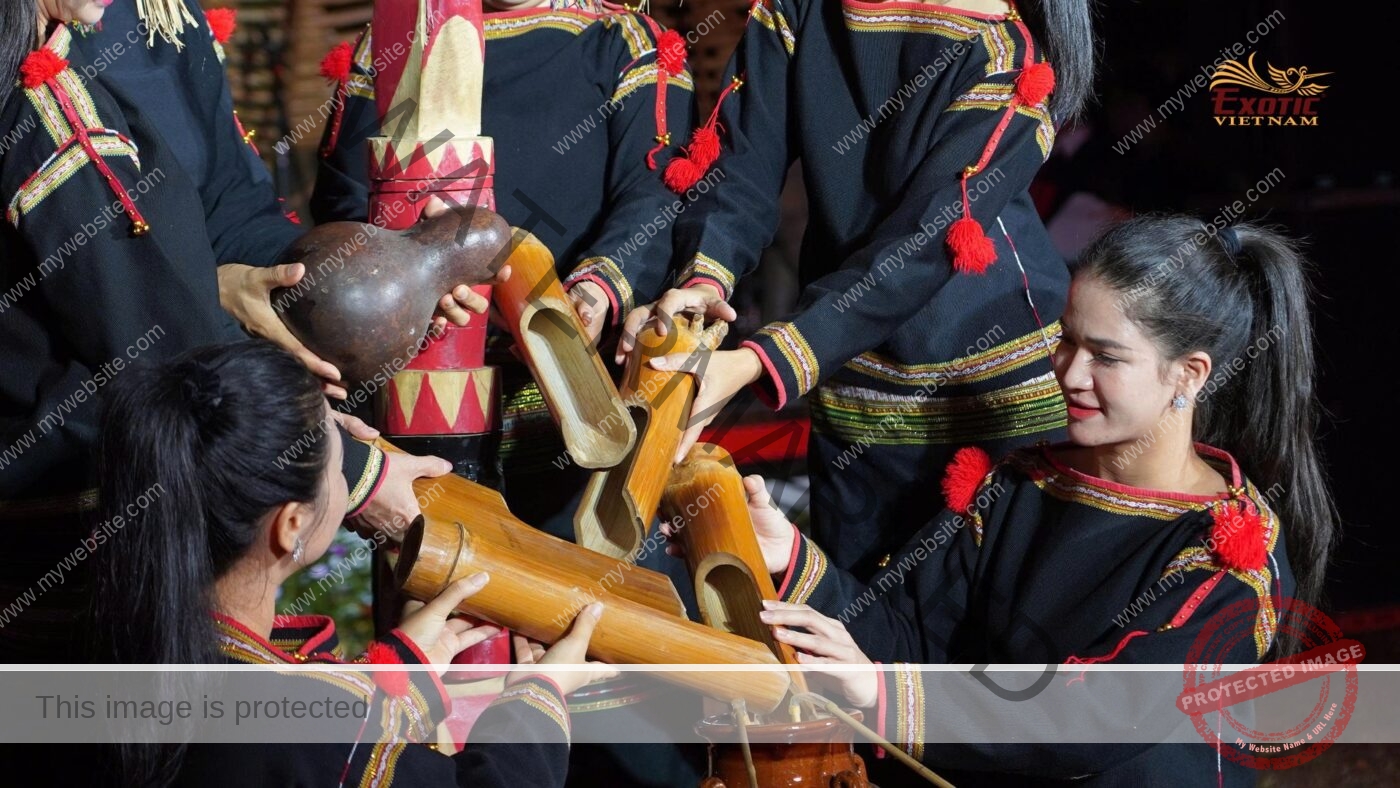
- Ruou can (jar wine): A symbol of communal culture, present in most festivals and rituals. Fermented in earthen jars from glutinous rice and forest herbs, it offers a warm, robust flavor. People gather around the jar, add water to activate fermentation, and drink through long bamboo straws – an act that embodies sharing and community spirit.
- Coffee: Đắk Lắk is known as Vietnam’s “coffee capital,” famed for its bold Robusta beans grown on fertile basalt soil. From farm to cup, each stage reflects the region’s character. Visitors can enjoy traditional Vietnamese drip coffee or modern styles like espresso and cappuccino – both retaining the strong, full-bodied essence of the highlands.
- Com lam & grilled chicken: A signature highland dish. Sticky rice is cooked in bamboo over charcoal, absorbing subtle smoky aromas, while free-range chicken is marinated with salt, chili, lemongrass, and local spices, then grilled to achieve crispy skin and tender meat. Served with sesame salt or forest herbs, it delivers a rustic yet deeply flavorful experience.
- Seafood: From the coastal belt, fresh seafood such as shrimp, squid, and fish adds a refreshing dimension. Often simply steamed or grilled to preserve natural sweetness, it is paired with chili salt, lime fish sauce, or fermented sauces. Upscale seaside restaurants also offer refined dining experiences with ocean views.
- Ocean tuna: A regional specialty known for its firm, deep-red flesh and high nutritional value. Prepared in various styles – from sashimi and grilled dishes to braised tuna eye – each offers a distinct taste. Beyond flavor, tuna embodies the story of fishermen’s offshore journeys, skilled techniques, and cultural ties to the sea, turning each dish into a meaningful culinary experience.
Indigenous Culture of Đắk Lắk for Experiential Team Building Programs by Exotic Vietnam
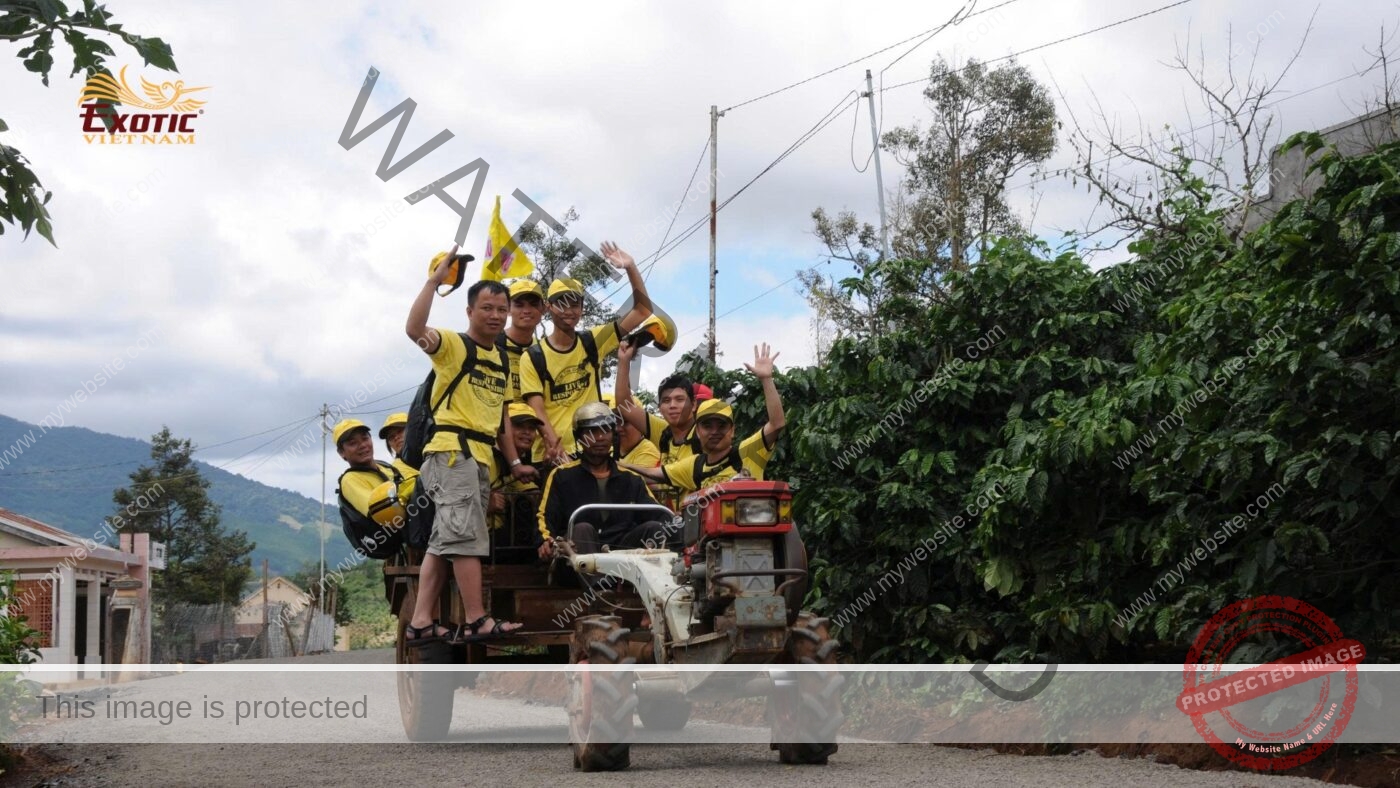
With its rich indigenous cultural foundation and a uniquely interconnected geographical setting, Đắk Lắk offers ideal resources for crafting immersive, experience-driven team building programs that go far beyond conventional physical activities. Exotic Vietnam leverages the cultural values of the Ê Đê, M’nông, and coastal communities as a “language of experience,” where each activity is designed not only to strengthen team cohesion but also to tell meaningful stories about people and place.
Within village settings, programs are centered around the Ê Đê longhouse – an iconic symbol of community life and matriarchal traditions. Team challenges are woven into a “village-building journey,” where participants collaboratively decode cultural symbols, engage in traditional crafts, and recreate elements of indigenous daily life. The Kpan bench and gong space become a shared stage for connection, where individuals synchronize with the collective rhythm, reflecting the spirit of collaboration, sharing, and co-creation in a corporate environment. In Buôn Đôn, programs draw inspiration from elephant culture – from historical practices of hunting and domestication to today’s conservation-oriented approach. Activities are designed around the “journey of the mahout,” emphasizing responsibility, empathy, and adaptability, while offering insights into sustainable leadership and resource management in business.
At the same time, the epic traditions of the Central Highlands are transformed into story-driven, role-playing experiences. Participants take on character roles in journeys of challenge, exploration, and conquest. Inspired by the heroic spirit embedded in traditional epics, these programs foster strategic thinking, pioneering mindset, and a shared ambition to achieve common goals, while enhancing emotional engagement, depth, and memorability.
Extending toward the coastal region, Exotic Vietnam develops activities connected to fishing villages, where participants experience the rhythm of fishermen’s lives through challenges such as net pulling, seafood sorting, preparing local dishes, or engaging in bả trạo singing – a traditional performance associated with whale worship rituals. These activities not only enhance interaction but also evoke the spirit of unity, synchronized coordination, and resilience in navigating challenges – paralleling how organizations work together to overcome adversity.
What distinguishes Exotic Vietnam’s approach is the seamless integration of indigenous culture into experience design, creating team building programs that are not only effective in strengthening team bonds but also rich in humanistic value. Each program contributes to the preservation and promotion of traditional cultural heritage by respecting local contexts, collaborating with communities, and transforming heritage into lived experiences. Every journey thus becomes more than just a collective activity – it is an opportunity for participants to “understand and appreciate” culture, people, and their own organization.
