


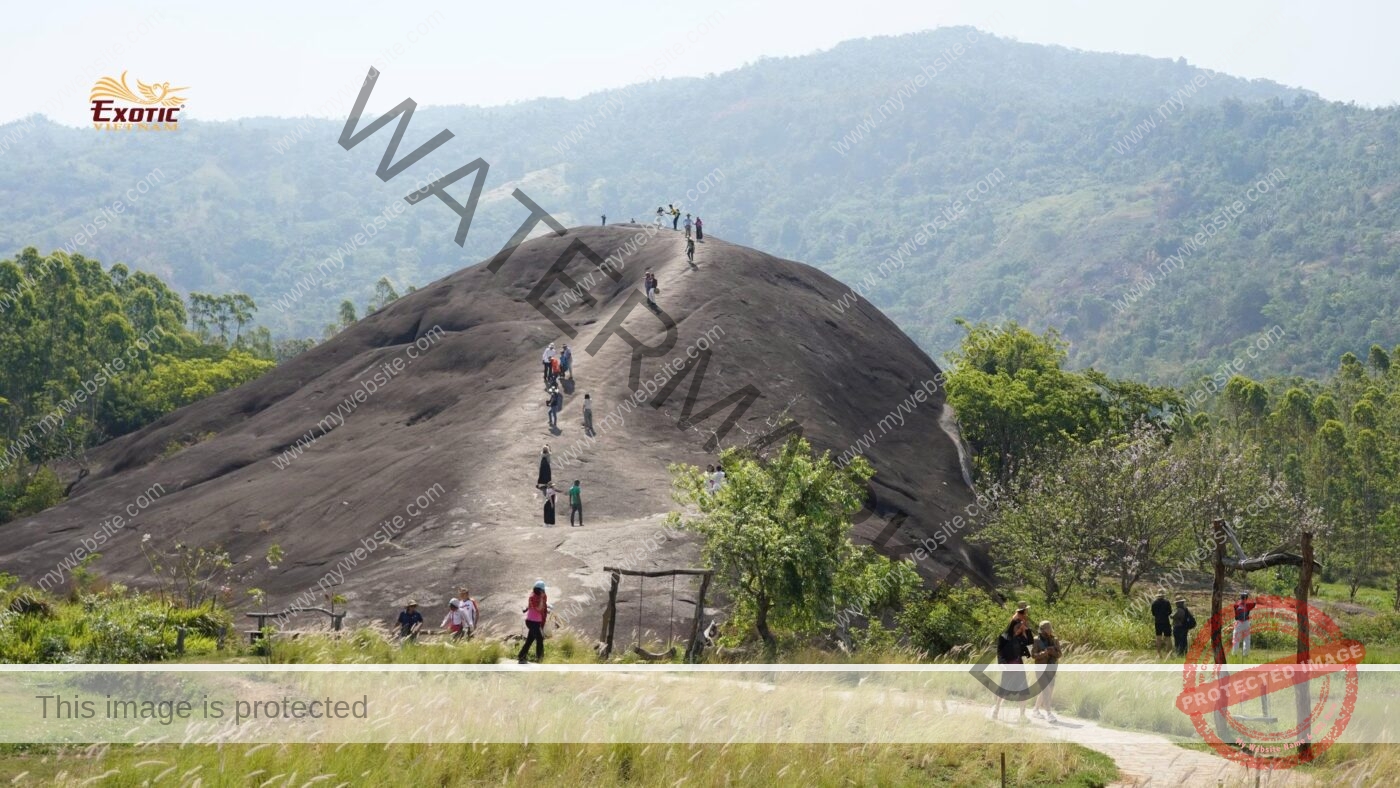
Dak Lak, in its new form following administrative consolidation, is no longer a standalone destination but has become a rare confluence of the basaltic highlands and the South Central Coast. From distinctive deciduous dipterocarp forests and the Sre Pok River winding through vast wilderness, to pristine blue beaches and dramatic rocky cliffs, all elements blend seamlessly to form a diverse landscape with exceptional potential for tourism and MICE development.
With its expansive scale and rich natural resources, Dak Lak is gradually emerging as a “land of heritage” – where the authentic values of Vietnam’s nature and culture come together. In this journey of discovery, Exotic Vietnam is proud to accompany, showcase, and curate distinctive experiences in this promising destination.
Natural Resources in Dak Lak
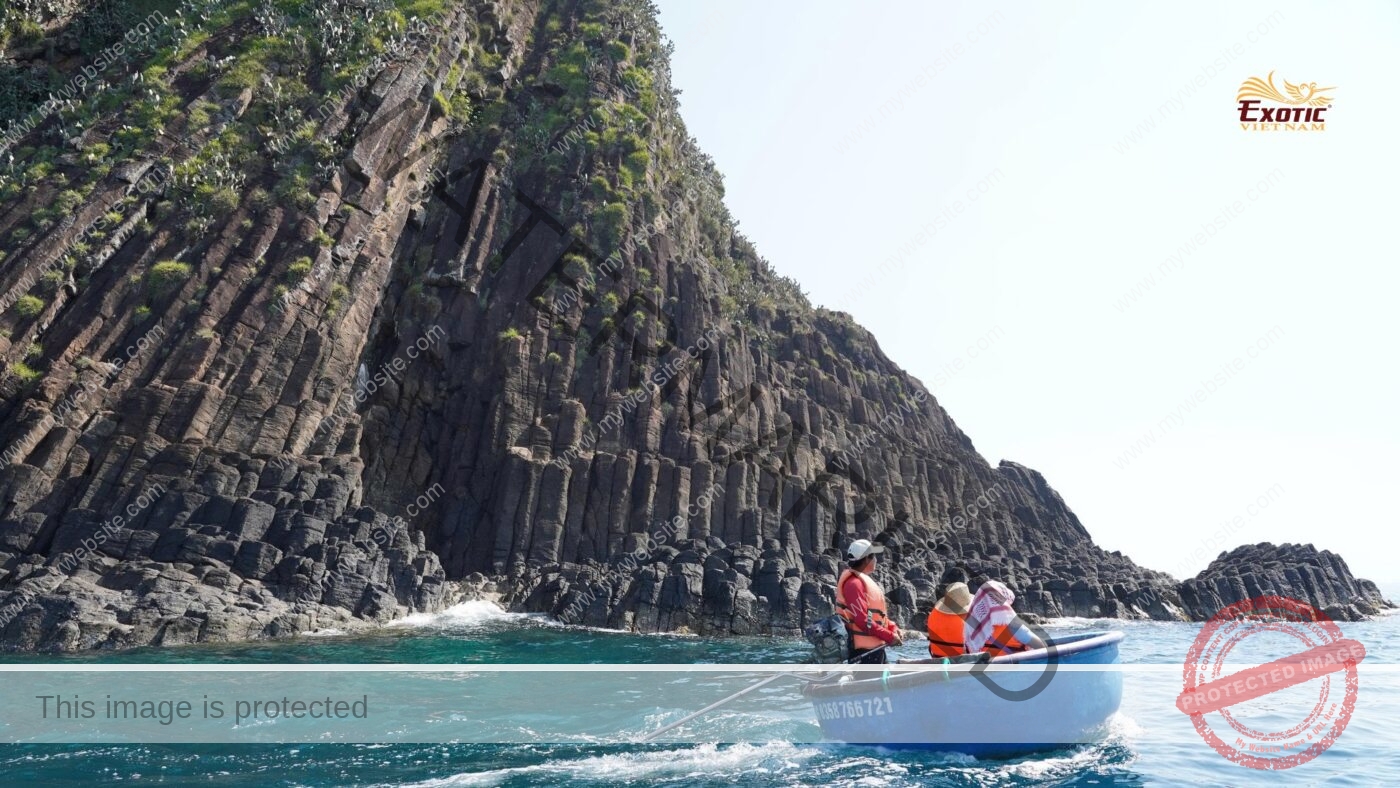
Dak Lak’s terrain vividly reflects a transition from highlands to the sea. The basaltic plateau, at elevations of 400–800 meters, is not only fertile and known as Vietnam’s coffee capital, but also shapes a vast, open landscape of gently rolling hills and vibrant river systems flowing westward. A standout feature is the majestic Chu Yang Sin massif, rising to 2,442 meters, while to the east unfolds an extensive coastline dotted with bays, lagoons, and striking rocky outcrops.
The climate is divided into two complementary sub-regions: a temperate highland climate and a warm coastal climate. Thanks to the offset between rainy and dry seasons, the destination offers year-round tourism potential.
The natural landscape is distinctly layered: the open, dry dipterocarp forests of Yok Don; the dense, evergreen forests of Chu Yang Sin; and the coastal zone with sheltered bays and pristine beaches. This interplay of mountains, forests, and sea creates a landscape that is both powerful and refined.
Cultural Resources in Dak Lak
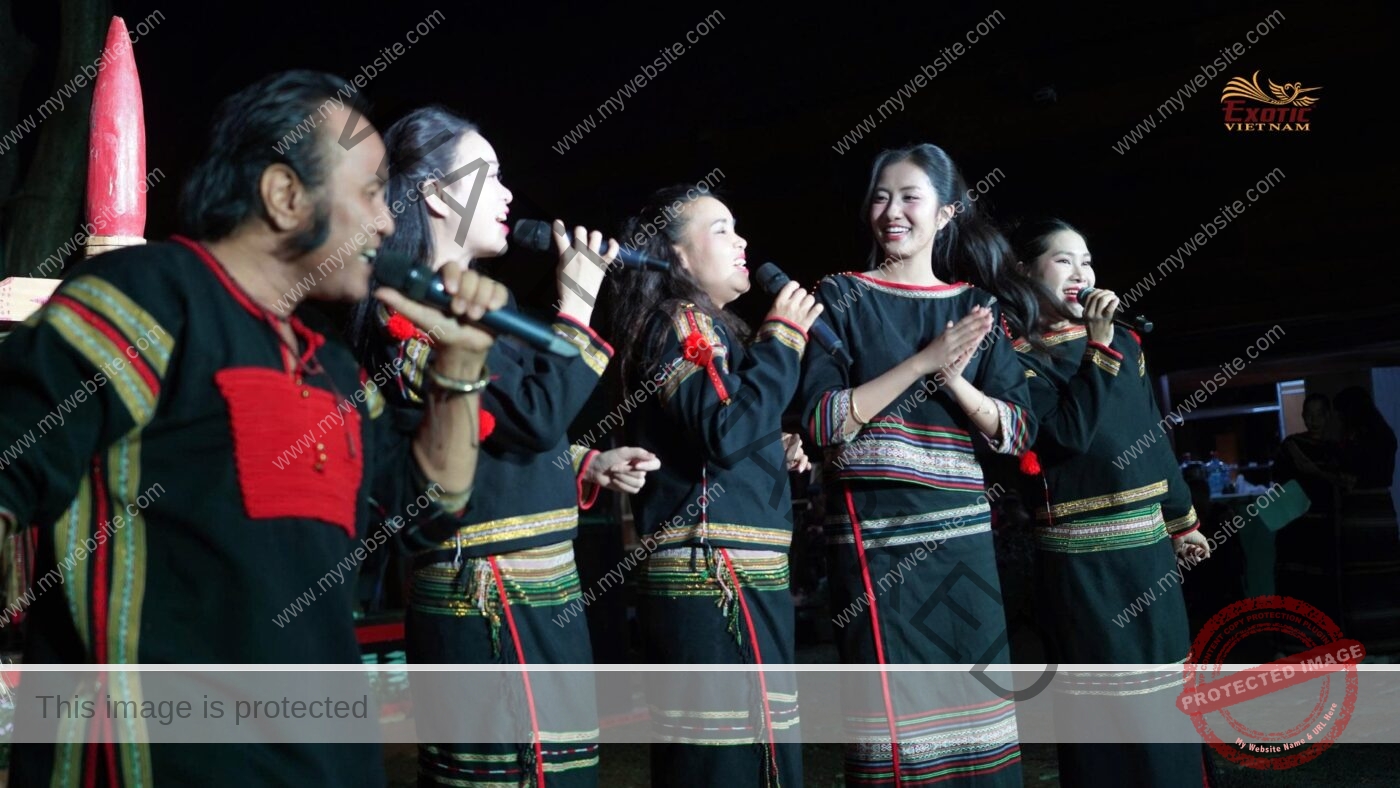
Dak Lak is home to diverse ethnic communities such as the Ede, M’nong, and J’rai, each with unique cultural identities expressed through longhouses, festivals, and a community lifestyle deeply connected to nature.
A highlight is the “Central Highlands Gong Culture Space,” inscribed by UNESCO in 2005. For the Ede people, gongs are not merely musical instruments but the spiritual essence of their culture, closely tied to rituals and beliefs. Within the longhouse, on the Kpan bench, the resonance of gongs serves as a bridge between humans and the spiritual world, preserving collective memory across generations.
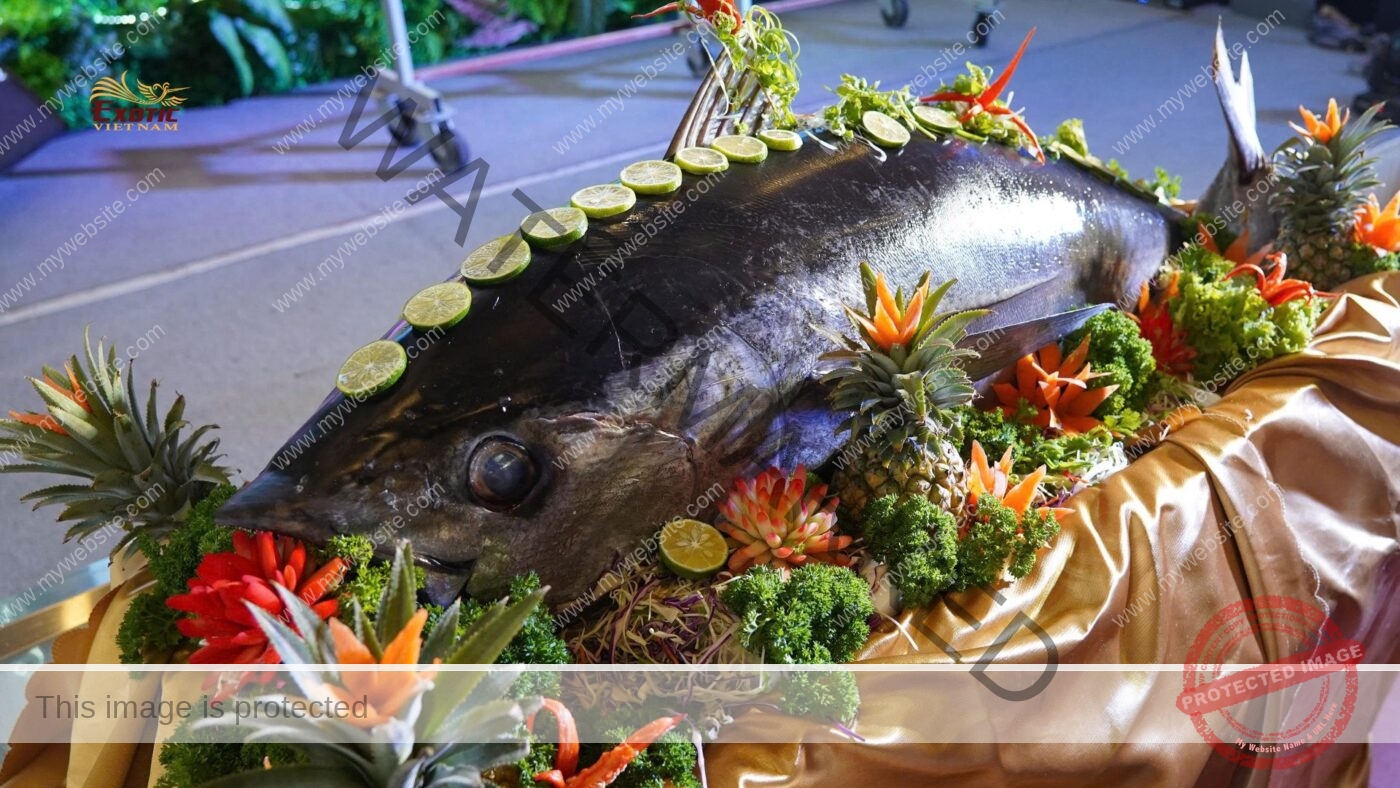
Festivals such as the Coffee Festival and the Ocean Tuna Festival further enrich the cultural landscape, offering immersive experiences that connect visitors with local traditions and identity.
Local Cuisine in Dak Lak
Dak Lak’s cuisine is a unique fusion of highland and coastal influences, vividly reflecting the region’s terroir and community life.
Rice wine (ruou can) embodies ritual significance and communal bonding; bold Robusta coffee expresses the strong character of the highlands; while bamboo-tube rice and grilled chicken preserve the rustic flavors of the mountains. At the same time, fresh seafood and ocean tuna from the coastal area bring a distinct maritime touch, ranging from simple preparations that highlight natural sweetness to refined dining experiences by the sea.
Here, cuisine is not merely about taste—it is a journey into culture.
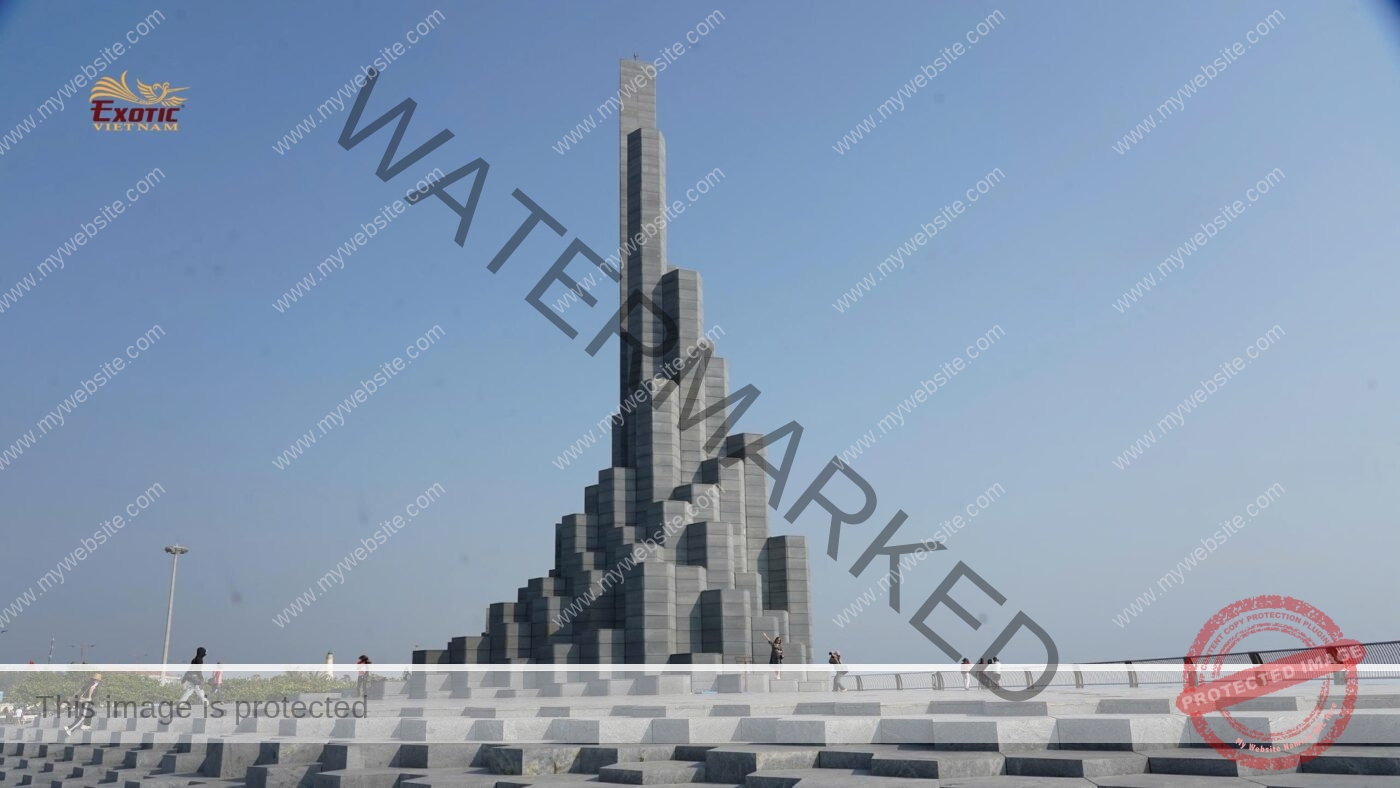
Tourism Infrastructure in Dak Lak
Dak Lak’s transportation system is steadily improving, with Buon Ma Thuot and Tuy Hoa airports providing convenient connections to major economic hubs. In addition, the North–South Expressway (CT01) enhances regional connectivity, significantly reducing travel time from Ho Chi Minh City to the South Central Coast.
The accommodation system is increasingly diverse, catering to both leisure stays and event needs. In Buon Ma Thuot, hotels such as Muong Thanh Luxury Buon Ma Thuot Hotel, Elephants Hotel, Tru by Hilton Buon Ma Thuot City Centre, and Saigon Ban Me Hotel offer comfortable and well-equipped spaces suitable for both individual travelers and MICE groups.
Meanwhile, Phu Yen stands out for its coastal hospitality offerings in Tuy Hoa, featuring hotels and resorts such as Rosa Alba Resort & Villas Tuy Hoa, Stelia Beach Resort, Wink Hotel Tuy Hoa Beach, Sala Grand Tuy Hoa Hotel, Mandala Hotel & Spa Phu Yen, and TUI BLUE Tuy Hoa Hotel. Most notably, Zannier Hotels Bai San Ho in Song Cau offers a secluded, high-end retreat set amid pristine natural surroundings, making it an ideal choice for premium MICE programs and corporate retreats that emphasize privacy and personalization..
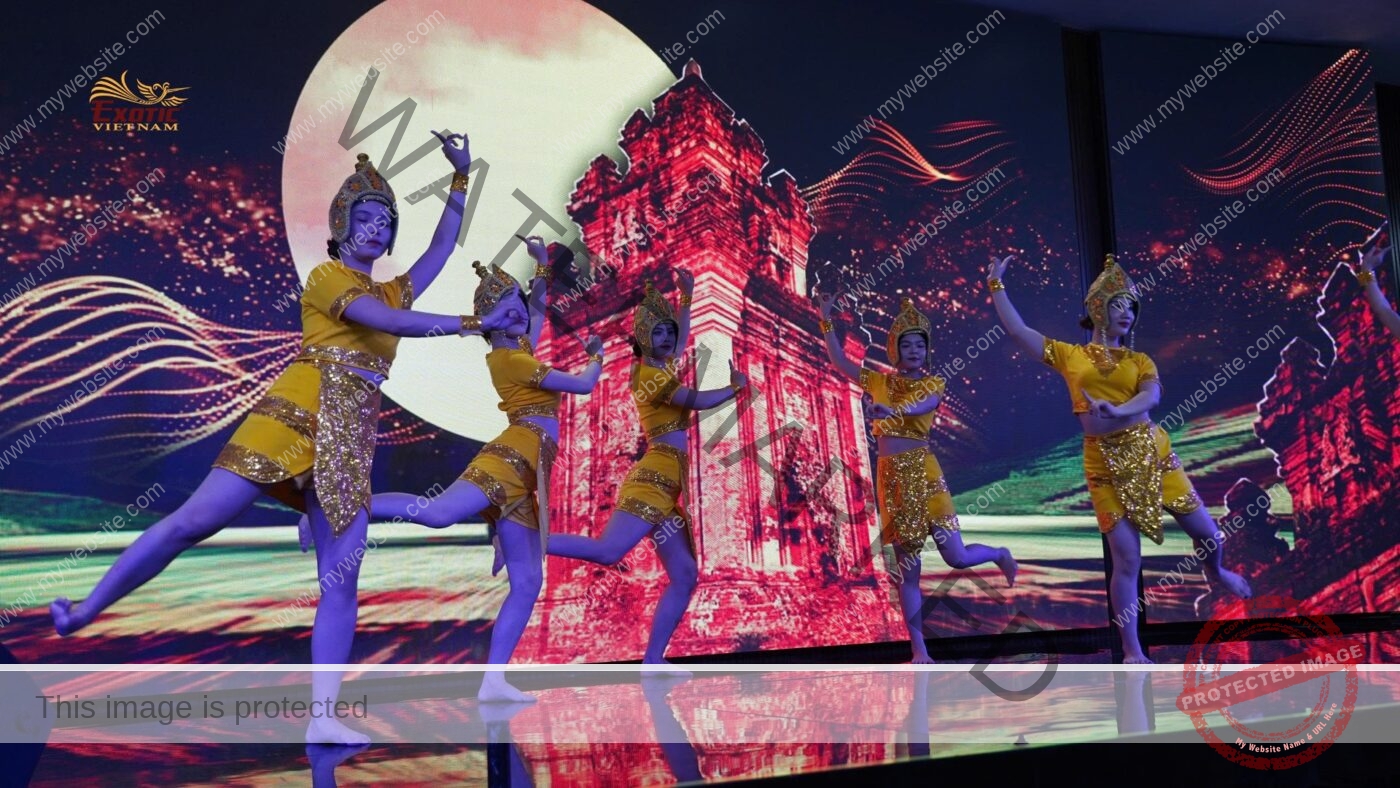
Exotic Vietnam – A Professional DMC in Vietnam
With its harmonious blend of diverse natural landscapes and steadily improving infrastructure, Dak Lak is steadily establishing itself as a promising MICE destination in Vietnam. Its geography – spanning from highlands to coastline – enables the design of flexible, multi-layered programs. Conferences, incentive trips, team building activities, and gala dinners can be organized across a wide range of settings, from primary forests and highland lakes to private beaches and upscale resorts, offering a distinctive alternative to traditional urban destinations.
What sets Dak Lak apart is not only the diversity of its venues, but also its ability to seamlessly integrate local culture into each experience. Programs can incorporate gong performances, local cuisine, community engagement, and eco-based activities, creating journeys that are both cohesive and emotionally engaging. This forms the foundation for truly experiential MICE programs, going beyond conventional event formats.
In this context, Exotic Vietnam plays a key role as a professional Destination Management Company (DMC) in Vietnam, delivering tailor-made experiences aligned with each client’s objectives. With extensive experience and deep destination expertise, Exotic Vietnam goes beyond event execution to act as an “experience designer,” seamlessly connecting nature, culture, and corporate messaging.
At the same time, the company places strong emphasis on sustainability in every program—from partnering with local communities and optimizing environmental impact to preserving cultural authenticity. As a result, each event not only achieves operational excellence but also contributes to long-term value for both the destination and local communities.
