


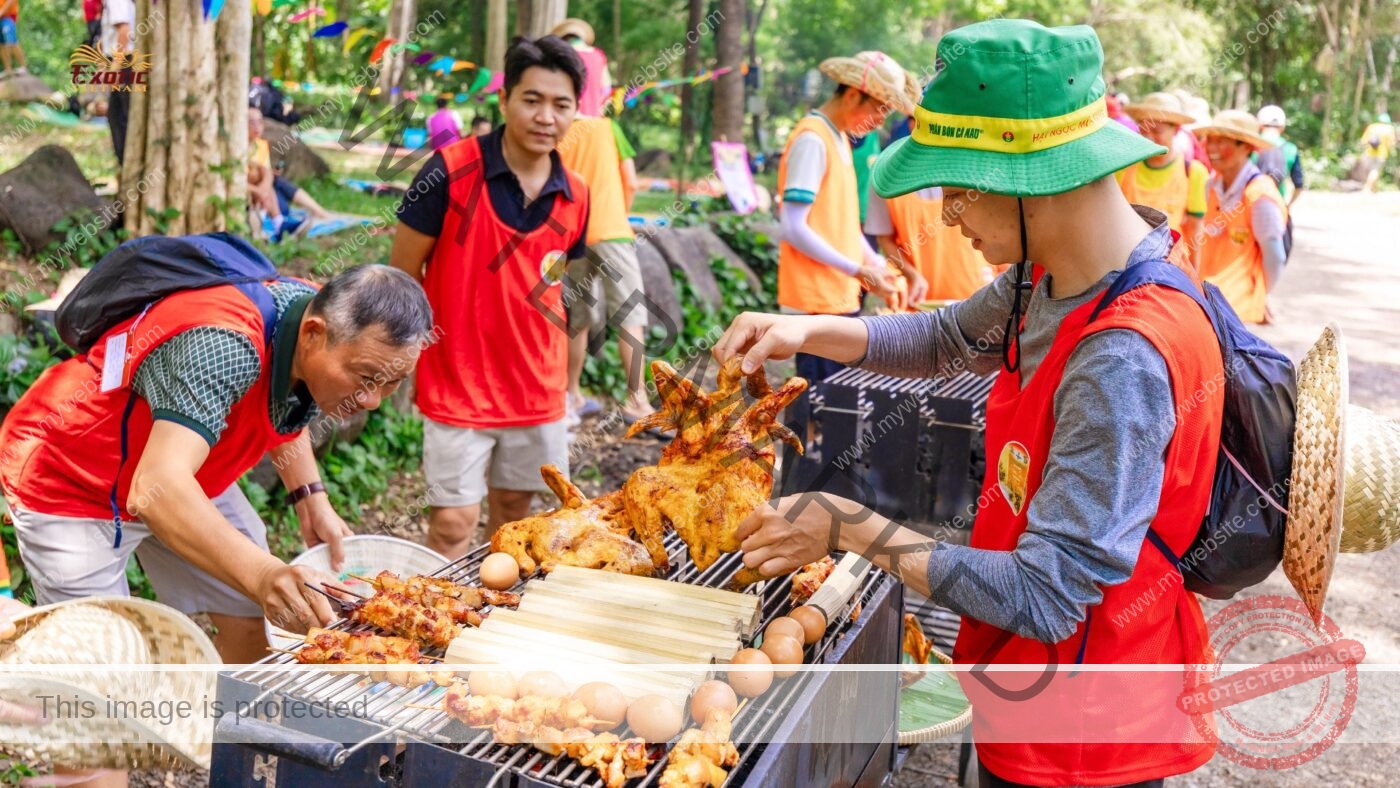
As the concept of Business Value in Corporate Team Building expands, the value of a program is no longer limited to the company and its participants. It can also create a positive impact on the destination, environment, and local community. Therefore, Authenticity and Sustainability should be incorporated from the very beginning of the program design process. Rather than simply bringing games to a destination, Corporate Team Building can transform the destination’s spaces, history, culture, nature, and people into the content and “game tools” of the experience. An old quarter can become the setting for an Amazing Race, a traditional craft village can become a place for cultural discovery, or a local market can provide the setting for challenges involving communication and cuisine.
Local authenticity should not be merely a layer of “decoration” added to the program. It should help participants understand the stories behind the destination – its people, history, traditional crafts, cuisine, and community life. When approached thoughtfully and respectfully, this model creates distinctive experiences, reduces reliance on artificial props, and opens opportunities for local products, services, and communities to participate and benefit. Corporate Team Building, therefore, can create value not only for the company but also contribute to preserving local identity and supporting the sustainable development of the destination.
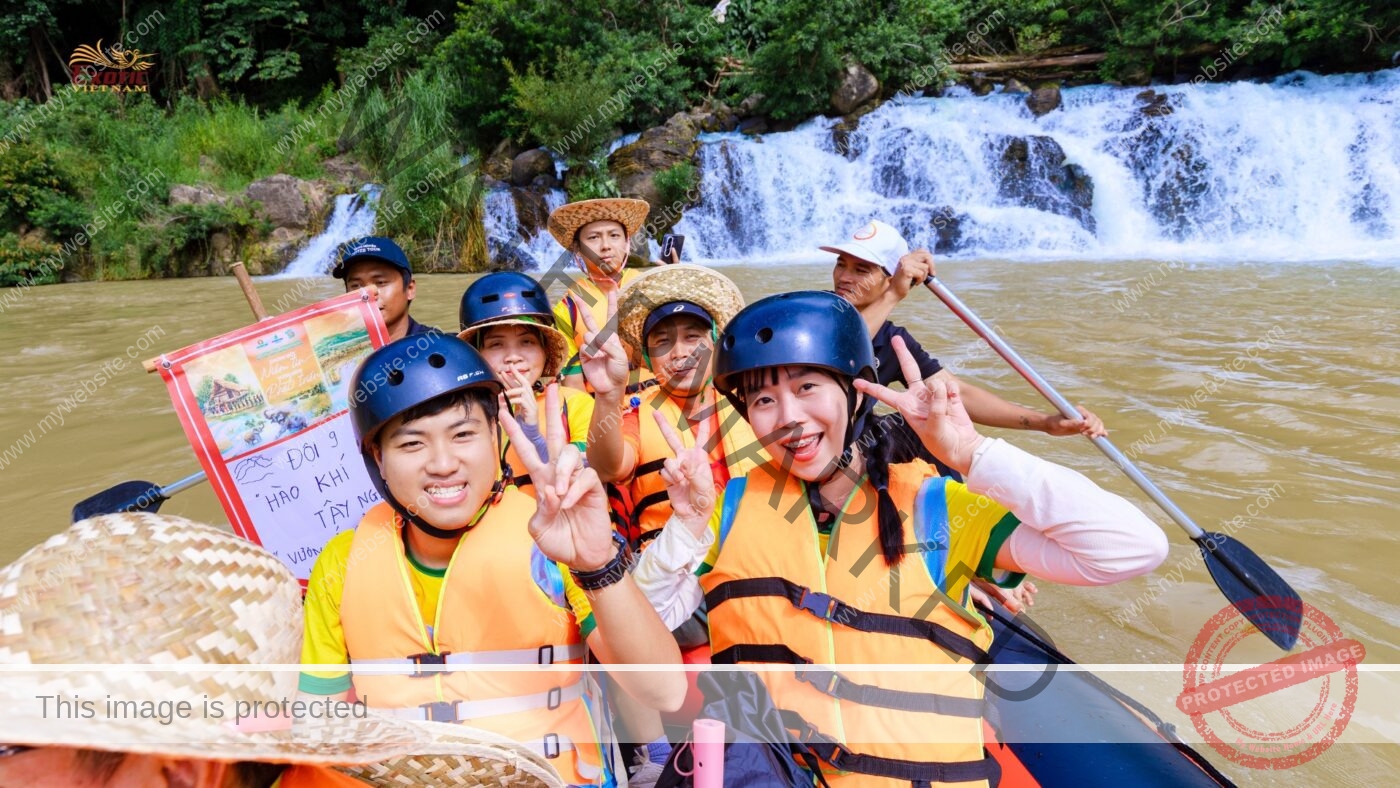
From “Going Somewhere to Play” to “Experiencing a Place to Understand It”
One of the most notable shifts in Team Building today is the growing interest in local experiences. Rather than bringing the same set of games to every destination – whether on a sports field, beach, or at a resort – programs can draw on the destination’s own spaces, culture, history, nature, and people to create meaningful experiences.
An old quarter can become the setting for an Amazing Race; a traditional craft village can provide an opportunity to discover local culture and crafts; a local market can become the setting for challenges involving communication and cuisine; while a rural area can combine community activities with opportunities to explore local life, production, and nature.
Participants therefore do not simply “visit a destination to organize a Team Building program”; they “experience and understand the destination through Team Building”. Experiences rooted in the local context are often difficult to replicate, giving each program a distinctive identity and creating memories connected to the place itself.
With its diversity of geography, landscapes, history, culture, and communities, Vietnam offers a rich “playground” for companies to design locally inspired Team Building programs. From cities, craft villages, coastal areas, and mountainous regions to ethnic communities, each destination has its own stories and values that can be transformed into content, challenges, and experiences.
This approach represents a shift from “bringing games to a destination” to “making the destination part of the game” – creating Team Building programs that are more distinctive, authentic, and meaningful.
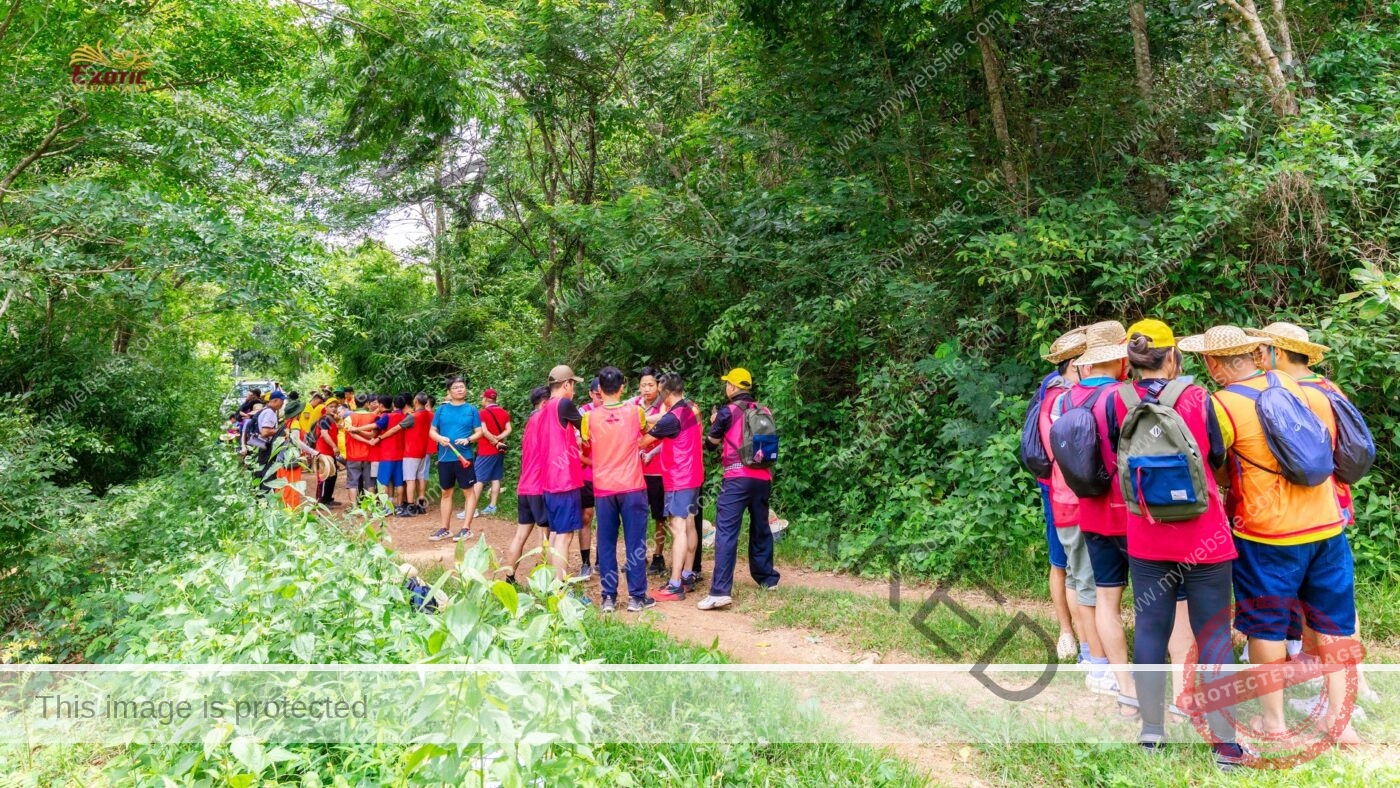
Responsible Travel – Traveling Responsibly and Reducing Unnecessary Impact
Sustainable Team Building does not necessarily have to begin with large-scale initiatives. It can start with how a program is designed and organized, and the impact it leaves behind after it ends.
One issue that deserves greater attention is Event Waste – the waste generated by banners, signage, props, decorations, and other materials used for only a very short period. For large-scale programs, the volume of such materials can be significant.
Sustainable design, therefore, is not simply about “using green materials”. It should first raise more fundamental questions: Do we really need to produce this material? Can it be reused? Can we make use of what the destination already has instead of creating something new?
Companies and event organizers can reduce single-use items, limit props that are used for only a few hours, optimize printing, reduce plastic waste, and prioritize reusable materials. Single-use plastic water bottles, in particular, are a common source of waste at Team Building programs. They can be replaced with personal reusable bottles, shared water stations, or other reusable water-supply solutions.
Food Waste should also be considered. Over-ordering meals, poorly managed buffets, or inappropriate portion sizes can generate significant amounts of leftover food. More accurate participant forecasts, appropriate menu planning, and coordination with food suppliers to manage portions are simple ways to reduce unnecessary waste.
More importantly, Responsible Travel should be treated as a design principle from the very beginning – covering the choice of destination, transportation, materials, food, program operations, and post-event waste management. In this way, Team Building can create memorable experiences while reducing unnecessary impacts on the environment and the destination.
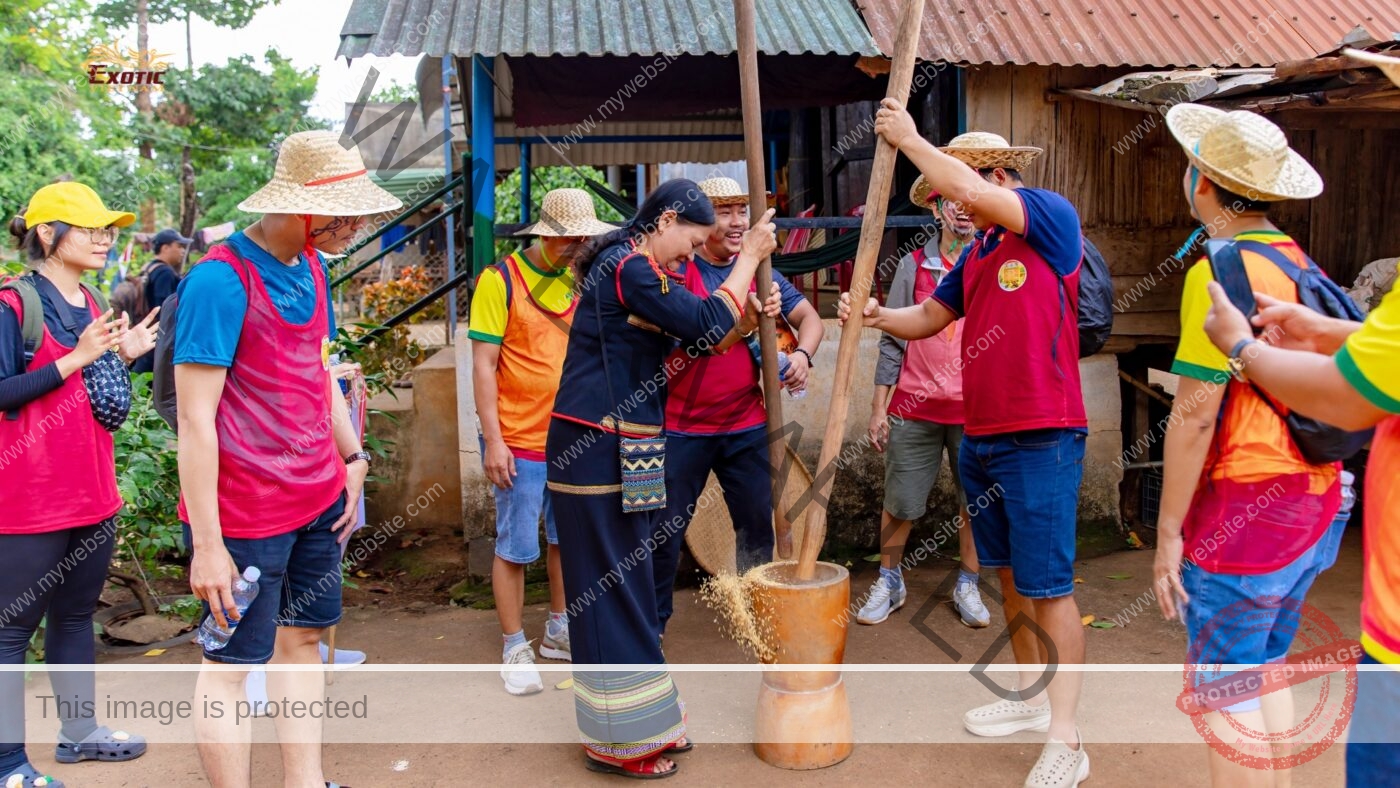
Local Community Engagement – Local Communities as Part of the Experience
A destination is defined not only by its landscapes, but also by the people, livelihoods, and communities that give it a unique identity. Rather than using the local community simply as a “backdrop” for activities, Team Building can make the community an integral part of the experience.
This can take many forms: meeting local artisans, discovering traditional crafts, using local products, exploring community life, participating in meaningful activities, or designing challenges that involve local residents directly.
Beyond the experience itself, choosing local services and suppliers is another way to create value. From transportation, meals, and accommodation to products and services supporting the program, working with appropriate local providers can help generate income and distribute economic benefits within the community.
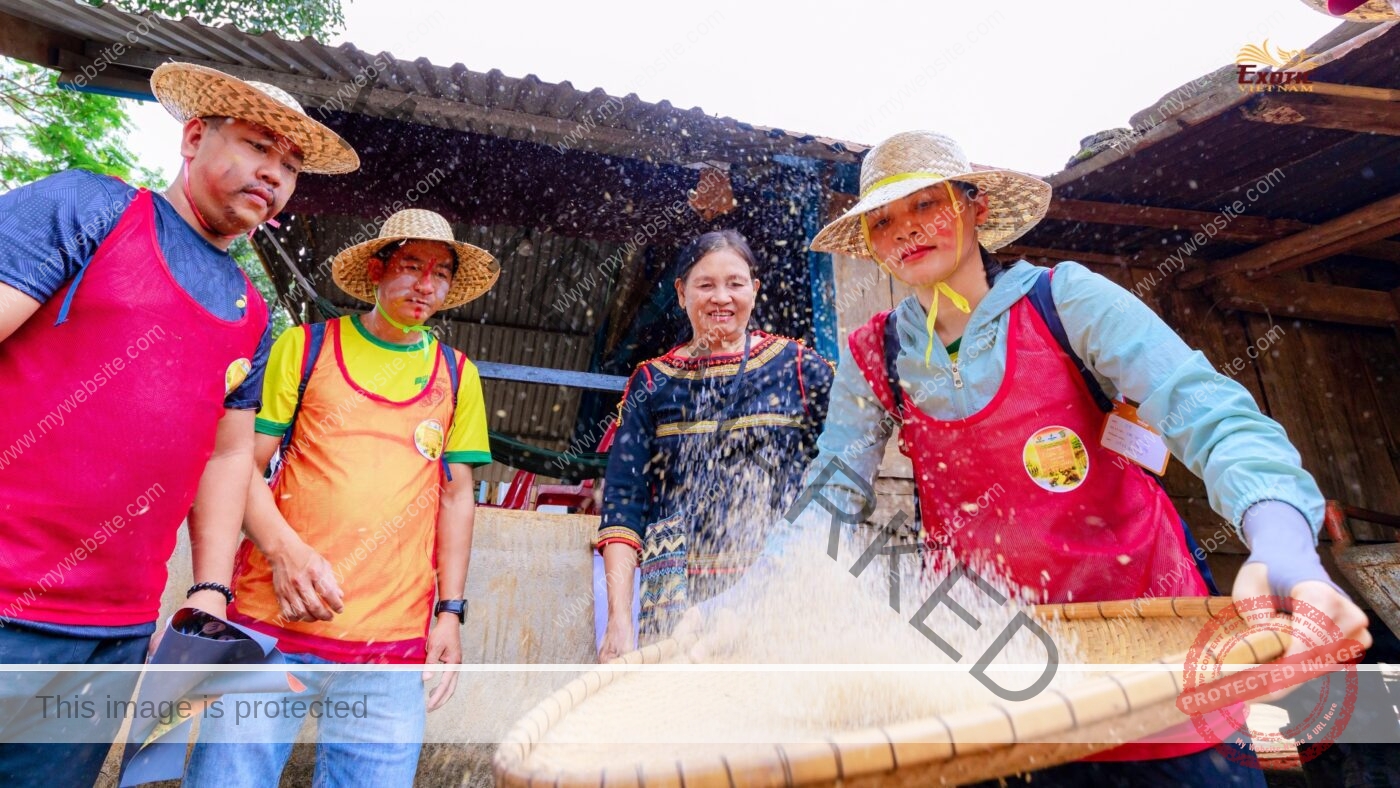
Importantly, local communities should not be treated merely as service providers. Their participation should be appropriate and respectful of their culture, way of life, and interests. This can create opportunities for local people to generate income, promote their products, preserve traditional crafts, and share their culture, while giving companies and participants more authentic and distinctive experiences.
For outdoor programs, community engagement should also go hand in hand with responsible destination management. Activities should respect natural spaces, avoid pollution, stay away from environmentally or culturally sensitive areas, and ensure that sites are left in an appropriate condition after the program.
This approach also creates opportunities for Team Building programs that draw on the natural environment, local culture, stories, and people of the destination. When local values become part of the experience and serve as “game tools,” programs can reduce their reliance on artificial props while creating richer and more meaningful experiences.
With this approach, Team Building becomes more than an activity for participants. It becomes a responsible experience for the destination, where companies, participants, and local communities can create value together.
Environmental Awareness – Learning Through Experience
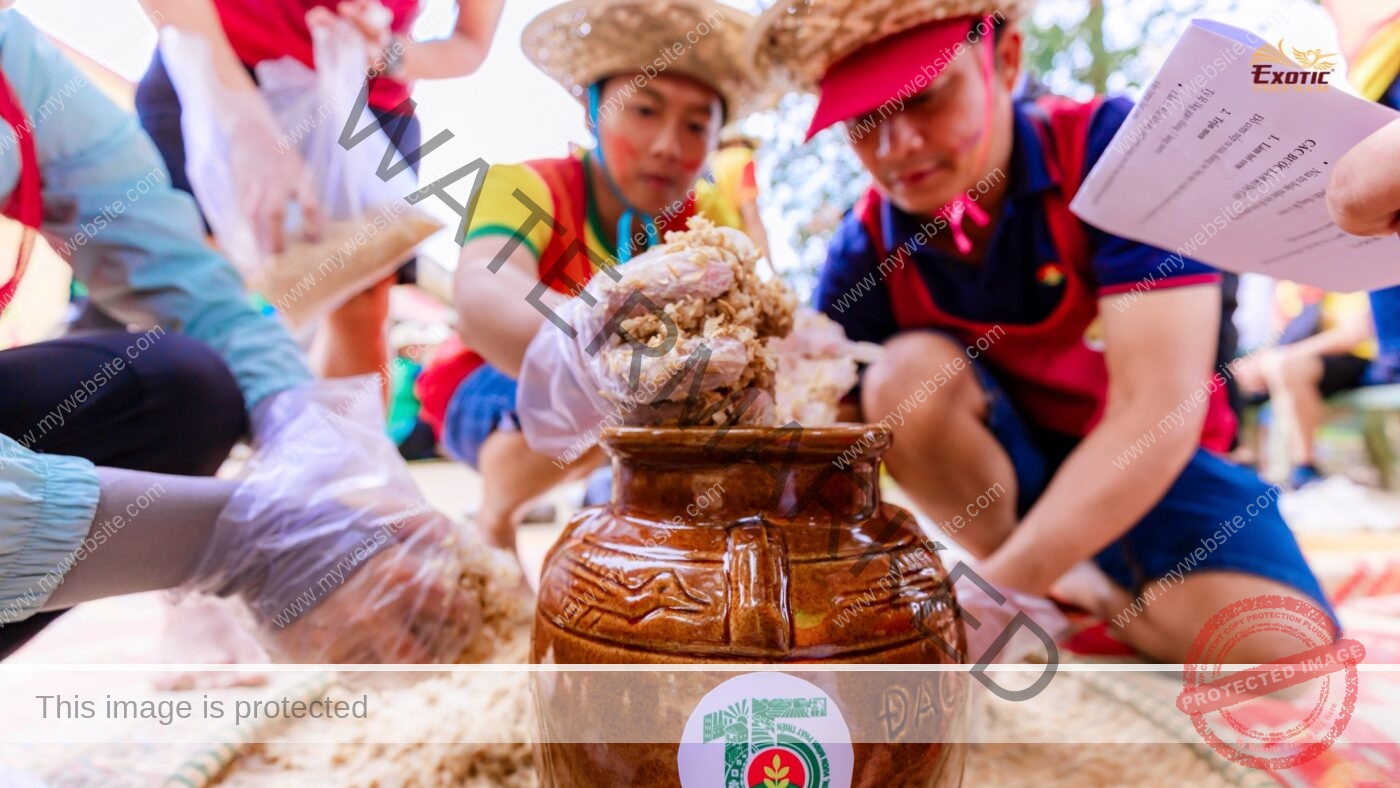
Team Building can be a powerful tool for building environmental awareness through experience, rather than simply communicating environmental messages. When participants make decisions, solve problems, and see the consequences of their choices firsthand, the principles of Sustainability become more tangible and memorable.
- From Message to Experience: Rather than simply asking participants to “protect the environment,” challenges can simulate real-world issues such as resource use, water management, waste sorting, nature conservation, or balancing development with environmental protection. Teams may have to allocate limited water resources, choose materials with different environmental impacts, or complete a task under resource constraints. The value lies not in finding the “right answer”, but in recognizing the relationship between decisions, resources, and consequences. This is the value of experiential learning: participants directly experience trade-offs and responsibility through their decisions.
- Sustainability Must Be Reflected in the Way the Program Is Organized: Sustainability should not appear only in the closing message. It should be reflected throughout the program – from destination selection and activity design to the use of resources, materials, food, and waste management. A program that promotes environmental protection while generating excessive plastic waste, unnecessary materials, or food waste can undermine its own message. Conversely, when a program is organized with restraint, responsible resource use, and respect for nature, Sustainability becomes a real part of the experience rather than simply a slogan.
- From Awareness to Action: The ultimate value is not simply to help participants “learn more about the environment”, but to encourage changes in how they think and act. A Reflection session after the challenge can help teams connect their experience to work and everyday life: How did we use our resources? What happens when a decision optimizes our team’s outcome but creates a greater impact elsewhere? What could we change in our daily work? In this way, Team Building can turn Environmental Awareness from a message into a practical learning experience, encouraging more responsible attitudes toward resource use.
From Business Value to Shared Value
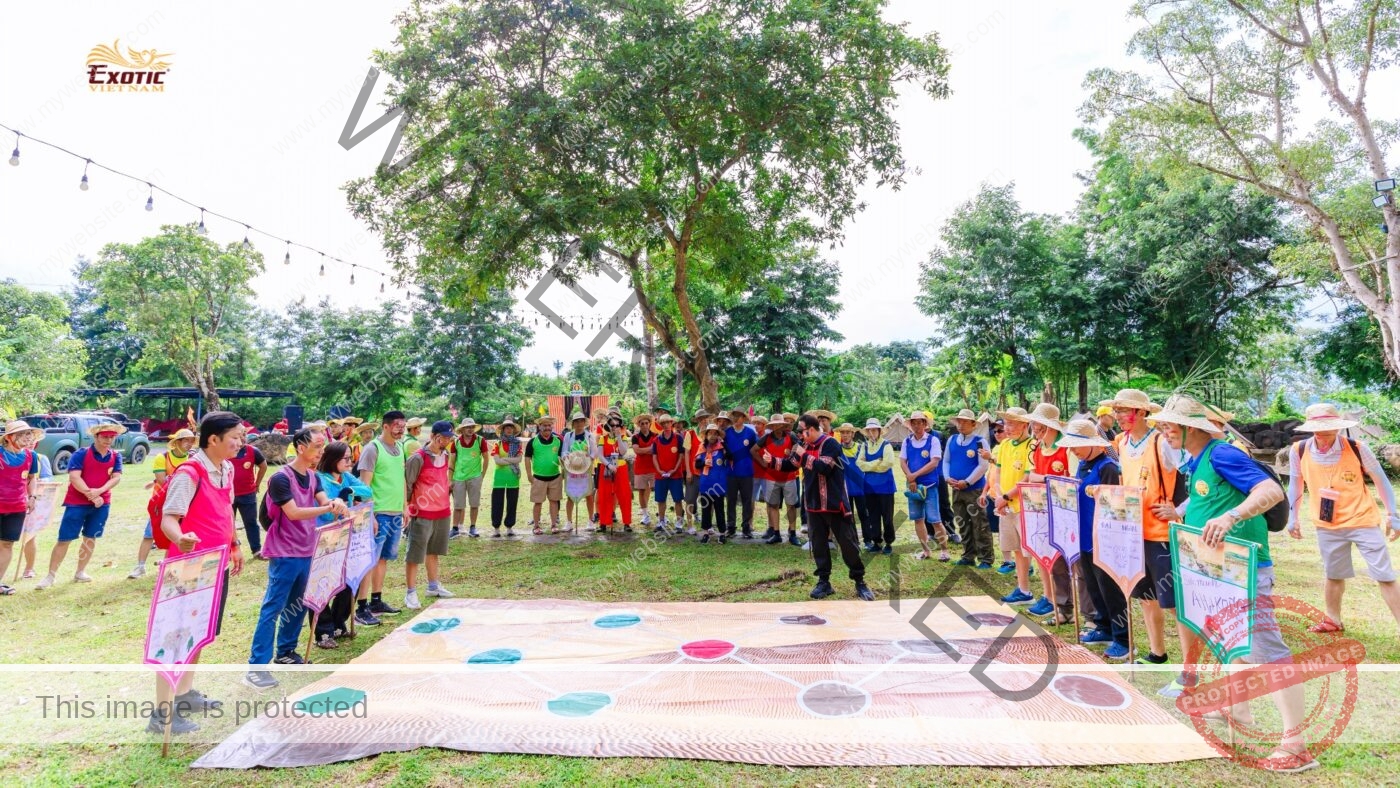
More broadly, Sustainability and Authenticity expand the concept of Business Value into Shared Value – value that is created and shared among multiple stakeholders. Companies gain a meaningful experience; employees have opportunities to connect and explore; destinations are experienced in greater depth; local communities gain opportunities to participate and benefit; while the environment and local culture are respected.
This can be illustrated as: Company → Employee → Destination → Community → Environment
This approach is also aligned with Exotic Vietnam’s focus on sustainable development in Team Building in 2026: not simply creating a good program for the company, but designing a responsible experience that respects the destination where it takes place.
A sustainable Team Building program does not necessarily have to be more complicated. Sometimes, it simply requires a different approach: making greater use of what the destination already has, creating meaningful interactions with local communities, respecting local culture, reducing unnecessary materials, and most importantly, leaving behind more positive value than negative impact.
Exotic Vietnam – A Team Building Partner Focused on Shared Value and CSR
As Team Building evolves from a recreational activity into a purpose-driven experience connected to Business Value, local authenticity, and sustainability, the role of the organizer must evolve as well. Exotic Vietnam goes beyond organizing programs to become a partner in designing experiences that create value for companies, participants, destinations, and local communities.
Beyond Team Building itself, companies can integrate CSR (Corporate Social Responsibility) initiatives that are relevant to the characteristics and needs of each destination. These may include supporting local communities, improving public spaces, contributing to education, protecting the environment, using local products, or participating in cultural preservation activities. When CSR is integrated into the experience rather than treated as a separate activity, participants do more than simply “make a contribution” – they gain a deeper understanding of the issue, interact directly with the community, and see the impact of their actions.
This represents a shift from Business Value to Shared Value: companies gain meaningful experiences, employees connect and grow, local communities gain opportunities to benefit, while destinations and their cultural values are respected. This approach reflects Exotic Vietnam’s direction in designing Team Building around Authenticity – Sustainability – CSR, where every program aims not only to create memorable experiences but also to leave behind more positive value than negative impact.
