


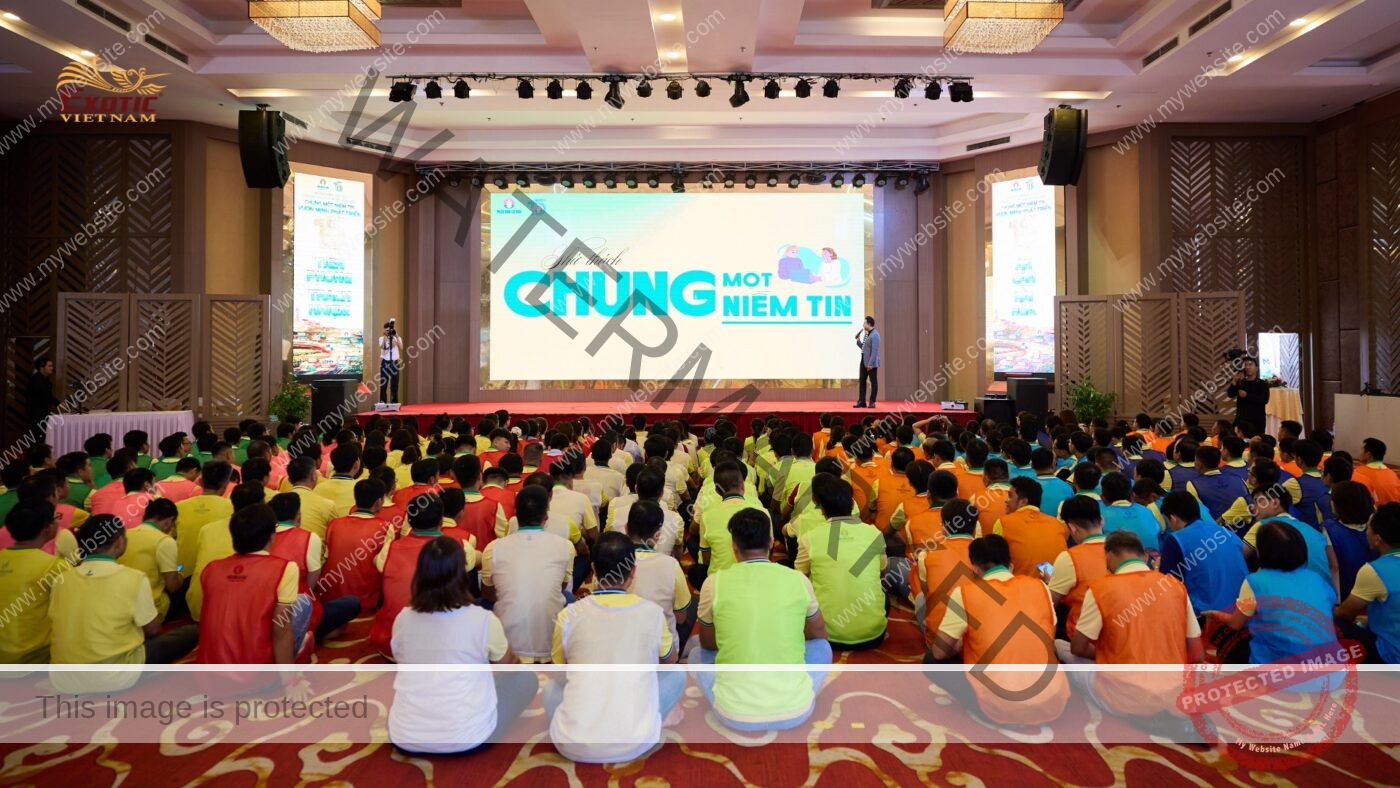
Many companies still view Team Building as merely a recreational activity, a leisure trip, or a “morale reward” for employees. As a result, programs often focus only on short-term excitement and entertaining performances. In reality, effective Team Building should serve as an environment where teams can strengthen communication, collaboration, problem-solving skills, and team spirit through practical experiences. Therefore, to create sustainable development value rather than just a short getaway, businesses should avoid the following common misconceptions.
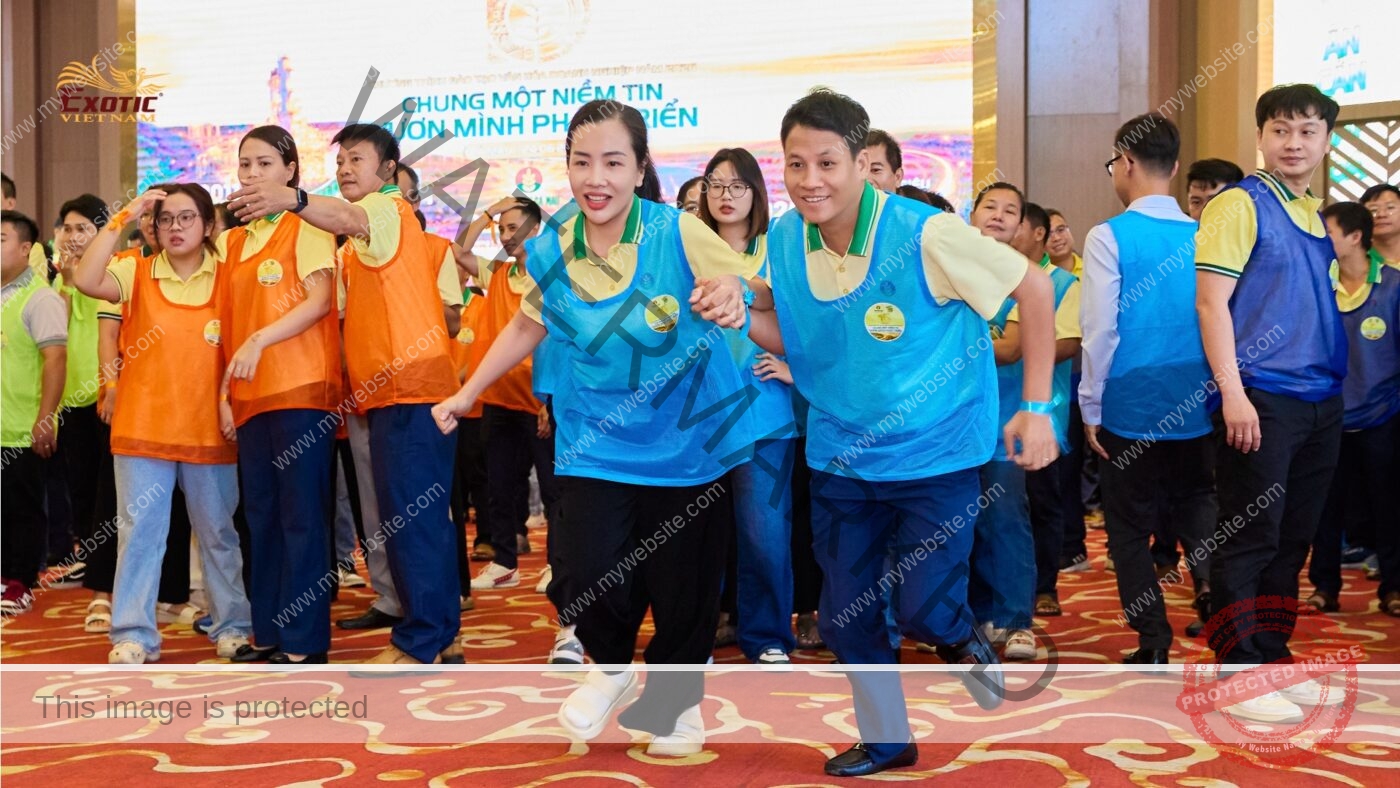
Treating Team Building as Simply “Having Fun”
One of the most common misconceptions is the belief that Team Building only needs to create excitement and entertainment. While energetic atmospheres and positive emotions are certainly important, programs lacking clear objectives, meaningful experiences, and alignment with company culture often produce only short-lived bonding effects.
After the event, teams may quickly return to old working habits, while communication and collaboration issues remain unresolved. In such cases, Team Building becomes an expensive activity with little real impact on teamwork or workplace performance.
An effective Team Building program should be designed so that every activity contributes to team development, helping employees not only “play together” but also “understand and work better together”.
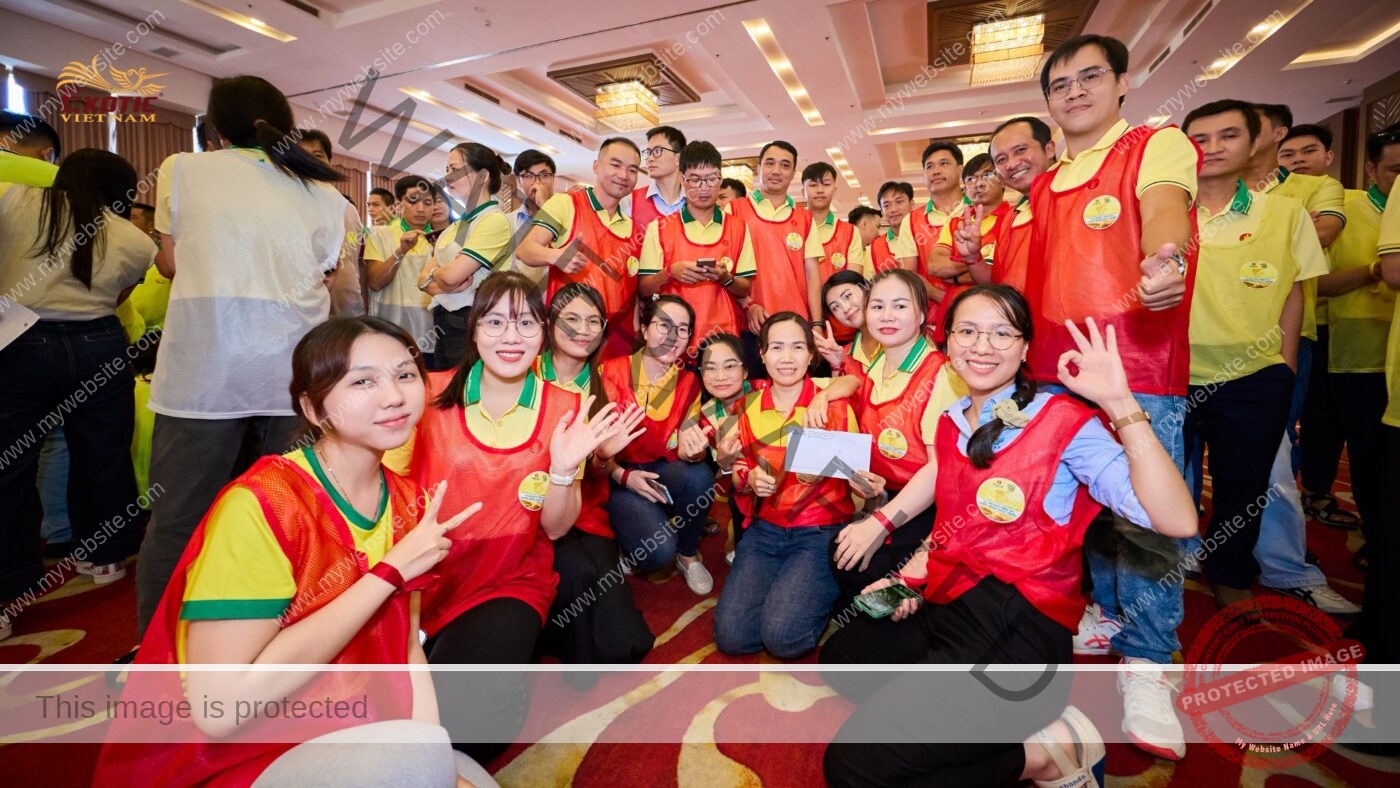
Focusing More on Leisure Than Purposeful Team Experiences
Many businesses measure the success of Team Building based on leisure standards such as luxurious hotels, premium dining, or relaxing schedules. However, leisure travel and Team Building are fundamentally different in value.
A relaxing trip may help employees recharge, but it does not necessarily improve collaboration or strengthen team spirit. The true value of Team Building lies in fostering mutual understanding, enhancing teamwork, and improving workplace performance after the program.
A successful Team Building program should provide goal-oriented experiences where participants work together to solve challenges, make decisions, and coordinate effectively under pressure or changing conditions. It is this process that truly helps teams develop stronger collaboration skills.
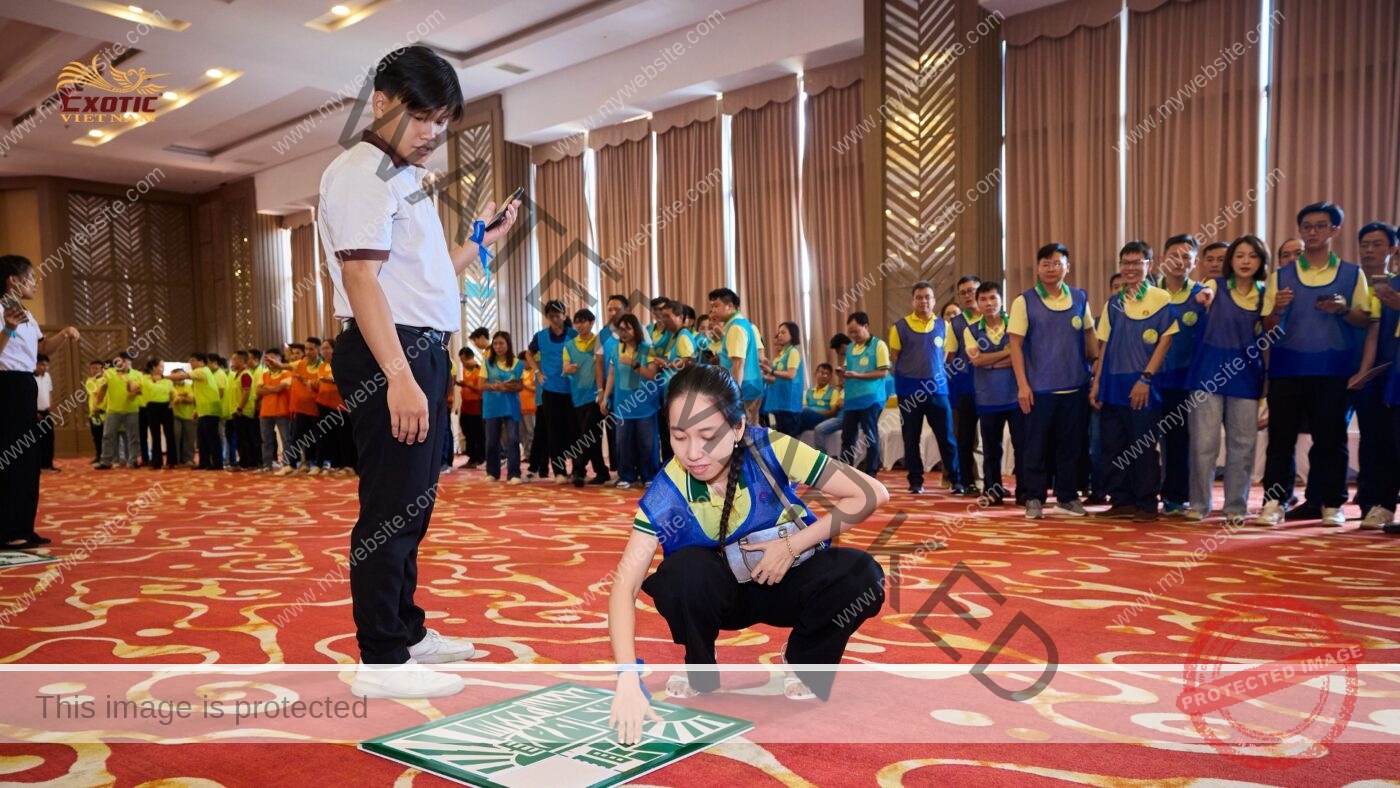
The Mindset That “Team Building Must Be About Winning”
Many Team Building programs today focus too heavily on competition and winning, causing participants to concentrate only on the final result while overlooking the value of the experience itself.
In reality, failures, conflicts, or mistakes during challenges often provide valuable opportunities for teams to recognize weaknesses in communication, task delegation, strategic thinking, and leadership. These lessons can be even more meaningful than victory, as businesses are able to identify operational weaknesses early before they lead to larger consequences in the workplace.
An effective Team Building program is not one where everyone wins easily, but one where teams learn something meaningful from each experience – even when the outcome does not meet expectations.
Focusing on Individuals Rather Than Collective Strength
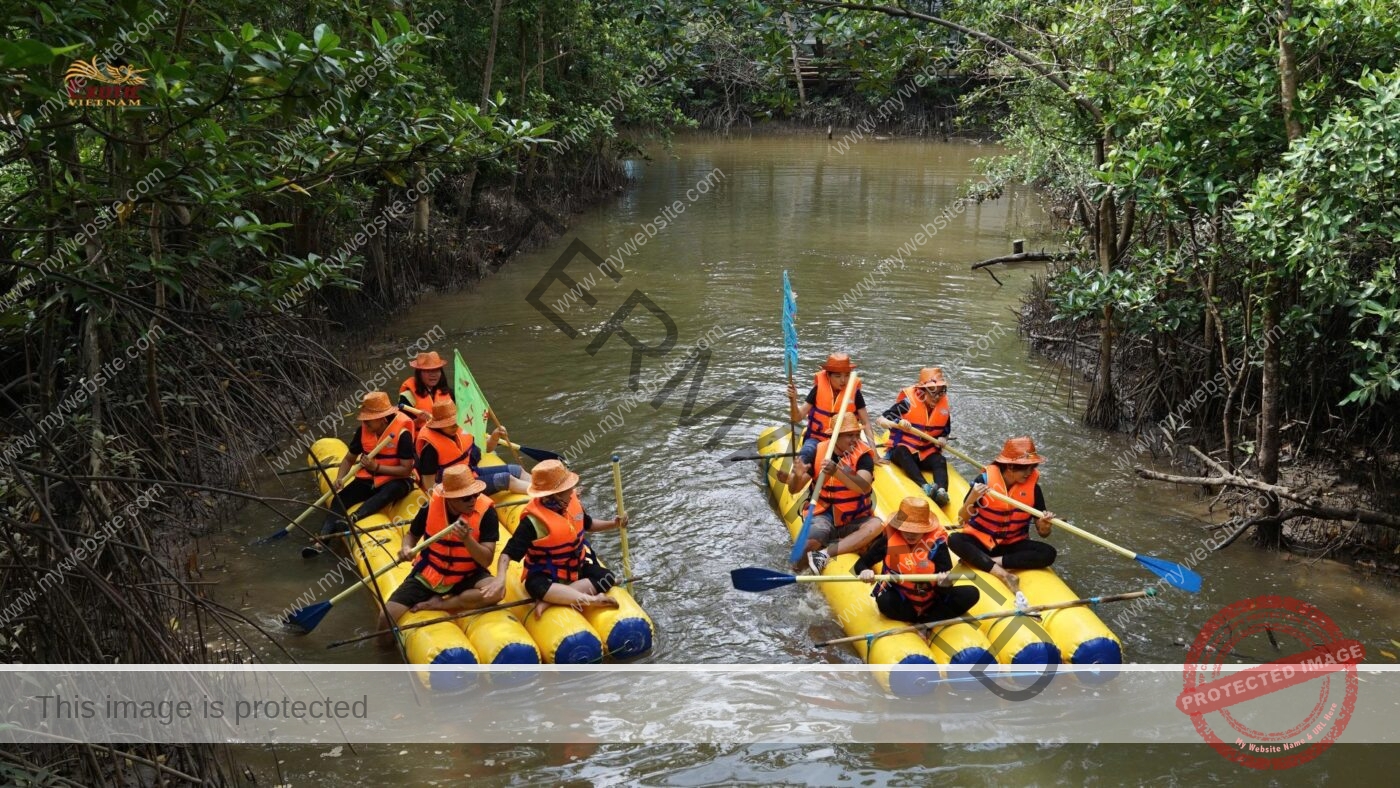
Another common limitation is designing activities that emphasize individual physical or intellectual challenges rather than developing the team’s ability to collaborate.
Challenges lacking role distribution and team interdependence often result in only a few standout individuals taking the lead, while the majority become passive or disengaged. This significantly reduces the core value of Team Building, which is to create opportunities for everyone to participate, contribute, and work toward shared success.
An effective program should create a structure in which every member has a meaningful role within the team journey. When individuals feel heard and valued for their contributions, genuine team cohesion can truly be developed.

Chasing Spectacle and the “WOW” Effect
Many businesses today evaluate Team Building programs based on the scale of the stage setup, visual effects, or how “explosive” the event feels. This is often reflected through:
- Focusing on large stages, powerful sound systems, smoke effects, and large-scale performances
- Prioritizing oversized inflatable game tools with eye-catching colors but little depth in experience
- Emphasizing impressive appearances by company leaders rather than meaningful interaction among team members
- Pursuing media visuals, drone footage, highlight videos, or “viral” moments more than genuine internal connection
- Designing programs with rigid scripts, leaving little space for teams to discuss, think critically, and solve problems on their own
While these visual elements may create strong excitement during the event, they do not necessarily generate long-term developmental value for the team. A truly effective Team Building program is not defined by external grandeur, but by the positive changes in how team members communicate, collaborate, and support one another after the program ends.

Overlooking the Debrief Session After Activities
One of the biggest shortcomings of many Team Building programs is neglecting the debrief or reflection session after activities.
While challenges themselves are only the “experience phase”, the debrief is the stage where teams reflect on what happened, analyze the causes of success or failure, and connect those lessons to real workplace situations. This is when participants become aware of issues related to communication, collaboration, leadership, and strategic thinking.
Without this step, Team Building can easily become just another short-term entertainment activity, where positive emotions quickly fade without leaving meaningful developmental value for the organization.
In contrast, a well-structured debrief helps transform experiences into awareness, awareness into behavioral change, and ultimately improves the overall effectiveness of the team.
Exotic Vietnam – A Professional Team Building Organizer Focused on Team Development
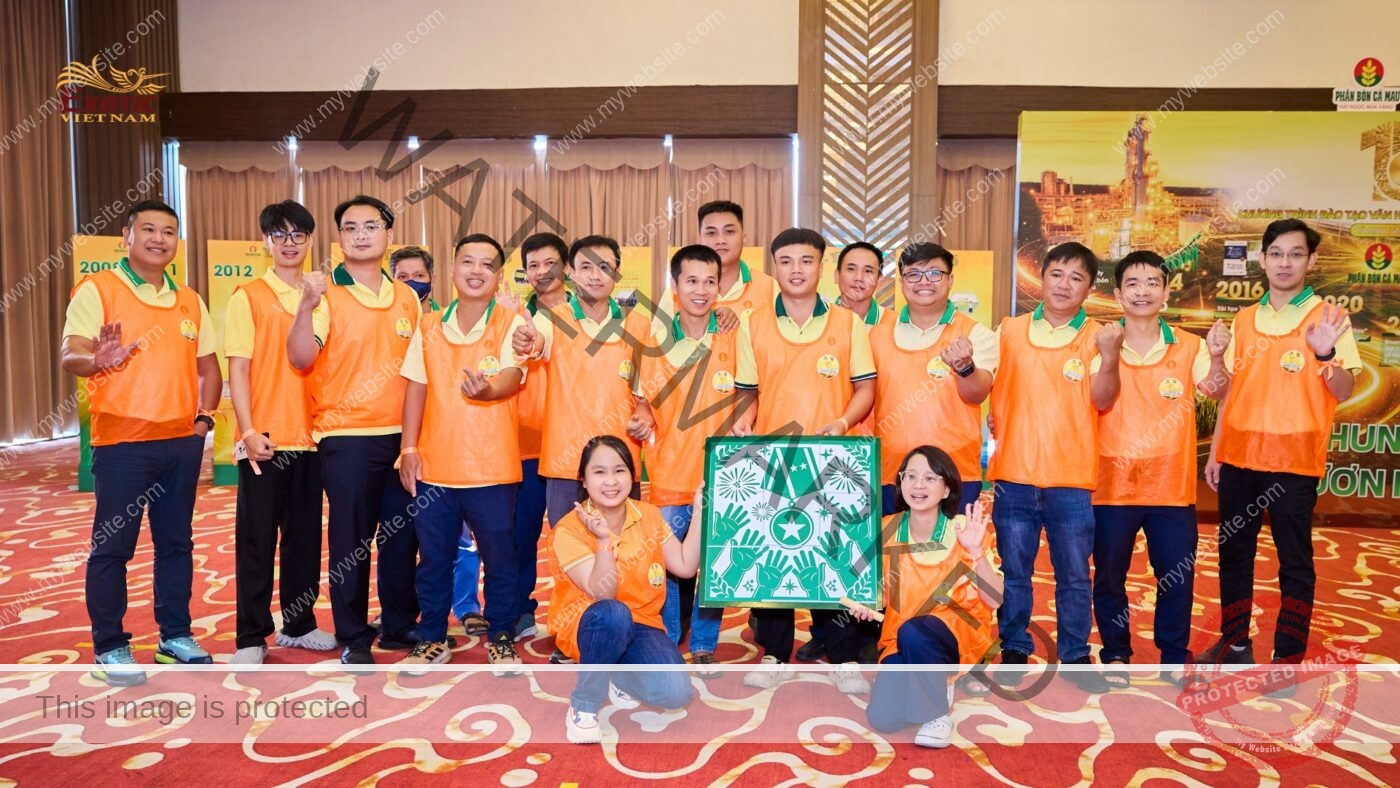
With experience working alongside many businesses, Exotic Vietnam views Team Building not simply as entertainment, but as an experiential environment that helps teams strengthen communication, collaboration, and problem-solving skills.
Its programs are designed to emphasize team interaction, strategic thinking, and the active participation of all members. Beyond the activities themselves, Exotic Vietnam also places strong importance on the debrief session, helping teams reflect on their collaboration process and connect lessons learned to real workplace situations.
Rather than pursuing extravagance or superficial “WOW” effects, Exotic Vietnam focuses on creating Team Building programs that deliver meaningful human development and support sustainable corporate culture.
