


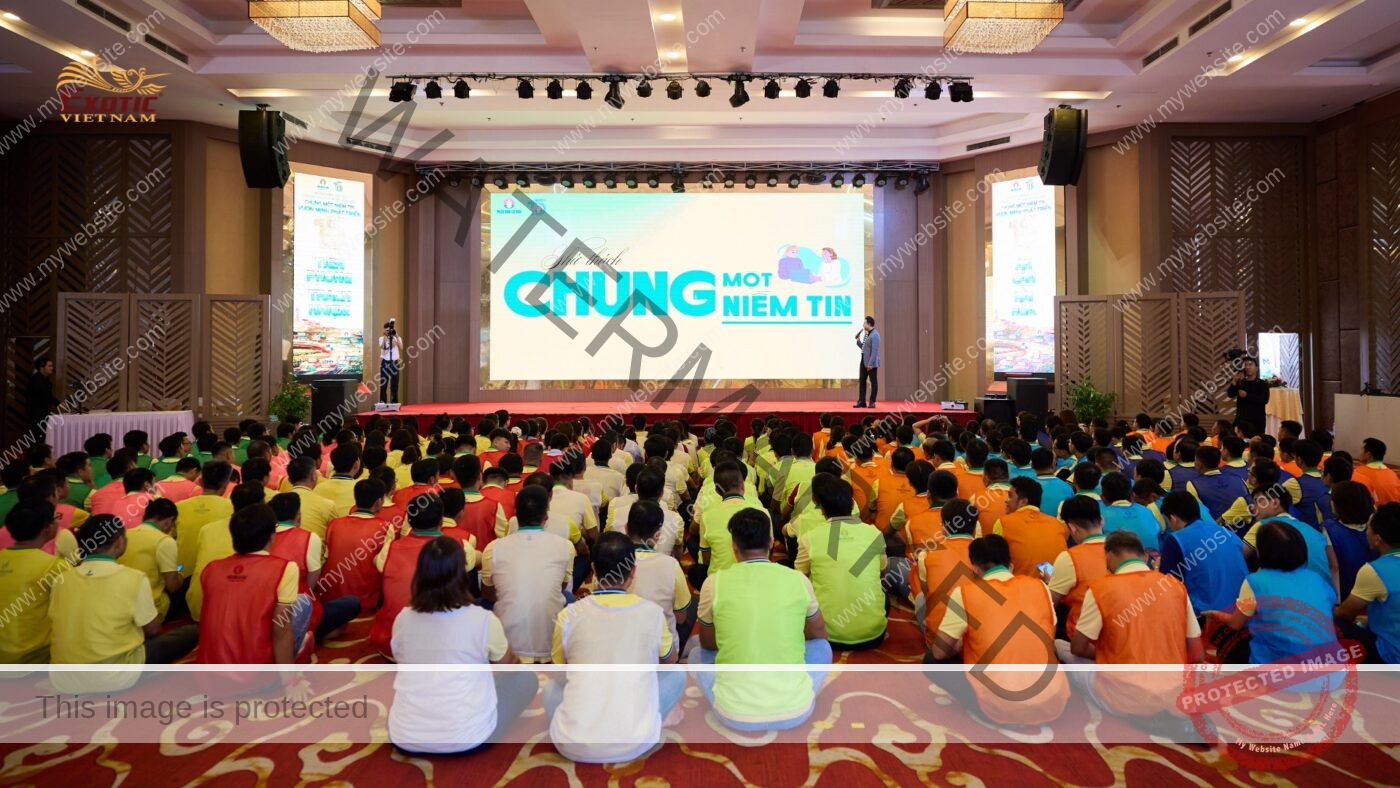
When businesses aim to use Team Building as an effective tool for team development, it is important to recognize that it is not merely a short-term recreational activity, but rather part of a broader strategy for developing corporate culture and people. Through extensive experience organizing Team Building programs for both local and international companies, Exotic Vietnam has found that the true value of Team Building does not lie in extravagance or short-lived excitement, but in its ability to create positive changes in teamwork, internal connection, and workplace performance after the program. Below are some of the key aspects businesses should carefully consider:
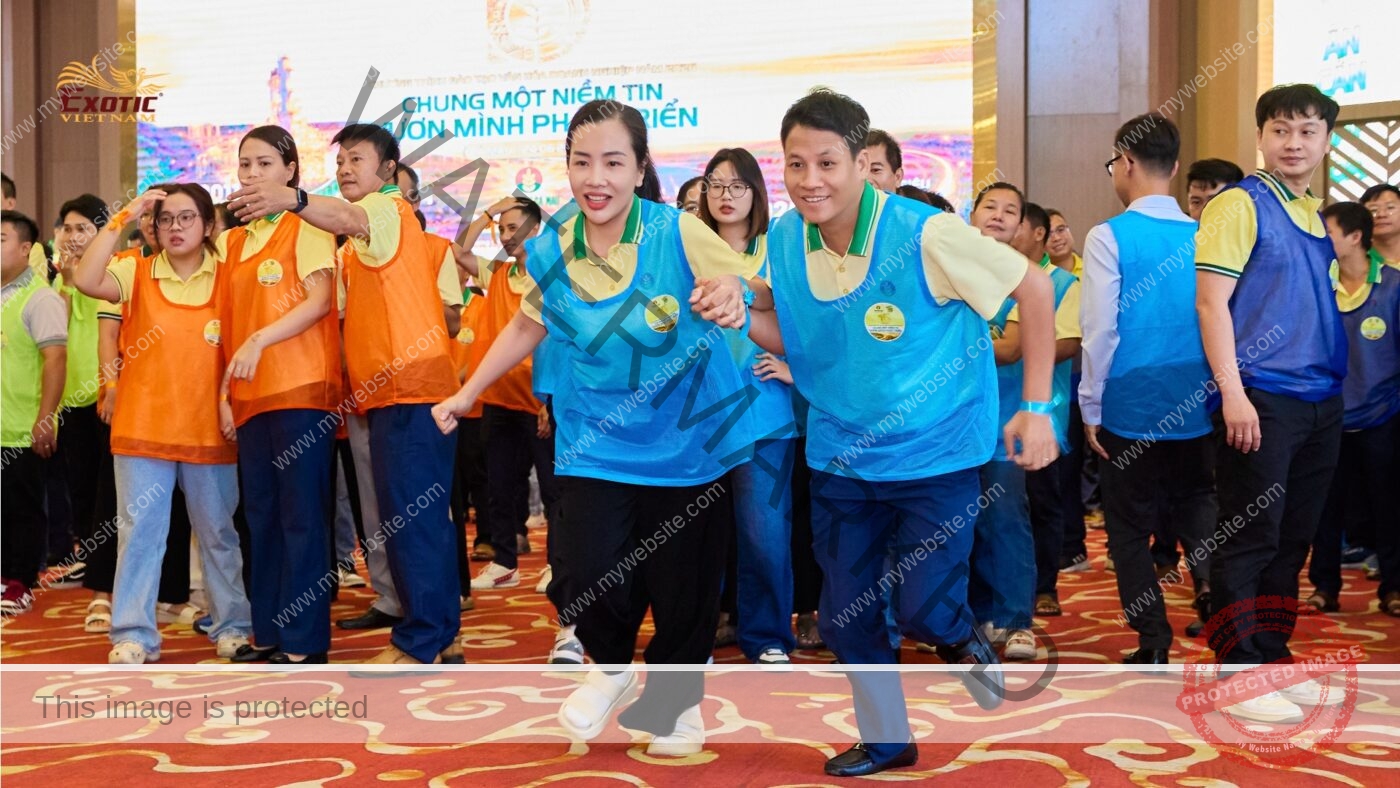
Defining the Right Objectives for Corporate Team Building
Many companies organize Team Building programs simply because it is a trend or a way to “refresh” employees, without clearly identifying the intended objectives. An effective program should answer questions such as:
- What does the company want to improve?
- Strengthen internal connections?
- Enhance cross-department collaboration?
- Develop leadership skills?
- Reinforce corporate culture?
- Rebuild motivation after periods of pressure or restructuring?
- Or communicate strategic messages for a new stage of development?
In practice, Team Building is increasingly being used by businesses to support important organizational goals such as:
- Annual or project kick-off events
- Launching new development strategies
- Team restructuring or post-merger integration
- Celebrating corporate milestones
- Motivating sales teams
- Onboarding new employees
- Re-energizing teams after demanding periods
- Encouraging innovation and creative thinking
- Connecting multi-generational workforces
- Promoting sustainable development orientations
Through creative concepts, simulated challenges, and collective experiential journeys, Team Building enables businesses to communicate messages in a more natural and emotionally engaging way compared to conventional internal communication methods. When employees are able to directly “experience” the company spirit rather than simply “hear” or “read” about it, their level of understanding, empathy, and alignment with shared goals becomes significantly deeper.
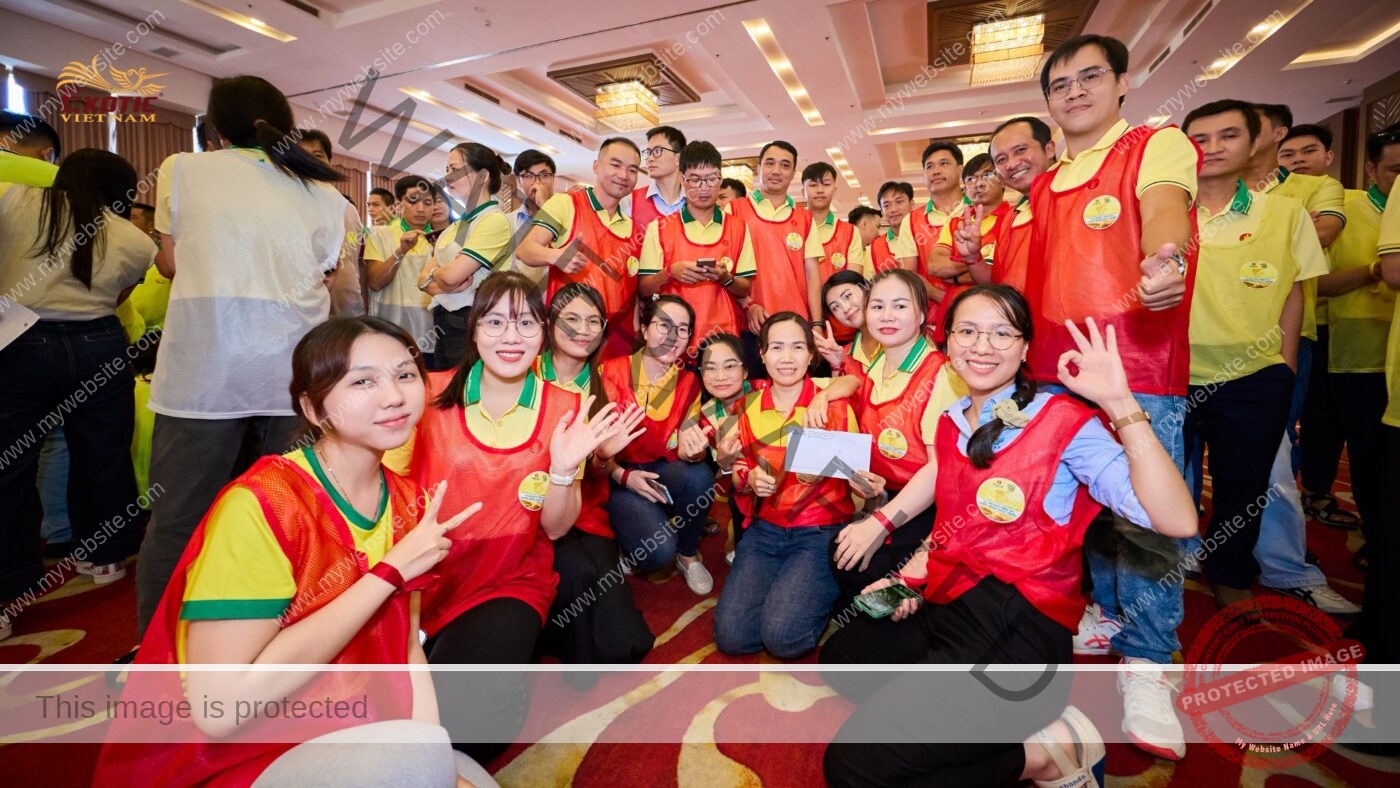
Avoiding Common Mistakes in Team Building
Many companies still view Team Building as a short-term entertainment or leisure activity, causing programs to focus more on surface-level emotions than on real team development value. In reality, effective Team Building should function as a simulated environment where teams learn how to communicate, collaborate, solve problems, and improve workplace performance after the program. Therefore, to create long-term value, businesses should avoid the following common mistakes:
- Team Building should not be treated as a purely recreational activity driven by the mindset of “having fun is enough.” A lively atmosphere and positive emotions are important, but without clear objectives, meaningful experiences, and alignment with corporate culture, the bonding effect is often short-lived and unlikely to create real improvements in teamwork and collaboration.
- Focusing more on leisure and relaxation than on purposeful team experiences, or even evaluating the success of Team Building based mainly on resort standards and comfort. The real value of Team Building lies in improving team spirit, collaboration, and mutual understanding after the program. An effective Team Building experience should contribute to better work performance, stronger collaboration, and renewed motivation for the next stage of development.
- The mindset that “Team Building must end in victory” is still quite common. In reality, failures, conflicts, and mistakes during challenges often help teams recognize weaknesses in communication, task allocation, leadership, and strategic thinking. These lessons are frequently more valuable than winning itself, as they allow organizations to identify and address problems before they lead to greater losses or workplace difficulties.
- Many programs focus more on individual physical or intellectual challenges rather than developing strategic thinking, collaboration, and collective problem-solving. Challenges that lack role distribution and team interdependence often fail to encourage broad participation, resulting in only a few standout individuals taking the lead while others become passive. This reduces one of the core values of Team Building: creating opportunities for everyone to contribute and succeed together as a team.
- Many businesses still evaluate Team Building success based on how grand or “WOW” the program feels rather than the actual value it creates for team development. This is often reflected through:
- Overemphasis on large stages, massive crowds, sound effects, smoke effects, and performances
- Prioritizing oversized inflatable game tools and colorful visuals with limited experiential depth
- Highlighting impressive appearances by leadership rather than meaningful interaction among participants
- Focusing on media images, flycam videos, highlight clips, or “viral” moments more than genuine internal connection
- Designing programs with rigid scripts that leave little space or time for teams to think, discuss, and solve problems together
- Another common limitation is neglecting the reflection and debriefing stage after activities. In fact, this is often the most important phase, where teams review their experiences, recognize issues in communication, collaboration, and strategic thinking, and connect those lessons to real workplace situations. It is this process of “extracting lessons learned” that creates long-term team development value. Without it, Team Building can easily become just another short-lived entertainment event rather than a meaningful tool for developing corporate culture and people.
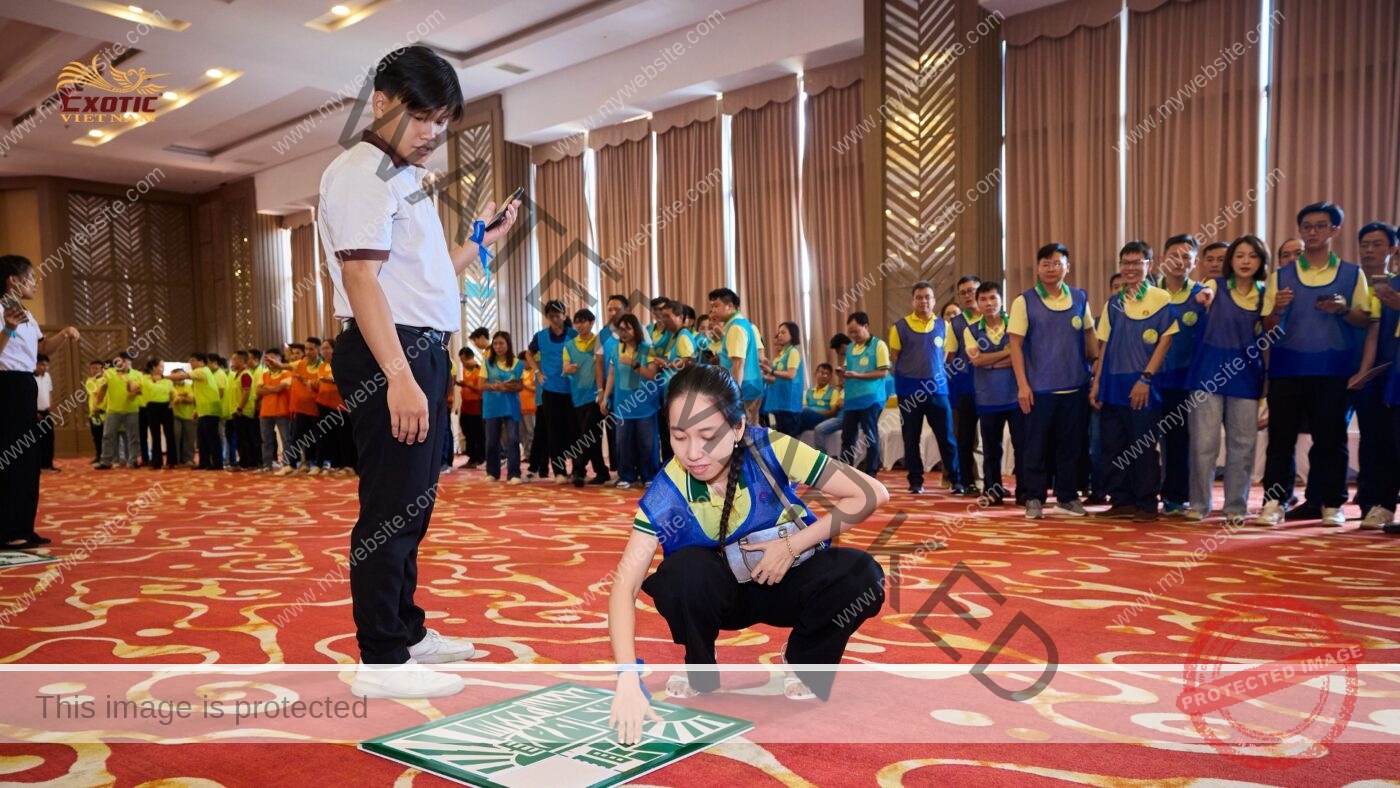
What Makes an Effective Corporate Team Building Program?
An effective Team Building program is not necessarily the grandest, the most game-filled, or the most visually impressive. Instead, it is a program designed to fit the participants, the company’s objectives, and the development stage of the team.
In reality, there is no “one-size-fits-all” formula for every organization. A young and energetic workforce requires a very different experience compared to a team of senior managers. Likewise, a fast-growing company will have different needs from an organization undergoing restructuring or strengthening its internal culture. That is why effective Team Building should be carefully tailored rather than built on generic models.
Before designing a program, it is important to understand:
- Team size
- Age groups and generational differences
- Nature of work
- Corporate culture
- The role and level of leadership participation
- Physical condition and psychological readiness of participants
- The current level of team cohesion
- The team’s development stage based on the Tuckman model
For example:
- A newly formed team may require activities that help members get acquainted, build trust, and feel comfortable interacting with one another.
- A team struggling with collaboration may benefit more from challenges focused on communication, role allocation, and strategic thinking.
- A company emerging from a stressful period may need activities that help restore energy and rebuild positive motivation.
- An annual Kick-off program may focus on creating momentum and aligning employees around new goals.
An effective program should also create opportunities for broad participation and contribution rather than allowing only a few standout individuals to dominate activities. Challenges involving role distribution, collaboration, and collective problem-solving often generate deeper connection and stronger team value than activities centered on performance or individual competition.
In addition, effective Team Building should not only create positive emotions during the event itself but also generate meaningful impact afterward, such as:
- Improving collaboration among team members
- Enhancing internal communication
- Increasing understanding between departments
- Building trust within the organization
- Strengthening team spirit and workplace performance
Most importantly, participants should feel that they are genuinely part of a shared team journey rather than being “forced to have fun” in a corporate activity. When a program truly aligns with the people, objectives, and culture of the organization, Team Building becomes a meaningful tool for team development and long-term organizational growth.
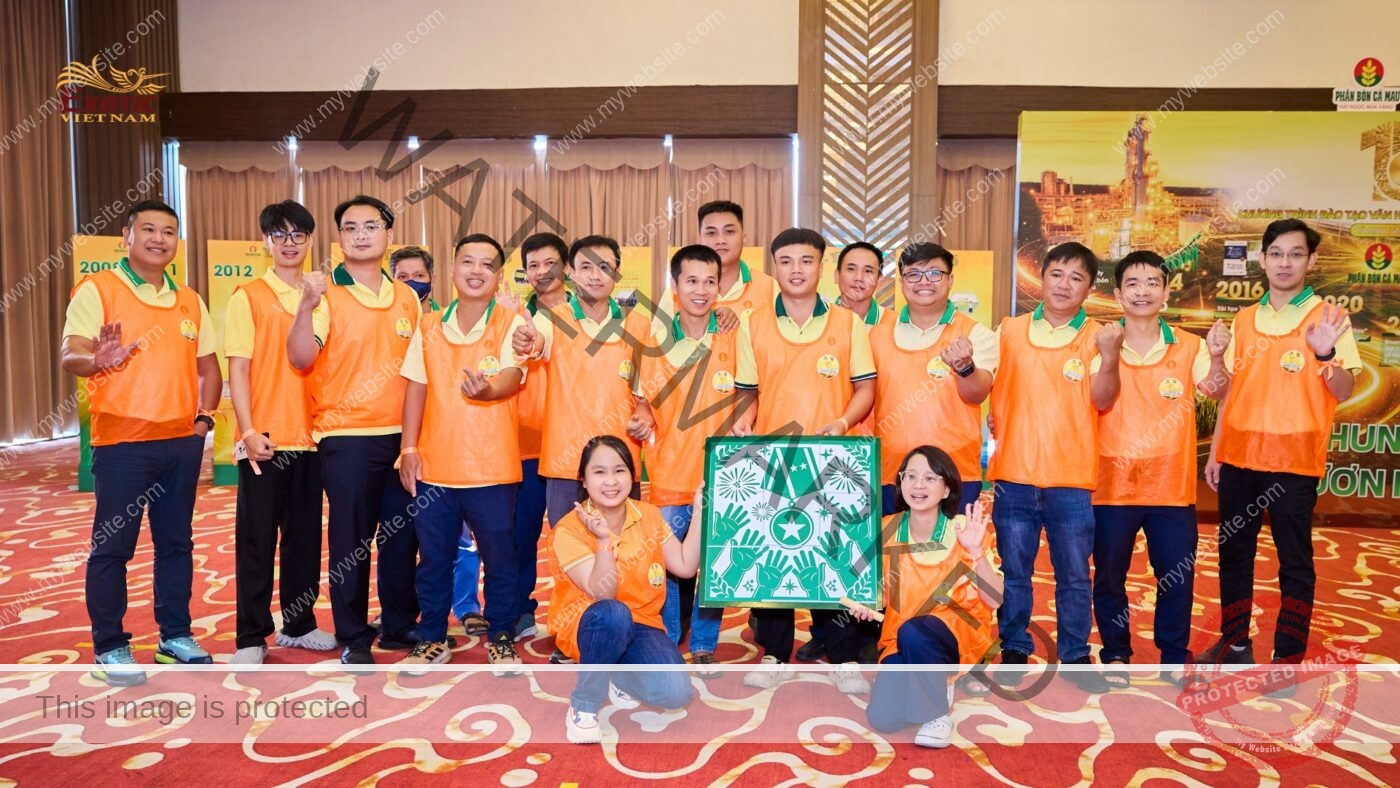
Exotic Vietnam – An Effective Team Building Partner for Businesses
With experience accompanying both local and international companies, Exotic Vietnam views Team Building not simply as a recreational group activity, but as a strategic tool that helps businesses strengthen corporate culture, enhance team connection, and improve collaboration performance.
Every program developed by Exotic Vietnam is carefully designed based on the company’s objectives, team characteristics, and organizational development stage. Rather than applying generic models, the Exotic Vietnam team focuses on creating meaningful experiential journeys where participants directly interact, collaborate, solve problems, and overcome challenges together.
What differentiates Exotic Vietnam is not superficial extravagance or dramatic visual effects, but the ability to create experiences that help teams:
- Build deeper understanding and trust among members
- Improve communication and collaboration
- Develop strategic thinking and teamwork spirit
- Align employees for new stages of development
- Naturally communicate company culture and corporate messages
Programs are also flexibly designed for different objectives, including:
- Team Building combined with Kick-off events
- Team Building focused on corporate culture development
- Amazing Race and strategic challenge concepts
- Multi-generational workforce engagement activities
- Eco-friendly Team Building connected with local communities and the environment
- Corporate Retreats designed for team rejuvenation and reconnection
Beyond creativity, Exotic Vietnam places strong emphasis on safety, meaningful participation, and suitability for each specific group. This ensures that programs not only generate positive emotions during the event itself, but also create lasting impact on workplace morale and collaboration afterward.
With the vision of developing Team Building as a tool for people and culture development, Exotic Vietnam aims to deliver experiences that create genuine value rather than merely short-lived excitement.
