


Introduction – From Games to Meaningful Experiences
Team Building is not simply a series of games added to a corporate event. A beautiful destination, professional equipment and an engaging script are not enough if the game mechanics fail to encourage participation, connection and collaboration. A well-designed Team Building game creates situations in which participants communicate, solve problems, make decisions and work together toward a shared goal.
Unlike conventional recreational activities, corporate Team Building games should be designed around the purpose of the program, the participants and the destination. A well-designed mechanism can turn simple materials into strategic challenges, transform a natural environment into a playground, and turn a game experience into lessons that participants can relate to their workplace.
At Exotic Vietnam – a trusted DMC in Vietnam, game design is an experience-design process that connects game mechanics with the destination, local culture, materials and the company’s message. Our programs can be customized for Company Trips, Incentive Trips, Awards Programs, Corporate Retreats and MICE events across Vietnam.
Here are 15 key principles that Exotic Vietnam considers when designing corporate Team Building games – helping companies create experiences that are engaging, safe and professionally operated while strengthening teamwork, communication and collaboration.
Align with the Purpose of the Program
Before designing a game, it is important to understand what the company wants to achieve through the experience. If the focus is connection, the game should encourage interaction between participants. If communication is important, information or tasks can be distributed so that participants must exchange information. If problem-solving is required, the challenge should encourage teams to analyze, discuss and develop solutions. The game should therefore be designed from the desired outcome and message, rather than selecting an existing game and trying to attach a message afterward.
Build a Storyline and Create Emotion
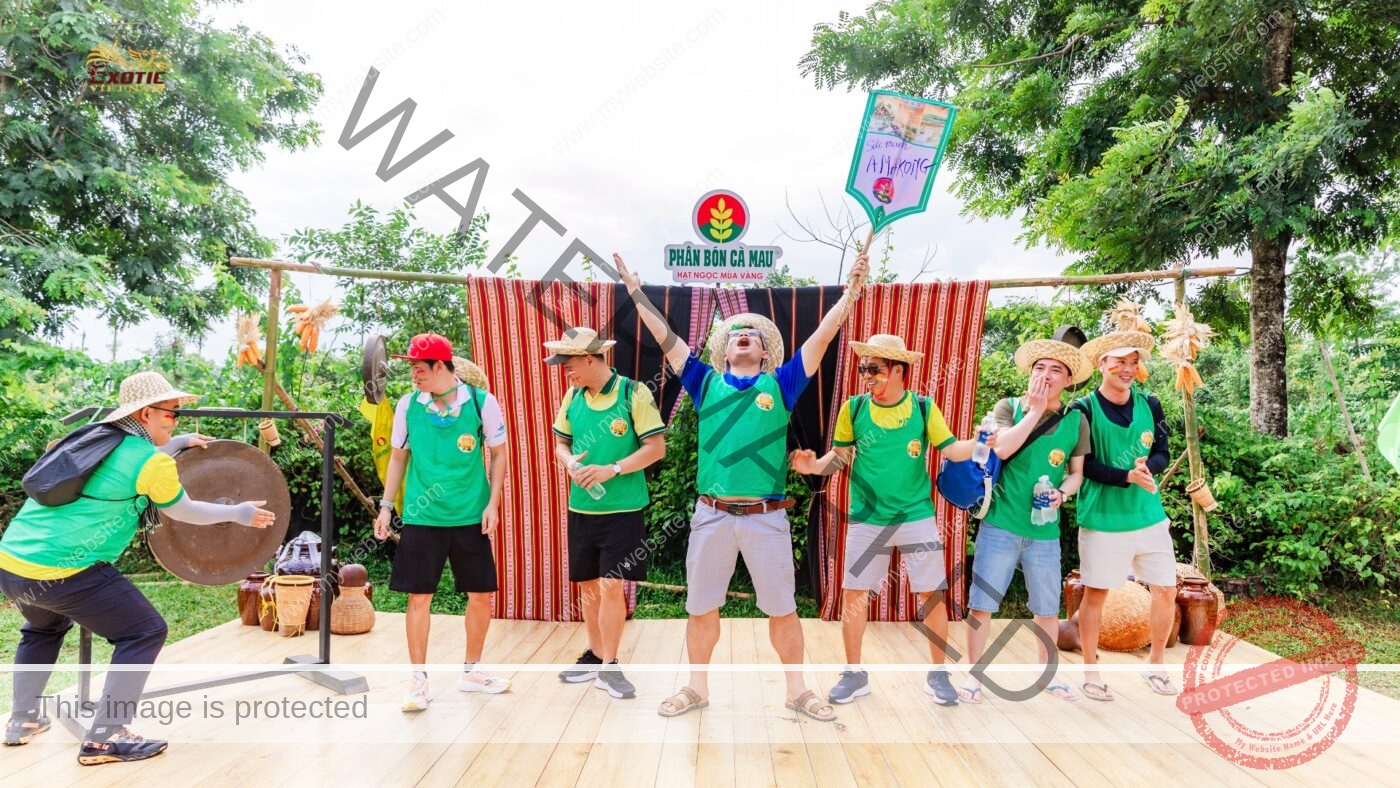
A Team Building program becomes more engaging when it is built around a clear storyline, giving participants the feeling of being part of a journey with a beginning, development, climax and conclusion. The storyline can be inspired by meaningful stories, characters or symbols such as the Fire Eagle, Superheroes or the resilience of bamboo. The program name, visual identity, props, missions and challenges can then be connected into one coherent experience.
For many companies, emotional impact is becoming an increasingly important part of Team Building. A strong storyline helps participants connect the experience with the values of their team and organization. At the end, what remains memorable is not only what they played, but what they experienced and felt together.
Give Every Participant a Meaningful Role
An effective Team Building game should give everyone an opportunity to participate and contribute to the team’s result. The mechanics should not depend only on participants who are physically strong, fast or highly skilled. Different roles, information, tools or responsibilities can be assigned to different members. When the team’s success depends on everyone’s contribution, Team Building becomes a genuine teamwork experience rather than simply a group activity.
Create Interdependence and Collaboration
One of the most important elements of Team Building design is interdependence. Participants should not simply perform the same task together. Instead, the game should create situations in which one person cannot complete the challenge without information, resources or support from others. This naturally encourages communication, coordination and collaboration. Participants experience the value of teamwork through action rather than simply hearing about it.
Keep the Rules Simple but the Mechanics Meaningful
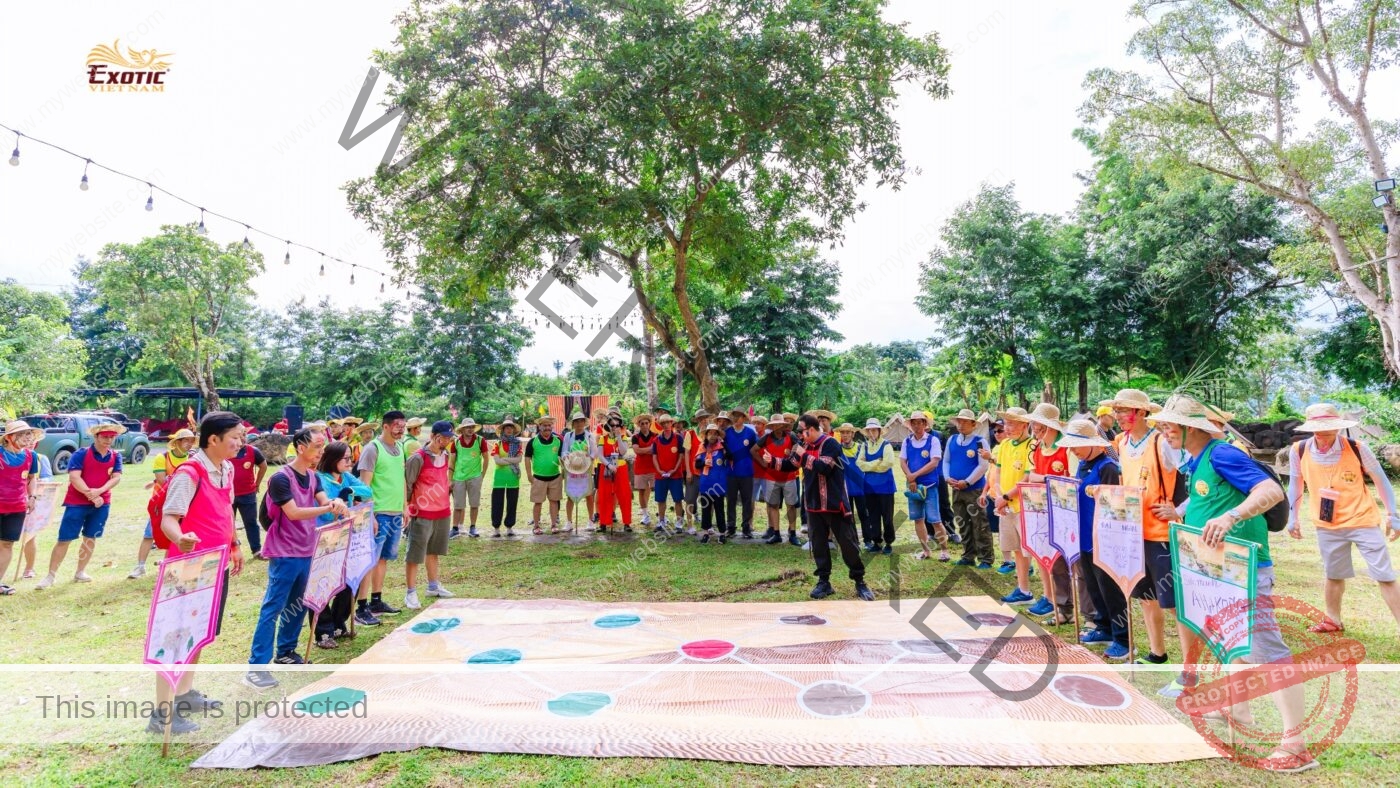
The rules should be simple enough for participants to understand quickly, especially in international corporate events where language and cultural differences may exist. However, simple rules can support deeper challenges involving strategy, role allocation, communication, resource management, coordination and decision-making. A good game is often easy to understand but not necessarily easy to complete.
Reasonable Timing and Appropriate Pace
Timing is an essential part of game design. A game that is too short may not give participants enough time to understand the task, discuss and develop a strategy, while a game that is too long can cause fatigue and reduce engagement.
For station-based games, each station should have a relatively consistent duration, giving teams enough time to understand → discuss → strategize → assign roles → execute → adjust → complete the challenge.
Designers should also allow time for briefing, movement, station transitions and unexpected situations. The time limit should create enough pressure for decision-making and teamwork without making participants focus only on racing against the clock.
Create Challenge, Climax and Surprise
A Team Building game needs an appropriate level of challenge. Time limits, limited resources, restricted information, environmental conditions or unexpected changes can create positive pressure and encourage teams to adapt. Surprise elements can add excitement and create a climax, but they should support the game mechanics and storyline rather than simply create noise or temporary visual effects.
Make It Flexible and Customizable
Every corporate group is different in terms of group size, age, physical ability, culture, objectives, duration and budget. Game mechanics should therefore be adaptable without losing the essence of the challenge. Content can also be customized around the company’s industry, products, strategy, corporate values or event theme. This transforms a standard activity into a genuinely customized corporate experience.
Connect the Game with the Destination
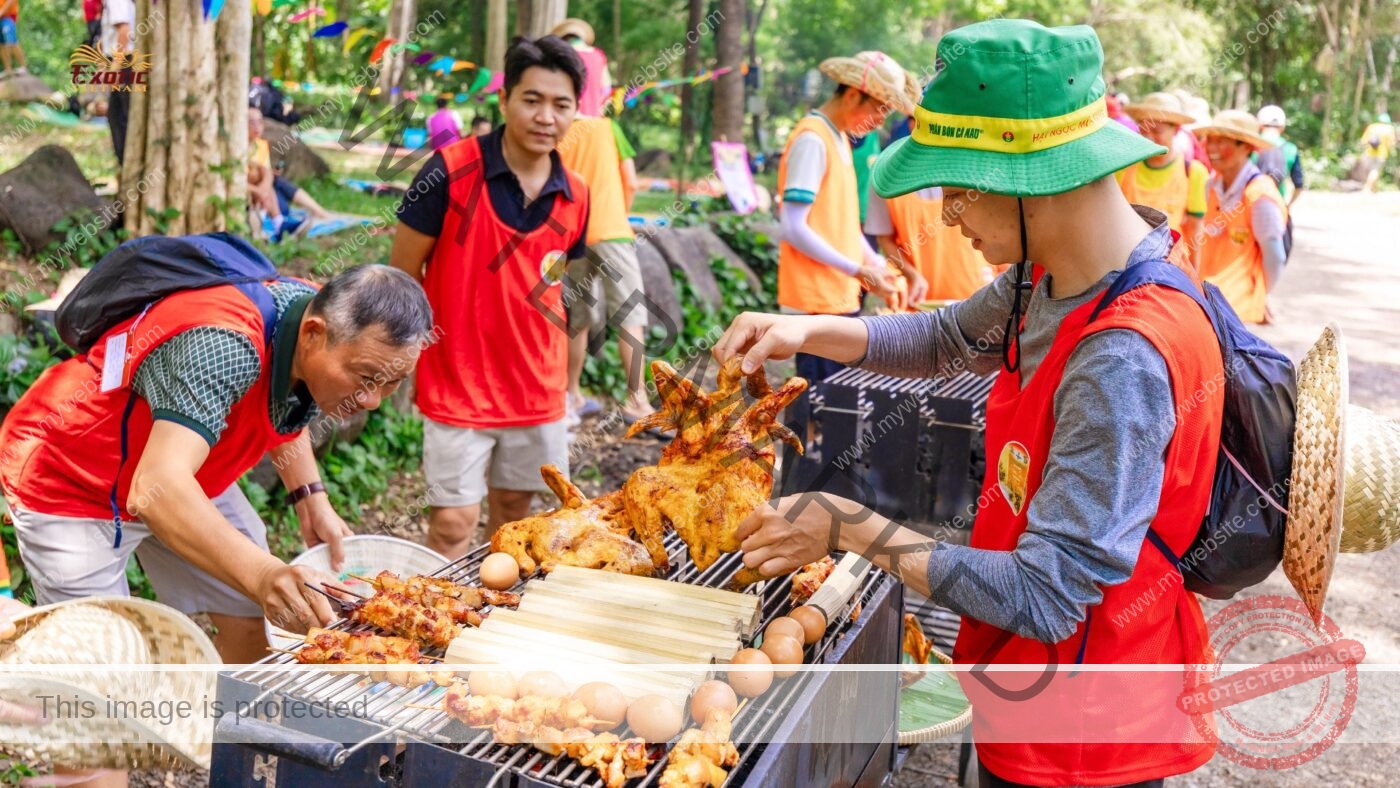
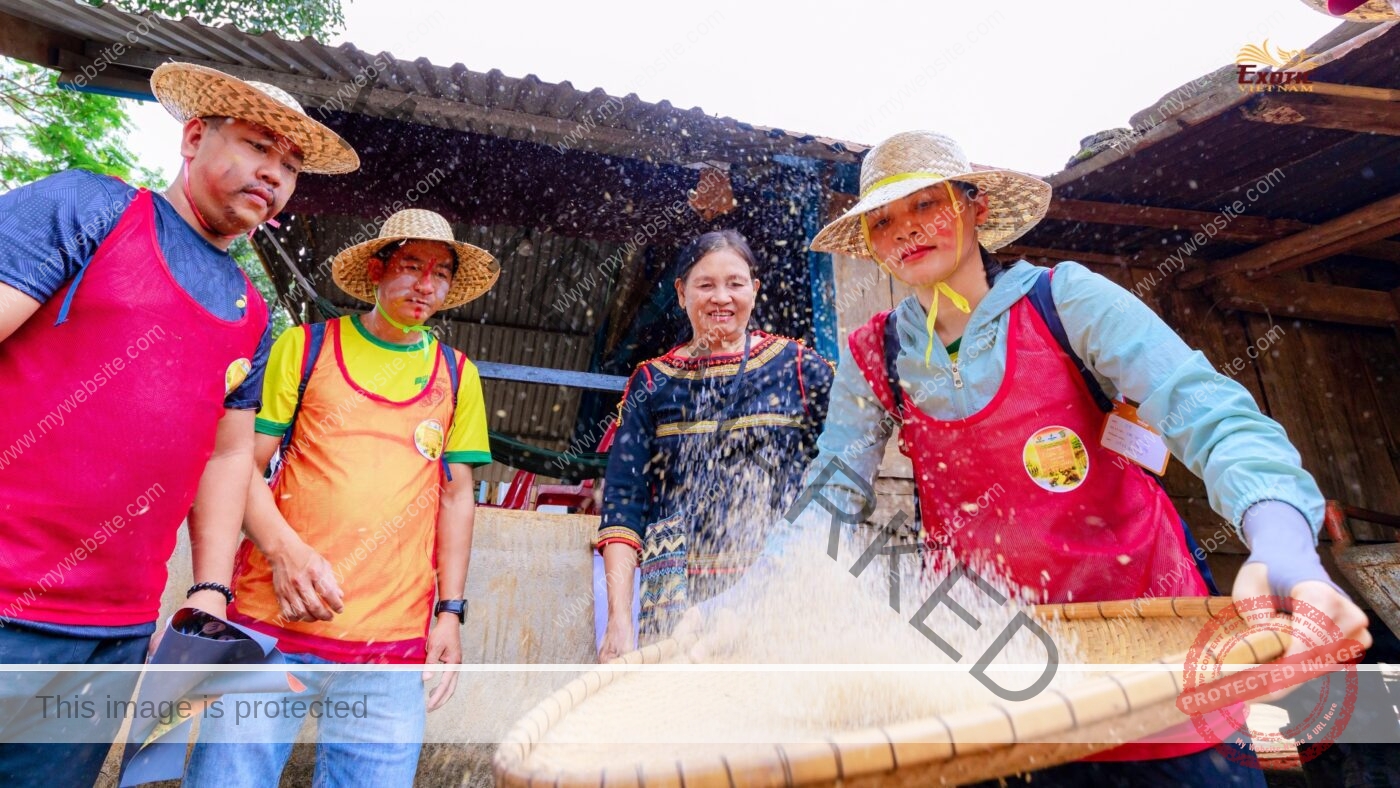
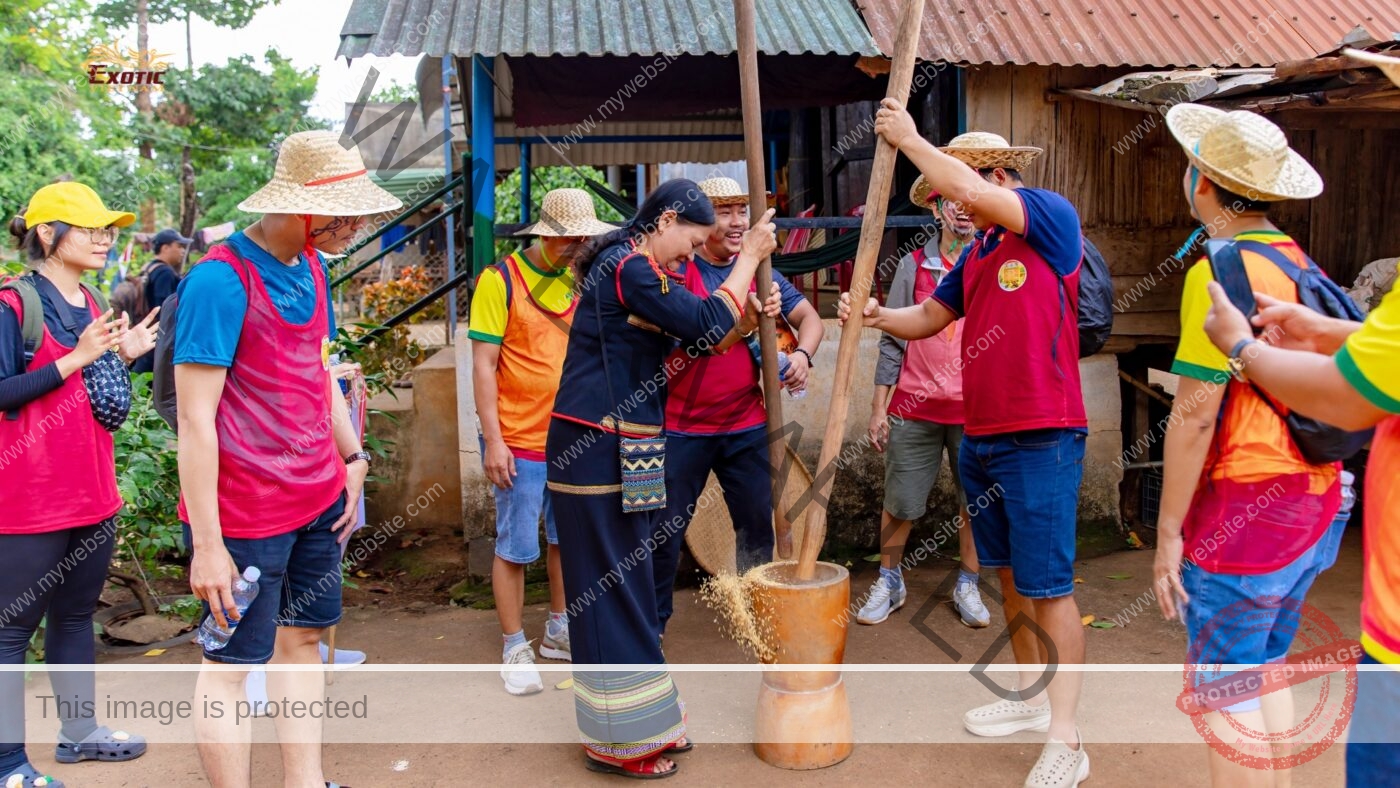
One of the advantages of organizing Team Building in Vietnam is the diversity of destinations and local experiences. Beaches, forests, rice fields, villages, local markets, craft communities, architecture, cuisine, music and cultural stories can all become part of the game. They can be transformed into missions, clues, materials or settings. Participants therefore do not simply play a Team Building game at a destination; they experience the destination through the game.
Consider Sustainability in Materials and Design
Modern Team Building should also consider how materials are used. Large inflatable structures can create strong visual impact and attractive event photography, but excessive use simply as event “backgrounds” raises questions about resource efficiency and the actual value they add to the participant experience.
A corporate Team Building program should not be judged by the size of its props or how spectacular the setup looks. Instead, designers can explore reusable or recyclable materials such as bamboo, wood, paper, cardboard, fabric, ropes and locally available materials. One material can be designed for several challenges, dismantled and reused after the event. Sustainability does not limit creativity. In many cases, it encourages designers to develop simpler, smarter and more meaningful game mechanics.
Create Memorable Wow Moments
Beyond the game mechanics, a program can be designed around unexpected Wow Moments that create strong emotional memories. For example, senior leaders may unexpectedly join a challenge, provide resources, reveal important information or become part of the mission. These moments are more meaningful when integrated into the storyline and game mechanics rather than being used only as a surprise appearance. Such experiences can create a stronger connection between leadership and employees.
Risk in Mind – Safe on Field
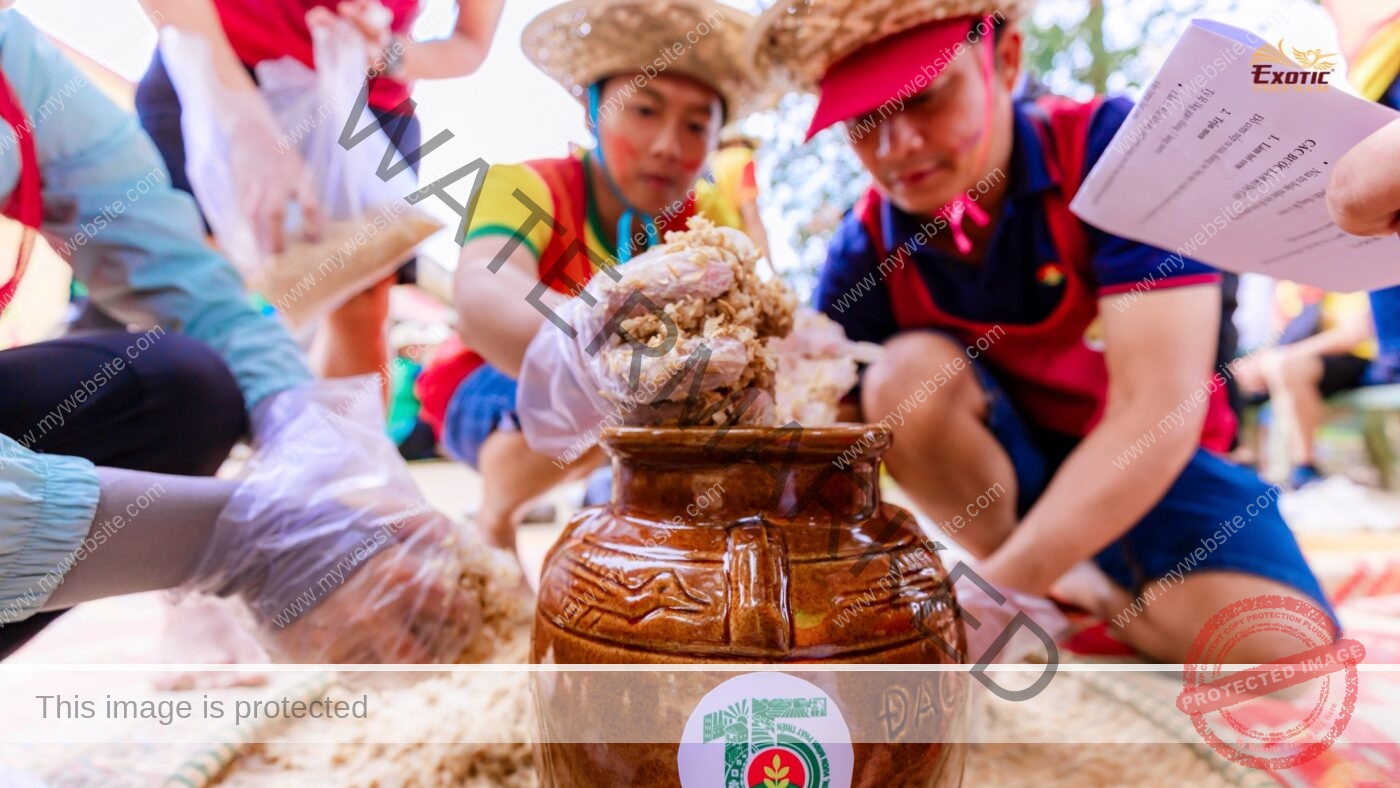
Corporate Team Building can be challenging and exciting without compromising safety. Risk in Mind means identifying and assessing potential risks during the design stage. Safe on Field means implementing practical controls during the event, including site inspection, equipment checks, participant briefings, supervision and contingency planning. The objective is simple: create an experience that feels challenging but safe.
Use Clear Scoring and Measurable Results
Corporate Team Building games should have clear objectives, completion criteria and transparent scoring. Points should not only determine the winning team. They can also reflect how teams allocate resources, divide responsibilities, collaborate, make decisions and achieve results. A well-designed scoring system can introduce strategic choices, requiring teams to balance speed, accuracy, resources and risk.
Ensure Operational Feasibility
A creative game must also work in the real world. Equipment, space, group size, duration, physical activity, weather conditions and contingency plans should all be considered during the design stage. For international corporate groups, clear briefing and professional facilitation are particularly important. MCs, facilitators and event teams need to be able to explain the rules, manage the flow, supervise participants and score consistently. This becomes even more important for large groups or programs running several activity stations simultaneously.
Create Value Beyond the Game
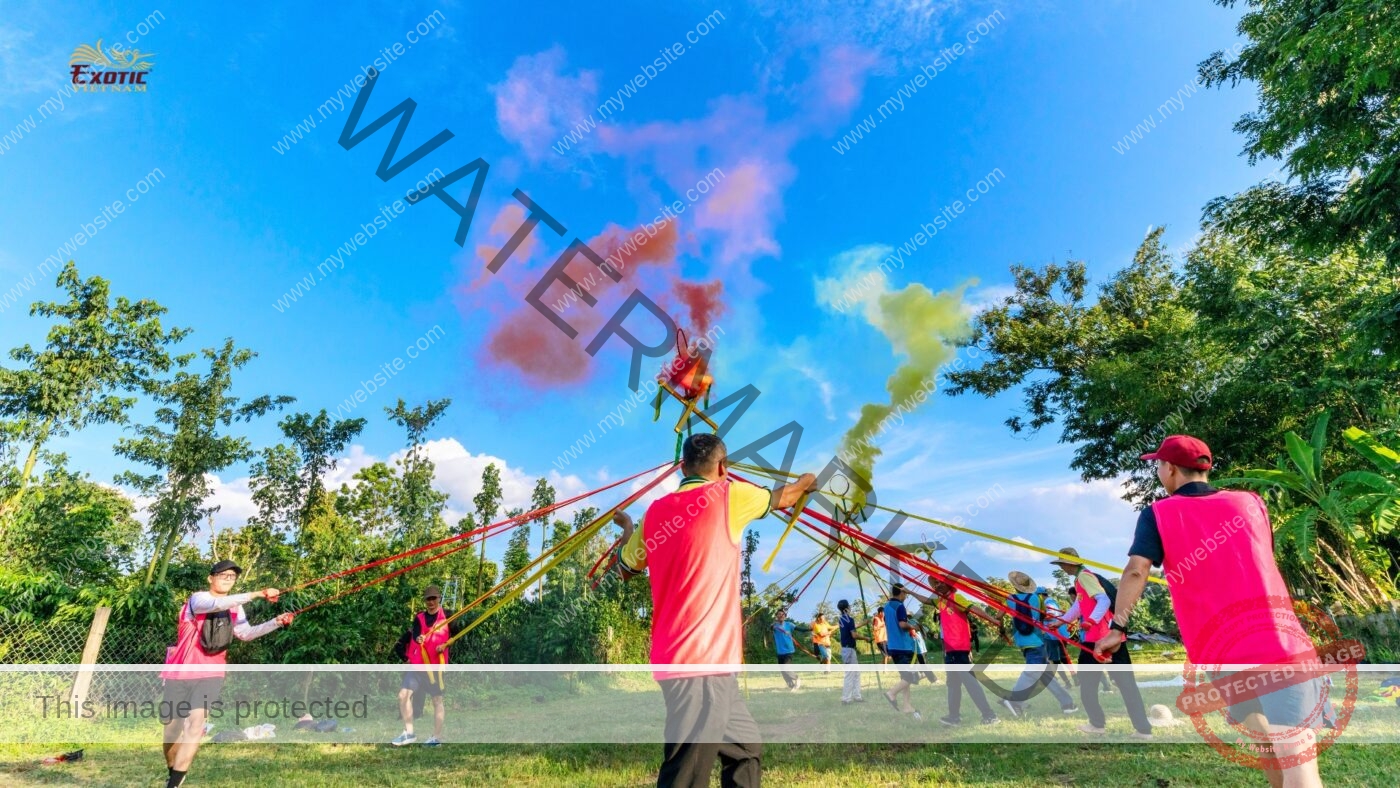
A Team Building experience should not end when the challenge is completed. The next step is helping participants reflect on what happened. Through a short debrief, facilitators can explore how the team succeeded, what created difficulties, how responsibilities were allocated and which decisions made a difference. These observations can then be connected to teamwork, leadership, communication, corporate culture or the wider purpose of the event. This is what transforms Team Building from entertainment into a meaningful corporate learning and connection experience.
Conclusion – From Ideas to Real Experiences
An effective Team Building program does not begin with choosing a game. It begins by listening to the company, understanding its expectations for team development and identifying the challenges that need to be addressed. From there, the games and overall experience can be designed around the company’s culture, people, destination and message.
Exotic Vietnam is a trusted local partner for corporate Team Building in Vietnam, supporting international companies and MICE partners from understanding their needs and developing concepts to designing games, selecting destinations and professionally operating the program on site.
With experience across Vietnam, Exotic Vietnam combines Team Building with local culture, nature and authentic destination experiences to create creative, well-managed and meaningful corporate programs for Company Trips, Incentive Trips, Awards Programs, Corporate Retreats and MICE events.
