


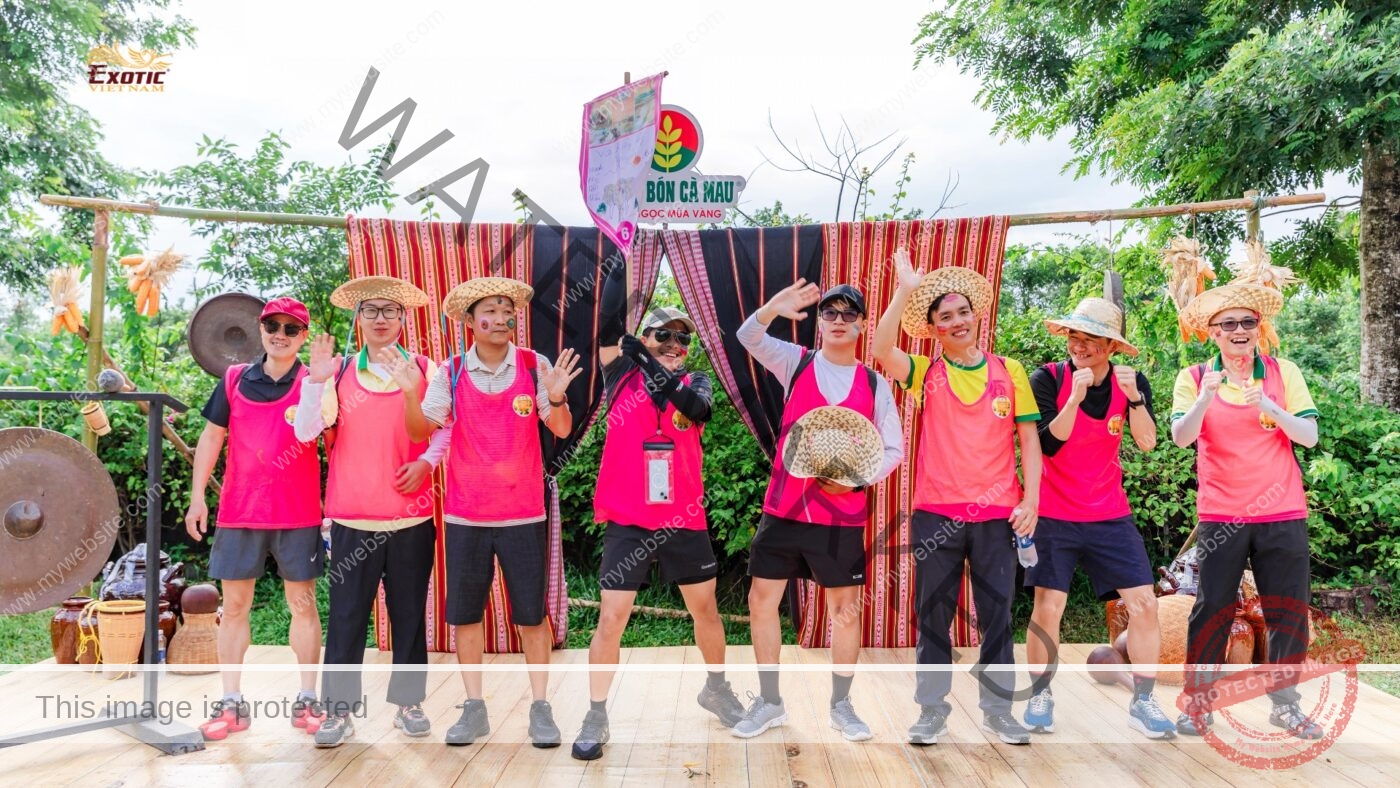
Corporate Team Building in Vietnam is more than choosing a resort and arranging group games. For international companies, a successful program should reflect the company’s objectives, corporate culture, team profile, budget and employee experience. From destination selection and transportation to concept development, activities, logistics, safety and on-site operation, every element needs to work together. The program may aim to strengthen teamwork, improve communication, reinforce corporate values, encourage innovation or reconnect employees after organizational changes.
This is why many international companies and foreign business owners in Vietnam choose a professional corporate Team Building organizer. An experienced local partner can manage the program from A-Z, from destination and concept development to activity design, logistics and on-site operation, allowing management and HR teams to focus on their employees. A successful Team Building program should go beyond creating fun – it should bring people together, strengthen collaboration and deliver meaningful value to the organization.
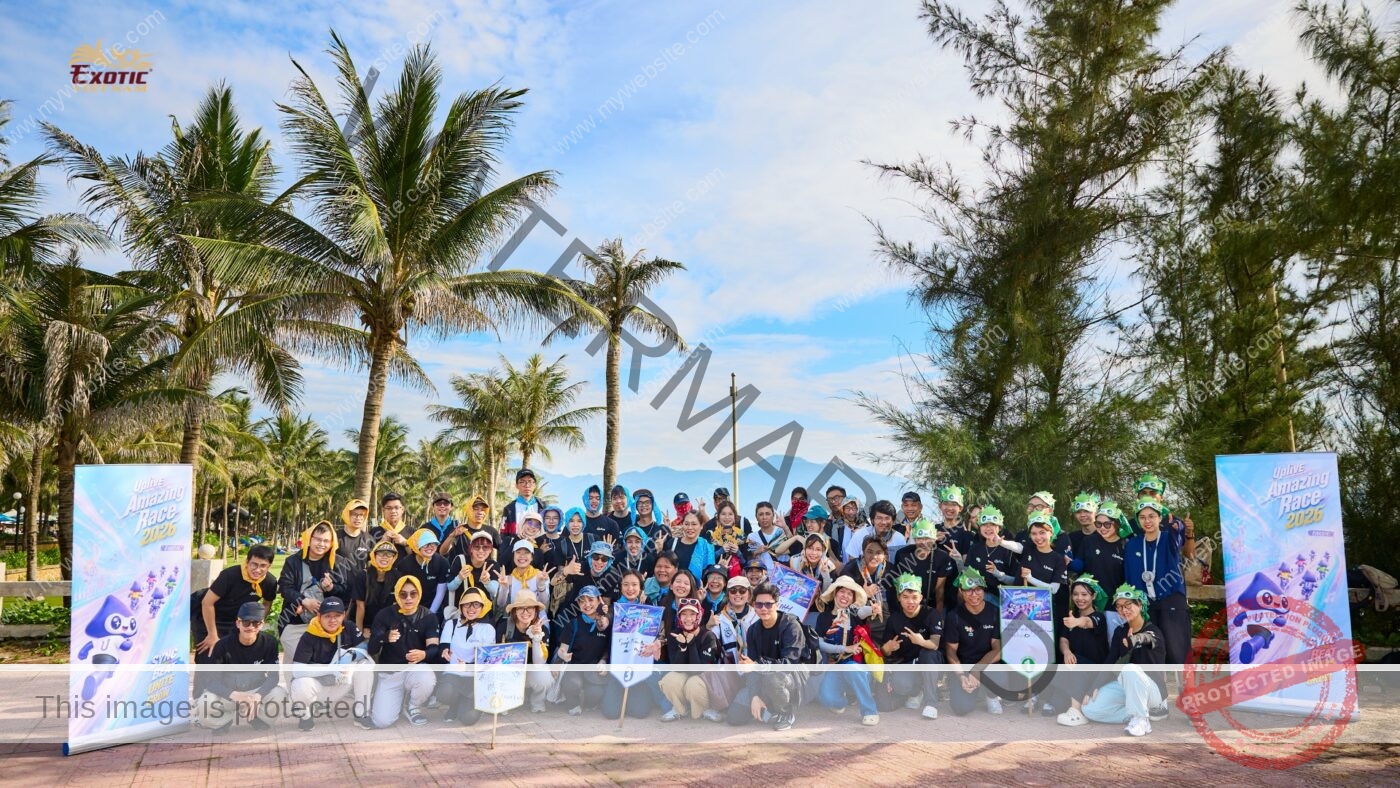
What Challenges Do Companies Face When Organizing Team Building in Vietnam?
Organizing a corporate Team Building program involves much more than selecting a beautiful location and preparing a few activities. Companies need to consider the destination, participants, objectives, budget, logistics, safety and overall event operation at the same time.
For international companies in Vietnam, the challenge can be even greater. Local knowledge, venue availability, transportation, supplier coordination and cultural considerations all play an important role in delivering a smooth experience.
-
Choosing the Right Destination and Venue
Not every attractive destination or resort is suitable for corporate Team Building. The venue should provide adequate space, suitable ground conditions, safety, weather suitability and facilities appropriate to the group size and program format.
For multi-day trips, accommodation, restaurants, meeting facilities, Gala Dinner venues and additional activity spaces may also be required. Group size is equally important: smaller teams may prefer flexible, intimate settings, while large groups need spacious areas, professional sound systems and experienced coordination.
For foreign companies, destination selection should therefore consider accessibility, logistics, infrastructure, event requirements and the overall employee experience, not simply how attractive the location looks.
-
Repetitive and Predictable Programs
For many years, Team Building has often been associated with familiar physical games. These activities can still create energy and interaction, but repeating the same format year after year can make the experience feel predictable.
Modern corporate Team Building does not necessarily require a large number of games. What matters more is the quality of the concept, storyline and experience.
A program can combine physical activities with communication, problem solving, creativity, strategy, cultural experiences or environmental activities. When each challenge contributes to a larger story, participants feel that they are working toward a shared objective rather than simply playing games.
-
Designing Activities for Different Ages and Fitness Levels
Corporate teams are rarely made up of people with the same age, role, personality or physical ability. A program that relies too heavily on physical strength may leave some employees on the sidelines.
A well-designed Team Building program creates different ways for people to contribute. Some participants may excel in physical challenges, while others may be stronger in observation, communication, problem solving, creativity or organization.
Combining these different strengths is what makes Team Building meaningful. It allows employees to experience how individual capabilities can contribute to a shared team objective.
-
Connecting Team Building with Corporate Objectives
A program that creates a fun atmosphere but has no clear message may have limited long-term value.
A company may want to strengthen teamwork, improve cross-department collaboration, communicate corporate values, encourage innovation or reconnect employees after a restructuring. Each objective requires a different approach to the concept, storyline and challenges.
The right Team Building program therefore starts by understanding what the company wants employees to experience, learn or achieve. Activities are then designed around that objective rather than selected simply because they are popular.
-
Managing Multiple Elements at the Same Time
A corporate Team Building program may involve transportation, hotels, venues, outdoor spaces, sound systems, MCs, equipment, event staff, media, safety and weather contingency plans.
If the program is part of a larger Company Trip, Gala Dinner, Meeting or Workshop, the number of moving parts increases significantly.
All suppliers and activities need to follow one coordinated timeline. Even a small operational issue can affect the schedule and overall experience of the group.
-
Managing Risks and Unexpected Situations
Outdoor Team Building is always affected by weather and actual site conditions. Rain, extreme heat, changes in venue availability or unexpected operational issues may require the program to be adjusted on the day.
A professional program therefore needs more than a main script. It needs contingency plans and an experienced operations team capable of making quick decisions while maintaining safety and minimizing disruption to the participant experience.
These challenges explain why many companies prefer to work with a professional Team Building organizer in Vietnam rather than managing every element internally.
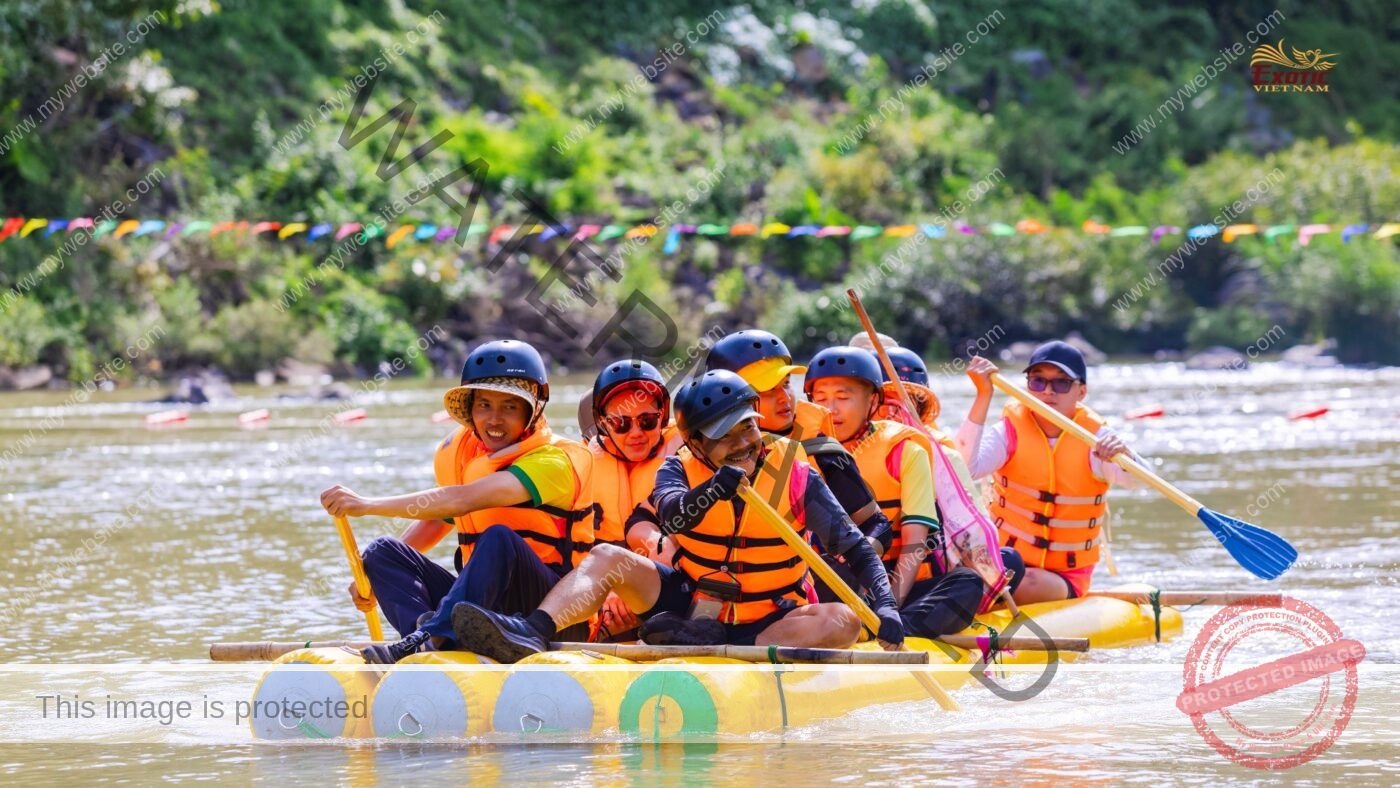
What Does a Full-Service Corporate Team Building Package Include?
A professional Team Building program should start with understanding the company, rather than starting with a list of games.
The organizer needs to understand the company’s objectives, culture, team structure, group size, travel requirements and budget before developing the program. This approach is particularly important for international companies, where corporate culture and expectations may differ from standard local event formats.
-
Understanding the Company and Program Objectives
Every company may have a different reason for organizing Team Building. It could be an employee appreciation trip after a successful year, a kick-off program for a new business year, a leadership activity, a cross-department collaboration initiative or an opportunity to reconnect employees following organizational changes.
The first step should therefore be a detailed brief. What does the company want to achieve? Who will participate? What is the corporate culture? What kind of experience would be appropriate for the team? The answers provide the foundation for the concept, activities and overall event design.
-
Destination and Venue Consulting
Vietnam offers a wide range of destinations suitable for corporate Team Building, from Hanoi, Ha Long and Ninh Binh in the north to Da Nang, Hoi An, Hue and Quy Nhon in central Vietnam, as well as Ho Chi Minh City, Ho Tram, Phan Thiet–Mui Ne, Nha Trang–Cam Ranh and Phu Quoc in the south. The right destination, however, should be selected based on more than scenery.
Travel time, group size, budget, venue capacity, outdoor spaces, weather, accommodation and opportunities for additional corporate activities should all be considered. For multi-day programs, it can also be beneficial to select a destination where accommodation, meeting facilities, dining, Team Building and Gala Dinner can be coordinated efficiently.
-
Developing a Corporate Concept and Theme
A strong concept can transform Team Building from a standard sequence of games into a distinctive corporate experience.
The concept may be inspired by the company’s core values, annual theme, business strategy, innovation agenda, sustainability goals, ESG priorities, leadership development or collaboration. Instead of simply dividing employees into teams, running games and calculating scores, the program can be built around a story that gives meaning to every challenge.
-
Storyline and Program Design
Once the concept has been established, it can be developed into a complete storyline and event structure.
A typical development process may follow: Brief → Concept → Storyline → Game Design → Rules → Scoring → Operation → Final Challenge → Awarding
Each activity should have a clear purpose within the overall program. The challenges, scoring system and final activity should work together rather than feeling like a collection of unrelated games.
-
Team Building Activities and Challenges
Corporate Team Building can include a wide range of formats depending on the objectives and participants.
In addition to traditional teamwork and physical activities, programs can incorporate Communication, Problem Solving, Leadership, Creativity, Strategy, Cultural Experience and Eco Team Building.
The objective is not to include as many activities as possible. Instead, each challenge should encourage interaction, support the storyline and contribute to the overall purpose of the program.
-
Adapting the Program to Different Teams
Not every corporate group is suited to high-intensity physical Team Building.
Office-based teams, mixed-age groups, senior executives and smaller groups may benefit from programs that focus more on communication, strategic thinking, creativity, problem solving and cultural experiences.
This flexible approach allows everyone to participate according to their strengths and helps create a more inclusive experience.
-
Logistics and On-Site Operation
Once the concept and activities are approved, the program needs to be translated into a detailed operational plan. This includes venue preparation, equipment, sound system, MC, event coordinators, timing, safety procedures and contingency planning.
For Company Trips and MICE programs, the same team may also coordinate transportation, accommodation, Gala Dinner, Meetings, Workshops and other experiences. Having one professional partner responsible for the overall program can significantly reduce the workload for the company’s internal team.
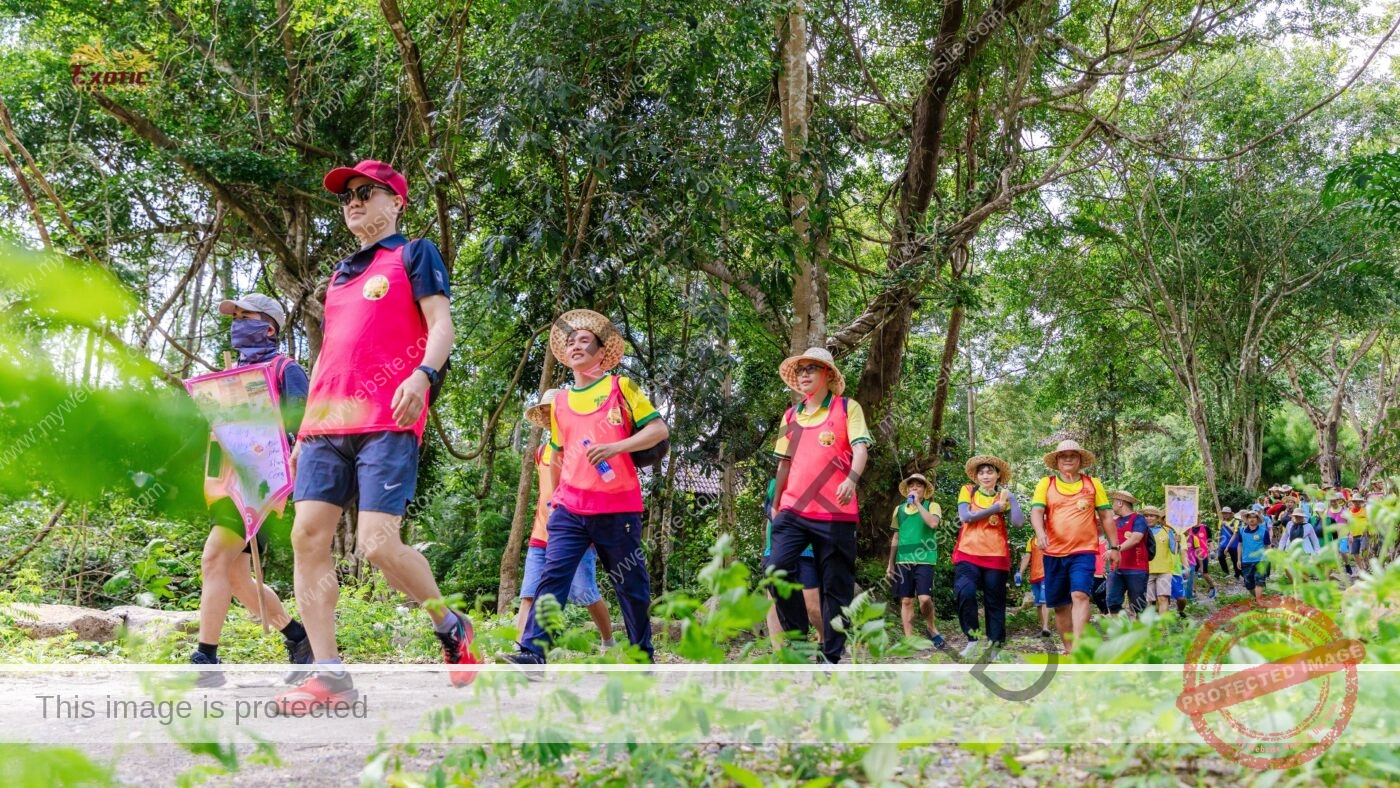
Why Work with a Professional Team Building Organizer in Vietnam?
Working with a professional organizer allows companies to avoid managing multiple suppliers and operational details simultaneously. An experienced local partner can support destination selection, concept development, activity design, supplier coordination, budget optimization and on-site operation. Local knowledge is particularly valuable in Vietnam, where weather, transportation, venue conditions and logistics can directly affect the event.
For larger groups, team allocation, participant flow, timing and communication require careful planning, with all suppliers following one coordinated timeline. Companies should therefore evaluate an organizer based on overall event management capability, local experience and operational reliability, rather than simply comparing the number of games or the lowest quotation.
How to Choose a Corporate Team Building Organizer in Vietnam
-
Experience and Real Event Portfolio
Companies should review the organizer’s previous programs, group sizes, destinations and types of clients served.
A strong portfolio can demonstrate whether the organizer understands corporate environments and has experience managing different group profiles and event requirements.
-
Customized Program Design
A standard program may work for some groups, but it cannot always reflect a company’s culture, objectives or internal dynamics.
A professional organizer should be able to develop a customized concept, storyline and challenge structure based on the company’s brief rather than simply changing team names or replacing a few games.
-
Operations and Budget Management
The organizer should be capable of coordinating venues, equipment, sound systems, event staff, safety and timing.
Companies should also consider whether the organizer can operate in different destinations across Vietnam, whether quotations are transparent and whether practical contingency plans are available for weather or other unexpected situations.
-
One Dedicated Project Contact
A dedicated person responsible for the project from the initial brief through to the end of the event can make communication much more efficient.
This is especially important when the program involves multiple suppliers and several connected activities. A single point of contact can help ensure that information remains consistent and issues are resolved quickly.
-
Ability to Combine Team Building with MICE and Company Trips
If Team Building is part of a larger Company Trip or MICE program, companies should consider whether the organizer can also coordinate Gala Dinner, Meetings, Workshops, Incentive Travel and local experiences.
Working with one experienced partner allows the entire journey to follow a consistent concept and operational plan, rather than becoming a collection of separate activities.
Exotic Vietnam – Corporate Team Building and MICE in Vietnam
Established in 2013, Exotic Vietnam is a Vietnam-based Destination Management Company (DMC) specializing in MICE, Team Building, Incentive Travel and Corporate Events. With more than 10 years of experience, Exotic Vietnam works with Vietnamese companies and joint-venture businesses in Vietnam to develop corporate experiences and team programs across the country.
Exotic Vietnam’s approach begins with the client’s objectives rather than a predefined list of games. Based on the company brief, the team develops the concept, storyline, challenges, scoring system and operational plan around the desired outcome.
Programs can incorporate teamwork, communication, problem solving, leadership, creativity, corporate culture and sustainability, rather than focusing exclusively on physical activities.
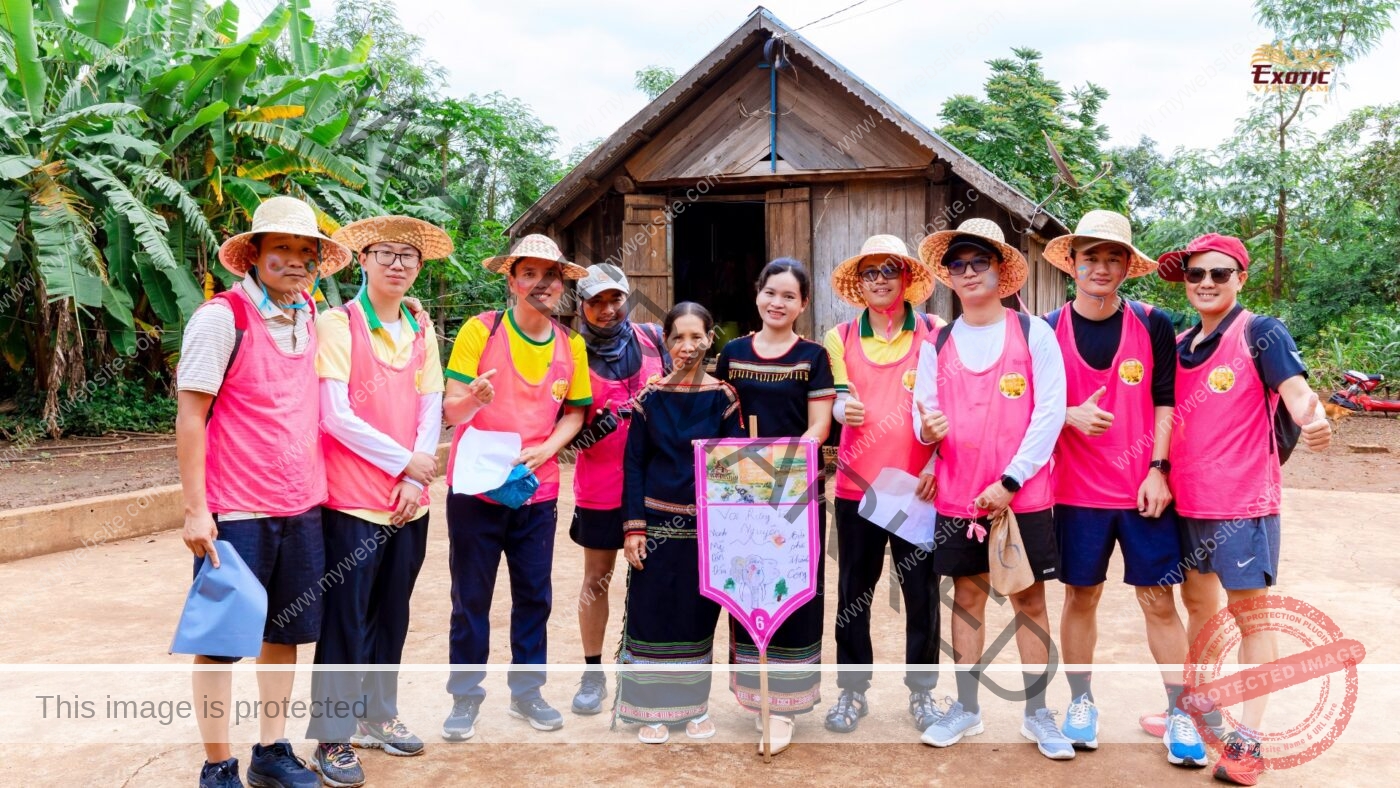
Team Building programs can be organized across Vietnam, from northern destinations to central Vietnam and the south. Depending on the group and objectives, programs can take place at beach resorts, natural locations, urban venues or destinations that combine corporate activities with local cultural experiences.
Team Building can also be integrated into a broader Company Trip or MICE program, together with Meetings, Workshops, Gala Dinners, Incentive Travel and local experiences. This allows companies to create one connected journey rather than a series of unrelated activities.
For businesses, the value of Team Building does not lie in how many games are included in the program or how large the props and equipment are. What matters more is whether, after the program, employees understand each other better, departments collaborate more effectively, communication and teamwork improve, and overall productivity and work efficiency are enhanced. Equally important is whether the company’s key messages are truly remembered and translated into everyday workplace practices.
