


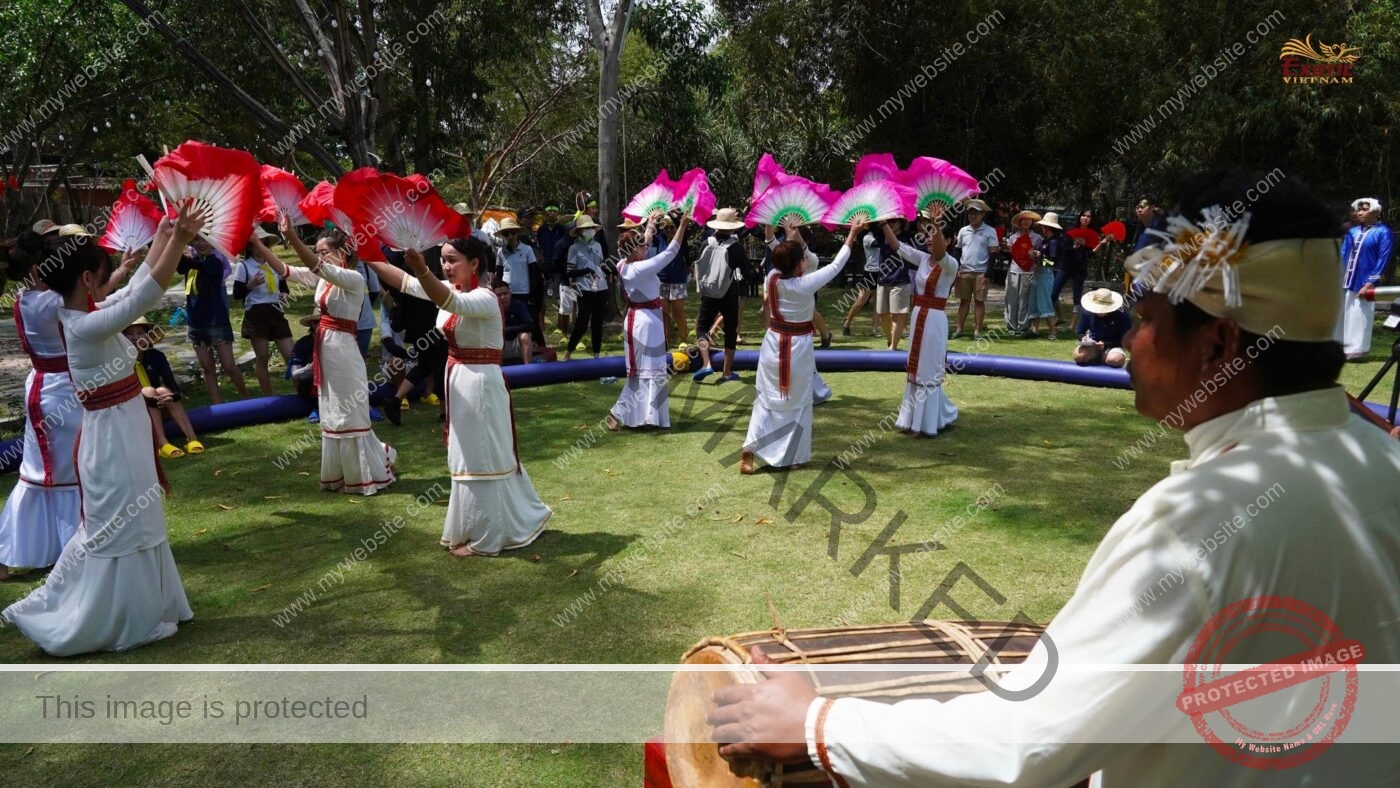
Team building activities in Vietnam began to emerge in the early 1990s, as the country gradually opened its economy and integrated into the global market. In the early stages, programs were largely influenced by collective community activities, scouting games, and outdoor training models, with the primary goals of fostering team spirit, strengthening connections, and building corporate culture within organizations.
After more than 30 years of development – especially following the Covid-19 pandemic in early 2020 – team building in Vietnam has undergone a significant transformation. These activities are no longer limited to physical games and energizing entertainment, but are increasingly evolving into more meaningful programs that integrate technology, creative experiences, human development, and social responsibility.
Although the market remains strongly concentrated in major cities such as Hanoi and Ho Chi Minh City, future trends are expected to move toward personalization, sustainability, and authentic team connection, rather than focusing solely on short-term entertainment activities.
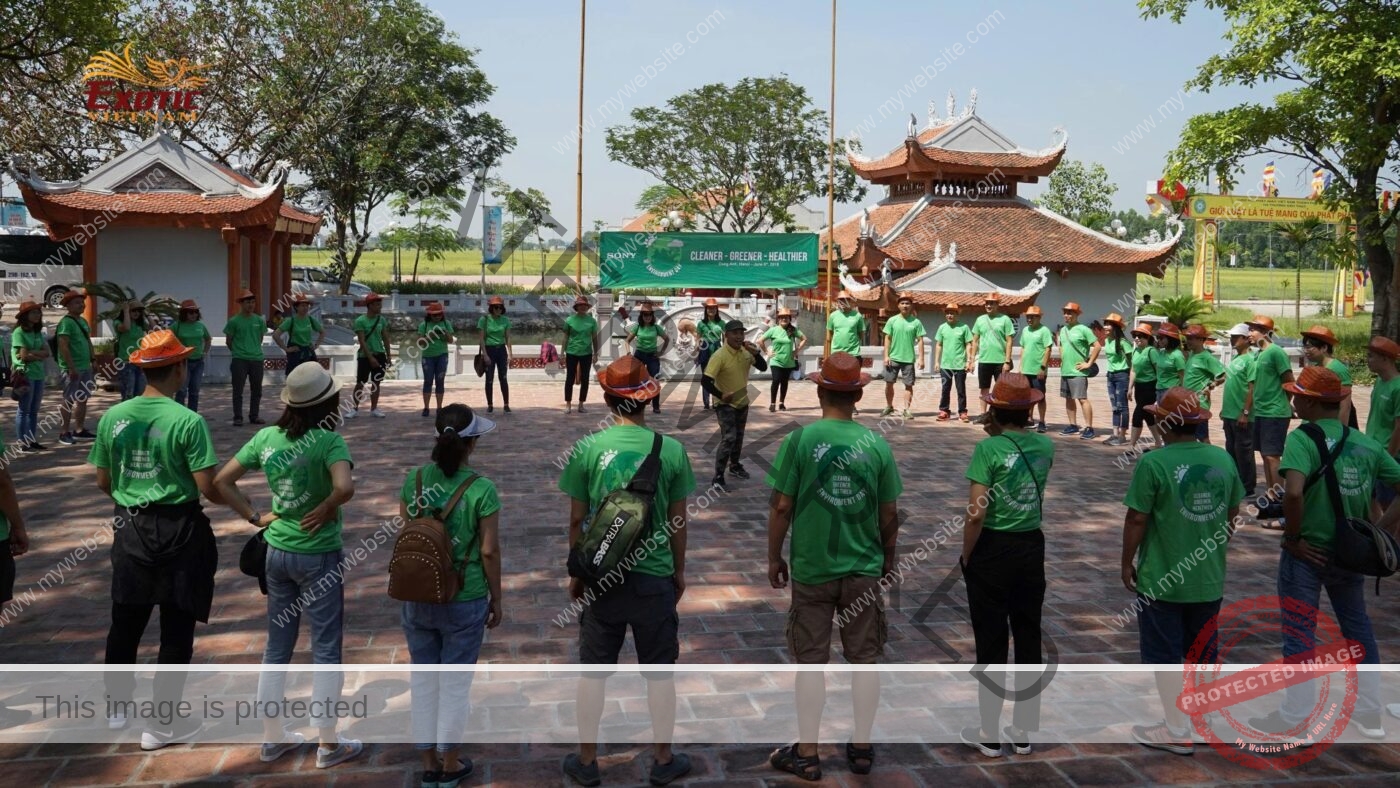
Corporate Team Building in Vietnam Today: Trends and Realities
-
A Strong Focus on Physical Activities and Entertainment:
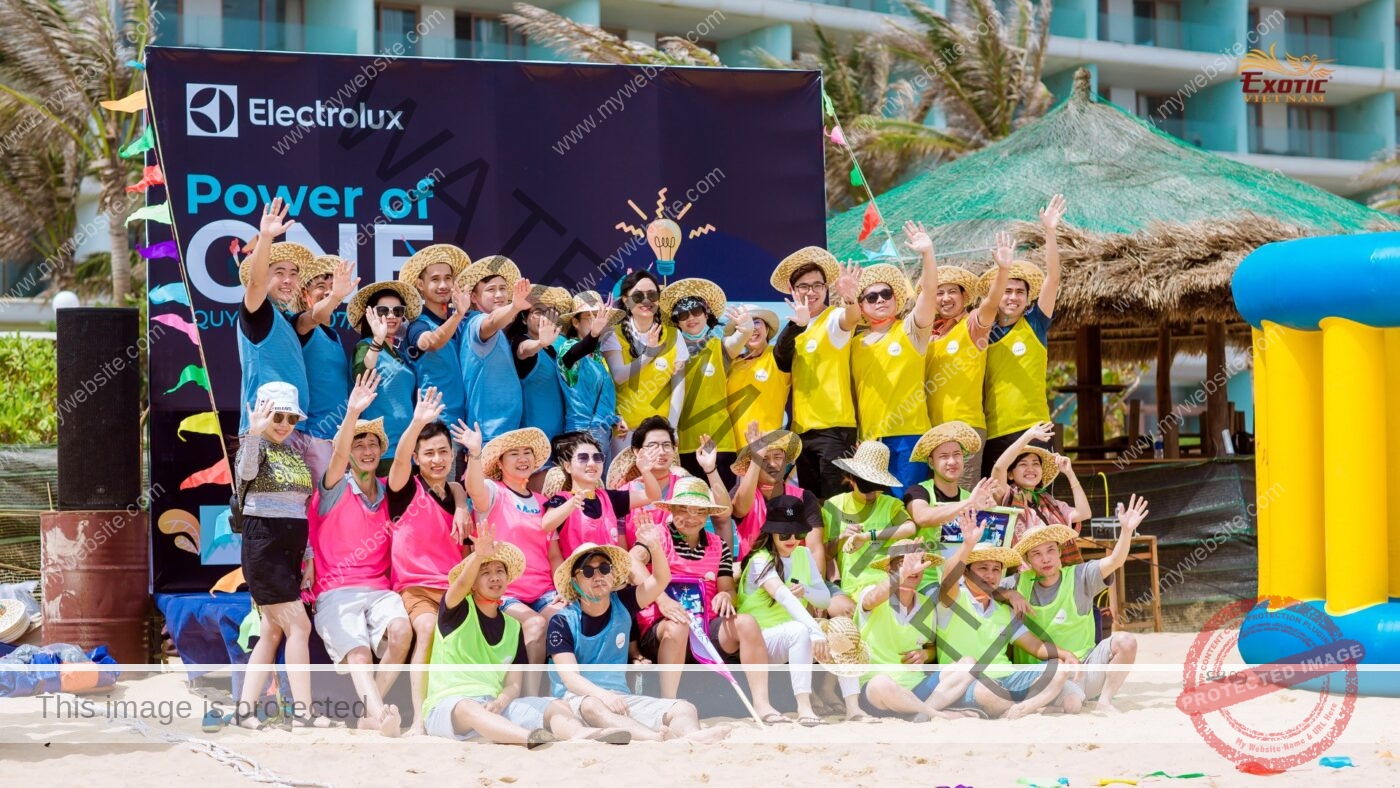
Many companies in Vietnam still prioritize outdoor activities, physical games, and large inflatable challenge setups to create an energetic atmosphere, help employees relax, reduce stress, and strengthen connections within a short period of time. These formats are highly effective in generating collective excitement, especially for large groups, while delivering immediate positive emotions.
-
Emphasis on Scale and Brand Communication:
Many team building programs are heavily invested in staging, sound systems, vibrant visuals, flycam filming, synchronized uniforms, and performance-based activities to create strong visual impact. Team building is increasingly becoming a tool for internal communication and employer branding, helping companies spread corporate spirit through social media, recap videos, and recruitment campaigns.
-
Limited Focus on Long-term Team Development Goals:
In many cases, team building is still viewed more as a recreational event than a strategic tool for improving collaboration, resolving workplace conflicts, or enhancing team performance. Nevertheless, these activities continue to play an important role in encouraging interaction, mutual understanding, and trust-building among employees, particularly during the “Forming” and “Norming” stages in Bruce Tuckman’s team development model.
-
Concentrated in Major Economic and Tourism Centers:
Team building activities are especially vibrant in major cities such as Hanoi and Ho Chi Minh City, while also expanding strongly into tourism destinations like Phan Thiet, Nha Trang, Ha Long, and Ninh Binh. This growth is driven by the increasing demand to combine leisure travel, incentive travel, and internal bonding activities. However, most current programs still focus on short-term experiences and have yet to be developed as structured, long-term team development initiatives with clearly defined capability-building objectives.
Shaping the Future of Corporate Team Building in Vietnam
As the global workplace continues to evolve rapidly, team building is no longer viewed merely as a group entertainment activity. It is increasingly becoming a strategic tool for people development, corporate culture enhancement, and team capability building. In Vietnam, this transformation is also aligning with global trends, as businesses place greater emphasis on sustainability, meaningful experiences, and authentic team connection rather than short-term excitement alone.
-
Sustainable Team Building Integrated with CSR and ESG:
Global trends show that team building is gradually evolving beyond internal entertainment into an integral part of corporate sustainability strategies. Many international corporations now integrate Corporate Social Responsibility (CSR) and Environmental – Social – Governance (ESG) initiatives into their programs through activities such as tree planting, environmental clean-up campaigns, support for local communities, development of public spaces, and preservation of indigenous culture. These experiences allow employees not only to enjoy positive emotions but also to recognize the collective value their teams contribute to society. In the future, Vietnamese businesses are expected to shift strongly toward “impact-driven team building,” where internal bonding activities also reinforce a responsible and sustainable corporate image.
-
Personalization and In-depth Experience Design:
Rather than applying generic formats to every company, emerging trends focus on tailor-made programs designed around each organization’s culture, workforce characteristics, and development objectives. Team building activities are increasingly structured to address practical workplace challenges such as improving cross-department collaboration, strengthening leadership capability, enhancing internal communication, and fostering innovation. Experiences are also becoming more diverse through the integration of interactive technology, strategic simulations, local cultural exploration, creative workshops, and intellectually challenging activities instead of focusing solely on physical movement.
-
Authentic Team Connection Instead of Short-term Excitement:
One of the most prominent global trends today is the shift from “team building for fun” to “team building for team development.” Activities are designed to reflect how people collaborate, communicate, assign roles, and make decisions under pressure through realistic simulation challenges combined with reflection sessions. This enables businesses to identify existing workplace issues such as lack of trust, ineffective communication, or conflicts between functional teams. Team building is therefore increasingly viewed as a strategic tool for strengthening corporate culture and improving team performance sustainably, rather than simply creating short-term excitement and entertainment.
-
The Rise of Team Retreats – Deep Experiences with Nature and Local Culture:
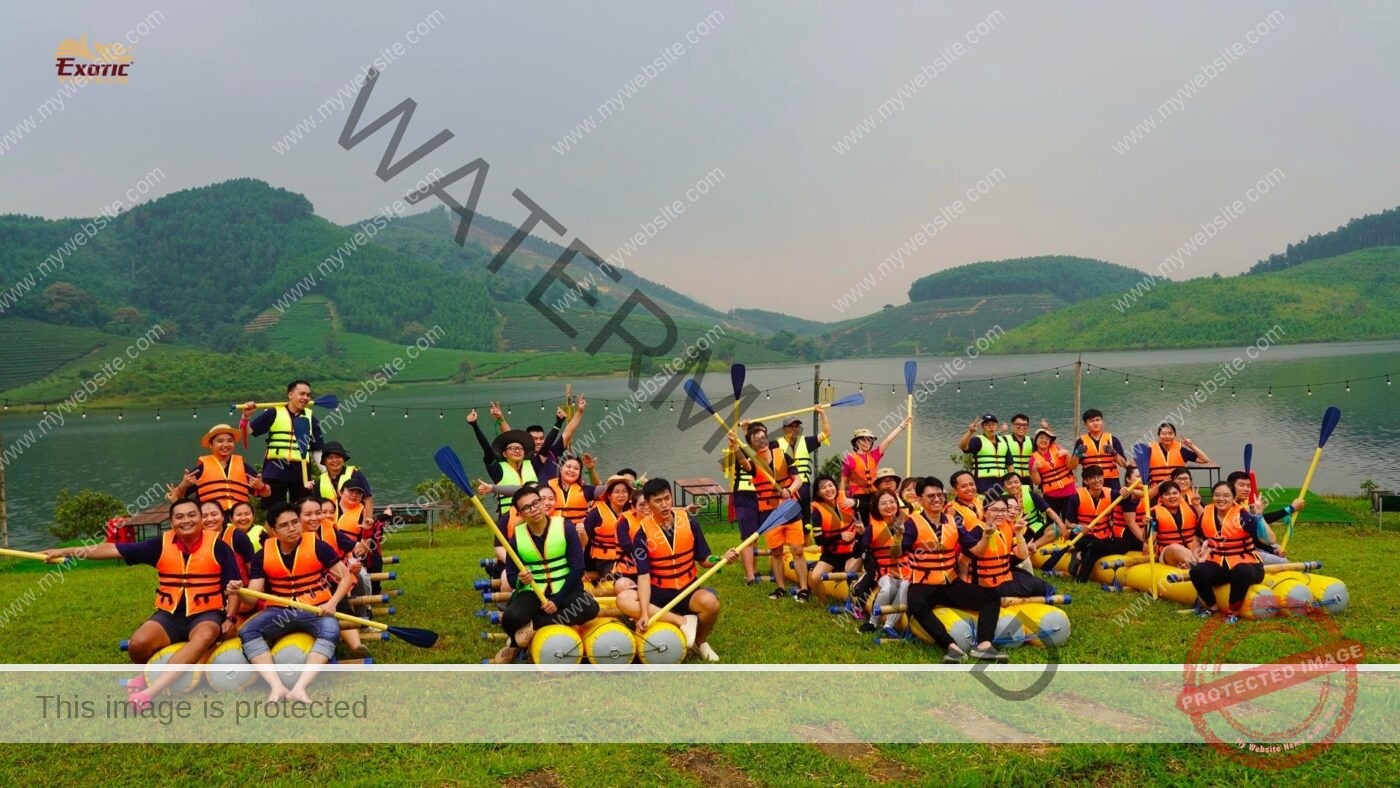
The “Team Retreat” trend is growing strongly around the world, prioritizing small groups of employees from the same department to experience nature and local culture instead of participating in large-scale, stage-oriented activities. Experiences such as trekking, kayaking, interacting with local communities, and outdoor challenges help teams improve collaboration, listening skills, and adaptability. At the same time, this model aligns with sustainable tourism trends by creating value for local communities while fostering more authentic team connections. Team Retreat programs emphasize depth of experience, creating opportunities for team members to better understand one another through shared living experiences, overcoming challenges together, and exchanging emotions in natural settings. Beyond recharging energy, these journeys also create lasting memories of teamwork, companionship, and collective spirit.
-
The Integration of Team Building, Training, and Wellbeing:
Many international companies are integrating team building with soft-skills training, mental wellness programs, and holistic human development initiatives. Activities related to mindfulness, emotional management, group coaching, nature immersion, and corporate retreats are becoming increasingly popular as organizations seek to help employees recharge, achieve mental balance, and strengthen adaptability in high-pressure work environments. This direction is also particularly relevant to younger generations of employees, who increasingly value meaningful and emotionally enriching experiences.
-
Technology and Data-driven Program Design:
Technology is transforming the way team building programs are designed and delivered through digital interaction, AI, gamification, augmented reality (AR), virtual reality (VR), and employee engagement measurement platforms. The use of data enables businesses to evaluate program effectiveness more clearly instead of relying solely on emotional feedback or communication visuals. In the future, team building may become an integrated component of human resource management ecosystems, helping organizations better understand team behavior and build more effective people-development strategies.
Exotic Vietnam – Crafting Meaningful Corporate Team Building Experiences
As workplaces become increasingly competitive and demanding, businesses need to view team building as an investment in people and corporate culture rather than merely an event expense. A well-designed program not only improves collaboration, strengthens team spirit, and increases employee engagement, but also lays the foundation for sustainable long-term business growth.
Alongside the transformation of team building in Vietnam – from simple physical activities to programs with greater depth and sustainable value – Exotic Vietnam positions itself as a pioneer in delivering “true team building” experiences, where every journey goes beyond creating positive emotions to foster human development, corporate culture, and authentic team connection.
Unlike programs focused mainly on stage performance or short-term entertainment, Exotic Vietnam designs activities based on each company’s specific objectives, such as improving collaboration, enhancing internal communication, building trust, and strengthening team spirit. Every journey is carefully tailored to reflect the organization’s culture, workforce scale, and intended message.
Beyond creativity in program design, Exotic Vietnam also embraces sustainable team building trends by integrating nature, local culture, CSR initiatives, and immersive “Team Retreat” experiences. These programs not only help employees recharge but also reflect how teams collaborate, make decisions, and adapt in real-world situations.
With diverse experience across Vietnam – from beaches and forests to mountains and culturally rich local communities – Exotic Vietnam aspires to be a true “team experience architect,” where team building is not only about enjoyment, but also about creating lasting value for both businesses and people.
