


For organizations with more than 1,000 employees, team building is no longer simply an event-based bonding activity. At scale, the challenge goes beyond logistics, safety, venue selection, or spectacular staging. The core question is how to design large-scale experiences that still create meaningful value for team development. In many Vietnamese companies, team building is often delivered through a “one-size-fits-all” format, generating short-term positive emotions and internal communication buzz, but leaving limited lasting impact on how teams collaborate, make decisions, and operate in their day-to-day work.

Core Challenges of Large-Scale Team Building
At a scale of more than 1,000 people, an organization is no longer a single, cohesive “team,” but a complex social system composed of multiple functional units, management layers, and smaller groups with very different levels of maturity, working cultures, and internal challenges. In the context of Vietnamese companies, this fragmentation is often accompanied by departmental silos, multi-layered approval mechanisms, and gaps between management levels.
When everyone participates in the same standardized program, the experience tends to become diluted: individuals blend into the crowd, have limited opportunities to take on meaningful roles, and find it difficult to engage in deep dialogue about how work actually gets done. If team building remains confined to large stages and mass-participation games, programs may succeed as events, but struggle to influence organizational behavior – where issues of collaboration and decision-making truly emerge in everyday work.

Layered Experience Design: A Suitable Framework for Large-Scale Team Building
To address the challenge of scale, team building needs to be designed using a multi-layer approach, grounded in systems thinking. Organizations are not a single, homogeneous “team,” but ecosystems composed of multiple levels of interaction (company-wide, cross-functional units, and small teams). According to Edgar Schein – an American scholar prominent since the 1980s in the fields of organizational culture and organization development – developmental interventions only create sustainable change when they act simultaneously across multiple cultural layers of an organization, from collective rituals to everyday behavioral norms. A multi-layer approach therefore enables team building to create aligned impact, from strengthening shared identity at the organizational level to shaping day-to-day micro-behaviors at the team level.
In many Vietnamese companies, operational challenges often arise at the boundaries between units (cross-department collaboration, multi-layered decision-making processes) and at the small-team level (communication, role clarity, and conflict management). These issues are difficult to address effectively through large, mass-participation activities alone. Layered experience design allows team building to “hit the right intervention points” across the organization: the company-wide layer reinforces shared identity and strategic alignment; the cross-functional layer addresses coordination bottlenecks along the value chain; and the small-team layer drives concrete behavioral change in everyday work. When interventions across these layers are designed in an integrated way, the impact of team building can cascade from shared awareness to concrete behavioral change, creating more sustainable transformation in large organizations.
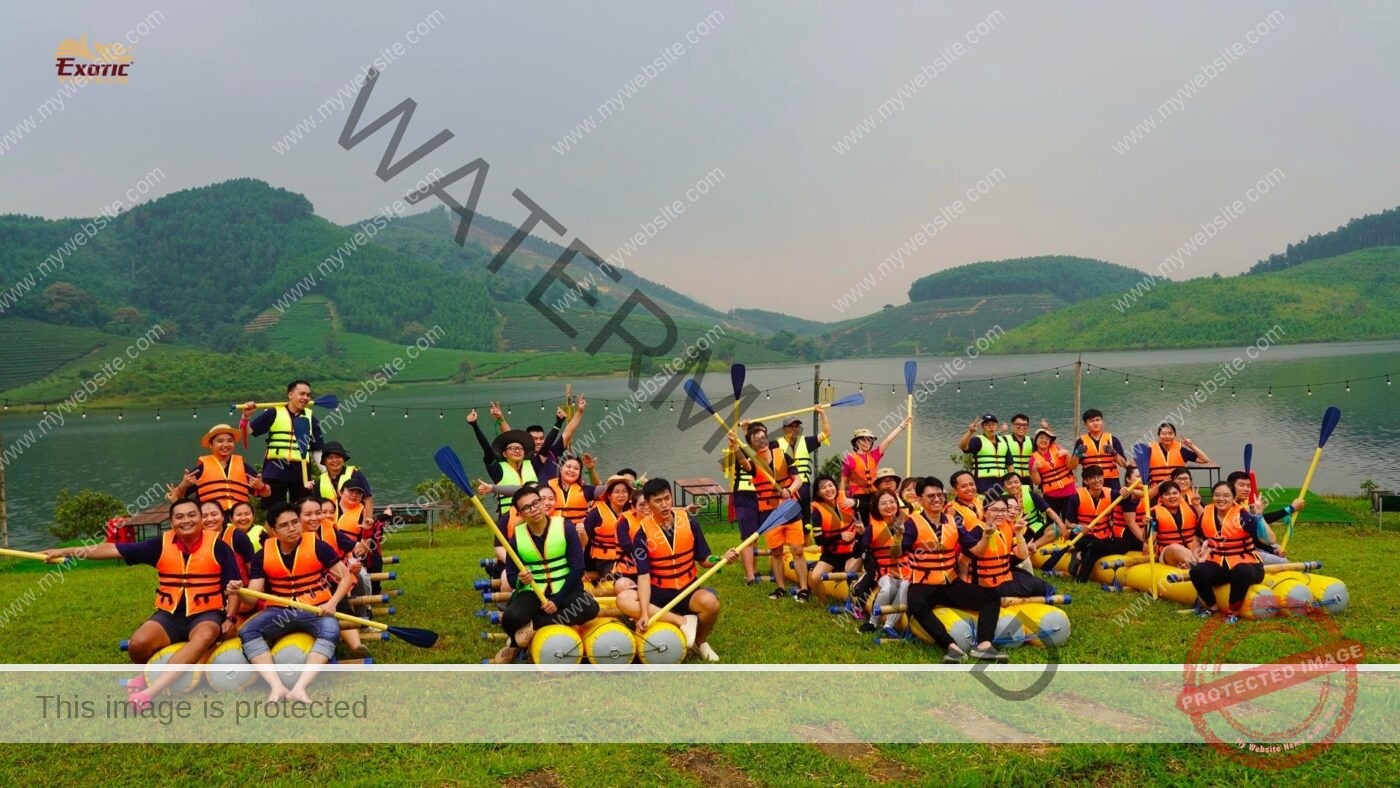
Company-Wide Level – Shared Identity & Strategic Alignment
The objective at this level is to strengthen the sense of “we are one organization,” helping employees connect with the company’s shared narrative, vision, and core values. Large-scale symbolic and collective activities (opening rituals, collaborative challenges simulating the value chain, collective journeys) function as organizational rituals, reinforcing shared identity and strategic direction. In the context of Vietnamese companies – where strategic messages are often communicated top-down – such symbolic experiences help transform strategy from something that is merely “told” into something that is genuinely “lived.”
Suggested Event Example:
In a team building program for a corporation with more than 1,500 employees, the opening activity can be designed as a “value chain journey” combined with collaborative sports challenges. Each business unit represents a link in the company’s value creation process and participates in a collective physical challenge (relay runs, cooperative obstacle courses, or symbolic “resource transfers”). The shared goal is only “unlocked” when all links fulfill their roles and coordinate effectively, triggering the opening ritual (such as the launch of the annual strategic message, a shared manifesto, or a symbolic goal marker). This experience enables participants not only to hear about the company’s vision and each unit’s role, but to directly feel the interdependence across the organization’s operating system.
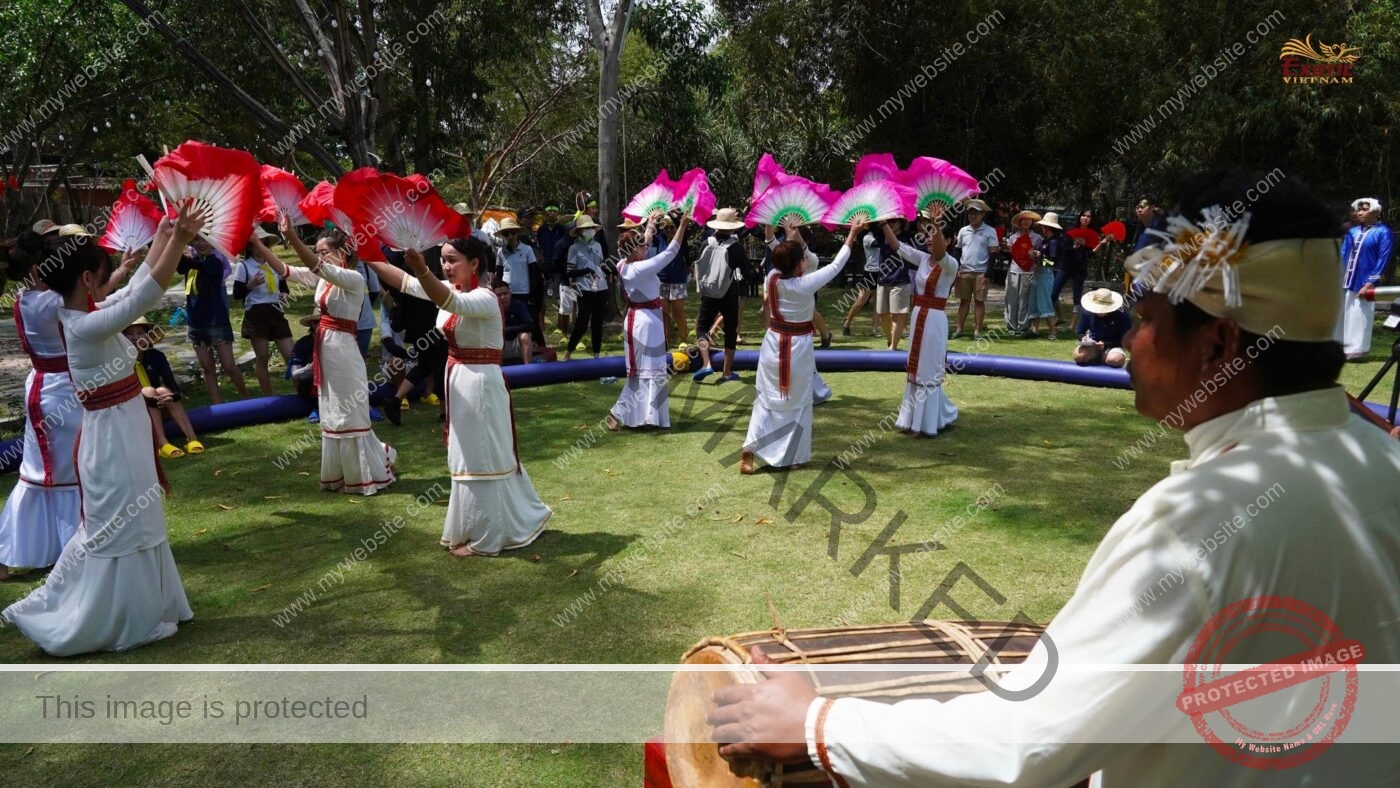
Functional / Departmental Level – Cross-Unit Collaboration & Roles in the Value Chain
At this level, team building is organized by clusters of functions or cross-functional groups with direct work interdependencies, at a mid-scale (ranging from a few dozen to a few hundred participants). Cross-unit project simulations require teams to exchange resources, align priorities, and make joint decisions under time pressure and performance targets. These “threshold challenges” are designed to surface common organizational bottlenecks in Vietnamese companies, such as unit-based parochialism, a “protecting one’s own turf” mindset, and over-reliance on multi-layer approval processes.
The cross-unit reflection sessions after the challenges create a psychologically safe space for departments to examine how they support – or inadvertently hinder – one another along the organization’s value chain.
Suggested Event Example:
In a team building program for a cross-functional cluster of Sales – Marketing – Operations (approximately 120–200 participants), the core activity can be designed as a “New Product Launch Project Simulation”. Each department represents a role in the value chain (Marketing leads market research and messaging, Sales proposes distribution plans and revenue targets, Operations ensures delivery capacity and timelines).
Teams hold different resources and information, forcing them to negotiate, share, and align priorities within a limited time frame. The scenario intentionally introduces “threshold bottlenecks,” such as short-term versus long-term goal conflicts, budget constraints, or last-minute requirement changes, to surface how units make decisions and collaborate under pressure.
The cross-department reflection focuses on questions such as: Which department tends to “hold on to its own piece,” causing project flow to stall? Which approval steps slow progress the most? And in day-to-day operations, what small but practical adjustments could help the value chain run more smoothly?
This experience helps participants see their unit’s role within the bigger picture, while also creating a shared language for discussing collaboration bottlenecks that are often difficult to address openly in everyday work contexts.
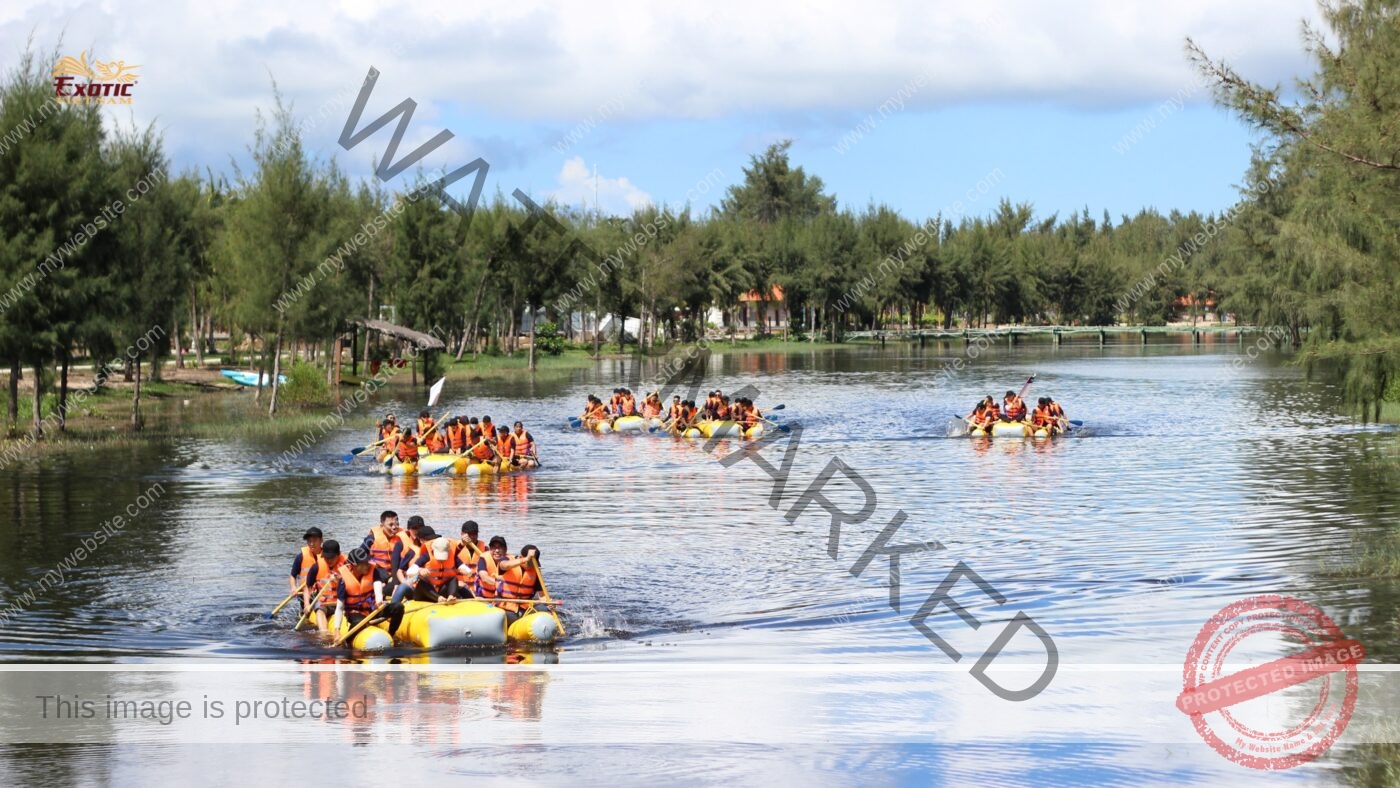
Small-Team Level – Everyday Working Behaviors
This level has the most direct impact on real performance, typically organized around individual working teams (usually 8–30 people per team, with a total cluster of a few dozen participants). Simulation-based exercises focus on communication, decision-making, role clarity, and conflict management within teams, closely mirroring situations commonly encountered in daily work. Small-scale “playing to lose” challenges surface habitual behavioral patterns – who tends to make the final call, who avoids responsibility, and how the team handles disagreements—creating opportunities for reflection and for teams to agree on concrete behavioral commitments (how meetings are run, how decisions are finalized, how feedback is given in moments of disagreement) to apply immediately after the program.
This approach aligns with experiential learning principles, in which behavioral change only occurs when experiences are translated into new understanding and tested in real work contexts.
Suggested Event Example:
In a team building program for a 15–20 person project team, a challenge such as “Decision-Making Under Uncertainty” can be designed. The team is presented with a simulated project scenario (sudden scope changes, resource shortages, or conflicts between speed and quality). Information is distributed unevenly among members, forcing the team to communicate effectively, clarify roles, and reach decisions within tight time constraints. The scenario intentionally creates “pressure thresholds” where habitual mistakes are likely to emerge.
The post-challenge reflection focuses on mirroring: How does the team make decisions in real work situations? Who typically assumes leadership roles? And what one or two concrete changes should be made immediately in how meetings are run and collaboration is handled day to day?
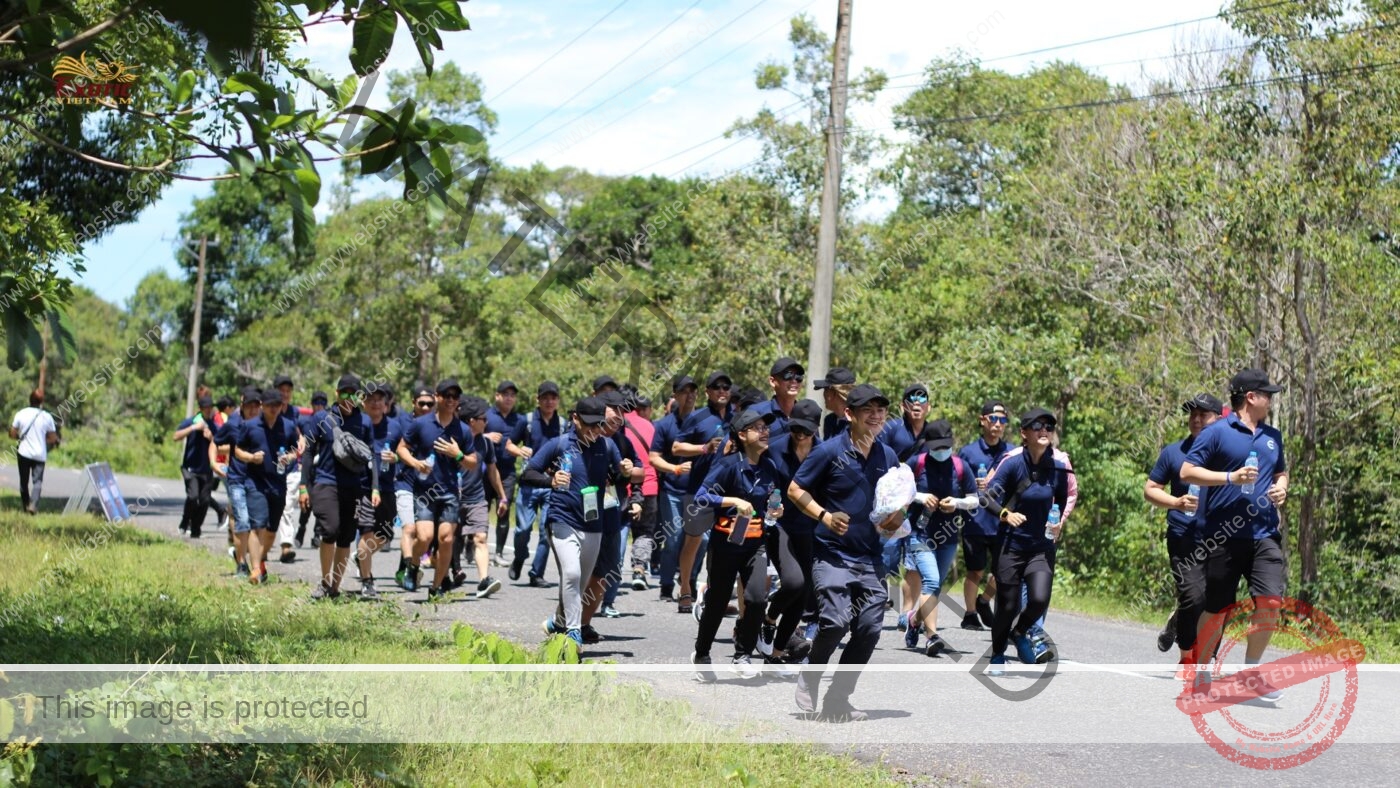
Exotic Vietnam – From Event Organizer to Team Development Partner
At Exotic Vietnam, team building for large organizations does not start with game scenarios, but with diagnosing the organizational context, team structures, and people development objectives of the client. Programs are designed using a multi-layer framework, integrating operational simulations, facilitated reflection, and mechanisms to extend impact beyond the event – so that the experience does not end as a one-off activity, but becomes part of a longer-term team development journey.
Beyond strengthening internal capabilities, programs are also embedded with sustainability orientations, respect for the environment, and sensitivity to local culture – enabling organizations not only to develop their people, but also to create positive value for the communities in which the activities take place.
