


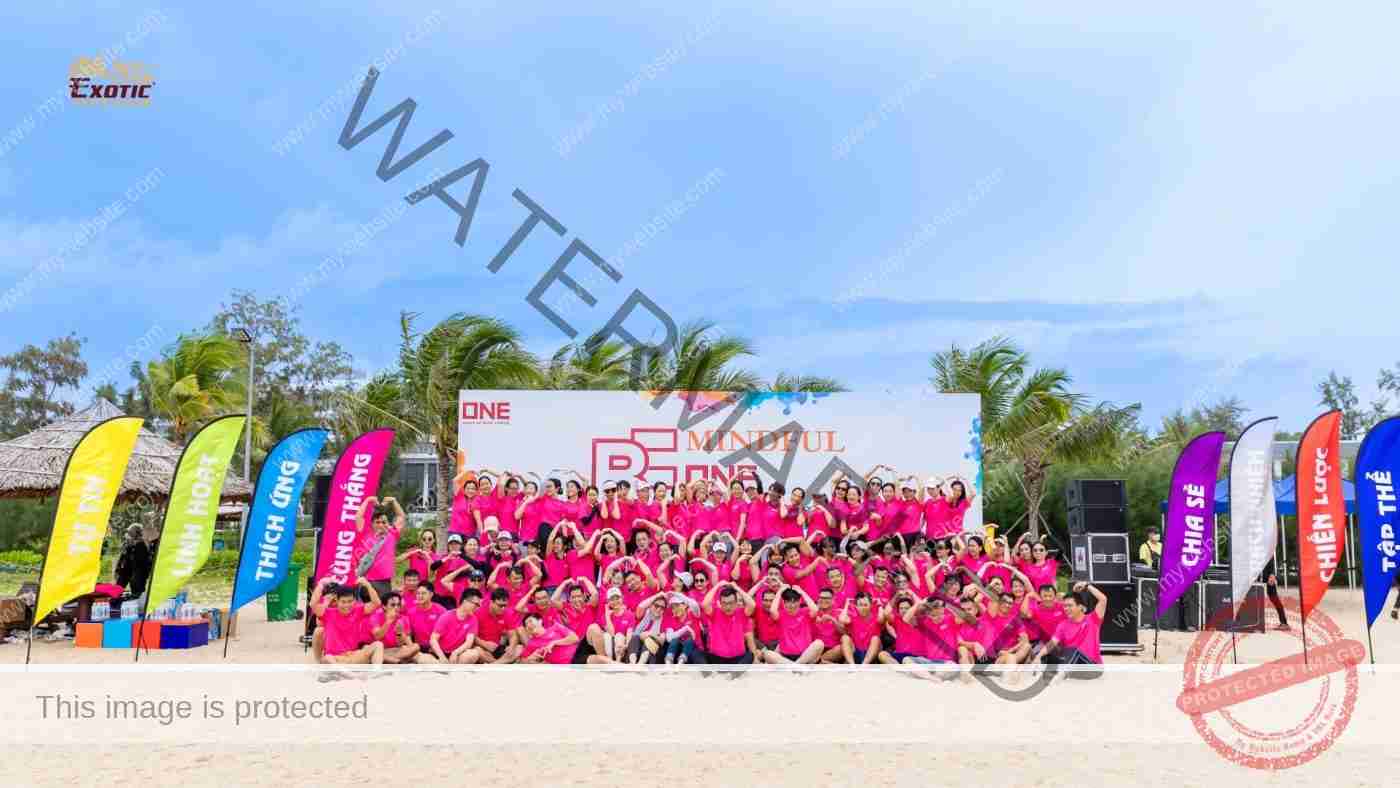
In many Vietnamese companies, team building has become an almost “default” annual activity. Programs typically revolve around outings, company trips combined with group games, outdoor physical activities, and large-scale stage performances, with the goals of creating a lively atmosphere, boosting team spirit, and serving internal communications. After the event, team morale feels “refreshed,” and people seem closer to one another. However, not long after, familiar issues resurface: interdepartmental collaboration remains ineffective, underlying conflicts go unresolved, leaders continue to struggle with motivation, and KPI pressure quickly pulls everyone back into the usual work routine.
The core issue is that most team building in Vietnam is still approached as an extended entertainment event or a form of employee welfare, rather than as a team development solution embedded in the organizational context. Many programs prioritize PR-friendly visuals, big stages, eye-catching drone footage; or intense physical activities; or individual challenges. While these approaches generate short-term positive emotions, they rarely lead to lasting changes in how people collaborate, make decisions, and work together in the long run.
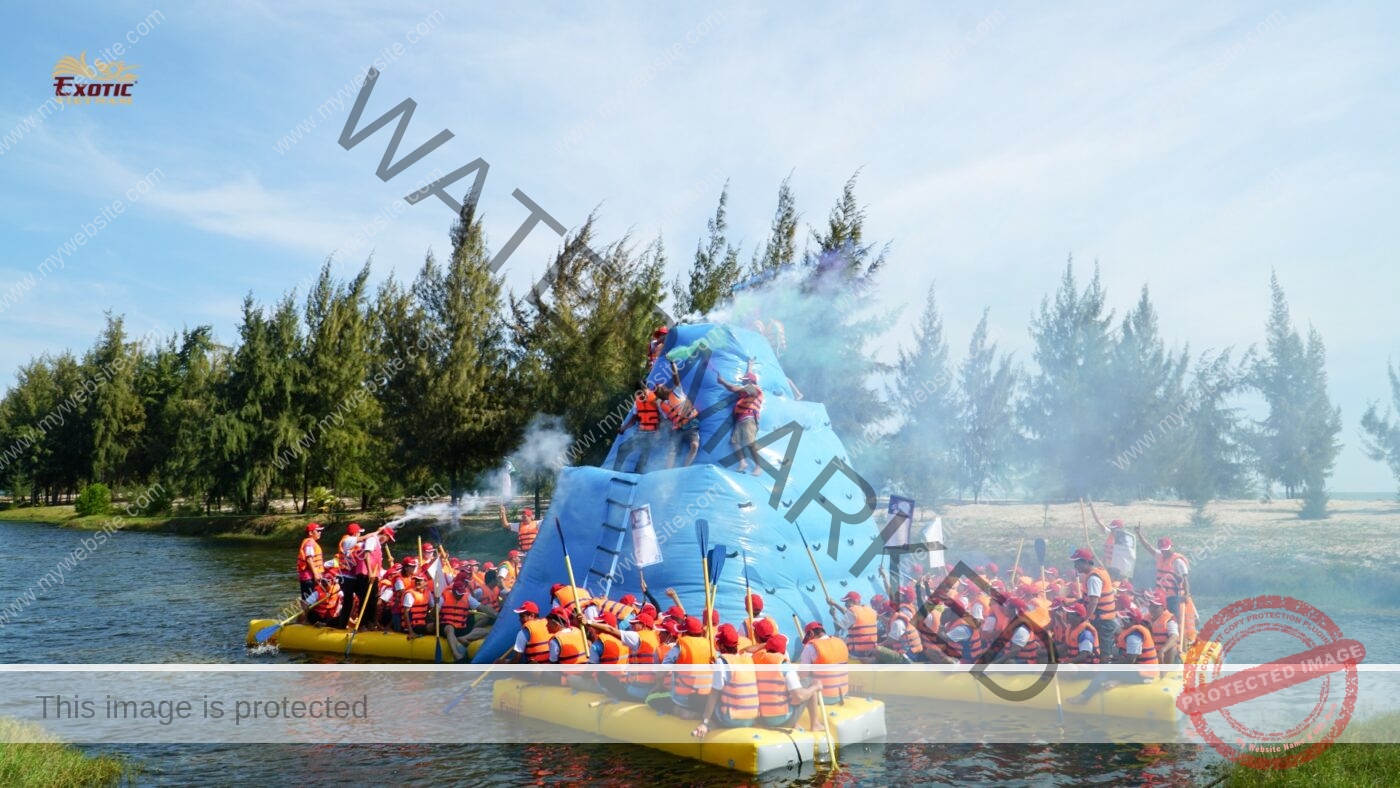
Tuckman’s Model – Framing the Right Problem to Design Team Building Effectively
Bruce Tuckman’s team development model identifies five stages: Forming, Storming, Norming, Performing, and Adjourning. Each stage reflects a different psychological state, level of cohesion, and pattern of interaction within a team. Crucially, a team’s development needs vary at each stage.
In practice in Vietnam, most team building programs are still designed as if every team were at the Forming stage – focused on ice-breaking, creating a fun atmosphere, and fostering an initial sense of bonding. While this approach may be appropriate for newly formed teams, long-established teams tend to face different core challenges, such as managing conflict, making decisions, collaborating across departments, and sharing responsibility. When team building is not aligned with the team’s actual development stage, its impact is often limited to short-term emotional uplift rather than meaningful, lasting change.
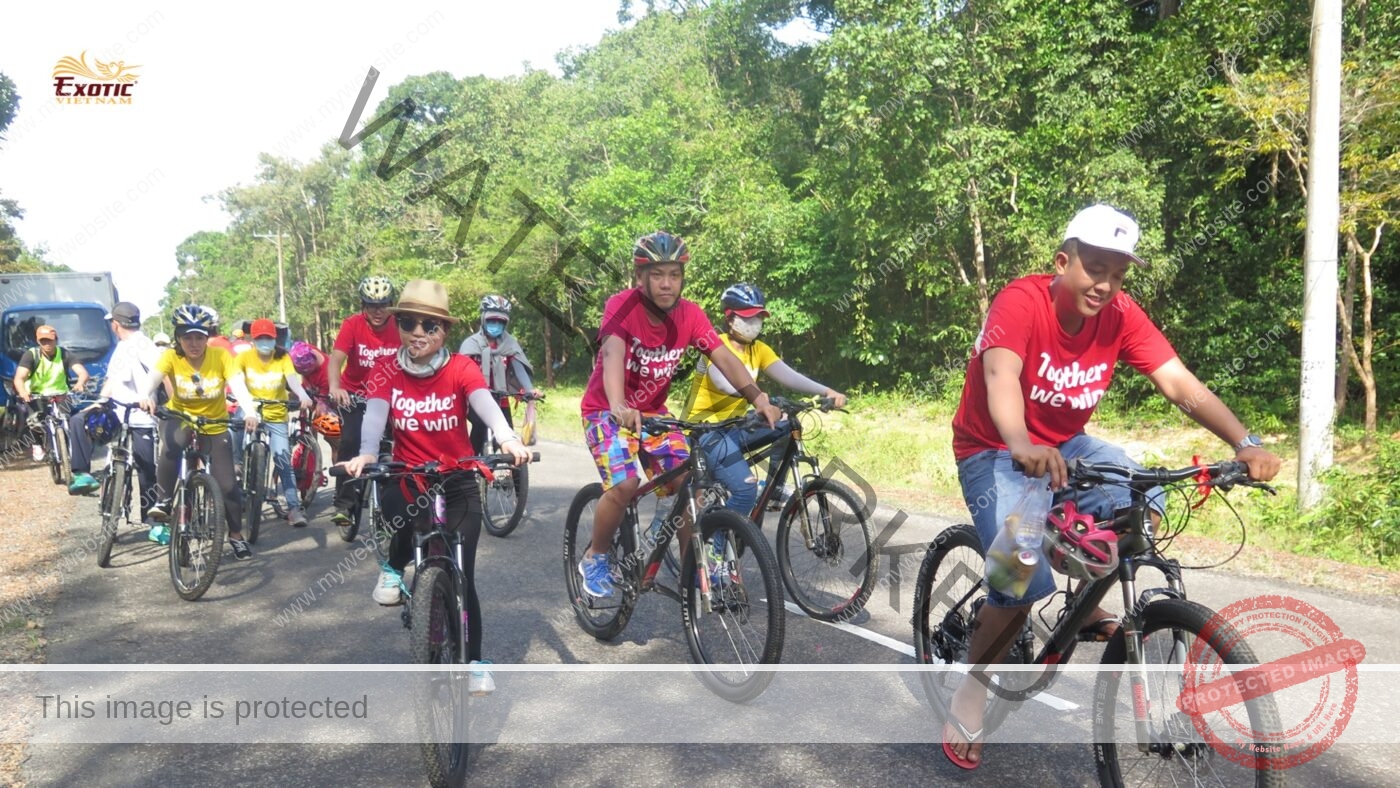
Why Do Vietnamese Companies Still Favor “Bonding-Focused” Team Building?
The fact that team building in Vietnam largely revolves around “bonding – fun – leisure” is not accidental. It stems from a set of systemic factors in how organizations perceive, design, and evaluate team building initiatives.
- Team building is still viewed mainly as “morale boosting.” Many companies see team building primarily as a way to create a positive atmosphere and help employees feel happier and more amicable toward one another. While this understanding is valid at an initial level, it does not yet recognize team building as a tool for developing team capability. When the primary goal is simply to “make people happy,” entertainment-oriented programs are prioritized, while aspects such as collaboration, decision-making, and conflict management receive far less attention.
- Team building is bundled with annual company trips, blurring the development focus. In many organizations, team building is integrated into the annual company retreat as a form of employee welfare. This approach helps optimize cost and time, but it also blurs the line between team development and leisure. When the main expectation is to “travel and relax,” programs struggle to go deep into learning and behavior change, and success criteria tend to lean toward accommodation, food, and overall enjoyment rather than developmental impact.
- The team building market is oriented toward “events” rather than “development solutions.” Many providers focus heavily on game scripts, stage performances, high-energy facilitation, and large-scale logistics. As a result, companies tend to approach team building as “purchasing a ready-made program,” sometimes even bundled with travel packages. When team building is positioned as an event rather than a people development solution tailored to an organization’s internal challenges, depth and long-term impact are rarely prioritized.
- Short-term performance pressure and the demand for “immediate results.” Fun, bonding-focused programs generate instant positive feedback: high energy, enthusiastic participation, and attractive visuals for internal communications. In contrast, changes in collaboration patterns and decision-making processes take time to materialize. The pressure to demonstrate quick results pushes companies toward emotionally engaging experiences rather than longer-term developmental interventions.
- Avoidance of conflict and a preference for harmony over candid dialogue. Interdepartmental tensions, differences in leadership styles, and unclear roles are common issues, yet they are often difficult to address openly in the workplace. “Feel-good” team building becomes a safe space to temporarily set conflicts aside, rather than to confront and resolve them constructively. This preference for harmony tends to “soften” program design, limiting the potential for deeper shifts in how teams collaborate and solve problems.
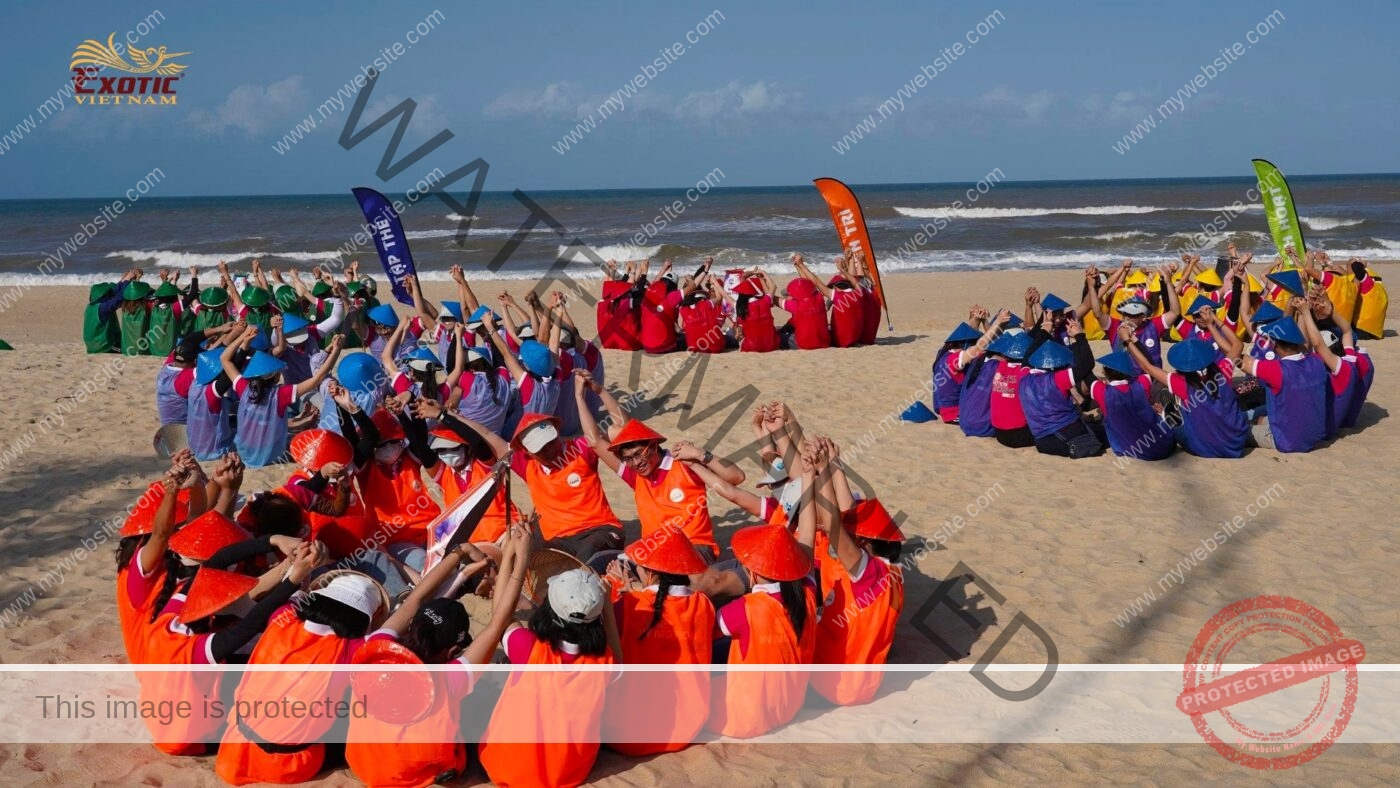
From Short-Term Bonding to Sustainable Team Development
For team building to truly contribute to strengthening organizations in a sustainable way, a shift in mindset is required – from hosting events to designing team development experiences. Team building should start with the question: “At what stage of development is our team, and what does it need to move to the next level?”
When framed within Tuckman’s model, team building becomes a sequence of developmental interventions: Forming lays the foundation for connection; Storming creates a psychologically safe space to address differences; Norming activates leadership roles and collaborative norms; Performing reinforces culture and collective motivation; and Adjourning helps teams close one development cycle and transition into a new, higher-level phase of growth.
In this approach, the value of team building lies not in the positive emotions immediately after the program, but in the sustained changes in how teams communicate, collaborate, and take collective responsibility in their day-to-day work.
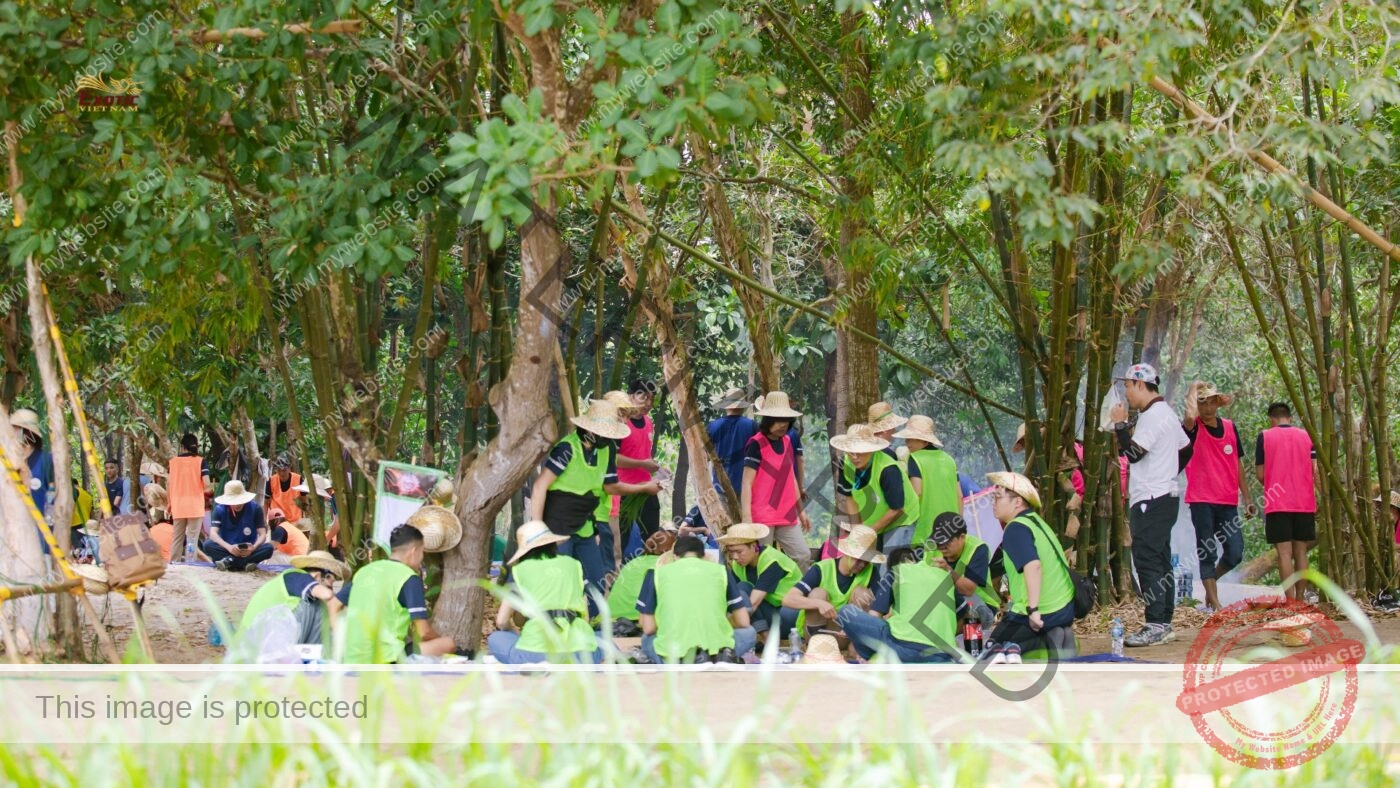
Solutions from Exotic Vietnam: Team Building as a Lever for Team Development
At Exotic Vietnam, team building does not start with games – it starts with people, behaviors, and organizational goals. Each program is tailor-designed based on a diagnosis of where the team is within its development cycle under Tuckman’s model, from which the appropriate scenarios, activity intensity, and experiential context are selected.
Exotic Vietnam views team building as a “development lever” that helps teams move through successive stages of maturity: from building foundational connection, constructively addressing conflict, activating internal leadership capacity, to strengthening culture and renewing long-term motivation. Beyond internal impact, programs are designed with a sustainability lens, respecting the environment and local culture – enabling organizations not only to develop their teams, but also to create positive value for the wider community.
