


In today’s constantly evolving business landscape, team building is no longer merely a short-term bonding activity, but a people development solution within the organizational context. At Exotic Vietnam, every program is purposefully designed to create positive and sustainable change for teams.
We don’t start with games.
We start with people – with behaviors and organizational goals.
A team building program only becomes truly meaningful when it begins with the core questions: What challenges is the team facing? Which stage of development is the team currently in? And what kind of change does the organization expect after the program?
Theoretical Foundation: Tuckman’s Team Development Model
Bruce Tuckman’s team development theory – proposed by the American psychologist and professor in 1965 – has since been widely recognized as one of the foundational frameworks in both research and practice of team development. The model describes the developmental journey of a team through five stages: Forming, Storming, Norming, Performing, and Adjourning. Each stage reflects distinct psychological states, behavioral patterns, and levels of cohesion within the team, enabling leaders and managers to accurately identify where their teams are in the development cycle and select appropriate interventions.
This model helps leaders clearly diagnose their team’s current stage of development, thereby choosing suitable approaches to provide support, address conflicts, and enhance performance. At Exotic Vietnam, Tuckman’s model is not merely a management theory, but a guiding framework for designing team building experiences with the right “dosage” for each stage of organizational development.
Why Tuckman? – Why Exotic Vietnam Chooses This Model
The strength of Tuckman’s model lies in its clarity and high applicability in people management practice. Rather than applying the same team building program to every team, the model enables organizations to clearly distinguish between newly formed teams, teams experiencing conflict, stabilized teams, and high-performing teams operating at peak effectiveness.
At Exotic Vietnam, Tuckman’s model serves as an “experience design compass”. Each team building program is developed based on an accurate diagnosis of where the team stands in the development cycle, allowing us to tailor the storyline, activity intensity, and experiential context accordingly. Team building only becomes truly effective when it is applied at the right “developmental touchpoint” of the team.
FOUNDATION – Forming: Building Core Connection for Newly Formed Teams
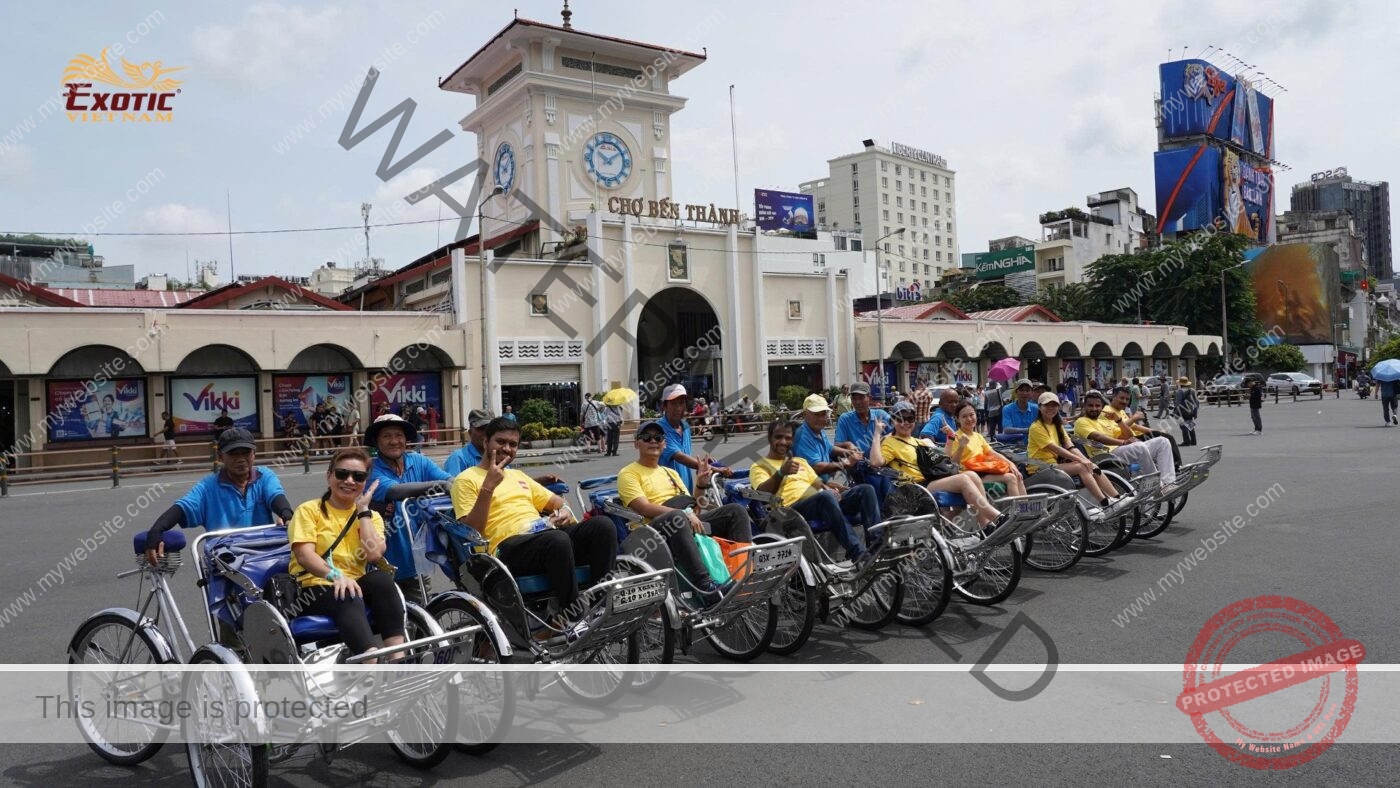
The Forming stage occurs when a team is newly established, new members join, or the organization has just undergone restructuring. At this point, team members tend to be cautious, unclear about their roles, and have not yet developed sufficient trust to collaborate effectively. The Foundation program focuses on breaking the ice, building psychological safety in communication, and helping each individual see their role within the broader organizational picture.
In practice, many team building programs in Vietnam tend to stop at this stage because it is easier to organize, delivers quick positive emotions, and produces visible short-term results. Fun, energetic activities and laughter quickly create a sense of “bonding”, aligning with the common perception of team building as a morale-boosting or welfare activity. By contrast, going deeper into later stages requires more sophisticated experience design and facilitation, as well as the willingness to address more sensitive internal issues that many organizations are hesitant to confront.
Foundation scenarios are designed to be light and flexible, adaptable to both outdoor and indoor settings. Green spaces on the outskirts of cities, eco-resorts, and nature-based retreats foster openness, while hotel ballrooms, convention centers, or training rooms are reconfigured in more open layouts to sustain group interaction. The goal of Foundation is to help teams start off on the right footing, laying a solid foundation for long-term cohesion and subsequent stages of development.
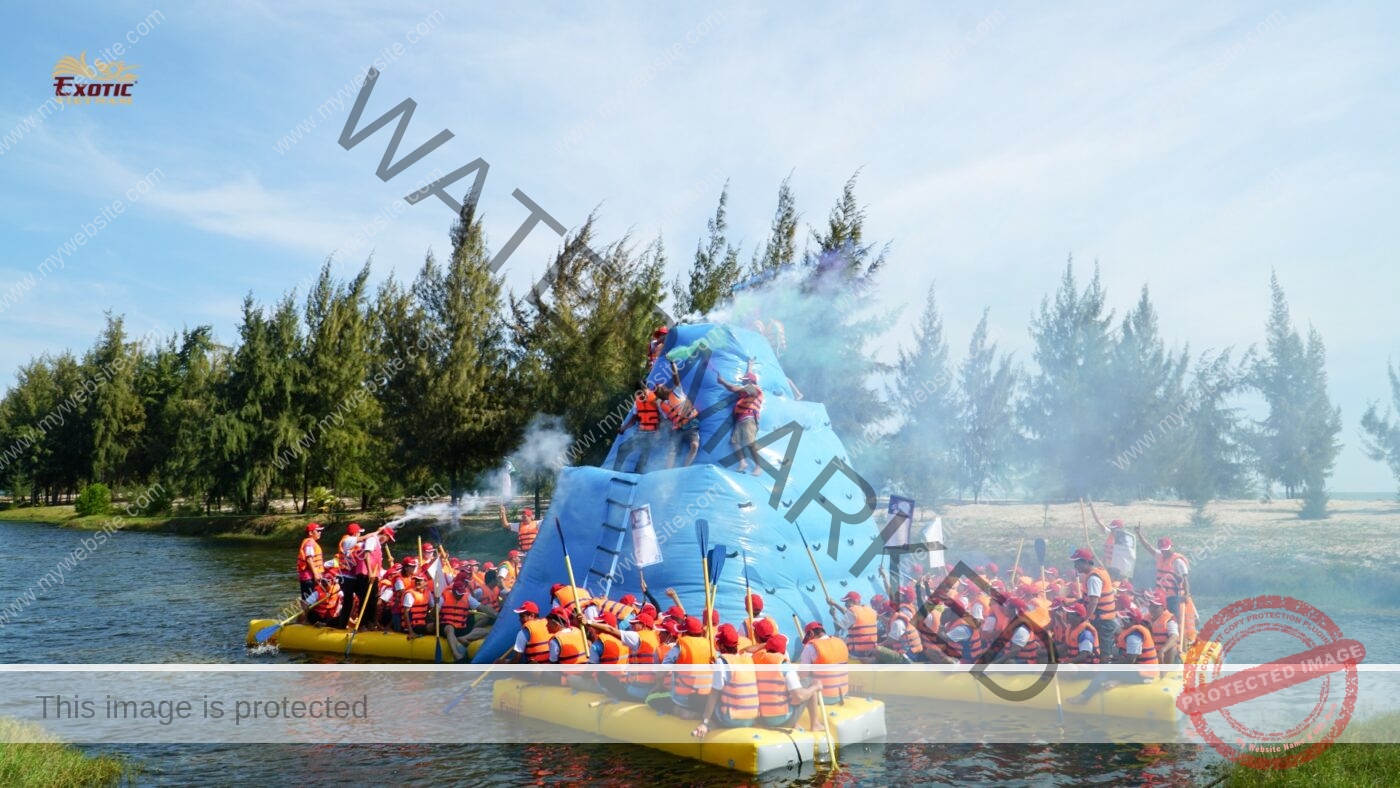
ALIGNMENT – Storming: Strategic Alignment & Collaboration Through Turbulence
During the Storming stage, teams begin to reveal differences in perspectives, interests, and approaches to work. In many Vietnamese organizations, conflicts often remain implicit rather than openly expressed: departments lack mutual trust, information flows poorly, and collaboration becomes reactive. As pressure from KPIs and deadlines increases, these underlying fractures tend to accumulate and turn into bottlenecks that hinder overall performance.
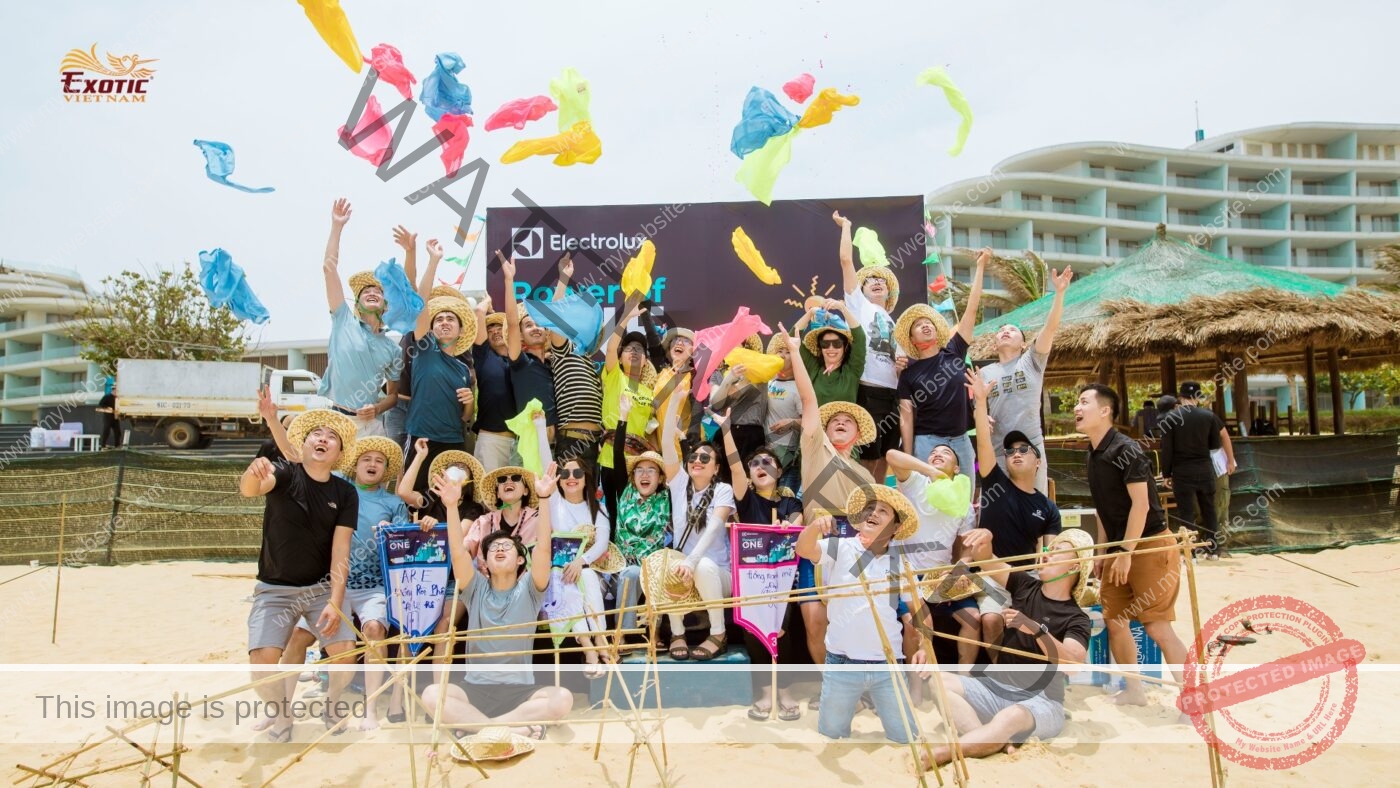
The Alignment program is designed to bring teams back into strategic alignment through experiential journeys that require interdependence among groups. Strategic Amazing Race–style scenarios, implemented across heritage cities, large-scale tourism destinations, or natural landscapes, create sufficiently complex contexts for teams to define roles, make collective decisions, and take shared accountability. Within these experiences, coordination issues that are often concealed in the workplace can surface in a safe and constructive way.
Alignment is not about “smoothing over” conflict, but about transforming conflict into collaborative energy. When teams learn to engage in open dialogue, clarify expectations, and align on working principles, the Storming phase becomes a springboard for moving into Norming with a stronger foundation of trust and shared direction.
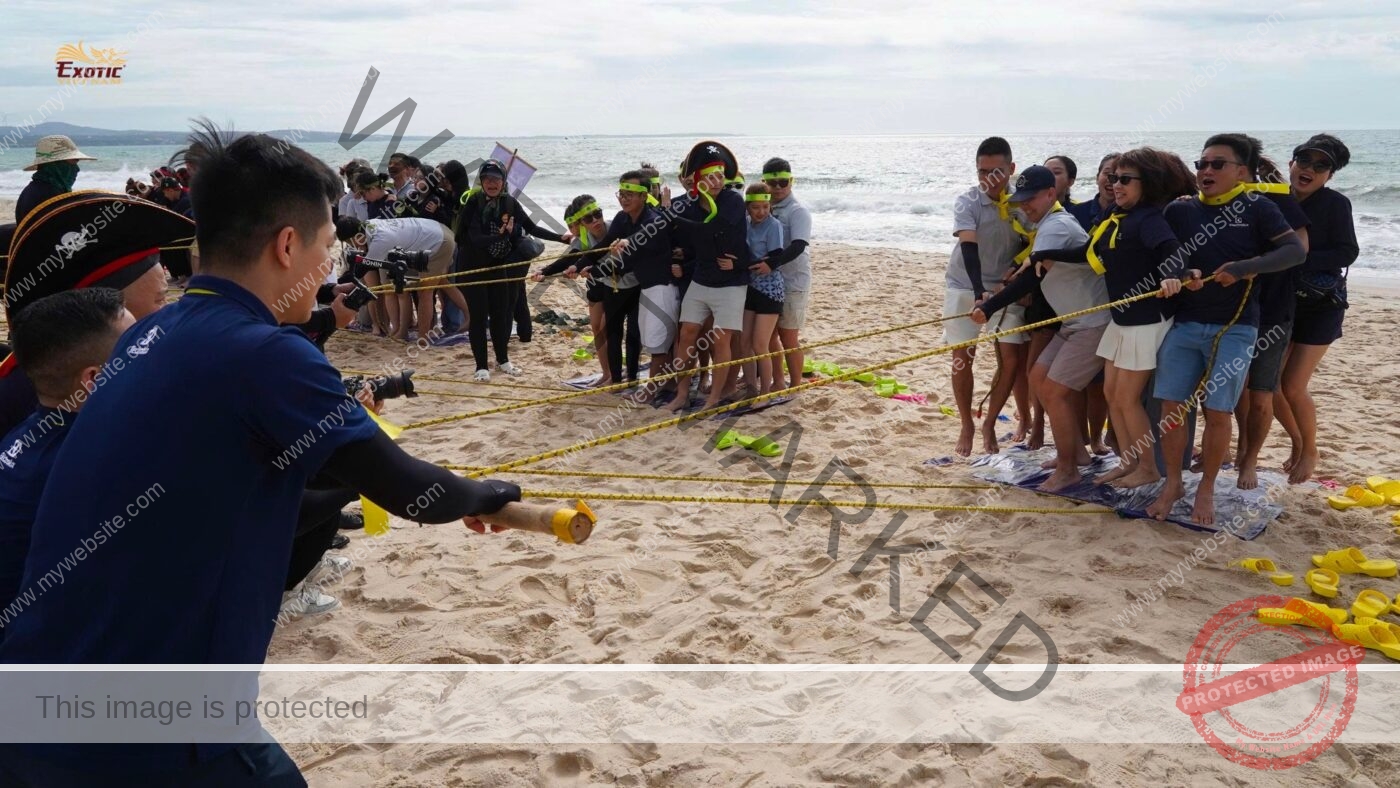
LEADERSHIP – Norming: Activating Leadership Capacity in the Stabilization Phase
As teams enter the Norming stage, working norms begin to take shape and leadership roles become more clearly defined. The key challenge at this phase is to cultivate leadership capacity from within the team – particularly among middle managers and the leadership pipeline. Exotic Vietnam’s Leadership program places participants in real-world experiential contexts, where they are required to make decisions under imperfect conditions, lead their teams through challenges, and take accountability for their choices.
Secluded retreats in mountainous regions, highlands, or natural settings create a “strategic pause” from the pace of daily operations. By stepping away from KPI pressure and formal titles, participants gain the space to reflect on their own leadership styles – how they make decisions, delegate, manage conflict, and influence others.
Leadership in team building is not about “teaching” leadership through theory, but about creating contexts in which leadership capabilities are formed through action and experience. Through purposefully designed challenge scenarios, participants learn to lead with empathy, recognize blind spots in their leadership styles, and gradually build psychologically safe environments where teams feel empowered to experiment, learn from mistakes, and grow together.
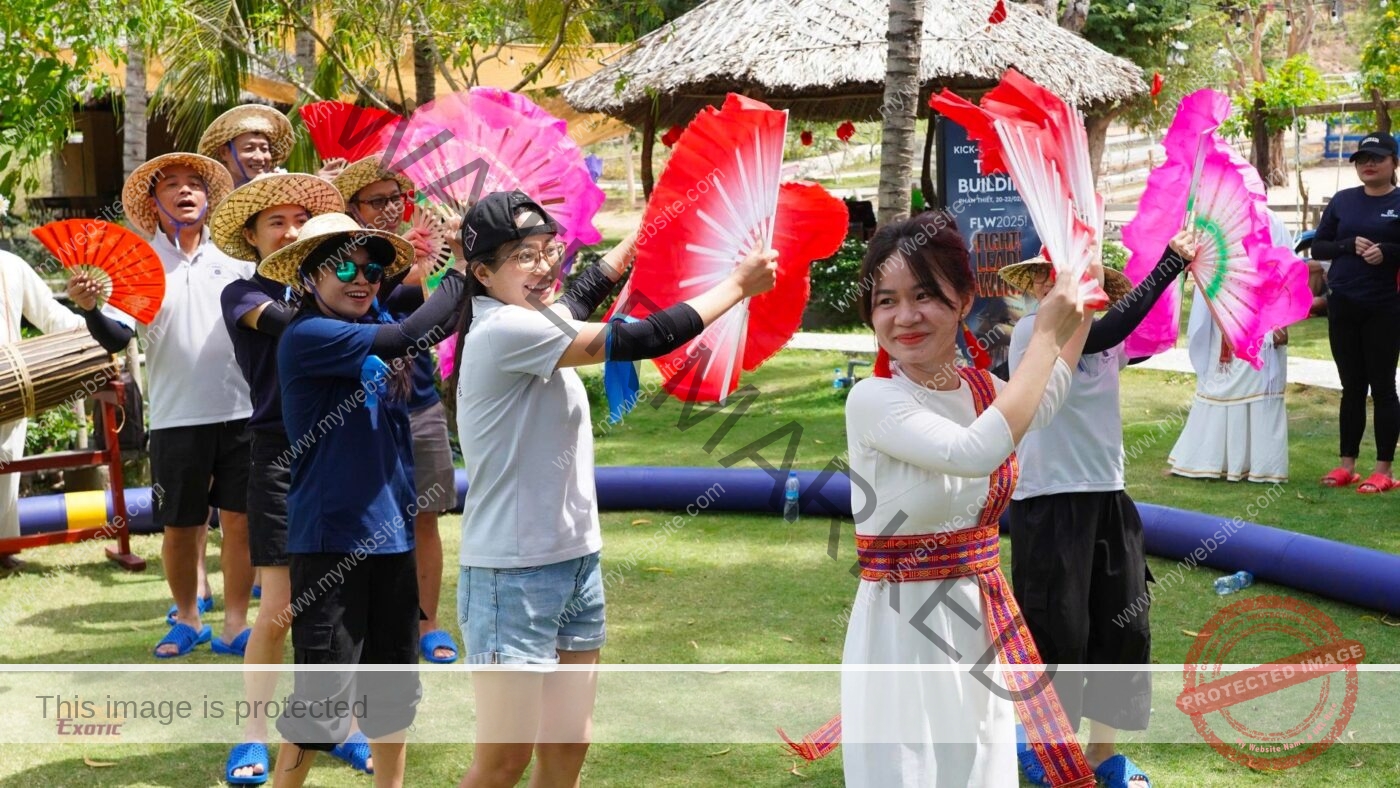
CULTURE & IDENTITY – Performing: Strengthening Culture to Sustain High Performance
At the Performing stage, teams operate smoothly and achieve high levels of performance. However, in many Vietnamese organizations, a common challenge lies in the risk of “emotional fatigue”: KPIs may be consistently met, yet the sense of connection to the organization’s meaning and identity gradually weakens – especially during periods of rapid growth, expansion, or strategic change.
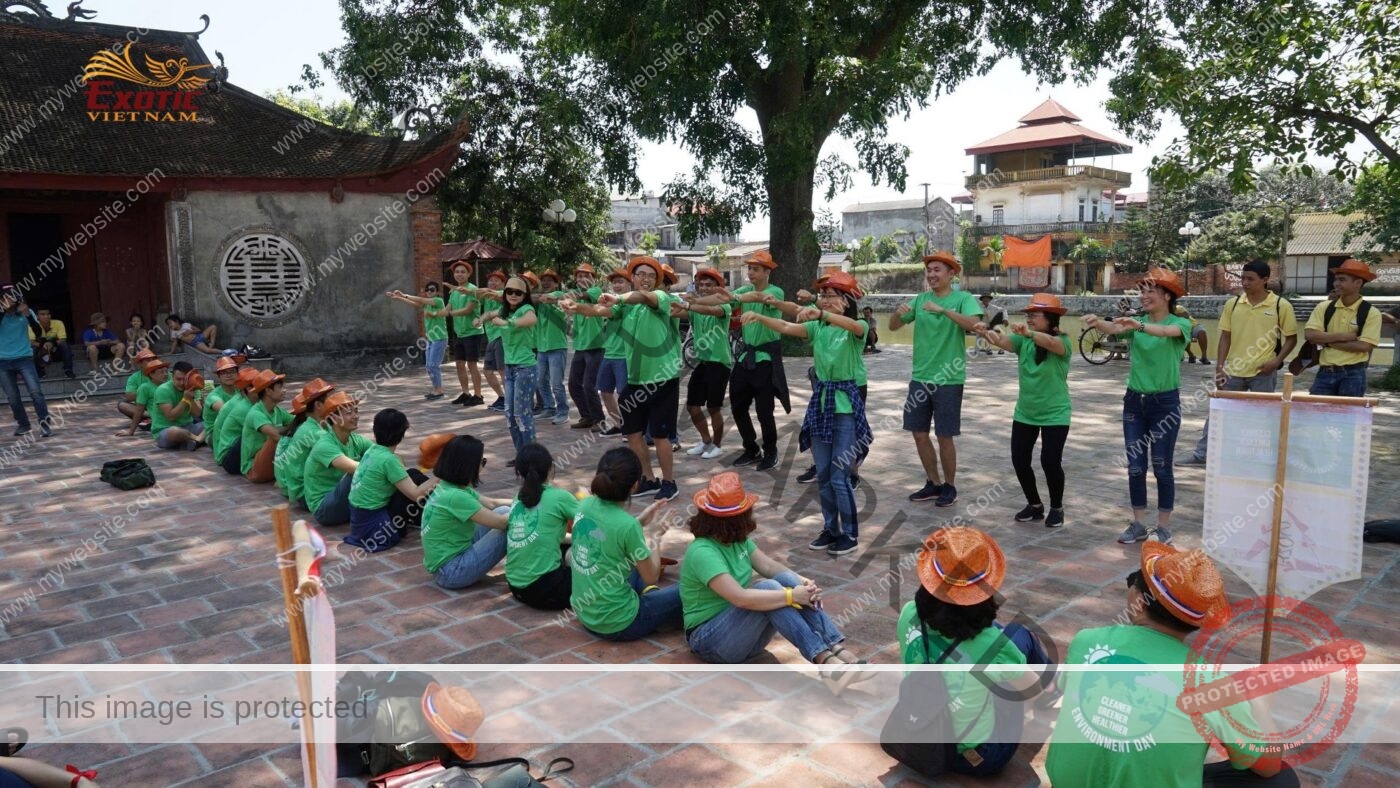
Exotic Vietnam’s Culture & Identity program focuses on reconnecting teams with the brand story, core values, and organizational purpose through storytelling, role-based experiences, and cultural journeys. Settings such as traditional craft villages, museums, or cultural hubs are intentionally chosen to create symbolic depth, allowing organizational values to be not only communicated as messages, but experienced and “lived” collectively.
At this stage, culture becomes the invisible foundation that enables teams to sustain high performance over time. When people feel a strong sense of shared identity and purpose beyond short-term targets, motivation is renewed, commitment deepens, and performance is sustained with long-term resilience.
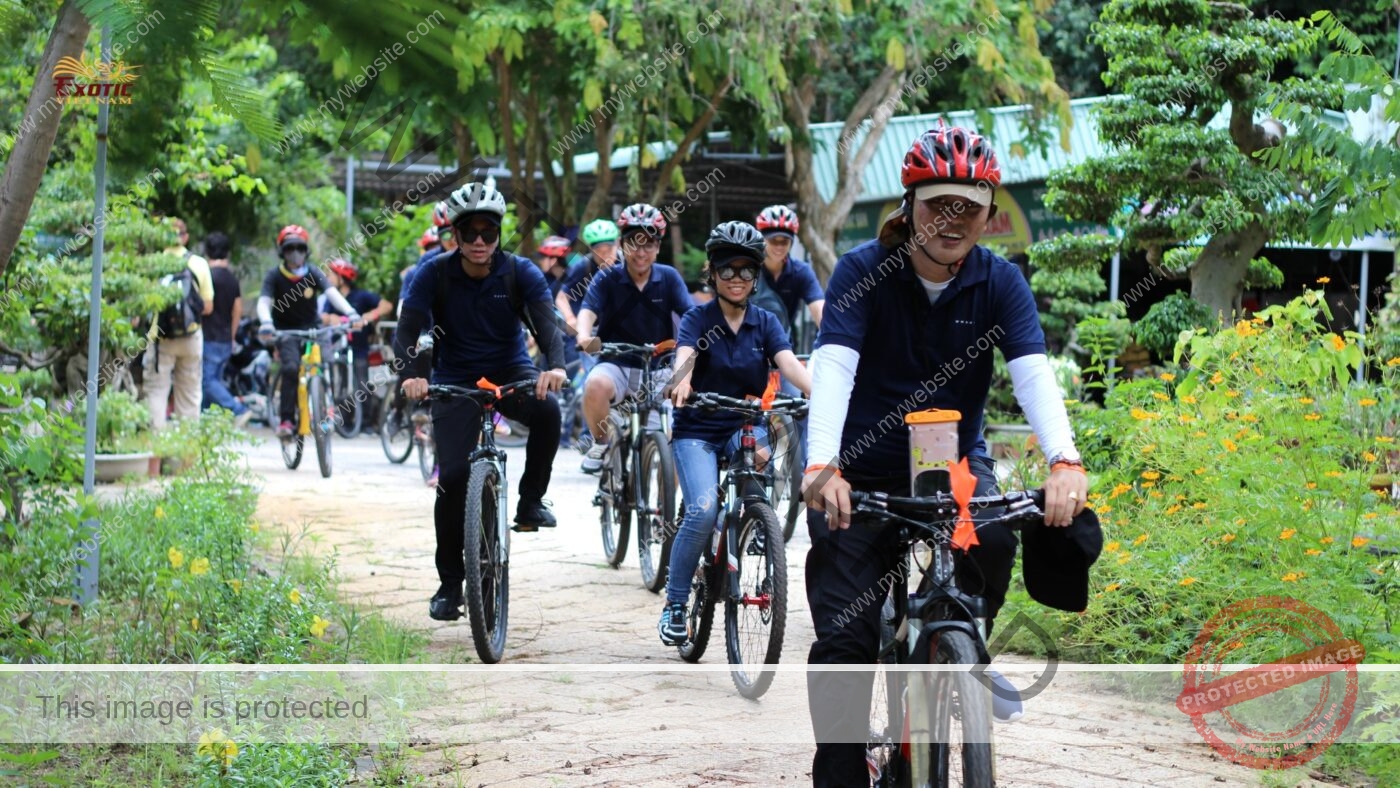
SUSTAINABILITY & CSR – Adjourning: Closing One Cycle, Opening a Higher-Level Journey
Adjourning is not merely the end of a cycle, but a pivotal turning point that enables organizations to move into a new phase of development at a higher level. After teams have gone through Performing and achieved stable performance, changes in strategy, structure, or people become inevitable. Without a sufficiently meaningful emotional and cognitive closure, organizations risk experiencing a “break in the development continuum,” where the values, experience, and collective spirit accumulated in the previous cycle fail to translate into a foundation for the next.
In the context of Vietnamese enterprises, Adjourning is often treated as a ceremonial full stop—summaries, farewells, project closures – rather than as a deliberate transition. This leads to the loss of tacit knowledge, fragmented collective emotions, and forces the next development cycle to restart almost from scratch. As a result, the organization’s growth spiral becomes “broken,” instead of continuing upward along a cumulative trajectory.
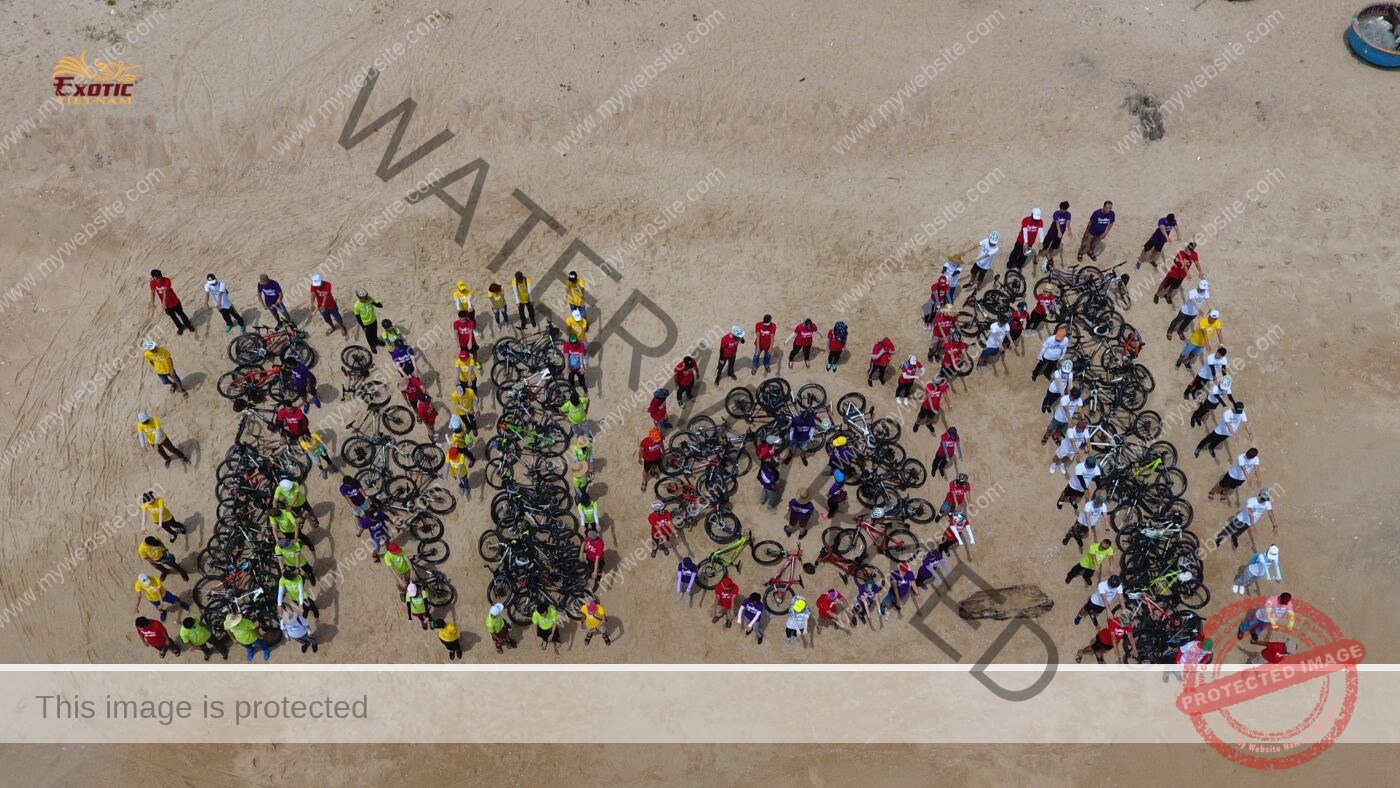
Exotic Vietnam’s Sustainability & CSR program is designed as a “transformation mechanism” between development cycles. When teams step beyond their internal environment to create value for communities and the natural environment, what has been accumulated in the previous cycle – collaborative capacity, a sense of responsibility, and shared identity – is elevated into a broader sense of purpose. The CSR experience does not merely close a chapter of work; it helps teams reframe their role within a larger sustainability narrative, enabling them to enter the next cycle with renewed vision and motivation at a “higher level.”
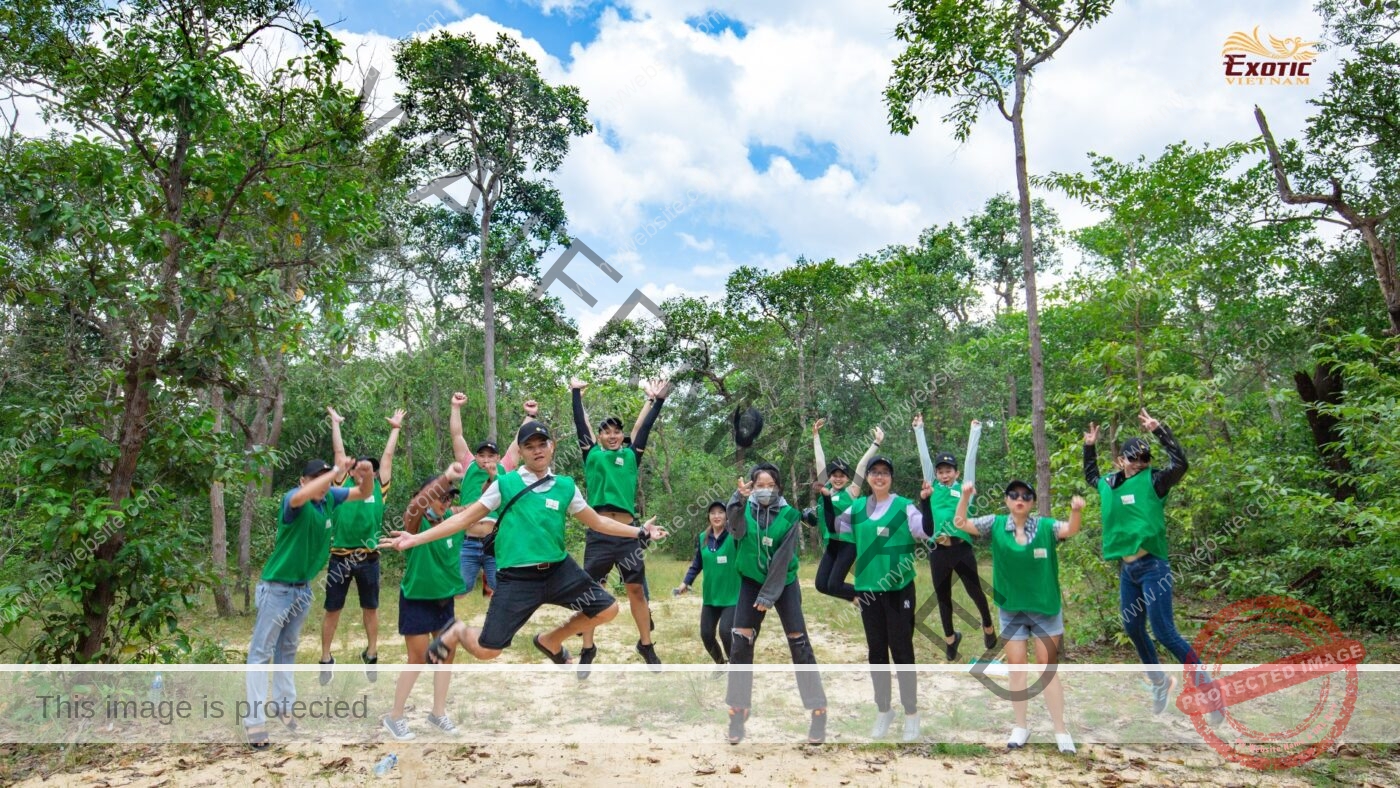
Settings such as mangrove forests, nature reserves, coastal areas, or rural communities are intentionally chosen as “points of convergence” between endings and new beginnings. In these spaces, teams mark the completion of one development cycle while planting the first “seeds” for the next – where performance is not only renewed, but elevated on a foundation of meaning, responsibility, and long-term connection.
Exotic Vietnam’s Commitment
Each team building program by Exotic Vietnam is custom-designed to align with the client’s business objectives, team size, and organizational context. We begin by listening closely to our clients’ real needs, then advise on the most appropriate scenarios and delivery methods for each stage of team development based on Tuckman’s model.
Exotic Vietnam emphasizes experiential depth and long-term impact on people, treating every activity as a learning experience that enables participants to observe their own behaviors, strengthen interaction, and connect insights back to real workplace contexts.
Beyond internal effectiveness, we are committed to delivering programs with respect for the environment, local culture, and principles of sustainable development—aiming to create positive value for both organizations and the communities they engage with. Our ultimate goal is to help teams understand one another better, collaborate more effectively, and remain committed to walking the long journey of growth together.
