


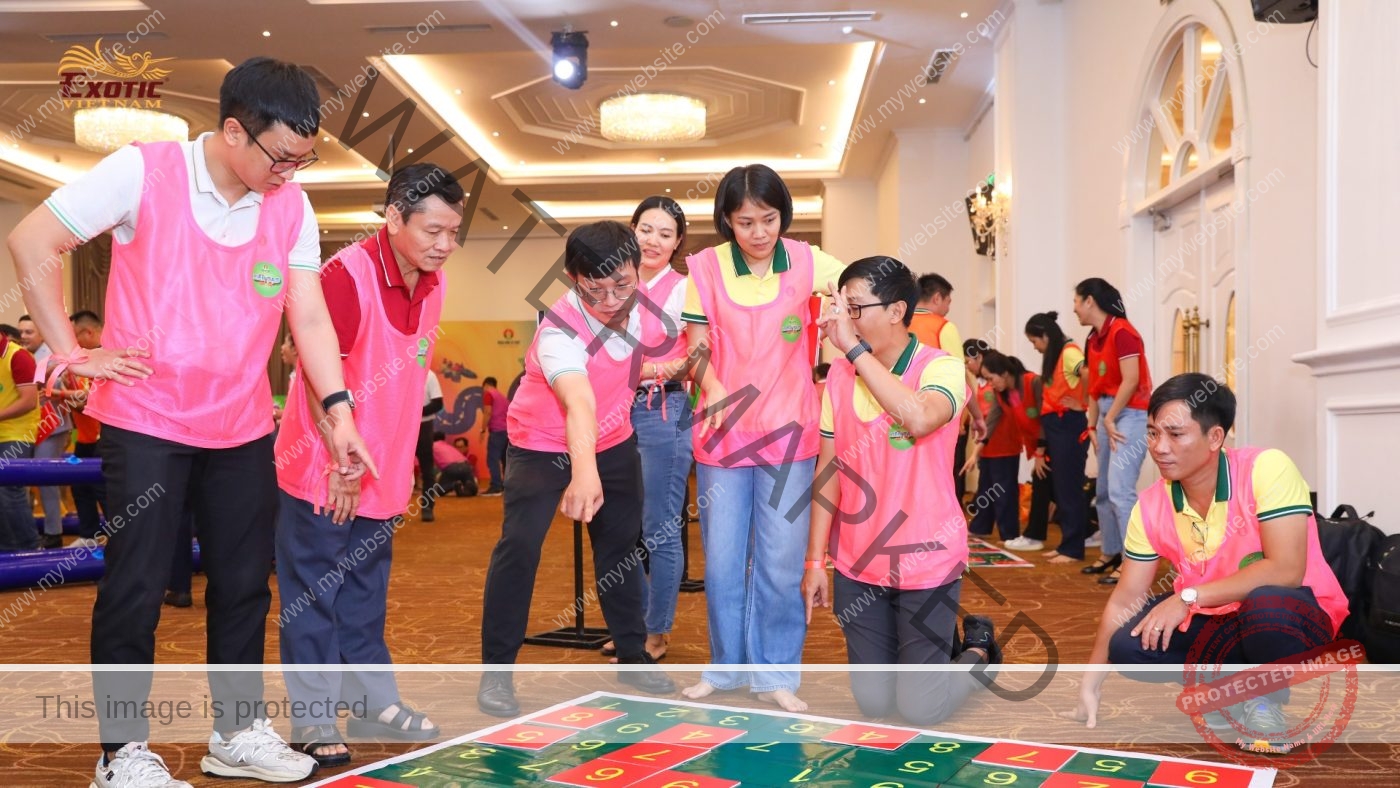
In many Vietnamese companies, team building has gradually become an “annual ritual”-something that happens almost by default every year. Programs are often tied to company trips, retreats, outdoor physical games, and large-scale stage activities, aimed at creating a fun atmosphere, relieving stress, and refreshing emotional connections among employees. From an event management perspective, these programs are usually considered successful: energetic vibes, great visuals, and content that is easy to amplify through internal communications.
However, when viewed through a team development lens, many leaders and HR teams still feel uneasy. After only a short period of time, familiar operational issues tend to resurface – cross-department collaboration remains uncoordinated, decision-making is slow, roles and responsibilities are still unclear, and underlying conflicts continue to be “left untouched” due to a reluctance to engage in open dialogue. The gap between the short-term positive emotions generated by team building and sustainable changes in how people actually work together remains considerable.
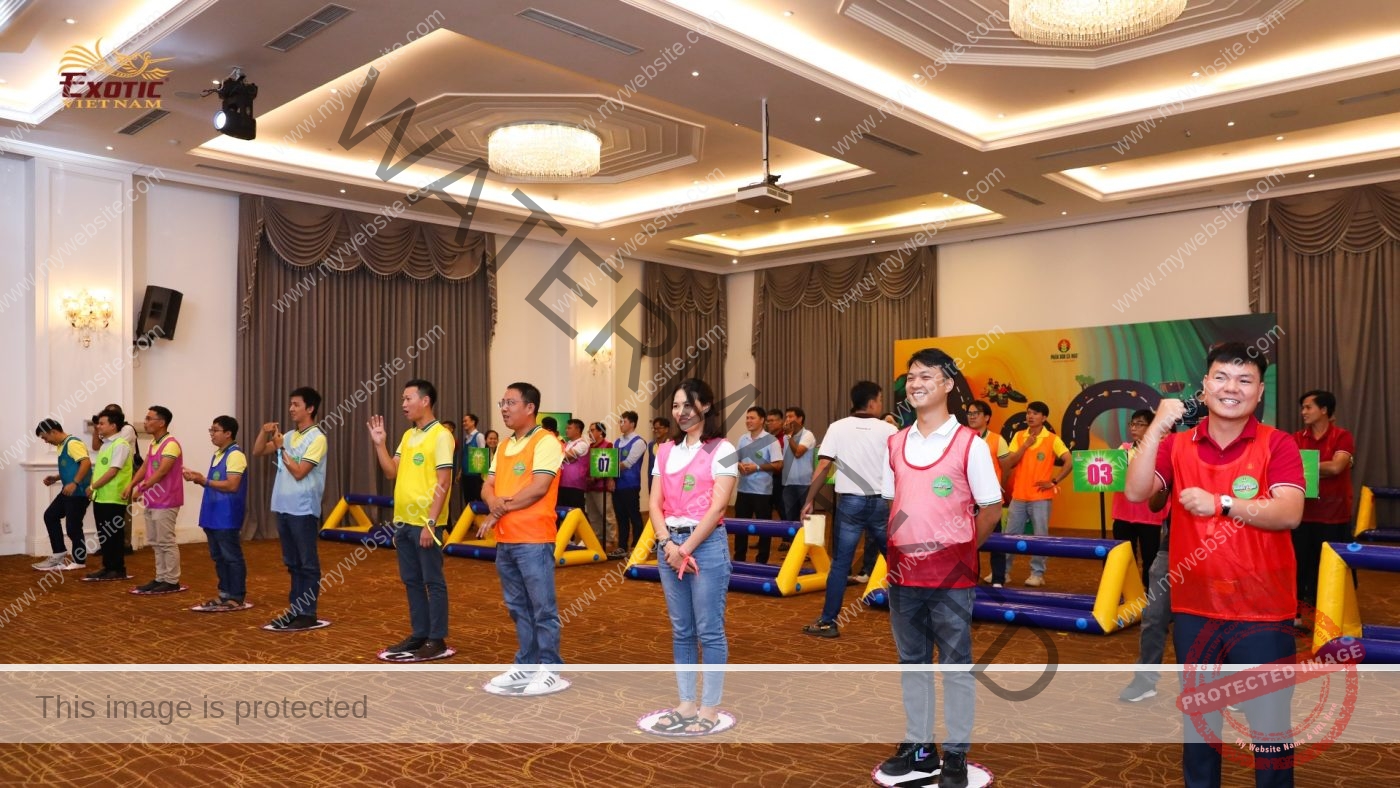
From “Touching Emotions” to “Shaping Behaviors”: Reframing the Role of Team Building
A common reality in many Vietnamese companies is that team building is still approached primarily as a morale-boosting event, rather than as a purposeful team development tool. Activities that focus on physical movement, inflatable games, and stage entertainment generate instant laughter and positive energy, but rarely reflect how people actually collaborate, make decisions, and deal with differences in their day-to-day work. When experiences stop at the emotional level, teams struggle to recognize their own habitual behavior patterns – who tends to make the final call, who avoids conflict, and how the group responds under time pressure and performance targets. As a result, while the experience may be “fun” in the moment, its long-term impact on performance is often limited.
In Exotic Vietnam’s approach, team building is reframed as an operational simulation space, starting from people, behaviors, and organizational context rather than from games alone. Experiences place teams in situations involving time pressure, constrained resources, incomplete information, and interdependent roles – closely mirroring real work environments. It is precisely in these conditions that familiar patterns naturally surface: some teams decide quickly but with little consultation; others deliberate thoroughly but move slowly; some individuals tend to take on too much while others remain on the sidelines. At times, “losing” in the game is not a failure, but a mirror reflecting how the team actually operates under pressure – allowing underlying issues to be surfaced in a psychologically safe, non-judgmental way, and laying the groundwork for later reflection and behavioral change.
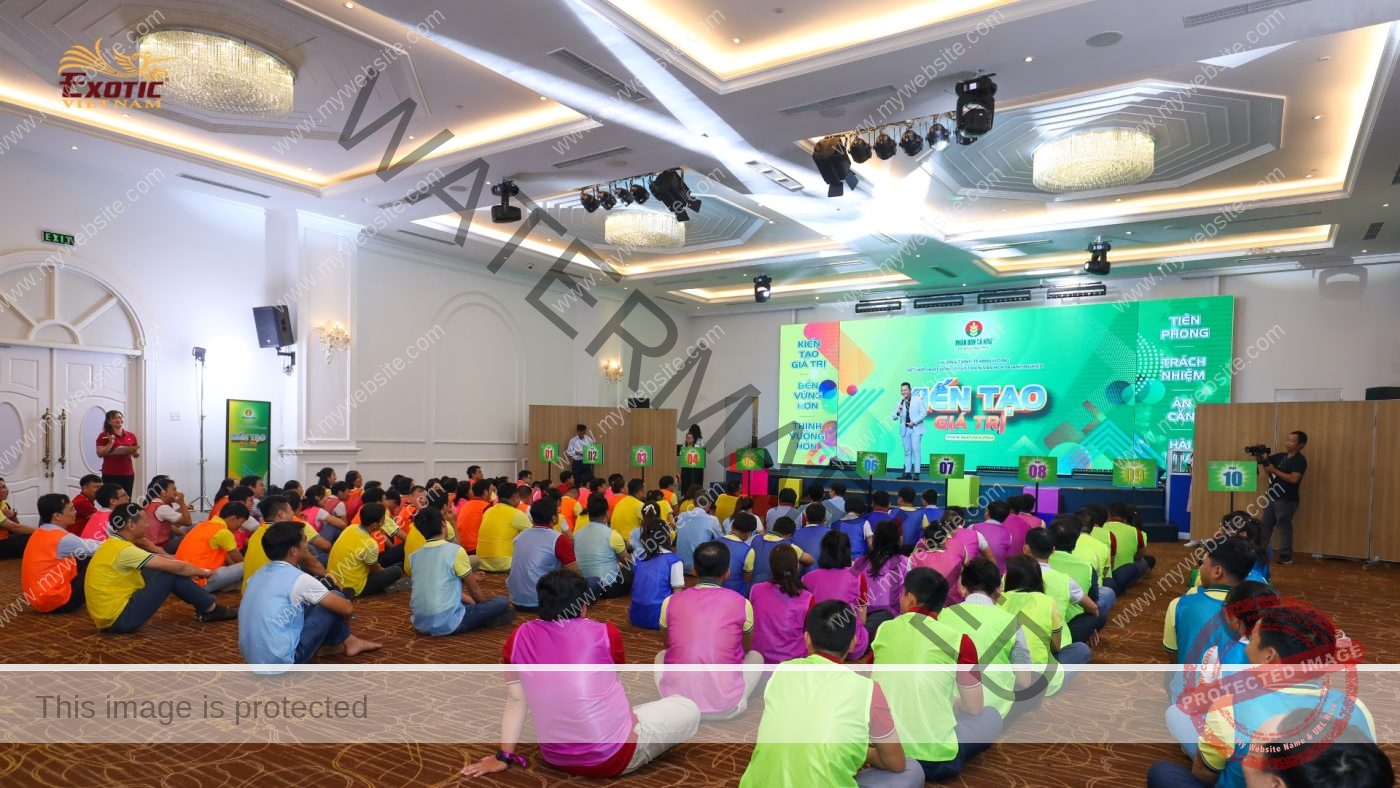
Reflection as the Bridge from Experience to Change
The key difference between “team building for fun” and team building for team development lies in the reflection phase after the experience. According to David Kolb – an American scholar prominent since the 1970s for his Experiential Learning Theory – people do not learn directly from experience itself, but through a learning cycle that includes: concrete experience – reflective observation – abstract conceptualization – active experimentation. Without the reflection stage, experiences remain momentary emotions and are unlikely to translate into behavioral change at work.
In team building, a psychologically safe space for dialogue allows participants to look back at what happened, why their team struggled, and how their in-game behaviors mirror the way they work together in everyday situations. When experiences are transformed into shared understanding, teams can then agree on concrete behavioral commitments – such as running meetings more effectively, clarifying decision-making processes, or giving feedback during moments of disagreement. Conversely, without this extension beyond the event, positive emotions quickly fade as teams return to KPI pressures and familiar work rhythms.
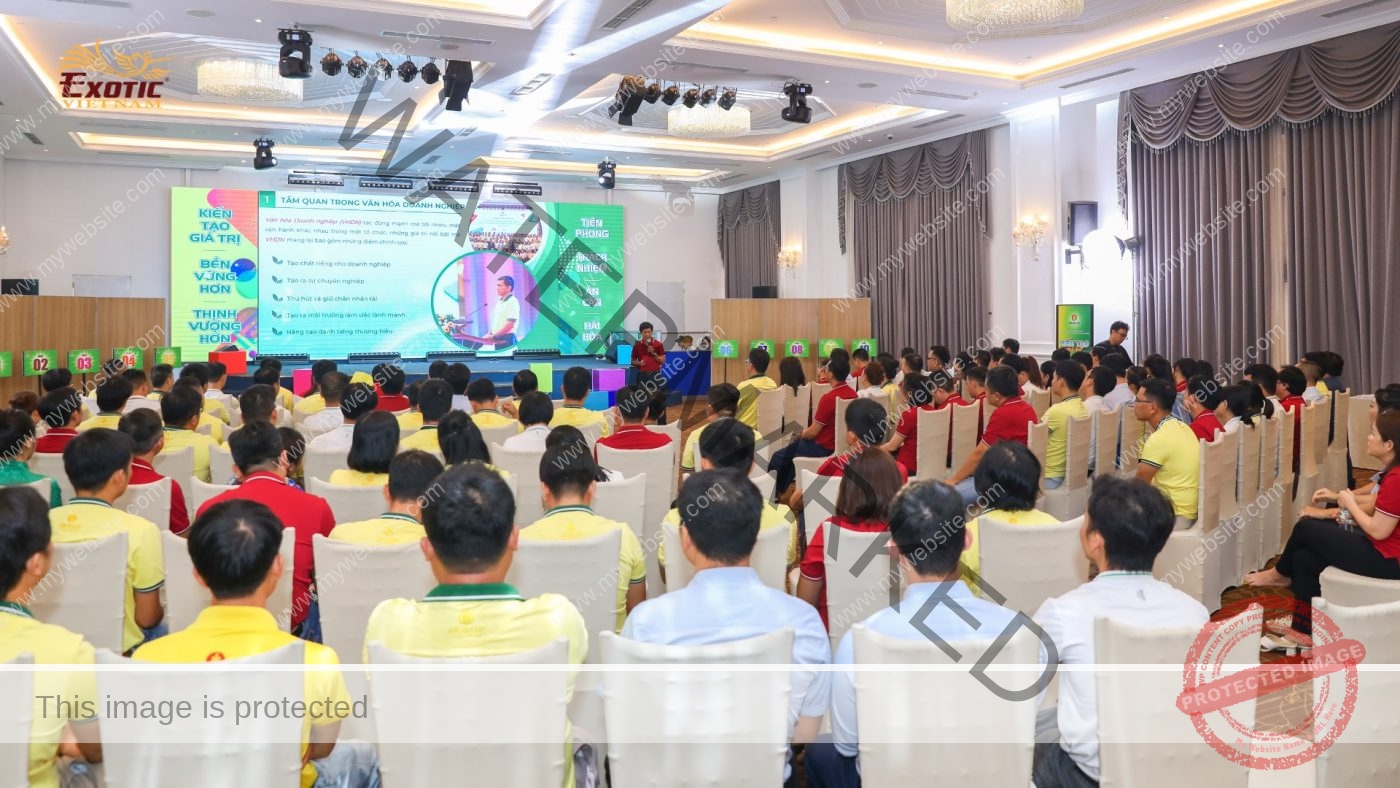
Multi-Layer Team Development in Large-Scale Organizations
For large organizations, running a single, company-wide program can generate a strong sense of collective energy, but it rarely addresses the specific operational challenges that exist at different levels of the organization. From the perspective of organizational culture and development articulated by Edgar Schein, interventions only lead to sustainable change when they act simultaneously across multiple layers of the organizational system – from collective rituals and symbols to everyday behavioral norms. This is why Exotic Vietnam adopts a multi-layer approach to team building.
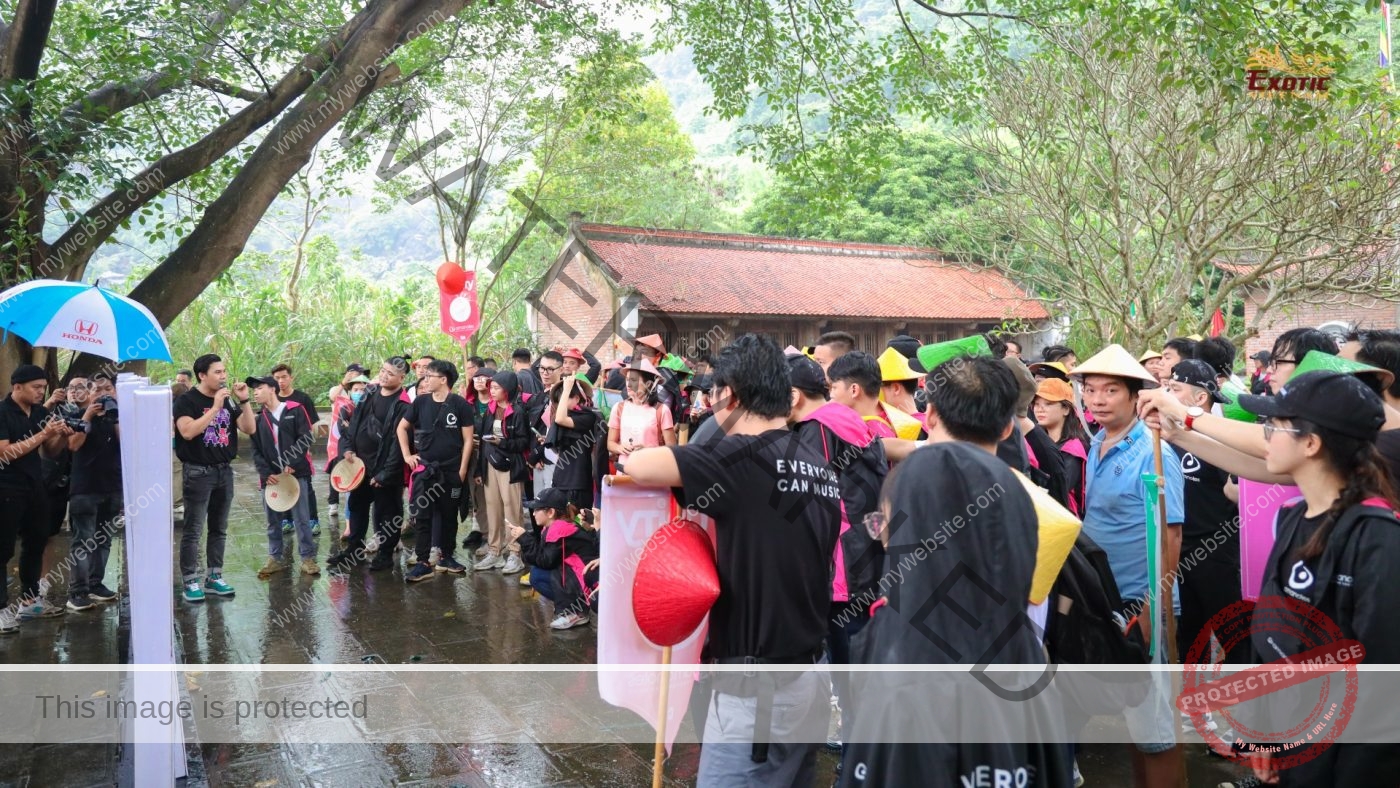
At the company-wide level, symbolic activities strengthen shared identity and connect employees with the organization’s vision and core values. At the functional or departmental level, cross-unit project simulations surface collaboration bottlenecks along the value chain, creating space for dialogue on how different units support – or inadvertently hinder – one another in daily work. At the small-team level, exercises focus on communication, decision-making, and conflict management – micro-behaviors that ultimately shape day-to-day performance. When interventions across these layers are designed in an integrated way, the impact of team building can cascade from shared awareness to concrete behavioral change, laying the foundation for sustainable transformation in large organizations.
From a One-Day Event to a Long-Term Team Development Journey
A common limitation of traditional team building is its “fragmented” nature: the program takes place in a single day, emotions peak, and then quickly fade. Meanwhile, changes in behavior and collaboration within organizations require ongoing nurturing, experimentation, and reinforcement over time. Without follow-up touchpoints after the event, the insights gained and behavioral commitments made are easily swept away when teams return to familiar workflows and KPI pressures.
That is why Exotic Vietnam views team building as a touchpoint within a long-term team development journey, connected to follow-up activities such as internal workshops, themed team sessions, and mechanisms for reminding, tracking, and reinforcing behavioral commitments in everyday work. When team building is embedded within a continuous and intentional intervention pathway, the experience moves beyond short-lived emotions and gains the potential to translate into sustainable changes in working habits and collaboration culture.
Exotic Vietnam: From Event Organizer to Team Development Partner
Exotic Vietnam positions itself not merely as a team building provider, but as a long-term partner in team development. Each program is custom-designed based on diagnosing the organizational context, team structures, and people development objectives of the client. Beyond internal impact, programs are also embedded with sustainability orientations, respect for the environment, and sensitivity to local culture – ensuring that each experience not only creates value for the organization, but also contributes positively to the communities in which it takes place.
In a context where Vietnamese companies face increasing competitive pressure, continuous transformation, and workforce volatility, team building only becomes truly meaningful when it moves beyond being “a fun day out” to becoming a purposeful lever for team development. This is precisely the spirit that Exotic Vietnam pursues: crafting experiences that are not only enjoyable in the moment, but that continue to shape how people work together every day.
