


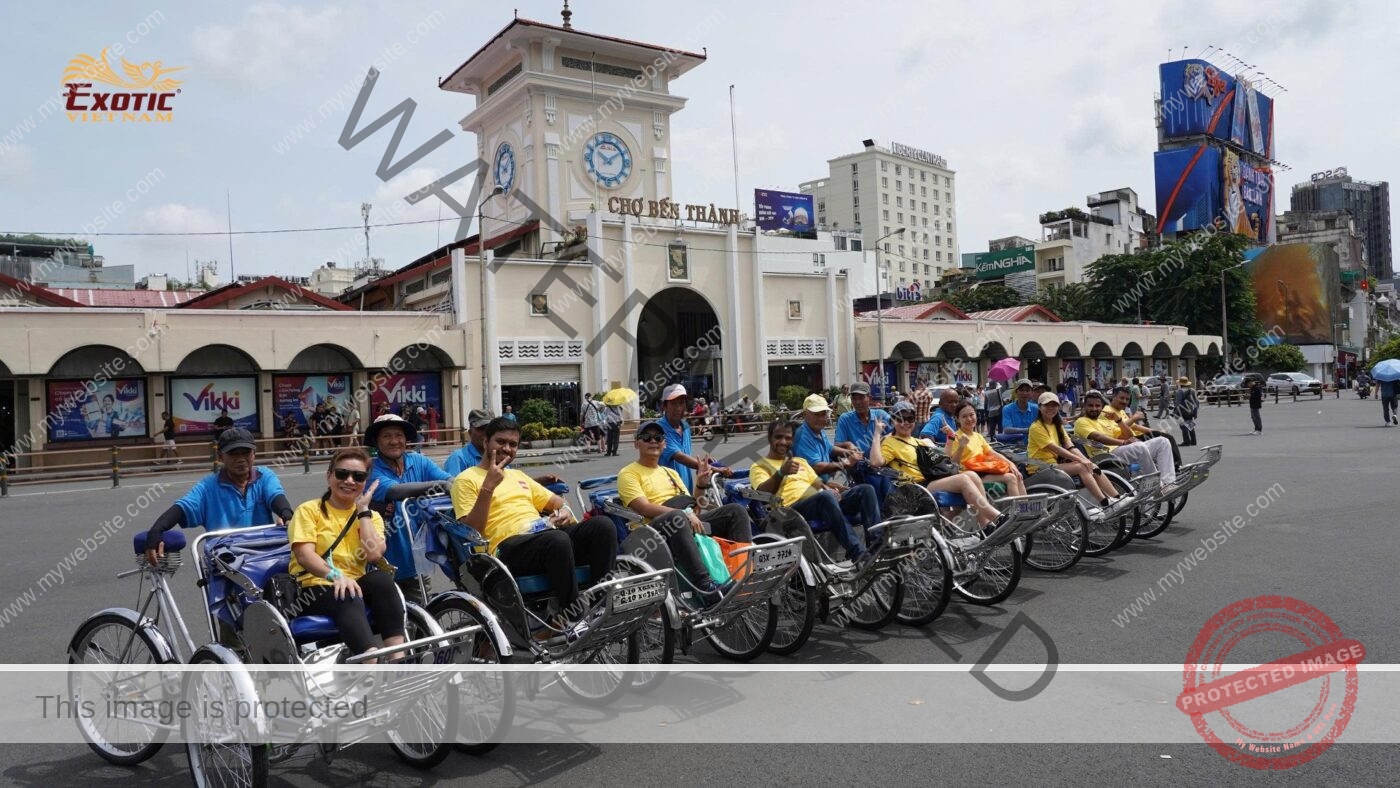
In Vietnam, team building has become an almost “default” annual activity for many companies. Programs are often designed to be lively, combining travel, outdoor activities, and physical games, with the aim of creating a fun atmosphere and strengthening emotional bonding among participants. From an event management perspective, these programs are usually successful: high energy, attractive visuals, and easy-to-share content for internal communications.
However, from a team development perspective, most team building activities still stop at the level of entertainment. After a few days or weeks, familiar workplace issues resurface: ineffective cross-department collaboration, slow decision-making, unclear roles and responsibilities, and underlying conflicts that are rarely addressed openly. Team building thus becomes a short-lived “highlight moment,” disconnected from the day-to-day operational realities of the organization.
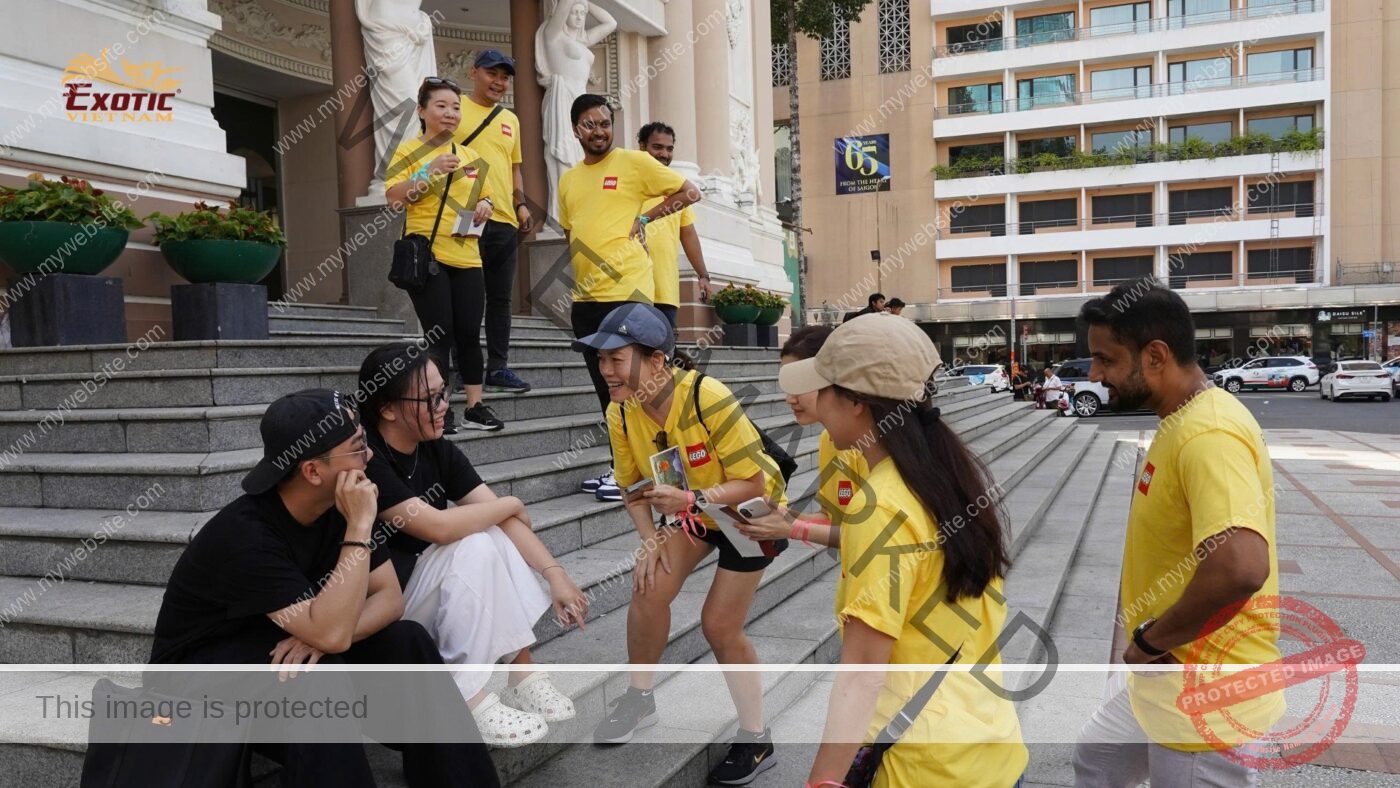
“Playing to Lose”: When Failure in Games Reflects Real Organizational Issues
In this context, the “playing to lose” approach offers a different perspective on the role of team building. Failure in a game, when embedded in simulations that closely mirror real business conditions, can clearly reveal the bottlenecks in how teams actually work. When games involve time pressure, incomplete information, interdependent roles, and shared goals, teams tend to carry their familiar workplace habits into the activity: everyone wants to retain control, no one takes final ownership of decisions, communication breaks down across functional “silos,” or conflicts are avoided in the name of harmony.
In such situations, “losing” is no longer merely an individual outcome. It becomes a mirror reflecting how the organization operates under pressure—very similar to how decisions are made in real business contexts.
Conditions for “Playing to Lose” to Become a Lesson – Not Just an Emotional Experience
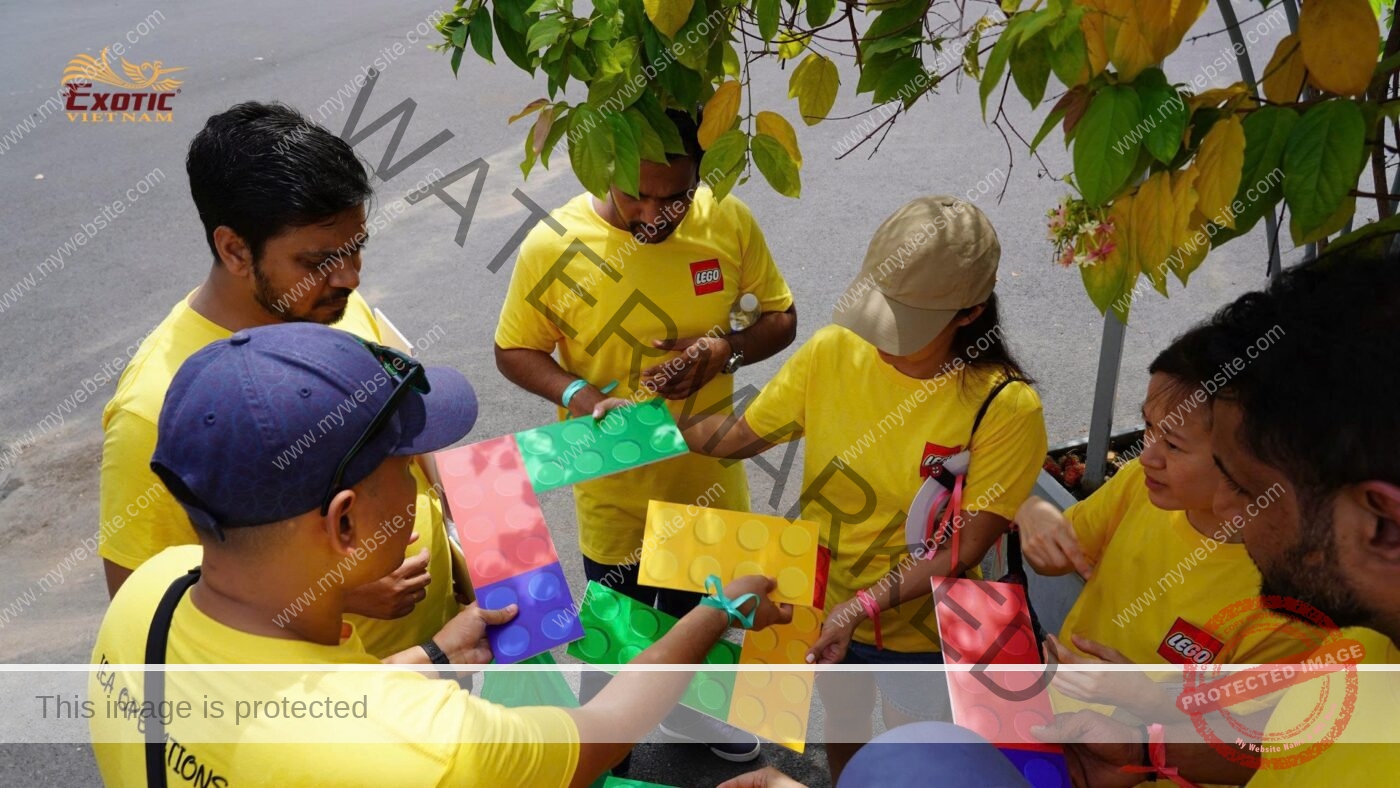
Failure in games only becomes a meaningful lesson when it is embedded in intentional design. If activities are too simple or “softened” so that every team can easily win, familiar team behaviors are rarely activated, and the reflective value is limited. Conversely, if scenarios are overly difficult or feel like trick questions, participants may feel they are being “set up” to fail, triggering defensiveness. The key lies in designing “threshold challenges” – challenging enough to surface how teams actually communicate, allocate roles, make decisions, and handle differences, yet fair enough that outcomes reflect true collaborative capability rather than flawed rules.
In such threshold challenges, latent organizational issues often surface naturally: who holds decision authority, who is excluded from information flows, which groups protect siloed interests, and the level of trust among individuals. It is precisely when teams are pushed to their limits – by time pressure, resource constraints, or goal intensity – that habitual behavior patterns become most visible.
Beyond challenge design, the post-experience debrief plays a pivotal role. Structured dialogue and reflection help teams translate emotional experiences into behavioral insight: why did we fail, what aspects of our gameplay mirror how we work every day, and what would we do differently next time? With psychological safety, participants are more willing to acknowledge individual and collective limitations, and to experiment with new ways of collaborating rather than repeating old patterns.
From Simulation to Behavioral Change in Organizations
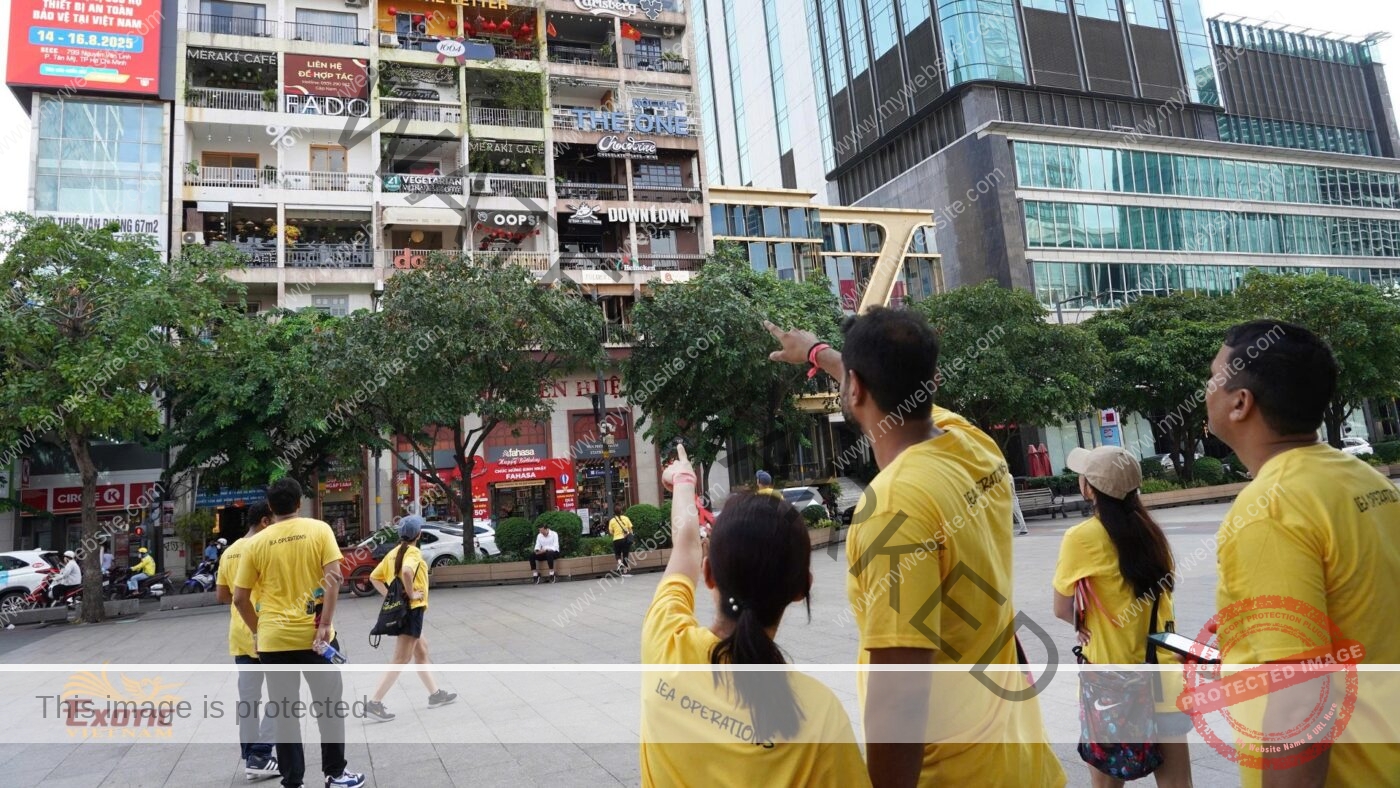
The true value of team building does not lie in the outcome of the games themselves, but in how the lessons learned are carried back into the workplace. “Playing to lose” only becomes meaningful when teams collectively transform experience into new awareness and, from there, into concrete behavioral commitments – such as running more effective meetings, establishing clearer decision-making mechanisms, or setting more transparent norms for cross-functional collaboration. When team building is connected to real operational contexts, simulations are no longer just “a day out of the ordinary,” but become touchpoints that help teams reflect on how they work together every day.
In adult learning theory, David Kolb – an American scholar prominent since the 1970s for his Experiential Learning Theory – argues that behavioral change does not arise directly from experience alone. Instead, it unfolds through a cycle of concrete experience, reflective observation, abstract conceptualization, and active experimentation. Here, reflection refers to the process by which participants look back on what happened, how they and their teams acted, and why outcomes emerged as they did, in order to extract lessons for the future. If team building stops at experience and positive emotions, this learning cycle is interrupted in its early stages, making it difficult for participants to translate experience into change at work.
Only when there is sufficient space for deep, facilitated reflection – and for distilling insights about communication, decision-making, and role clarity – do teams gain a basis for experimenting with new behaviors upon returning to the real work environment. Conversely, without follow-through mechanisms to reinforce and track behavioral commitments, the initial inspiration quickly fades under KPI pressure and the rhythm of everyday work. In such cases, team building easily reverts to its familiar role: generating short-term motivation, but creating little lasting impact on how teams operate over the long term.
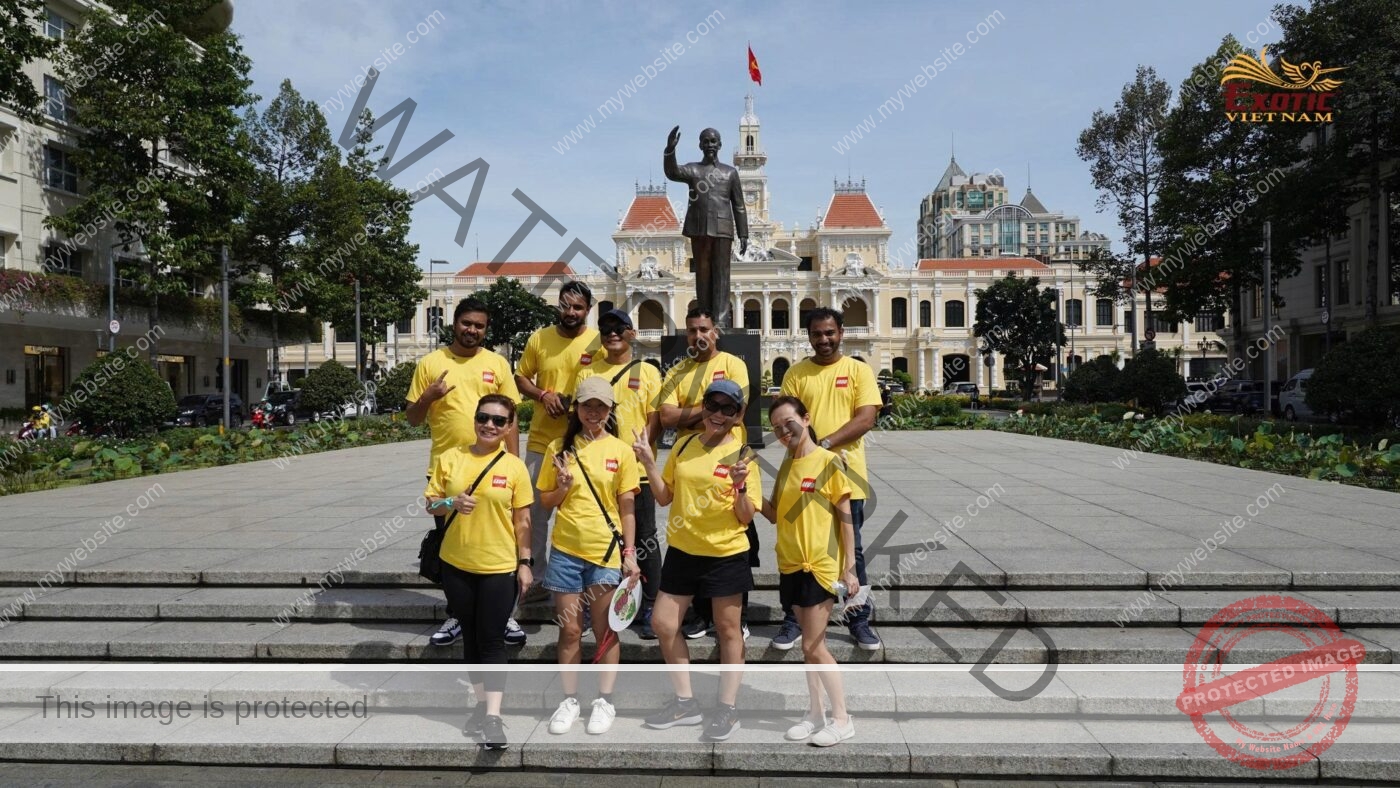
The Role of Exotic Vietnam: Team Building as a Lever for Team Development
In Exotic Vietnam’s approach, team building does not start with games – it starts with people, behaviors, and the organizational context. Programs are designed as developmental simulations, in which “playing to lose” is not about creating drama, but about creating a psychologically safe space for teams to recognize bottlenecks in collaboration and decision-making. Exotic Vietnam places strong emphasis on experience design and facilitated reflection after each activity, helping participants directly connect insights from the simulations to their real workplace practices.
Beyond team development goals, programs are also designed with a sustainability lens, respecting the environment and local culture. In this way, organizations not only strengthen their internal capabilities, but also create positive value for the communities in which the programs take place.
